Chalifah Fatihah
A recent report by GuruWalk, a prominent platform specializing in walking tours and cultural experiences, has unveiled its highly anticipated list of the world’s most walkable cities for 2026. This comprehensive ranking, compiled after analyzing over 467,000 verified traveler reviews from more than 3,600 walking tours across 800 cities globally, highlights destinations that offer unparalleled pedestrian experiences. The methodology behind the ranking involved a weighted scoring system, with traveler volume accounting for 65% and satisfaction ratings for the remaining 35%. Cities that appear on this list are lauded not only for their tourist appeal but also for providing memorable explorations on foot.
Rome Reigns Supreme: A Pedestrian Paradise Steeped in History
Topping the 2026 list is Rome, Italy, a city where history breathes through its cobblestone streets and ancient alleyways. GuruWalk’s report emphasizes that in Rome, "every step transports you through empires, popes, and the Renaissance." This ancient metropolis offers an immersive journey through millennia of human achievement, with iconic landmarks such as the Colosseum, the Pantheon, and Vatican City all within accessible walking distance. Travelers can delve into the rich tapestry of Roman history, art, and culture by simply traversing its charming streets.
The report further notes that 2026 is shaping up to be a particularly vibrant year for Rome. The city is set to host a multitude of events, attractions, and new hotel openings, all designed to draw and delight visitors. Among the notable additions is the Anantara Palazzo Naiadi, a luxurious hotel transformed from a marble palace, located in the grand Piazza della Repubblica. These developments are expected to further enhance Rome’s allure as a top destination for travelers seeking both historical depth and modern comfort, with walking remaining a primary mode of discovery.
The GuruWalk Methodology: Unpacking the Data Behind the Rankings
The creation of the GuruWalk’s "Most Walkable Cities" list is a data-driven endeavor, meticulously designed to reflect the genuine experiences of travelers. The platform leveraged its extensive database of walking tour reviews, a testament to the growing popularity of this form of exploration. By examining over 467,000 reviews, GuruWalk aimed to capture a broad spectrum of opinions and experiences from individuals who actively chose to explore cities on foot.
The selection process involved several key stages. Firstly, the sheer volume of walking tours and traveler engagement within each city was assessed. This metric, carrying a 65% weight, indicates the inherent appeal of a city for pedestrians and the availability of organized walking experiences. Cities with a high volume suggest a strong existing infrastructure and interest in walking as a tourist activity. Secondly, traveler satisfaction ratings were considered, accounting for 35% of the final score. This qualitative aspect delves into the actual experience of walking in these cities, assessing factors such as safety, accessibility, points of interest encountered, and the overall pleasantness of the urban environment for pedestrians.
The combination of these two factors—popularity and quality of experience—provides a robust framework for identifying cities that truly excel in supporting and enhancing pedestrian travel. The report’s focus on verified traveler reviews adds a layer of credibility, ensuring that the rankings are grounded in real-world feedback rather than mere theoretical assessments.
A Global Perspective: The Top 30 Most Walkable Cities for 2026
Beyond the reigning champion, Rome, GuruWalk’s report presents a diverse collection of cities from around the globe, each offering unique pedestrian experiences. The top 10 cities showcase a strong European presence, reflecting the continent’s historical urban planning and rich cultural heritage, which often lends itself well to walking.
The Top 10 Most Walkable Cities for 2026:
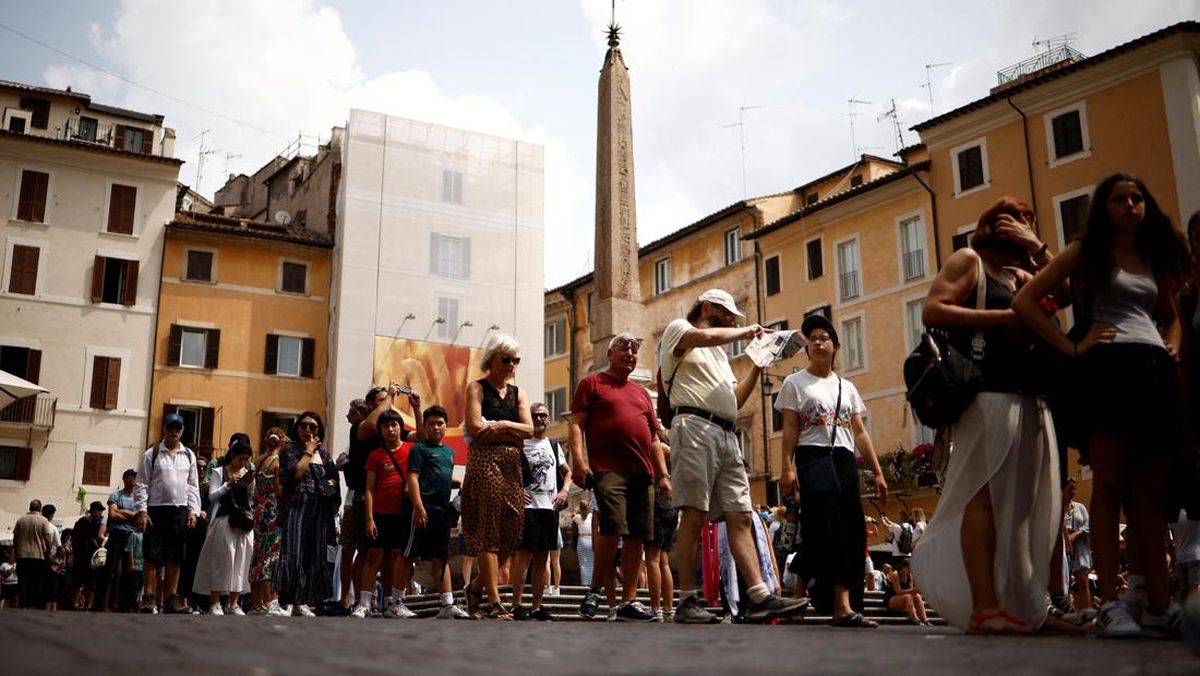
- Rome, Italy: Celebrated for its ancient history, iconic landmarks, and vibrant street life, making every stroll a journey through time.
- Madrid, Spain: Known for its grand boulevards, lively plazas, and extensive network of pedestrian-friendly areas, perfect for tapas tours and cultural immersion.
- Budapest, Hungary: The "Pearl of the Danube" offers stunning architecture, thermal baths, and a scenic riverside promenade ideal for walking explorations.
- Prague, Czech Republic: With its fairytale-like Old Town, Charles Bridge, and castle complex, Prague provides a magical walking experience through its historical heart.
- Lisbon, Portugal: The hilly capital entices walkers with its colorful neighborhoods, historic trams, and breathtaking viewpoints (miradouros) offering panoramic cityscapes.
- Amsterdam, Netherlands: Famous for its picturesque canals, charming bridges, and flat terrain, Amsterdam is a cyclist’s and walker’s paradise.
- Porto, Portugal: Beyond its famous port wine, Porto’s Ribeira district, historic bridges, and steep, winding streets offer a unique and rewarding walking adventure.
- Barcelona, Spain: The Catalan capital boasts the Gothic Quarter’s labyrinthine streets, the vibrant Las Ramblas, and Gaudí’s architectural masterpieces, all easily explored on foot.
- London, United Kingdom: A global hub with a wealth of historical sites, diverse neighborhoods, and expansive parks, London offers endless walking possibilities, from royal palaces to bustling markets.
- Berlin, Germany: A city of resilience and reinvention, Berlin’s vast green spaces, historical monuments, and distinct districts invite walkers to discover its complex past and dynamic present.
The list extends to a comprehensive 30 cities, revealing a global appreciation for urban environments designed for pedestrians. Notable inclusions beyond the top 10 demonstrate a variety of urban landscapes and cultural offerings:
- European Dominance Continues: Cities like Paris (11), Seville (12), Krakow (14), Florence (15), Vienna (16), Toledo (17), Dublin (18), Dubrovnik (19), and Ljubljana (30) further underscore Europe’s commitment to walkable urbanism. These cities often feature compact historical centers, well-maintained public spaces, and a cultural emphasis on leisurely exploration.
- Expanding Horizons: The inclusion of cities like Tokyo (20), New York City (23), and Santiago (25) signifies a growing recognition of walkability in metropolises that might traditionally be perceived as car-dependent. Tokyo, in particular, is noted for its highly efficient public transport, which allows pedestrians to seamlessly connect to vibrant neighborhood centers. New York City’s extensive grid system, diverse neighborhoods, and abundant parks make it a prime candidate for walking tours.
- Iberian Peninsula Strength: Spain and Portugal collectively feature a significant number of cities on the list, including Madrid, Lisbon, Porto, Barcelona, Seville, Toledo, Malaga (26), and Granada (27). This highlights a regional characteristic that prioritizes pedestrian-friendly design and a culture that embraces outdoor living and exploration on foot.
- Mediterranean Charm: Cities like Dubrovnik and Split in Croatia (19, 21) offer historic walled cities and stunning coastal promenades, making them particularly attractive for walking enthusiasts.
- Emerging Walkable Hubs: Cities such as Bucharest (24) and Santiago (Chile) (25) represent a broader trend of urban development that increasingly values pedestrian accessibility and sustainable mobility.
The Significance of Walkability in Modern Urban Tourism
The GuruWalk report’s findings are more than just a ranking; they reflect a significant shift in traveler preferences and urban planning priorities. In an era increasingly focused on sustainability, health, and authentic experiences, walkable cities are gaining prominence.
Environmental and Health Benefits: Walkability directly contributes to reduced carbon emissions by encouraging a shift away from private vehicle use. This aligns with global efforts to combat climate change and create more sustainable urban environments. Furthermore, increased walking promotes physical activity, leading to improved public health outcomes and reduced healthcare burdens. Cities that prioritize pedestrian infrastructure often see a tangible positive impact on the well-being of their residents and visitors alike.
Economic Impact: Walkable cities often experience enhanced economic vitality. Pedestrians are more likely to engage with local businesses, explore independent shops, and dine at neighborhood restaurants, fostering a more robust and diverse local economy. The increased foot traffic can lead to higher revenues for businesses and create more vibrant commercial districts. Moreover, cities known for their walkability often attract a higher caliber of talent and investment, as they are perceived as desirable places to live and work.
Cultural Immersion and Authentic Experiences: Walking allows travelers to discover hidden gems, stumble upon local markets, and experience the authentic pulse of a city in a way that is often missed when relying solely on cars or public transport. It fosters a deeper connection with the urban fabric, allowing for spontaneous encounters and a more nuanced understanding of the local culture. The detailed descriptions provided by GuruWalk for cities like Rome, emphasizing the historical narratives embedded within the streetscape, underscore this point.
Urban Planning and Infrastructure: The rise of walkable cities also signals a broader trend in urban planning. Forward-thinking cities are investing in pedestrian-friendly infrastructure, including wider sidewalks, dedicated bike lanes, improved public spaces, and traffic calming measures. This investment not only enhances the quality of life for residents but also makes these cities more attractive to tourists. The inclusion of cities like Ljubljana, often cited for its comprehensive pedestrianization efforts in its city center, exemplifies this trend.
Expert Perspectives and Future Implications
While GuruWalk’s report provides a valuable snapshot, the ongoing trend towards prioritizing walkability in urban tourism is supported by various urban planning experts and travel industry analysts. Dr. Eleanor Vance, a renowned urban geographer, notes, "Cities that invest in walkability are not just creating pleasant environments; they are investing in their future economic and social resilience. Pedestrian-centric design fosters community, supports local economies, and contributes to a more sustainable urban model."
The implications of this ranking extend beyond informing traveler choices. For city officials and urban planners, it serves as a benchmark and an inspiration. Cities that do not appear high on the list may be motivated to reassess their urban development strategies and invest in infrastructure that promotes walking. Conversely, cities that consistently rank well can leverage this recognition to further enhance their offerings and attract even more visitors who value this mode of exploration.
The future of urban tourism is undeniably intertwined with the concept of walkability. As travelers increasingly seek immersive, sustainable, and healthy travel experiences, cities that embrace pedestrian-friendly design will undoubtedly continue to thrive. GuruWalk’s 2026 report not only celebrates the current leaders in this domain but also points towards a global aspiration for more walkable, livable, and engaging urban centers.