Chalifah Fatihah
A 13-year-old boy with Tourette’s Syndrome was forcibly removed from a British Airways flight at Gatwick Airport in England after an involuntary outburst, where he repeatedly shouted the word "bomb" due to the severity of his neurological condition. The incident, which occurred on Wednesday, June 3, 2026, has ignited a firestorm of criticism from the boy’s family, who are accusing the airline of blatant discrimination against individuals with disabilities.
The family, traveling in a party of 10, was preparing for a holiday to Alicante, Spain, when the distressing event unfolded. Mason Entwistle, the 13-year-old affected, was wearing a sunflower lanyard – a recognized symbol for hidden disabilities – and carried official medical documentation confirming his diagnosis. His father, Martyn Entwistle, 39, stated that British Airways had been informed of his son’s condition well in advance of their travel date, anticipating potential anxiety related to the flight.
Despite these prior notifications, Mason’s anxiety escalated while queuing at the departure gate. In what his family describes as an uncontrollable tic, he began shouting "bomb" multiple times. As the family attempted to board the aircraft via the jet bridge, a British Airways manager intercepted them, denying boarding to the entire group.
Video footage captured during the confrontation shows the airline official stating, "We are not refusing him because he has a disability. We are refusing him because there was a threat made that he had a bomb in his bag. Today you are refused to fly purely for the safety, security and well-being of other customers, yourself, and our cabin crew."
This resolute decision had a devastating impact on the young teenager. Reports indicate that Mason immediately sat on the airport floor, crying uncontrollably and repeatedly apologizing to those around him, deeply distressed by his own medical condition. The situation intensified when armed police officers arrived to escort Mason, his parents Martyn and Gemma Entwistle (36), and his one-year-old sibling out of the terminal.
Tragically, Mason’s 16-year-old sister was permitted to continue her journey with friends, leaving the fractured family to deal with the immediate aftermath. The Entwistle family was forced to forfeit tickets valued at approximately £4,000 (around $5,000 USD), which they had paid to British Airways.
While Mason’s mother and younger siblings were visibly traumatized and wished to return home immediately, Martyn Entwistle was resolute in his decision to proceed with the holiday. The following day, he booked alternative flights with a competitor airline, Vueling, incurring an additional cost of £2,400 (approximately $3,000 USD).
"The only reason I rebooked was because I wanted to teach him that he can do anything he wants. I didn’t want him to grow up thinking ‘I’ll never be able to go on holiday.’ It’s about principle. He deserves to go on holiday," Martyn stated emotionally, highlighting his commitment to not letting his son’s disability define his life experiences.
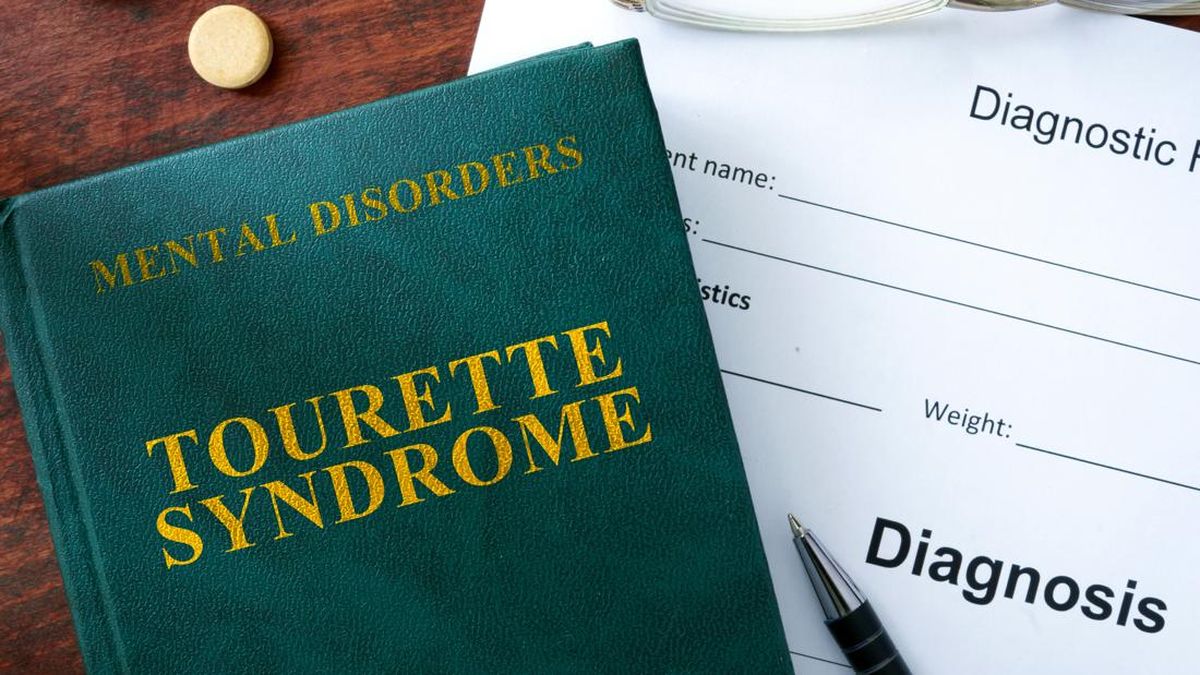
Understanding Tourette’s Syndrome
Tourette’s Syndrome is a neurological disorder characterized by involuntary, repetitive, and sudden vocalizations or movements known as "tics." These tics can range in severity and type, from simple vocalizations like grunting or throat-clearing to more complex vocal tics, such as uttering words or phrases, and motor tics, including blinking, shrugging, or jerking limbs. The condition is not fully understood, but it is believed to involve a combination of genetic and environmental factors affecting the brain’s nerve pathways.
Triggers for tics can include stress, anxiety, fatigue, excitement, or even illness. For individuals with Tourette’s, these outbursts are not intentional acts of defiance or malice but rather involuntary responses that they often have little control over. The severity and frequency of tics can fluctuate daily, making it challenging for individuals and those around them to predict or manage. Support organizations, such as the Tourette Association of America, emphasize the importance of understanding and accommodations for individuals with Tourette’s Syndrome to ensure their full participation in society.
Chronology of the Incident
- Pre-Flight Notification: Martyn Entwistle contacted British Airways prior to the scheduled flight to inform them of his son Mason’s Tourette’s Syndrome and his associated anxiety regarding air travel. He reportedly provided documentation of Mason’s condition.
- At the Departure Gate: While queuing for the flight to Alicante, Mason experienced an involuntary outburst of tics, shouting the word "bomb" multiple times due to his heightened anxiety.
- Denial of Boarding: A British Airways manager prevented the Entwistle family, consisting of ten members, from boarding the aircraft, citing security concerns.
- Police Intervention: Armed police officers were called to the scene and escorted the family, including Mason, his parents, and his infant sibling, from the airport terminal.
- Family’s Response: The family incurred significant financial loss due to the canceled flights. Martyn Entwistle subsequently rebooked flights with a different airline to ensure the family could still take their planned holiday.
- Airline’s Statement: British Airways issued a statement expressing regret and attributing their decision to complex safety considerations in a dynamic situation.
Supporting Data and Context
The incident raises critical questions about how airlines and security personnel are trained to handle individuals with hidden disabilities. According to the UK’s Department for Transport, airlines have a legal obligation to make reasonable adjustments for passengers with disabilities. This includes providing assistance and ensuring that passengers are not discriminated against based on their condition.
The sunflower lanyard system, adopted by many UK airports and retailers, is designed to discreetly indicate that an individual may require additional assistance or understanding. The fact that Mason was wearing one, coupled with his father’s prior notification to the airline, underscores the family’s efforts to ensure a smooth travel experience.
Financial losses incurred by the family, estimated at over £6,400 (approximately $8,000 USD) for the original tickets and rebooking, highlight the tangible consequences of such incidents for affected individuals and families. This financial burden, combined with the emotional distress, underscores the significant impact of the airline’s decision.
Reactions and Implications
The family’s accusations of discrimination have resonated with disability advocacy groups. Sarah Jenkins, a spokesperson for the National Autistic Society, commented, "This incident is deeply concerning. It highlights the urgent need for more comprehensive training for airline staff on recognizing and appropriately responding to individuals with neurodevelopmental conditions. A blanket refusal based on a single, involuntary utterance, especially when prior notification was given, can be devastating for the individual and their family."
The case also brings to light the broader societal challenge of public perception and understanding of Tourette’s Syndrome and other invisible disabilities. Misconceptions can lead to fear and suspicion, particularly in high-security environments like airports.
British Airways, in its official statement, conveyed regret for the situation, stating: "We understand this was a distressing situation for the family. Our decision was made due to the complex safety and security considerations at the time. We are reviewing the circumstances of this incident to ensure our procedures are as effective and sensitive as possible for all our passengers."
The airline’s response, while acknowledging regret, emphasizes the "complex safety and security considerations." This suggests a potential conflict between strict security protocols and the need for compassionate and informed handling of passengers with disabilities. The implication is that while security is paramount, the interpretation and application of security measures must be nuanced enough to accommodate individuals with involuntary medical conditions.
Broader Impact and Future Considerations
This incident serves as a stark reminder of the ongoing need for enhanced awareness and training within the aviation industry regarding disability inclusion. The emotional toll on Mason, a young boy already navigating a challenging neurological condition, is significant. His father’s determination to ensure his son is not defined by his disability is a powerful testament to parental advocacy.
The implications extend beyond this single flight. It prompts a critical examination of:
- Training Protocols: Are airline staff adequately trained to identify hidden disabilities and respond with sensitivity and understanding, rather than immediate suspicion?
- Security Procedures: How can security measures be implemented in a way that balances safety with the rights and needs of passengers with conditions like Tourette’s Syndrome?
- Communication Channels: Were the pre-flight notifications adequately addressed and communicated to the ground staff and crew responsible for boarding?
- Complaint and Resolution Mechanisms: What recourse do passengers have when they believe they have been unfairly treated due to a disability?
The Entwistle family’s hope that this incident will serve as a valuable lesson for airline staff worldwide is a sentiment shared by many advocating for greater inclusivity. Moving forward, it is crucial for airlines to invest in robust training programs that foster empathy, understanding, and appropriate responses to passengers with diverse needs, ensuring that travel remains an accessible and positive experience for everyone. The incident underscores the critical importance of recognizing that a disability is not a threat, and that individuals living with such conditions deserve respect, understanding, and equitable treatment.