Nasution Nanang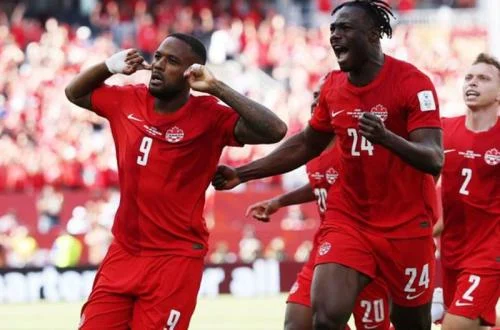
Toronto, Canada – National Team Head Coach Jesse Marsch has unequivocally stated that Canada’s 1-1 draw against Bosnia-Herzegovina in their opening Group B fixture of the 2026 FIFA World Cup campaign serves as a critical learning experience for his squad. The highly anticipated encounter, held at BMO Field in Toronto on Friday, saw Canada battle back from a deficit to secure a single point, a result Marsch believes will be instrumental in shaping the team’s trajectory moving forward.
"We have to ensure we learn from today. We will continue to strive for improvement," Marsch remarked, as quoted by FIFA’s official website on Saturday. His comments underscore a pragmatic approach, emphasizing growth and adaptation in the nascent stages of what promises to be a demanding tournament cycle. The draw places both Canada and Bosnia-Herzegovina temporarily atop Group B with one point apiece, setting a tense tone for the fixtures to come.
Match Chronology and Key Moments
The build-up to this inaugural Group B match was charged with anticipation. For Canada, co-hosting the 2026 World Cup alongside the United States and Mexico, every competitive fixture carries immense weight, not only for points but also for national pride and team cohesion. Marsch, appointed to lead the Reds into this monumental period, faced his first significant test in a competitive setting. The atmosphere at BMO Field was electric, with Canadian supporters eager to witness their team make a strong statement on home soil.
From the outset, the match proved to be a cagey affair. Bosnia-Herzegovina, known for their disciplined defense and opportunistic attacking play, demonstrated their intent early on. Their tactical setup aimed to stifle Canada’s creative midfielders and fast wingers, effectively disrupting the rhythm Marsch’s side sought to establish. The Canadian team, still adapting to Marsch’s high-intensity pressing philosophy, struggled to find their fluidity in the opening exchanges.
The visitors capitalized on a lapse in Canadian concentration in the first half. A well-executed counter-attack saw Jovo Lukic break through the Canadian defense, calmly slotting the ball past the goalkeeper to give Bosnia-Herzegovina a surprising lead. The goal, coming against the run of what many expected to be a dominant Canadian performance, visibly deflated the home crowd and put Marsch’s tactical acumen under immediate scrutiny. Bosnia-Herzegovina’s lead held firm as the teams headed into the halftime break, leaving Marsch with a significant challenge to address in the dressing room.
The second half, however, painted a different picture. Whatever instructions Marsch delivered during the interval clearly resonated with his players. Canada emerged with renewed vigor, displaying a significantly higher tempo and a more aggressive approach. They began to press Bosnia-Herzegovina higher up the pitch, winning possession in dangerous areas and creating more coherent attacking movements. The introduction of substitutes, which Marsch later highlighted, played a crucial role in altering the game’s dynamics. These fresh legs injected pace and creativity, forcing Bosnia-Herzegovina deeper into their own half.
The sustained pressure finally paid dividends in the 78th minute. A well-worked move culminated in Cyle Larin finding the back of the net, unleashing a powerful shot that beat the Bosnian goalkeeper and sent the home crowd into raptures. The equalizer was a testament to Canada’s resilience and their ability to adjust mid-game. Buoyed by the goal, Canada pushed for a winner in the remaining minutes, creating several dangerous opportunities. However, Bosnia-Herzegovina’s defense, though stretched, held firm, and the match concluded with the score deadlocked at 1-1.
Jesse Marsch’s Post-Match Assessment: A Tale of Two Halves
Marsch’s post-match analysis was characterized by a frank assessment of his team’s performance, particularly singling out the first half for criticism. He pinpointed a distinct lack of aggression and tactical discipline that allowed Bosnia-Herzegovina to dictate terms and ultimately score. "We gave them too much space in the first half," Marsch elaborated, "which allowed them to develop their game and find the opening goal. Our intensity was not where it needed to be, and we were punished for it." This candid admission highlights Marsch’s commitment to holding his players accountable and instilling a demanding standard.
However, the American coach was equally quick to praise the significant turnaround witnessed in the second half. He lauded the improved intensity and tactical adjustments made by players like Jonathan David and his teammates. "We felt like we had taken control of the game," Marsch explained, detailing the shift in momentum. "We started pressing effectively, and the substitutions we made were crucial in changing the flow of the match. I told them at halftime, ‘We have them now, it’s time to keep attacking.’" This statement reflects Marsch’s strategic thinking and his ability to motivate his squad to execute tactical shifts under pressure.
Marsch’s philosophy typically involves a high-pressing, energetic style of play, designed to overwhelm opponents and create turnovers in advanced positions. While glimpses of this were evident in the second half, the initial struggles suggest that the team is still in the process of fully internalizing his methods. The coach’s emphasis on learning from this experience is not merely a platitude but a core tenet of his coaching methodology, aimed at refining the team’s tactical execution and mental fortitude as they progress towards the pinnacle of international football.
Context of the 2026 FIFA World Cup and Canada’s Role
The 2026 FIFA World Cup represents an unprecedented opportunity for Canadian soccer. As one of the three co-host nations, Canada automatically qualifies for the tournament, removing the grueling qualification process that often burdens developing football nations. This automatic berth, however, brings its own unique pressures. The expectation is not merely to participate but to perform credibly on home soil, captivating a nation that has historically viewed hockey as its primary sporting passion.
The 2026 tournament will also feature an expanded format, with 48 teams competing across 16 host cities in North America. This expansion will lead to a new group stage structure, likely involving 12 groups of four teams, followed by a Round of 32. This format change places even greater emphasis on every group stage match, as the pathway to the knockout rounds may include advancing as one of the best third-placed teams, making every point invaluable. For Canada, understanding and adapting to this new landscape will be crucial.
Canada’s footballing journey has seen a remarkable ascent in recent years. After a 36-year absence, the men’s national team qualified for the 2022 FIFA World Cup in Qatar, showcasing a generation of talent including Alphonso Davies, Jonathan David, and Stephen Eustáquio. While their performance in Qatar, which saw them exit in the group stage, provided valuable experience, it also highlighted the gap between Canadian football and the global elite. Marsch’s appointment is intended to bridge that gap, leveraging the existing talent pool and refining the team’s tactical approach to compete at the highest level. The match against Bosnia-Herzegovina, though a draw, offers early insights into the strengths and areas for improvement for this promising Canadian side.
Supporting Data and Tactical Analysis
While official match statistics were not fully detailed, the narrative of the game supports Marsch’s observations. In the first half, it is plausible that Bosnia-Herzegovina held a slight edge in possession, or at least demonstrated more effective use of their possession, resulting in more shots on target or dangerous attacks. Their ability to score first suggests a disciplined defensive setup combined with clinical finishing. Conversely, Canada’s first-half statistics likely showed higher possession but fewer clear-cut chances, indicative of their struggle to break down the opponent’s defense and a lack of penetrative runs.
The second half, however, would have seen a significant shift. Canada’s possession would likely have increased, accompanied by a surge in shots on target and overall attacking attempts. The equalizer from Cyle Larin was a statistical manifestation of this increased pressure. Furthermore, Marsch’s tactical adjustments, potentially involving pushing full-backs higher, deploying an extra attacking midfielder, or instructing a more aggressive press, would have been evident in the team’s defensive and offensive metrics. The impact of substitutes – perhaps a dynamic winger or a more direct striker – would also be reflected in the late-game statistics, showing an increase in dribbles, crosses, and passes in the final third.
From a Group B perspective, the 1-1 draw leaves both Canada and Bosnia-Herzegovina with one point. While not an ideal start for Canada, particularly at home, it is far from a disaster. A draw means avoiding a loss, which would have put immediate pressure on the team. However, with only three teams in the group, dropping points at home against a potentially weaker opponent could prove costly, depending on the strength of the third team (Qatar in this instance). The single point ensures that Canada remains in a competitive position, but also underlines the importance of securing maximum points in their upcoming fixtures.
Broader Impact and Implications
The draw against Bosnia-Herzegovina carries multiple layers of implications for Canadian football. For Jesse Marsch, this was his first competitive match as head coach, offering an immediate litmus test for his tactical philosophy and leadership. The ability to inspire a second-half comeback demonstrates his capacity to make impactful changes, yet the struggles in the first half highlight the work still needed to consistently implement his high-intensity system. This result will undoubtedly fuel discussions among fans and media regarding the team’s readiness and Marsch’s impact.
For the players, the match served as a stark reminder of the unforgiving nature of World Cup football. While the talent within the squad is undeniable, the mental fortitude and tactical discipline required at this level are paramount. The experience of falling behind and then fighting back will be invaluable for their development, fostering resilience that will be crucial in future high-stakes encounters. Players like Jonathan David and Cyle Larin, who were instrumental in the comeback, will likely gain confidence from their performances under pressure.
Looking ahead, Canada’s next challenge is against the Qatar national team. This match, scheduled for Thursday, June 18th, at BC Place in Vancouver, becomes even more critical following the draw. Qatar, as hosts of the 2022 World Cup, possess a well-organized team, often characterized by defensive solidity and quick transitions. Securing a victory against Qatar will be paramount for Canada to regain momentum, assert their dominance in the group, and lay a stronger foundation for their progression in the 2026 World Cup campaign. The pressure will be on to deliver a more complete 90-minute performance and demonstrate the consistent application of Marsch’s tactical vision.
The long-term goal for Canadian football remains to establish itself as a perennial contender on the international stage, not just a participant. The 2026 World Cup on home soil is the ultimate platform to achieve this. While the draw with Bosnia-Herzegovina was a mixed bag of performance and result, Marsch’s immediate focus on it as a "learning experience" signals a clear intent to refine, adapt, and build. The journey to 2026 will be defined by how effectively Canada integrates these lessons and transforms early challenges into stepping stones for greater success.