Nila Kartika Wati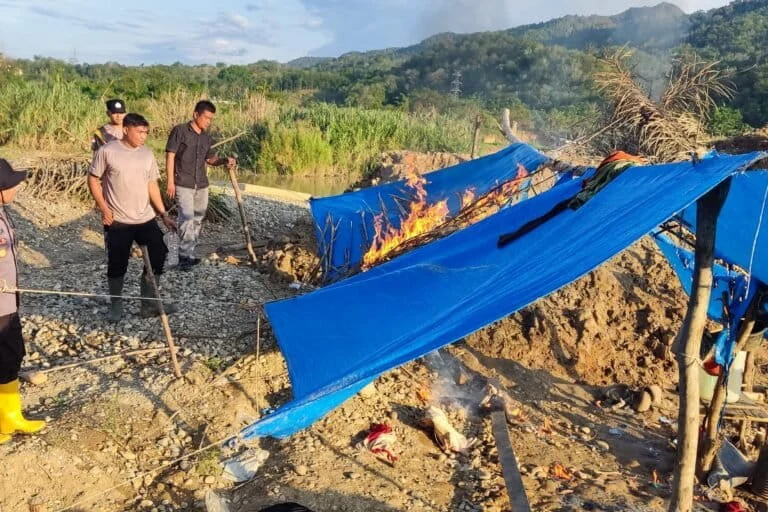
The catastrophic flash floods and landslides that tore through the province of West Sumatra in November 2025 served as a grim reminder of the fragile state of Indonesia’s natural environment. The disaster, which claimed more than 200 lives and displaced thousands, was not merely an act of nature but, according to environmental experts, the inevitable result of decades of ecological mismanagement. As recovery efforts continue, the Indonesian Forum for the Environment (Walhi) has pointed to a primary culprit behind the increased frequency and intensity of these disasters: the rampant expansion of illegal gold mining, locally known as Pertambangan Emas Tanpa Izin (PETI).
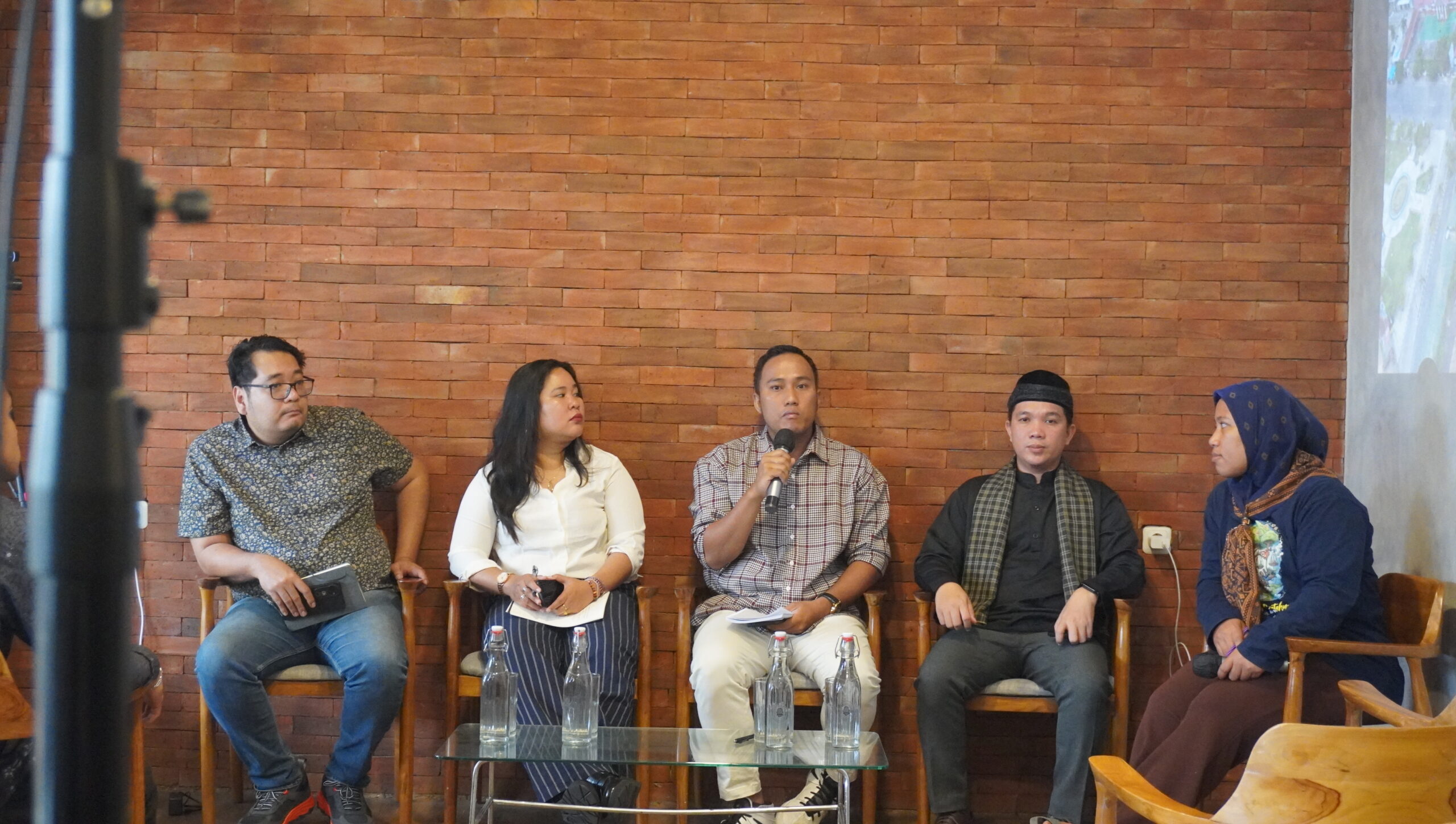
In a press conference titled "When Mines are Left Alone, Who Protects the Citizens?" held in Jakarta on June 12, 2026, Tommy Adam, the Director of Walhi West Sumatra, emphasized that the environmental degradation in the province has reached a tipping point. The destruction of the upstream regions, characterized by the clearing of forests and the excavation of riverbeds for gold, has stripped the land of its ability to absorb rainfall, leading to the devastating material flows that crushed homes, buried rice fields, and destroyed vital infrastructure during the late 2025 floods.
A Province Losing Its Green Shield
West Sumatra is home to approximately 2.2 million hectares of forest area, a vital component of the Barisan Mountain range that runs the length of Sumatra. However, this green shield is rapidly disappearing. Data compiled by Walhi reveals that between 2001 and 2025, the province lost an estimated 320,000 hectares of primary forest. The pace of deforestation appears to be accelerating; in 2025 alone, 15,000 hectares of forest were cleared.
Geographically, West Sumatra serves as the "water tower" for Central Sumatra. It contains the headwaters of three of the island’s most significant river systems: the Batanghari, the Indragiri, and the Kampar. When the forests in the West Sumatran highlands are destroyed, the consequences are felt far beyond the provincial borders. The sedimentation and loss of water retention capacity affect the downstream populations in Jambi and Riau, creating a regional ecological crisis that transcends administrative boundaries.
Among the various drivers of this degradation—including logging and land conversion for agriculture—illegal gold mining is categorized by Walhi as the most acute threat. The organization’s satellite imagery analysis indicates that more than 10,000 hectares of forest and land have been directly decimated by PETI activities. This industry is not confined to a single pocket of the province; it is widespread across nine districts and cities, including Pasaman, West Pasaman, Limapuluh Kota, Sawahlunto, Dharmasraya, South Solok, Solok, Sijunjung, and Pesisir Selatan.
The Toxic Legacy of Mercury and Lead
Beyond the visible scars on the landscape, a silent and more insidious threat is poisoning the province’s waterways. For years, illegal miners have relied on the amalgamation method to extract gold from ore, a process that involves the heavy use of mercury (Hg). This liquid metal is a potent neurotoxin that does not break down in the environment; instead, it bioaccumulates in the food chain.
Research conducted by Runi Sahara and Dwi Puryanti from Andalas University as far back as 2015 provided early warnings that went largely unheeded. Their study of the Batu Bakauik stream in Dharmasraya—part of the Batanghari river basin—found mercury levels as high as 5.198 mg/L. To put this in perspective, the government’s safe limit for mercury in water is 0.001 mg/L. The study also found lead (Pb) concentrations of 1.259 mg/L, dwarfing the quality standard of 0.03 mg/L. These findings led to the unequivocal conclusion that the water in these areas is unfit for human consumption or daily use.
The human cost of this pollution is becoming increasingly evident. A 2022 study published in Jurnal Zona, titled "Overview of Mercury Heavy Metal (Hg) in the Nails of Gold Miners in Nagari Koto Tuo, Sijunjung," revealed the direct physical impact on those working in the pits. Researchers led by Dewi Yudiana Shinta examined 13 active miners and found that every single one of them had mercury levels in their nails exceeding normal limits. The average concentration was 9.21 mg/kg, significantly higher than the typical 1-2 mg/kg found in healthy individuals.
Mercury exposure is a ticking time bomb for public health. As a neurotoxin, it attacks the central nervous system, leading to cognitive impairment, tremors, and kidney damage. Perhaps most devastatingly, it is a teratogen, meaning it can cross the placental barrier and damage developing fetuses. Uli Arta Siagian, Head of the National Walhi Campaign Division, warned that women involved in the processing of gold are at the highest risk. "The impact is not only felt today; it is a debt of health that will be paid by future generations," she stated.
The "Shadow State" and the Political Economy of Mining
The persistence of illegal mining in West Sumatra, despite its obvious dangers, is not a matter of poor rural communities simply trying to survive. Rather, experts argue it is the result of a sophisticated "shadow state" where economic and political interests converge.
Dewi Anggraini, a political science lecturer at Andalas University who has spent years researching the PETI networks in Dharmasraya and Solok, explains that these operations are governed by complex "economic-political rent" structures. These are not small-scale artisanal mines in the traditional sense; they are mechanized operations involving heavy machinery like excavators that cost hundreds of millions of rupiah to operate.
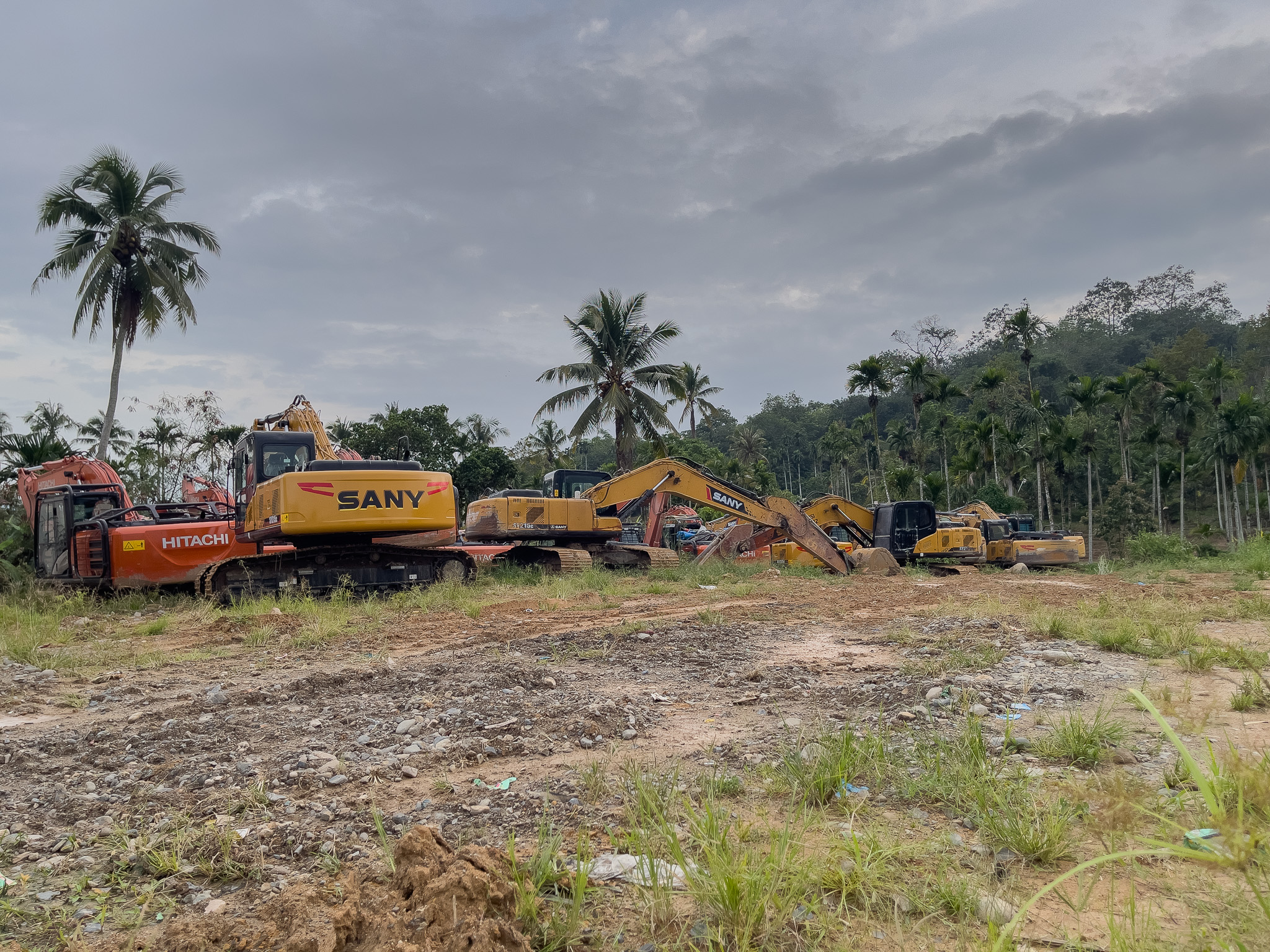
According to Anggraini, the "shadow state" consists of actors behind the scenes who provide capital, coordinate the distribution of subsidized fuel, supply heavy equipment, and ensure "security" for the sites. "When a mine is opened, there is already a clear division of roles: who provides the funds, who operates the machines, and who provides protection," she noted.
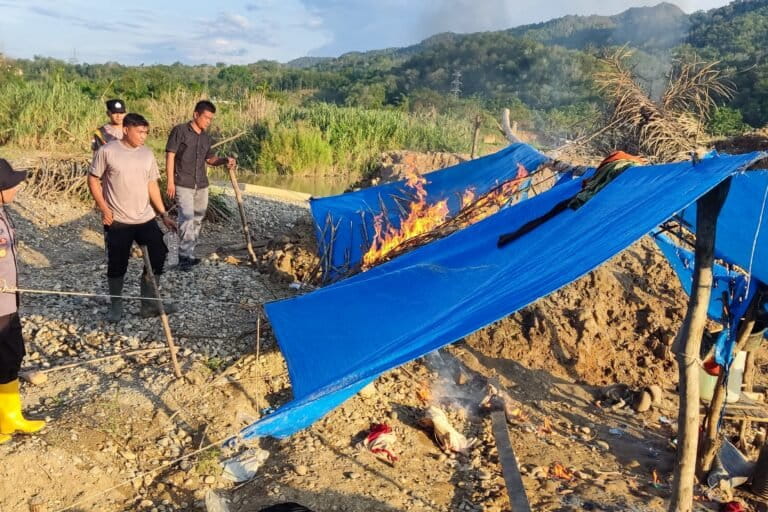
The depth of this systemic corruption was recently highlighted in a high-profile legal case in South Solok involving a "police-on-police" shooting. Court proceedings revealed allegations of a "protection racket" where mining operators reportedly paid approximately Rp 25 million per excavator to certain officials to avoid raids. Total illicit flows in that single jurisdiction were estimated to reach Rp 600 million. This evidence corroborates Walhi’s long-standing claim that illegal mining is protected by the very institutions meant to regulate it.
The boldness of these operations is staggering. In Sijunjung, Walhi discovered illegal mining activities operating a mere 60 meters from the Regent’s (Bupati) office, right along the Palangki River. Such proximity suggests a level of impunity that can only exist through the complicity or deliberate negligence of local authorities.
Challenges in Law Enforcement and the Official Response
The West Sumatra Regional Police (Polda Sumbar) maintain that they are actively working to curb PETI activities. Brigjen Pol Solihin, the Deputy Chief of Police for West Sumatra, addressed student protesters from the Indonesian National Student Movement (GMNI) on June 8, 2026, stating that the police face significant logistical hurdles. The vastness of the surveillance area and the high mobility of the miners—who often relocate their equipment as soon as a raid is rumored—make enforcement difficult.
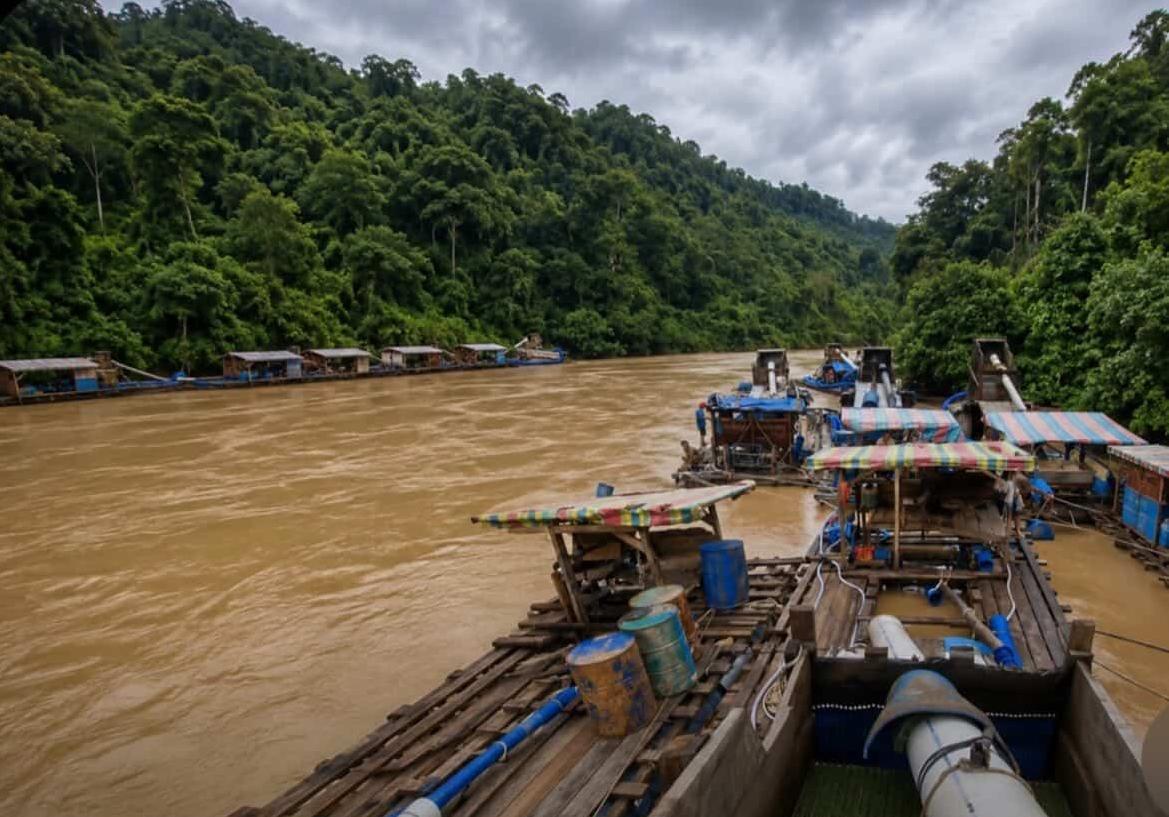
Solihin asserted that investigations are not just targeting the laborers in the field but are also attempting to trace the financiers and "controllers" behind the scenes. However, he emphasized that all legal actions must be based on sufficient evidence, which is often difficult to secure in the secretive world of illegal mineral trade.
Critics, however, argue that the state’s approach is reactive rather than preventative. Dewi Anggraini pointed out that law enforcement typically targets the "low-hanging fruit"—the manual laborers and machine operators—while the "intellectual actors" and gold collectors remain untouched. "If you want to end PETI, you must arrest the financiers, the gold collectors, and the fuel suppliers. Without cutting off the head, the body will just grow back in a different location," she said.
A Call for Radical Policy Shifts and Environmental Recovery
As the death toll from environmental disasters rises and the mercury levels in the blood of citizens climb, civil society groups are demanding more than just sporadic police raids. Walhi has laid out a series of demands for the central and provincial governments:
- Financial Crimes Approach: Move beyond simple mining law violations and utilize the Anti-Money Laundering Act (TPPU) to trace and seize the assets of the financiers behind illegal mining.
- Institutional Accountability: Evaluate the performance of local heads of districts and regional police chiefs. If illegal mining is occurring in plain sight of government offices, there must be administrative and legal consequences for the officials responsible for that jurisdiction.
- Environmental Restoration: The government must immediately begin the detoxification of river systems, particularly the Batanghari, and initiate massive reforestation projects in the "critical" zones of the nine affected districts.
- Protection of Vulnerable Groups: Implement specific health monitoring for women and children in mining areas and provide alternative sustainable livelihoods for communities currently dependent on the illegal gold economy.
The situation in West Sumatra is a microcosm of the broader struggle in Indonesia to balance natural resource wealth with ecological survival. Without a decisive break from the "shadow state" networks that profit from environmental destruction, the province faces a future of perpetual disaster. The 2025 floods were a warning; if the underlying causes—the greed and the corruption inherent in illegal mining—are not addressed, the next disaster may be even more permanent, written in the DNA of a generation poisoned by mercury.