Nasution Nanang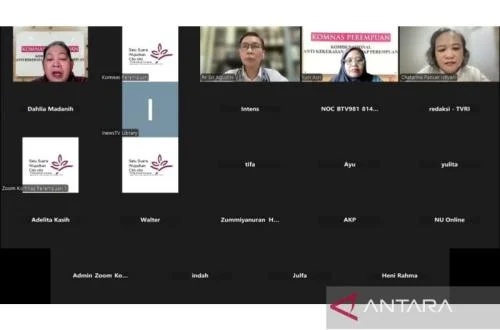
The National Commission on Violence Against Women (Komnas Perempuan) has issued a unequivocal condemnation of the brutal violence inflicted upon a 29-year-old woman identified only by her initials, YTR, in Bandung Regency, West Java. The commission has categorized the horrific incident as "extreme, sadistic, cruel, and deeply dehumanizing layered gender-based violence against women," a declaration that underscores the severe nature of the abuse and its profound impact. This definitive stance was articulated by Ratna Batara Munti, Deputy Chair of Komnas Perempuan, in Jakarta on Sunday, where she reiterated the commission’s steadfast commitment to focusing on the protection and holistic recovery of the victim from the outset of the case.
The Unwavering Stance of Komnas Perempuan
From the moment the details of YTR’s case emerged, Komnas Perempuan has maintained an unwavering position. Ratna Batara Munti emphasized that the commission’s primary objective has always been, and remains, the comprehensive protection and recovery of YTR. "We affirm that the violence experienced by YTR is layered gender-based violence against women, which is extreme, sadistic, cruel, and degrades human dignity. Komnas Perempuan’s position on this case has been firm from the beginning, focusing on efforts to protect and restore the victim. It has not changed," Ratna stated. This consistent message aims to ensure that all efforts, from legal proceedings to psychosocial support, prioritize the survivor’s well-being and long-term rehabilitation. The classification of the violence as "layered" highlights the complex interplay of various forms of abuse, potentially including physical, psychological, sexual, and economic violence, often compounded by societal vulnerabilities and power imbalances. Such cases often expose systemic failures in protecting women and underscore the urgent need for robust legal frameworks and effective enforcement mechanisms.
Deciphering Layered Gender-Based Violence
The term "layered gender-based violence" employed by Komnas Perempuan is crucial for understanding the depth and complexity of the abuse YTR suffered. It signifies that the violence was not merely an isolated act but rather a culmination of multiple forms of harm, often interconnected and exacerbated by the victim’s gender. This can include physical assault, sexual violence, psychological torment, and social degradation, all designed to control, demean, and inflict maximum suffering. The use of terms like "extreme, sadistic, cruel, and deeply dehumanizing" further indicates a level of premeditation and brutality that goes beyond typical acts of violence, pushing the boundaries of what is considered humanely tolerable. Such violence is often rooted in patriarchal norms and discriminatory attitudes that permit or even normalize the subjugation of women. In many societies, including parts of Indonesia, women are disproportionately subjected to violence due to their gender, and these acts are often perpetrated by individuals in positions of power or trust, further complicating the victim’s ability to seek help or justice.
The Devastating Impact: Permanent Disability
The severity of the violence inflicted upon YTR has left her with profound and lasting consequences, including permanent disability. Ratna Batara Munti highlighted that "this case has also resulted in extraordinary suffering and permanent disability for the victim." This outcome underscores the critical need for not only immediate medical intervention but also long-term rehabilitative care, encompassing physical therapy, psychological counseling, and social support to help YTR navigate her new reality. Permanent disability arising from violence is a tragic testament to the destructive power of such acts, often leading to a diminished quality of life, loss of independence, and ongoing emotional trauma. The journey to recovery for survivors of extreme violence is arduous, requiring sustained support from family, community, and professional services. It also places a significant burden on healthcare systems and social welfare programs, which must be adequately equipped to address the complex needs of survivors. The implications of permanent disability extend beyond the individual, affecting families and communities, and highlighting the societal cost of unchecked violence.
Clarifying the Controversial Statement: The CAT Context
Komnas Perempuan also took the opportunity to address a previous statement regarding YTR’s case that had sparked public debate and controversy. Ratna Batara Munti clarified that the contentious remarks were made within a specific context: a dialogue concerning the Convention Against Torture and Other Cruel, Inhuman or Degrading Treatment or Punishment (CAT). "Our statement at the International Anti-Torture Day press conference on June 26, 2026, the statement made regarding the category of torture was related to the context of a dialogue discussing the Convention Against Torture (CAT)," she explained. This clarification is vital for understanding the legal and human rights framework through which Komnas Perempuan analyzes such cases. The CAT, a key international human rights treaty, defines torture as any act by which severe pain or suffering, whether physical or mental, is intentionally inflicted on a person for such purposes as obtaining from him or a third person information or a confession, punishing him for an act he or a third person has committed or is suspected of having committed, or intimidating or coercing him or a third person, or for any reason based on discrimination of any kind, when such pain or suffering is inflicted by or at the instigation of or with the consent or acquiescence of a public official or other person acting in an official capacity. While YTR’s case might not involve state actors, the principles and definitions of extreme suffering and dehumanization outlined in CAT provide a robust framework for assessing the severity and nature of the violence. Komnas Perempuan’s reference to CAT aimed to elevate the discussion to an international human rights standard, emphasizing that such brutal acts constitute grave violations of human dignity, regardless of the perpetrator’s status. The controversy likely arose from a misunderstanding of this legal context, potentially leading some to believe the commission was downplaying the gender-based aspect or shifting blame. However, by linking the violence to international torture standards, Komnas Perempuan sought to underscore its extreme nature and the universal condemnation it warrants.
Chronology of Response and Legal Action
While specific dates for YTR’s incident were not provided in the original statement, the context of the June 26th press conference suggests that the case had likely been ongoing for some time, with initial reports and interventions preceding Komnas Perempuan’s public condemnation. Typically, in cases of severe violence, the chronology of response involves several critical stages. Initially, the incident would be reported to local authorities, often the police. Following the report, law enforcement would initiate an investigation, which includes gathering evidence, interviewing witnesses, and potentially apprehending suspects. Concurrently, medical assistance would be sought for the victim, with hospitals playing a crucial role in providing emergency care, documenting injuries, and offering initial psychological support. As the case progresses through the legal system, prosecutors would review the evidence to determine appropriate charges, leading to potential arrests and subsequent court proceedings. Throughout this process, non-governmental organizations (NGOs) and victim support groups often provide essential services, including legal aid, psychosocial counseling, and safe housing. Komnas Perempuan’s involvement typically begins once the severity of the case comes to their attention, often through media reports, direct complaints, or referrals from other agencies. Their role involves monitoring the handling of the case, advocating for the victim’s rights, ensuring due process, and pushing for comprehensive recovery efforts. The mention of "rapid movement" by law enforcement and local government implies that the initial response to YTR’s case was timely and coordinated, which is crucial for preserving evidence and providing immediate support to the survivor.
A Call for Coordinated Action: Appreciation and Support
Komnas Perempuan extended its profound appreciation and full support to all parties that have acted swiftly and cohesively in handling the legal processes and recovery efforts for YTR. Ratna Batara Munti specifically acknowledged the vital contributions of various stakeholders: "Komnas Perempuan supports all parties that have carried out immediate and integrated efforts, for the role of hospitals, and companions, also the community, local government, law enforcement who moved quickly so that the victim could be handled well." This recognition highlights the critical importance of a multi-sectoral and integrated approach to combating gender-based violence. The synergy between different elements – medical professionals providing life-saving care and documenting injuries, victim companions offering emotional and practical support, local communities fostering a safe environment, local government allocating resources, and law enforcement ensuring justice – is indispensable. Such collaborative efforts are crucial not only for the immediate crisis management but also for the long-term rehabilitation and reintegration of survivors. Without a unified front, victims often face additional barriers in accessing justice and healing, risking re-victimization or further trauma. Komnas Perempuan’s commendation serves as an implicit call for continued and strengthened inter-agency cooperation, emphasizing that the fight against gender-based violence is a collective responsibility that demands concerted action from all levels of society.
Broader Landscape of Gender-Based Violence in Indonesia
YTR’s case, while horrific, is unfortunately not an isolated incident but reflects a broader, persistent challenge of gender-based violence in Indonesia. According to Komnas Perempuan’s annual reports, thousands of cases of violence against women are reported each year, encompassing domestic violence, sexual violence, trafficking, and violence in public spaces. For instance, the 2022 Annual Records of Komnas Perempuan documented over 338,000 cases of violence against women across various settings, with intimate partner violence and sexual violence remaining alarmingly prevalent. These statistics, however, are often considered the tip of the iceberg, as many cases go unreported due to fear, shame, lack of awareness, or distrust in the justice system. Societal norms, cultural practices, and economic disparities often contribute to the vulnerability of women and girls, perpetuating cycles of violence. Despite legislative advancements, such as the recently enacted Law on the Eradication of Sexual Violence (Undang-Undang Tindak Pidana Kekerasan Seksual – UU TPKS), challenges persist in its effective implementation, particularly in ensuring prompt investigations, victim-centered judicial processes, and comprehensive rehabilitation services. The TPKS Law, ratified in 2022, is a landmark achievement, providing a more comprehensive legal framework for addressing sexual violence, including new definitions of offenses and stronger victim protection measures. However, its effectiveness hinges on adequate resources, training for law enforcement and judicial personnel, and a shift in societal attitudes towards victim blaming and gender stereotypes. Cases like YTR’s underscore the urgent need for continued advocacy, public education, and systemic reforms to create a society where women can live free from fear and violence.
The Imperative for Prevention and Systemic Change
Beyond addressing individual cases, Komnas Perempuan and other human rights advocates consistently emphasize the imperative for systemic change and robust prevention strategies. The focus must shift from merely reacting to violence to proactively dismantling its root causes. This involves comprehensive public education campaigns to challenge harmful gender stereotypes and promote respectful relationships from an early age. It also requires strengthening economic empowerment for women, ensuring equal access to education and employment, which can reduce their vulnerability to exploitation and abuse. Furthermore, legal and institutional reforms are crucial, including improving police responses to gender-based violence, ensuring swift and fair judicial processes, and providing adequate funding for victim support services. The role of local communities in fostering safe environments and challenging patriarchal norms cannot be overstated. Community leaders, religious figures, and civil society organizations play a vital role in raising awareness, providing informal support networks, and advocating for change at the grassroots level. The media also bears a significant responsibility in reporting on such cases ethically, avoiding sensationalism, and focusing on the systemic issues rather than inadvertently re-victimizing survivors. The implications of YTR’s case, particularly the permanent disability she sustained, serve as a stark reminder of the long-term consequences of inaction and the profound need for a society-wide commitment to eradicating all forms of gender-based violence. It necessitates a continuous dialogue on human rights, dignity, and the fundamental right of every individual to live free from violence and torture.
In conclusion, Komnas Perempuan’s resolute condemnation of the extreme, layered gender-based violence against YTR in Bandung Regency sends a clear message about the unacceptability of such brutality. The commission’s unwavering focus on victim protection and recovery, coupled with its clarification regarding the context of international anti-torture conventions, underscores a sophisticated and rights-based approach to tackling severe human rights violations. While appreciating the coordinated efforts of various stakeholders, this tragic case serves as a powerful call to action for all segments of Indonesian society to strengthen prevention mechanisms, ensure effective legal enforcement, and provide comprehensive support systems to survivors, ultimately striving for a future where no woman endures such horrific suffering.