Tata Titiana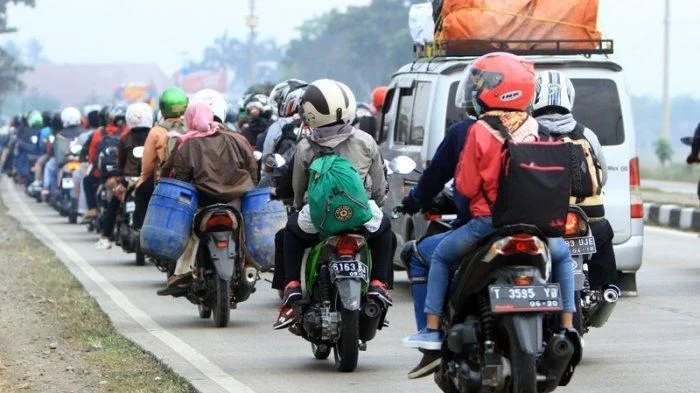
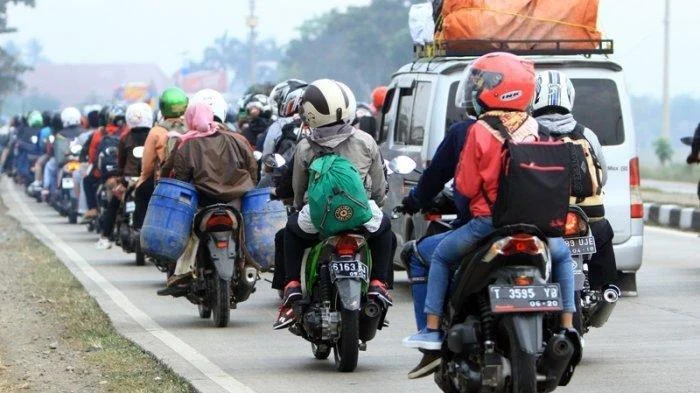
Jakarta, Indonesia – In a significant policy shift from the previous year, the Indonesian government has announced that citizens will be permitted to travel to their hometowns for Eid al-Fitr (Idul Fitri) celebrations in 1442 Hijri, which falls in May 2021. This announcement, made by Minister of Transportation Budi Karya Sumadi during a working meeting with Commission V of the House of Representatives (DPR RI) on Tuesday, March 16, 2021, marks a departure from the stringent travel bans imposed in 2020 due to the escalating COVID-19 pandemic. However, the decision has been met with cautious optimism and significant concern from public health experts, who warn of potential surges in coronavirus transmission.
The Ministry of Transportation (Kemenhub) has emphasized that this is not an encouragement for the public to undertake travel, as the ministry does not possess the authority to issue such directives. Instead, the government is working in collaboration with the COVID-19 Handling Task Force (Gugus Tugas Covid-19) to develop a comprehensive mechanism for Eid travel. The primary objective of this mechanism is to prevent the pilgrimage from becoming a catalyst for the spread of COVID-19, particularly into rural communities, which may have less access to healthcare facilities.
According to an Instagram post by Minister Budi Karya Sumadi, the government plans to consult with various stakeholders to ensure a conducive travel season. Key measures under consideration include the tightening of travel requirements and enhanced tracing protocols. This signals a delicate balancing act between facilitating cultural traditions and safeguarding public health.
A Shift in Policy: From Strict Ban to Conditional Permission
The contrast with Eid al-Fitr in 2020 is stark. Last year, as the novel coronavirus swept across the globe and Indonesia grappled with its initial outbreak, the government imposed a nationwide ban on "mudik" (the annual homecoming tradition) to curb the virus’s spread. This ban, enforced from April 24 to June 1, 2020, aimed to prevent millions of Indonesians from traveling across the archipelago, a move that significantly disrupted long-held family and cultural practices. The economic impact on transportation sectors and businesses reliant on the mudik season was considerable.
The decision to permit travel in 2021 appears to be influenced by several factors. One key consideration is the ongoing national vaccination program, which commenced in January 2021. The government may be operating under the assumption that increased vaccination coverage will provide a sufficient level of herd immunity to mitigate the risks associated with increased population mobility. However, the pace and reach of the vaccination program remain critical variables. As of early 2021, vaccination rates, while progressing, were still far from achieving widespread population immunity.
Furthermore, the government acknowledges the deep cultural and emotional significance of the mudik tradition for Indonesians. Eid al-Fitr is a pivotal moment for families to reunite, and the inability to do so in 2020 caused widespread disappointment and hardship. The 2021 decision may also reflect a recognition of the economic necessity for certain sectors that depend on the surge of travel during this period.
Navigating the Path Forward: Conditions and Protocols
Minister Budi Karya Sumadi outlined several key conditions and protocols that will govern mudik travel for Eid al-Fitr 2021:
-
Stringent Health Protocols: The paramount requirement is the strict adherence to health protocols at every stage of the journey. This includes rigorous implementation at departure points, throughout the travel period, and upon arrival at the destination. These protocols are expected to encompass mandatory mask-wearing, physical distancing, regular disinfection of transportation facilities and infrastructure, passenger limits in vehicles, and staggered service schedules.
-
Enhanced Tracing and Screening: To anticipate potential surges in passenger numbers, authorities will implement intensified tracing mechanisms. This involves monitoring individuals who may have come into contact with infected persons and ensuring prompt isolation or testing.
-
Shortened Validity of Screening Tests: The validity period for screening tests, such as rapid antigen tests, will be shortened. This measure aims to ensure that travelers present the most up-to-date health status and reduce the window of opportunity for asymptomatic carriers to travel undetected. The government is exploring the use of rapid diagnostic tools like GeNose at various transportation hubs, including terminals, stations, and airports.
The Ministry of Transportation is committed to ensuring that the travel mechanism remains conducive and does not become a vector for virus transmission. This requires a collective effort, and the public is urged to exercise a high degree of personal responsibility and compliance with all health guidelines for the collective good.
Expert Concerns: The Lingering Threat of Transmission
Despite the government’s efforts to establish protocols, the decision to permit mudik travel has been met with skepticism from public health experts. Epidemiologists warn that the potential for COVID-19 transmission remains significant, especially given the ongoing pandemic and the still-developing vaccination landscape.
Dr. Riris Andono Ahmad, an epidemiologist from Universitas Gadjah Mada (UGM), expressed concerns, suggesting that the decision might be based on an overestimation of the impact of current vaccination coverage. He argued that the primary determinant of transmission is not solely the availability of vaccines but rather the consistent adherence to health protocols by travelers.
"The problem isn’t so much the protection offered by immunization, but rather if travelers do not adhere to health protocols, COVID-19 transmission will continue to occur, just as it did before vaccination," Dr. Ahmad stated, as quoted by merdeka.com.
He further highlighted the critical role of transportation choices. While government-facilitated public transportation hubs are being equipped with screening tools and subject to stricter oversight, the greater concern lies with private vehicle usage. Without stringent monitoring, individuals traveling in private cars may pose a higher risk of spreading the virus to their destination communities. Therefore, Dr. Ahmad recommended that travelers opt for public transportation options that are more easily monitored by the authorities, allowing for quicker intervention if any issues arise.
The effectiveness of the vaccination program in curbing transmission is also a point of discussion. While vaccines significantly reduce the risk of severe illness and death, they do not entirely eliminate the possibility of infection or transmission. Therefore, even vaccinated individuals are advised to continue practicing all public health measures diligently.
Analyzing the Implications: Balancing Tradition, Economy, and Health
The government’s decision to allow mudik Lebaran 2021 presents a complex set of implications that will unfold in the coming weeks.
-
Public Health Risks: The most immediate concern is the potential for a resurgence of COVID-19 cases, particularly in rural areas. The influx of travelers from urban centers, which often have higher infection rates, could overwhelm local healthcare systems and lead to widespread outbreaks. The emergence of new variants, which may be more transmissible or resistant to vaccines, further amplifies this risk.
-
Economic Considerations: The mudik season is a significant economic driver for Indonesia, supporting various sectors including transportation, hospitality, and small businesses. Allowing travel can provide a much-needed boost to these industries, which have been severely impacted by the pandemic. However, the economic benefits must be weighed against the potential costs of increased healthcare burdens and potential future lockdowns if outbreaks become severe.
-
Social and Cultural Impact: The ability to celebrate Eid al-Fitr with loved ones is deeply ingrained in Indonesian culture. Allowing mudik facilitates the preservation of these traditions, which are vital for social cohesion and familial bonds. The psychological well-being of individuals who have been separated from their families for an extended period is also a factor.
-
Government Capacity and Enforcement: The success of the conditional mudik policy hinges on the government’s capacity to effectively implement and enforce the stipulated protocols. This includes ensuring widespread availability of testing facilities, sufficient personnel for monitoring, and clear communication channels to the public. The decentralized nature of Indonesia, with its vast archipelago and diverse communities, presents significant logistical challenges for nationwide enforcement.
The Road Ahead: A Precarious Journey
As Eid al-Fitr 2021 approaches, Indonesia stands at a critical juncture. The decision to permit mudik travel reflects a pragmatic approach that attempts to balance the deeply cherished cultural traditions with the imperative of public health. The effectiveness of this policy will ultimately depend on the collective responsibility of the government in implementing robust safety measures and the commitment of the public to adhere to them.
The government’s strategy of working with the COVID-19 Task Force, enhancing screening, and tightening protocols indicates a learning process from the challenges of the past year. However, public health experts’ persistent warnings underscore the precariousness of the situation. The coming weeks will be a crucial test for Indonesia’s ability to navigate the complexities of the pandemic while respecting its cultural heritage. The ultimate outcome will depend on meticulous planning, diligent enforcement, and a shared commitment to safety from all citizens. The hope is that the joy of reunion will not be overshadowed by a renewed surge in infections, making this Eid a celebration of both connection and resilience.