Nila Kartika Wati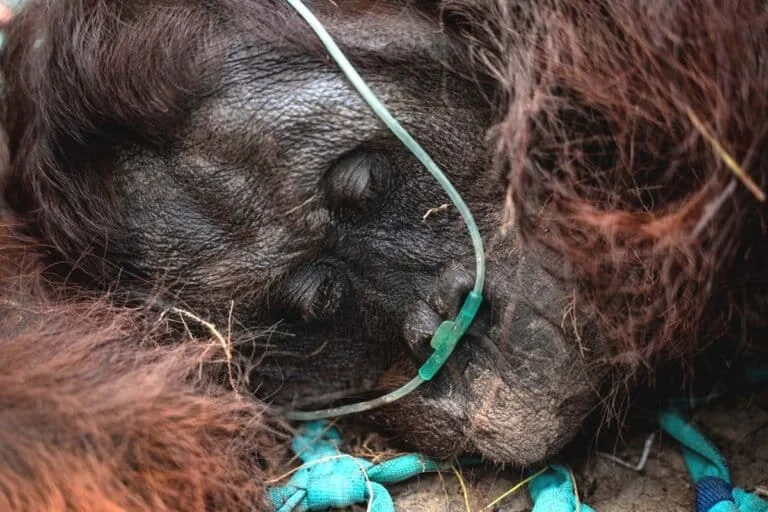
A comprehensive study conducted by an international team of researchers from Indonesia, the United Kingdom, and Germany between 2021 and 2023 has revealed a harrowing trend for the critically endangered Sumatran orangutan (Pongo abelii). According to the findings, the population of this iconic primate has suffered a significant decline, with approximately 2,700 individuals—representing 19.5% of the total population—lost between 2011 and 2023. This equates to a staggering average loss of 225 orangutans annually, or a 1.8% decline each year, signaling a rapid contraction of a species already teetering on the brink of extinction.
The Driving Force: Unchecked Habitat Degradation
The primary catalyst for this demographic collapse is the systematic destruction of natural forest cover. Over the twelve-year period analyzed, approximately 94,399 hectares of primary habitat suitable for orangutans were razed, fragmented, or converted for industrial purposes. Statistical analysis indicates that this loss of habitat accounts for 76% of the observed decline across all metapopulations of the Sumatran orangutan.
The clearing of these forests is not merely a loss of trees; it represents the destruction of a complex ecosystem essential for the orangutans’ survival. As forest corridors are severed, individual populations become isolated, limiting genetic diversity and increasing vulnerability to environmental shifts and human-wildlife conflict.
The Leuser Ecosystem: A Fragile Final Bastion
Despite the broad-scale losses, the Leuser Ecosystem remains the most critical stronghold for the survival of the Pongo abelii. The research highlights that roughly 84% of the remaining population is concentrated within this expansive landscape, with 4,935 individuals residing in the West Leuser region and 4,926 in the East Leuser region.
Of particular scientific interest is the Trumon-Singkil peat swamp area, which exhibits the highest population density recorded, at approximately 1.18 individuals per square kilometer. Conservationists emphasize that these peat swamps are not only vital for orangutans but are also carbon-rich landscapes essential for regional climate regulation. However, these areas are frequently under threat from agricultural expansion and illegal logging, which continue to chip away at the edges of this essential habitat.
Chronology of Conflict and Exploitation
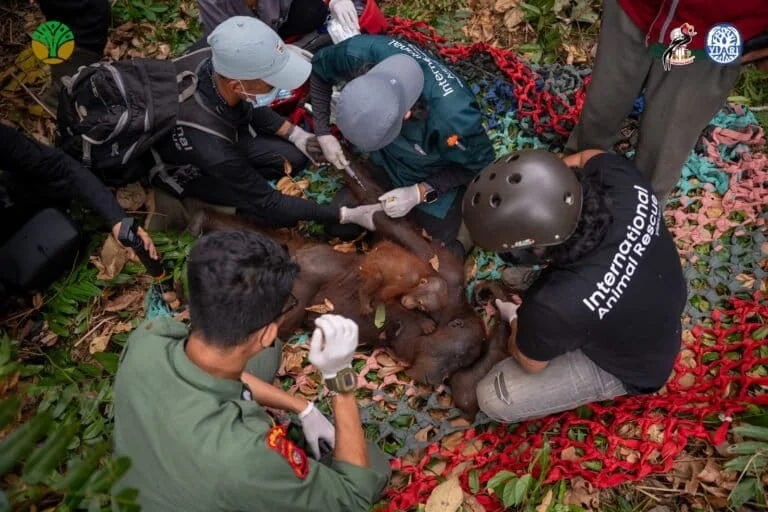
The threat to the Sumatran orangutan is multifaceted. Beyond the macro-issue of habitat loss, the species faces direct persecution through poaching, the illegal pet trade, and human-wildlife conflict. Government data covering the period from 2012 to 2024 provides a grim timeline of these interactions, documenting 319 distinct cases of conflict or rescue operations across Aceh and North Sumatra.
A particularly disturbing trend identified in the data is the seizure of 57 orangutans from private ownership. Of these confiscated individuals, at least 60% were infants under four years of age. Wildlife experts note that the presence of an infant in the illegal pet trade is an almost certain indicator that the mother was killed. Because female orangutans invest years of energy and care into raising a single offspring, the loss of an adult female represents a compounded tragedy, as it effectively removes both a reproductive individual and a juvenile from the wild population.
The Vulnerability of Unprotected Landscapes
A significant concern raised by the study is the fact that approximately 18% of the total Sumatran orangutan population exists outside of designated conservation areas. Regions such as the Rawa Tripa swamp serve as prime examples of high-value habitats that lack the robust legal protection necessary to fend off industrial encroachment.
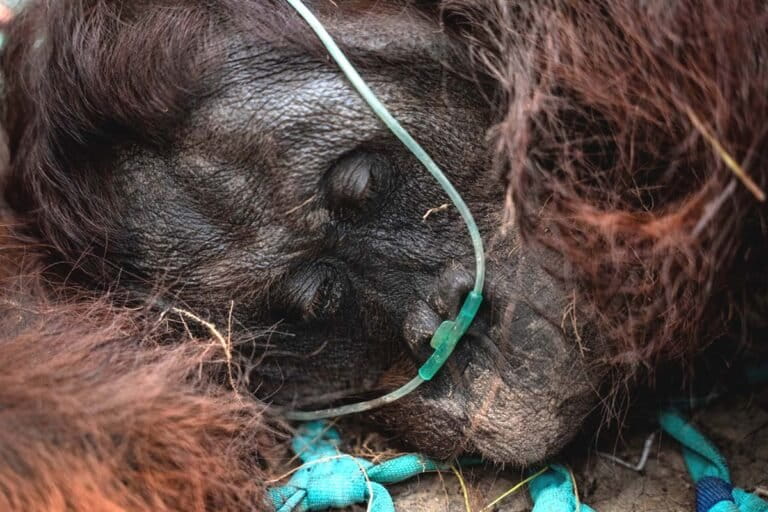
When orangutans reside in unprotected areas, they are exponentially more likely to enter into conflict with humans. As palm oil plantations and logging concessions push into these zones, orangutans are frequently viewed as pests or agricultural nuisances. This dynamic often ends in the retaliatory killing of the animals or the capture of juveniles for the illegal market.
Scientific and Conservation Perspectives
Contributing researcher Serge Wich has repeatedly emphasized that traditional conservation models—which rely on designating static protected areas—are insufficient. While legal status provides a framework, it is often undermined by a lack of enforcement and the failure to address the underlying drivers of deforestation.
Conservationists are calling for a multi-layered approach to save the species. Key recommendations from the scientific community include:
- Enhanced Law Enforcement: Increasing patrols and prosecutions for wildlife crimes, including illegal trade and habitat encroachment.
- Connectivity Restoration: Creating and protecting biological corridors that allow for the movement of individuals between isolated metapopulations.
- Landscape-Scale Management: Implementing stricter regulatory frameworks for land use, particularly in areas that currently lack formal protection but are known to host significant populations of orangutans.
- Community Engagement: Developing economic alternatives for local communities to reduce reliance on forest clearing and illegal hunting.
Broader Implications for Biodiversity
The decline of the Sumatran orangutan is a bellwether for the health of the entire Sumatran rainforest. As an "umbrella species," the orangutan requires large, intact forest tracts to survive; therefore, their protection inherently safeguards a vast array of other flora and fauna that share their habitat.
The economic and ecological implications of this loss are profound. The conversion of peatlands and forests into monoculture plantations contributes to the loss of natural water regulation, increases the frequency of forest fires, and significantly reduces the carbon sequestration capacity of the region. If the current trajectory of 1.8% annual loss continues, the future of the Sumatran orangutan in the wild is increasingly precarious.
Conclusion: A Call for Urgent Policy Shifts
The findings of this 2021-2023 study act as a diagnostic report for an ecosystem in crisis. The transition from general forest status to protected status is, by itself, an inadequate defense against the pressures of economic expansion. The data serves as a clear indicator that the current mechanisms for protecting the Sumatran orangutan are failing to keep pace with the speed of habitat loss.
Without a radical shift in how landscapes are managed—moving toward a holistic model that prioritizes the connectivity of ecosystems over the compartmentalization of land—the population will likely continue its downward trend. The survival of the remaining 84% in the Leuser Ecosystem depends on the immediate implementation of robust enforcement, the closure of existing legal loopholes for industrial developers, and a renewed commitment to restoring the fragmented landscapes that currently isolate these great apes from one another.
As the window for intervention narrows, the international community and local authorities face a decisive moment. The extinction of the Sumatran orangutan would not only be a loss for global biodiversity but a profound indictment of the global failure to balance development with the preservation of our planet’s most vital natural treasures. The evidence provided by the study is not merely a record of what has been lost, but a warning of what will surely vanish if the current course of inaction persists.