
 Nila Kartika Wati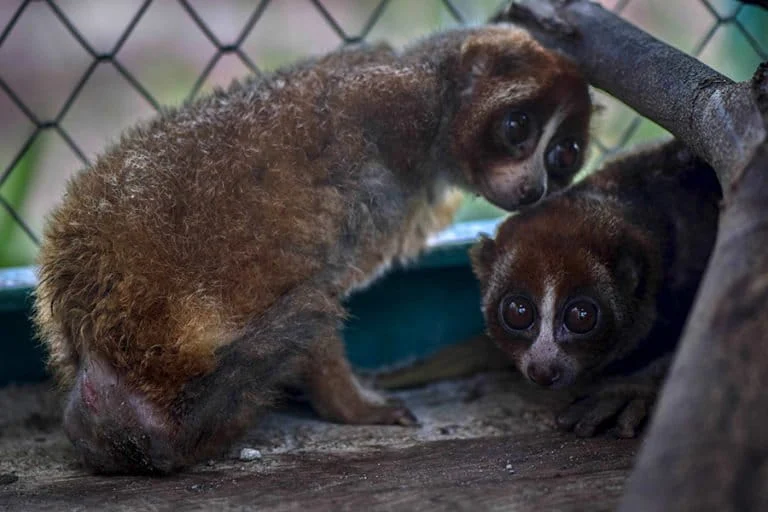
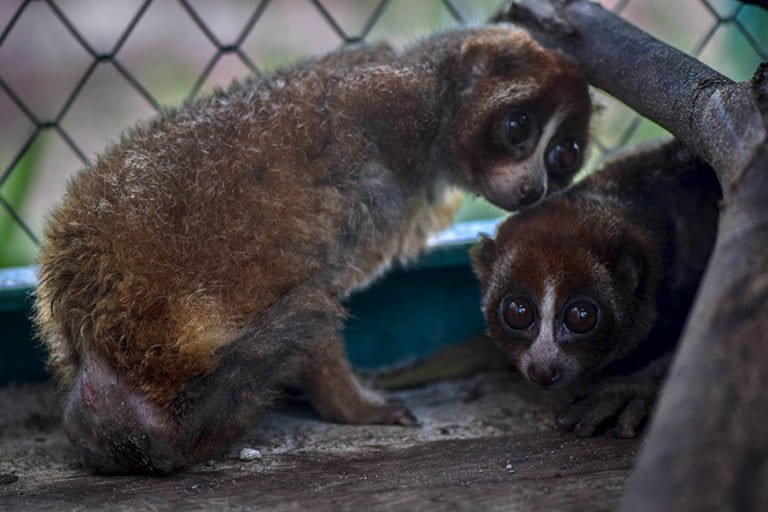
In the lush landscapes of Bangka Belitung, a traditional land-management practice known as kelekak serves as a vital ecological sanctuary. Traditionally, a kelekak is a plot of land inherited through generations, characterized by a harmonious blend of cultivated fruit trees and indigenous forest vegetation. Beyond its cultural significance as a family legacy, the kelekak has emerged as an unintended but essential refuge for the Bangka slow loris (Nycticebus bancanus), a primate species currently teetering on the brink of extinction. As the island of Bangka undergoes rapid land-use transformation, these ancestral plots represent one of the few remaining stable habitats for this elusive, nocturnal mammal.
The Ecological Significance of the Kelekak System
The kelekak is more than just a heritage site; it is a semi-agroforestry system that mimics natural forest structures. According to Randi Syafutra, a wildlife researcher from Universitas Muhammadiyah Bangka Belitung, the strength of the kelekak lies in its preservation of native forest pillars. “Within the kelekak system, the community maintains a variety of native forest trees such as nyatoh, ulin, and ara,” Syafutra explains. These trees act as critical corridors and nesting sites for the Bangka slow loris, providing a bridge between the highly fragmented primary forests and the encroaching human-dominated landscapes.
Research conducted by Syafutra between September 2017 and November 2018 in the Bangka Regency identified that the presence of the Bangka slow loris is intrinsically linked to the diversity of the kelekak flora. The study documented these primates foraging and nesting in a wide array of trees, including rubber, petai, jackfruit, cempedak, banana, durian, duku, rambutan, and the native pelawan tree. By maintaining this biodiversity, the kelekak system provides the slow loris with a consistent food source and shelter, effectively acting as an ecological buffer against the pressures of deforestation occurring elsewhere on the island.
The Dual Role of the Bangka Slow Loris
The relationship between the Bangka slow loris and the kelekak ecosystem is mutually beneficial. Scientific observations suggest that the slow loris acts as an informal gardener of the forest. By moving between trees, these primates assist in the pollination and seed dispersal of various plant species, facilitating the regeneration of the forest understory. Furthermore, they play an essential role in integrated pest management. The Bangka slow loris consumes significant quantities of insects that would otherwise threaten the health of both the forest trees and the agricultural crops cultivated by local farmers.
This symbiotic relationship implies that the disappearance of the slow loris could trigger a cascade effect within the kelekak ecosystem. Without these natural pest controllers, the resilience of the local agricultural system may decline, leading to increased reliance on chemical pesticides, which in turn could further degrade the environment. Thus, the conservation of the Bangka slow loris is not merely an act of wildlife protection; it is a strategy for maintaining the long-term productivity of the land.
The Dire Status of the Bangka Slow Loris
Despite their importance, the Bangka slow loris is classified as Critically Endangered on the IUCN Red List. The species faces a multifaceted crisis driven by habitat loss, illegal wildlife trade, and local superstitions. The expansion of oil palm plantations, large-scale mining operations, and rapid residential development have severely fragmented the natural habitat of the Bangka slow loris.
Data from the field indicates a steady decline in the population of these nocturnal primates. Syafutra notes that the conversion of native forests and traditional kelekak into industrial-scale plantations and mining sites has left the species with nowhere to retreat. “The population is clearly in decline,” he says. “The transformation of their habitat into oil palm estates and residential zones has effectively pushed them to the edge of survival.”
Beyond the loss of physical habitat, the Bangka slow loris is targeted for its perceived mystical properties. In certain parts of Bangka, a persistent belief holds that oil derived from the slow loris possesses magical, often malevolent, powers. This cultural demand has fueled a localized trade that is difficult to monitor and curb.
Chronology of Conservation Efforts and Illegal Trade
The struggle to protect the Bangka slow loris has been an ongoing battle for wildlife organizations. Langka Sani, Chairman of the Alobi Foundation’s Wildlife Rescue Center (PPS), has been at the forefront of these efforts. Over the three-year period leading up to 2022, the Alobi Foundation documented the intake of approximately 50 Bangka slow lorises. The majority of these animals were handed over by members of the public, either as voluntary surrenders or following rescue operations from illegal wildlife traders.
A recurring theme in the illegal trade of the Bangka slow loris is the use of social media platforms to facilitate transactions. Despite increased monitoring, the digital marketplace remains a significant conduit for the illegal pet trade. In a milestone for local conservation, the Alobi Foundation, in collaboration with government authorities, successfully released four rehabilitated slow lorises into the Bangka Island Outdoor Protected Forest in February 2022. While these releases are celebratory, they serve as a stark reminder of the fragile nature of the species’ existence in the wild.
The Path Toward Habitat Preservation
Experts are increasingly shifting the focus of conservation from individual animal rescue to landscape-level habitat protection. Langka Sani emphasizes that rescue and release programs are merely temporary solutions if the underlying habitat remains unprotected. “The most critical aspect is the protection of the habitat itself,” Sani states. “The kelekak must be maintained, protected, and legally recognized as a vital component of the regional environmental strategy.”
The concept of "community-based conservation" is being touted as the most viable path forward for the Bangka slow loris. By integrating the kelekak system into the formal regional spatial planning of the Bangka Belitung government, policymakers could provide a legal framework to protect these lands from industrial encroachment. If the kelekak is categorized as a high-conservation-value area, it would grant landowners the resources and legal backing to resist the pressure of selling their land for mining or plantation development.
Broader Implications and Future Outlook
The case of the Bangka slow loris and the kelekak system highlights a broader, global challenge: the struggle to balance economic development with the preservation of indigenous land-management practices that inherently support biodiversity. In many parts of Southeast Asia, traditional agroforestry systems are the last line of defense for threatened species.
The economic implications of losing the kelekak are significant. If these systems are replaced by monoculture plantations, the region loses its biodiversity, its traditional heritage, and the ecosystem services—such as pollination and pest control—that sustain the local population. A policy analysis suggests that investing in the preservation of kelekak could actually yield long-term economic benefits by promoting sustainable agro-tourism and ensuring the continued health of the soil and water systems.
As of 2024, the situation remains critical. Without robust enforcement against the illegal pet trade and the inclusion of kelekak in land-use conservation strategies, the Bangka slow loris faces a high probability of local extinction. However, the existing efforts by the Alobi Foundation and researchers like Syafutra provide a roadmap. By combining grassroots community engagement with scientific data and legal protection, there is still a window of opportunity to safeguard this unique primate.
Ultimately, the survival of the Bangka slow loris is a litmus test for the environmental conscience of the Bangka Belitung region. Whether these ancestral plots of land continue to shelter one of the most vulnerable species on Earth, or fall to the expansion of industrial interests, will depend on the commitment of stakeholders to recognize that the kelekak is not just a relic of the past, but a necessity for the future.









