
 Nila Kartika Wati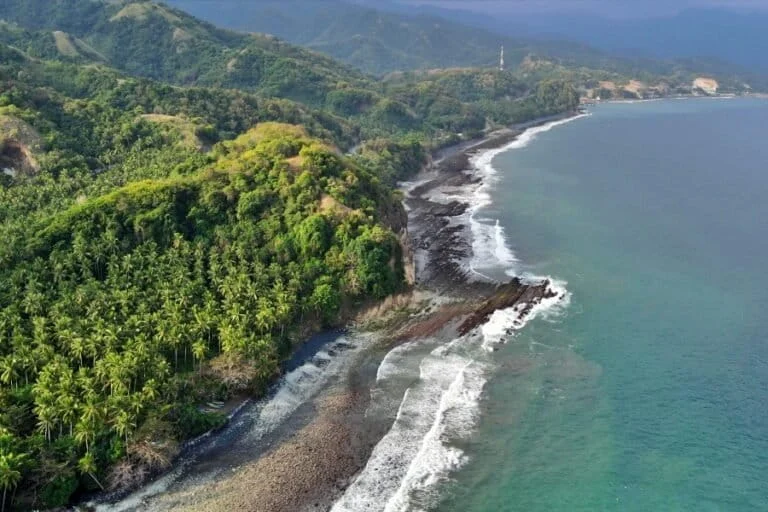
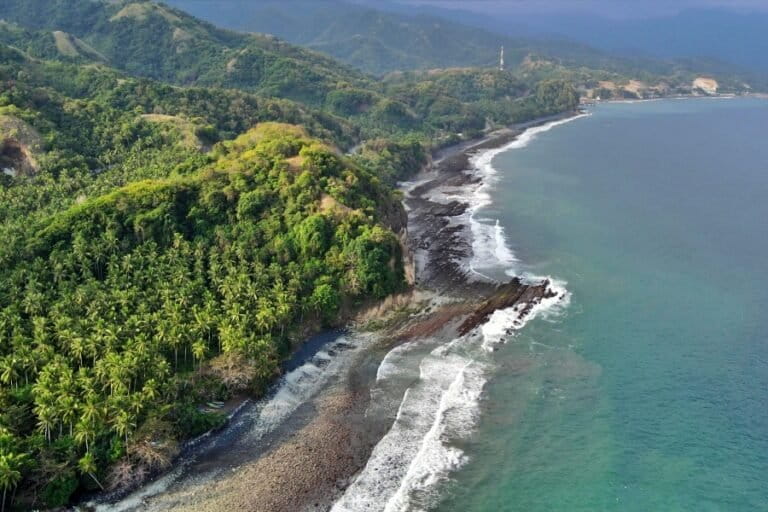
The residents of Maurongga, a coastal village in the Nangapanda District of Ende, East Nusa Tenggara, live in a symbiotic relationship with the Flores Sea. For local fishers like Imran Tabri, the rhythm of life is dictated by the pulse of the ocean. However, the current seasonal transition has brought high swells and turbulent waters, forcing the community to temporarily retreat from their primary source of income. As waves crash against the shoreline, rendering the waters murky and inhospitable for marine life, the traditional octopus boats have been hauled onto the sand, marking a quiet period for the local economy.
"The high-wave season is currently upon us," explains Imran, standing on the coastline while observing the turbulent surf. "We have moved our boats to the shore to prevent them from being destroyed by the heavy swells. It is a necessary precaution, though it certainly disrupts our daily catch."
While the men attend to their vessels, the coastal ecosystem of Maurongga continues to provide alternative, albeit meager, survival strategies. Women and children can be found scouring the intertidal zones, collecting "green stones" from the beach. These stones, which are often used in construction or decorative landscaping, are gathered, bagged, and sold to supplement household incomes. A 25-kilogram sack of these stones fetches approximately Rp20,000—a testament to the resourcefulness of a community navigating the lean months of the high-seas season.
The Evolution of Octopus Fishing in Maurongga
The transformation of Maurongga into a hub for octopus fishing is a relatively recent development, spearheaded by pioneers like Imran Tabri. Moving from the southern coast of Ende to Maurongga in 2015, Imran noticed an untapped ecological goldmine. At that time, the local community focused on traditional line fishing, largely ignoring the cephalopods thriving in the coral-rich shallows.
"When I arrived, no one was targeting octopus," Imran recounts. "I recognized the immense potential of the Maurongga waters. I began fishing for octopus myself, applying the techniques I had learned in my home village. It was a catalyst for change."
The shift toward octopus fishing gained formal momentum in 2019 through the intervention of the Tananua Flores Foundation. The foundation provided necessary infrastructure, including fishing gear and boats, while organizing local fishers into cohesive units. This organizational push saw the number of active octopus fishers grow to seven, including two women, signaling a shift toward more inclusive and sustainable marine management. According to data provided by the Tananua Flores Foundation, this strategic shift bore fruit by 2025, with octopus becoming the village’s primary commodity, yielding 479.8 kilograms of catch valued at over Rp16 million.
Implementing the Loi System: A Lesson in Marine Management
To ensure the longevity of their newfound industry, the fishers of Maurongga adopted the Loi system—a traditional Indonesian practice of temporary closures of fishing grounds. This system functions as a community-led conservation strategy, allowing the ecosystem to recover and the octopus population to reach biological maturity.
Ismail Isman, the chairperson of the local fishers’ group, LMMA Embo Angi, explains the logistics of the Loi scheme. The local fishing territory is divided into two distinct zones. Under the agreement, one zone is closed to all fishing activities for a period of three months, while the other remains open. Once the three-month window concludes, the zones are swapped.
"The system provides the necessary downtime for the octopus to breed and grow," says Imran, noting a marked improvement in the quality of the catch since the inception of the program. "Before, we were catching smaller, immature individuals. Now, it is common to see our catch weighing in at three to four kilograms per specimen."
This cyclical management approach is widely regarded by marine biologists as a best-practice model for small-scale, community-based fisheries. By allowing biomass to recover in a protected zone, the "spillover effect" ensures that the neighboring fishing grounds remain productive, creating a stable supply chain for the village.
The Shadow of Destructive Fishing Practices
Despite the success of the Loi system, the sustainability of Maurongga’s marine resources is under constant threat from external actors. Muhammad Nuhu, a member of LMMA Embo Angi, highlights the tension between local conservationists and outsiders who frequent the area. The primary concern lies in the use of destructive fishing methods, including the use of explosives (bomb fishing) and potassium cyanide, which poison the coral reefs and wipe out entire ecosystems.
"We are constantly in a state of alert," Nuhu says. "We frequently encounter fishers from outside our region who arrive with bombs and chemicals. There are even reports of individuals dumping insecticides into the water, which is devastating to the long-term health of the sea."
The conflict has become a significant source of strain for the local group. When the members of LMMA Embo Angi engage in patrols to monitor their waters, they are often met with aggression. The perpetrators are frequently aware of the patrols and resort to dumping evidence—such as dead fish, bomb debris, or chemicals—overboard the moment they spot a boat approaching. This cat-and-mouse game places a heavy burden on the local fishers, who are tasked with protecting their livelihoods with limited resources.
The Role of Advocacy and Long-term Sustainability
The work of the Tananua Flores Foundation remains critical in this context. Beyond providing equipment, the foundation focuses on education and advocacy, teaching the local community about the irreparable damage caused by non-selective fishing tools and the persistent problem of marine debris.
The implications for Maurongga are significant. If the community can successfully defend its territory against destructive fishing, it could serve as a blueprint for other coastal villages in East Nusa Tenggara. However, the current situation highlights a lack of institutional enforcement. The burden of surveillance currently falls heavily on the fishers themselves, who are forced to balance their daily work with the role of informal law enforcement.
From an economic perspective, the data suggests that octopus fishing is a viable pathway out of poverty for remote coastal communities. However, without stronger regional support for maritime enforcement, the gains made by the LMMA Embo Angi group remain fragile. The "ladang uang" (money field), as Nuhu describes the ocean, requires a multi-layered defense strategy—one that combines traditional ecological knowledge with modern surveillance and government oversight.
Looking Ahead
As the seasonal high waves eventually subside, the fishers of Maurongga will return to the sea. They will resume their harvest, likely with the same dedication that saw them transform their village’s economy in less than a decade. The challenge for the coming year, however, will be to scale their conservation efforts and secure the support of local authorities to deter the illegal fishers who threaten their waters.
For now, the focus remains on the basics: maintaining the equipment, monitoring the Loi cycles, and keeping a watchful eye on the horizon. The story of Maurongga is a microcosm of the broader struggle facing Indonesia’s artisanal fishing communities. It is a story of resilience, where the people living closest to the sea are the ones working hardest to ensure that the ocean remains a source of life for generations to come. The success of these initiatives rests not only on the determination of individuals like Imran and Nuhu but on the willingness of the broader society to recognize and protect these vital, yet vulnerable, marine frontiers.
The integration of local wisdom, such as the Loi system, with scientific guidance from NGOs, offers a hopeful path forward. As the international community increasingly turns its attention to sustainable blue economies, the model emerging from this small corner of Ende may provide invaluable lessons in how to harmonize human economic activity with the delicate requirements of the marine environment. The future of Maurongga, much like the tide, remains in constant motion, but with a community committed to the health of their waters, the prospects remain cautiously optimistic.









