
 Nila Kartika Wati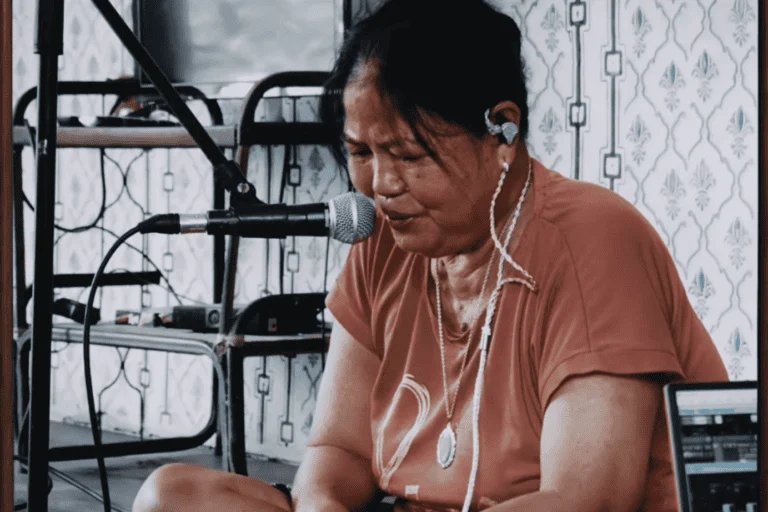
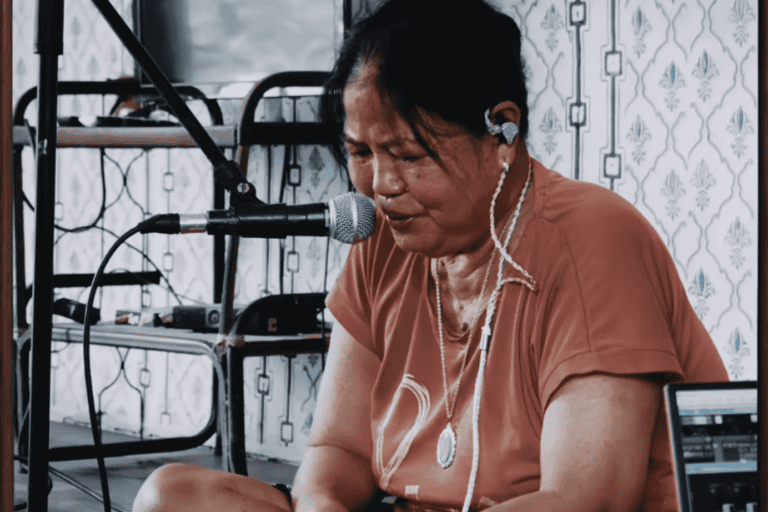
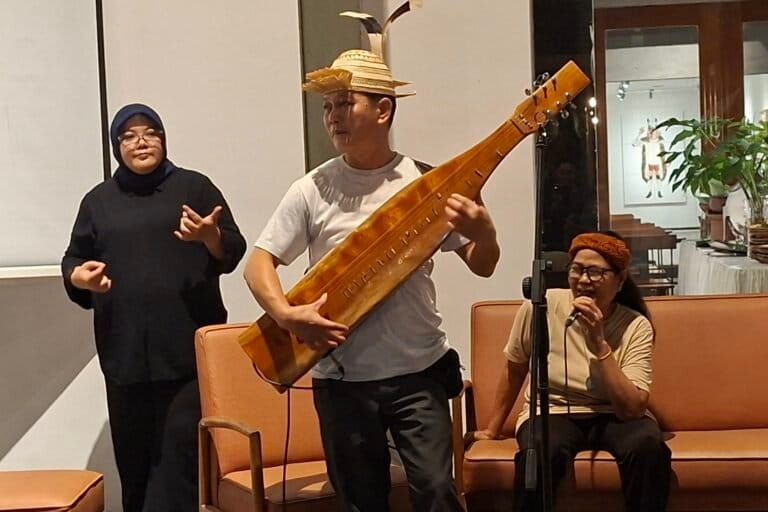
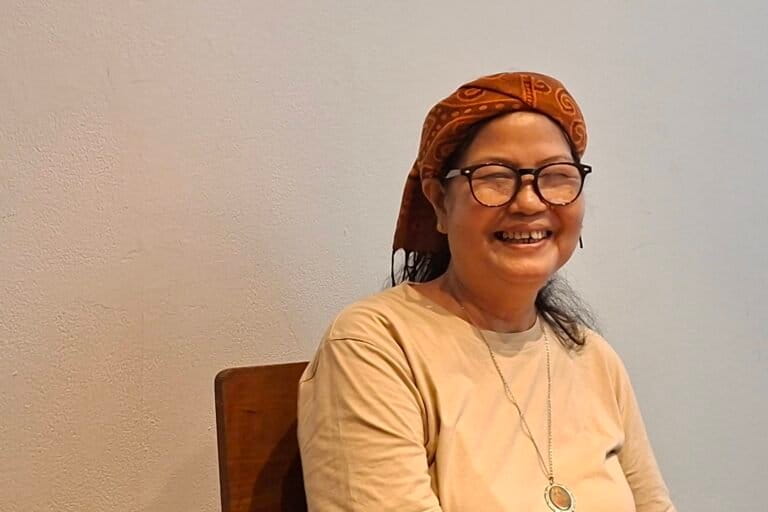
At 70 years of age, Martha Haran—affectionately known as Ine Martha—embodies the enduring spirit of the Dayak Kayan Mendalam people of Kapuas Hulu, West Kalimantan. With a voice that remains as resonant as the traditional sape strings that accompany her, Martha serves as a "penelimaa," or a practitioner of Telimaa, a sacred oral literature tradition that preserves the collective wisdom, history, and environmental ethics of her ancestors. As Indonesia grapples with the accelerating pace of resource extraction and industrial expansion, Martha’s role has evolved from a cultural custodian to a vocal advocate for the preservation of ancestral territories, challenging the encroachment of corporate interests on indigenous lands.
The Telimaa is not merely a form of poetry or song; it is a moral compass designed to instruct the younger generation on their sacred duty to protect the land. "We must not destroy what our ancestors have entrusted to us," Martha asserts. "If we dismantle these gifts, there will be consequences—a form of retribution that falls upon us all." Her message serves as a stark counter-narrative to the short-term economic gains promised by corporate entities, who often leverage promises of modern consumer goods—motorcycles, cars, and cash—to persuade communities to surrender their land titles.
The Economic Paradox and the Erosion of Heritage
The conflict between traditional land tenure and industrial development is a recurring theme in Kapuas Hulu. For decades, companies have sought access to indigenous forests for palm oil, mining, and timber concessions. These entities often present a seductive economic proposition to rural communities: the immediate acquisition of modern assets in exchange for the long-term sacrifice of ancestral domains.
Martha remains a staunch critic of this trade-off. She observes that the monetary compensation provided by corporations is finite and fleeting. Once the cash is spent and the machinery inevitably breaks down, the land, which served as a perennial source of sustenance and identity, is gone forever. "If we trade our inheritance for temporary comfort, what remains for our descendants?" she asks. Her philosophy prioritizes long-term communal sustainability over immediate individual gain, a stance that has, at times, led to friction within her own community. Her vocal opposition to land sales has earned her the label of a "rebel" among those who view corporate partnership as a path to progress.
A Life Dedicated to Oral Tradition
Martha’s journey to becoming a prominent voice for her community was unconventional. For much of her early life, she adhered to the traditional domestic roles expected of women in her village, focusing on household management and caregiving. She remained largely removed from the public sphere, rarely participating in community rituals or formal events. It was not until she reached her 40s that her trajectory shifted.
Encouraged by a local religious educator, she began performing in choirs, which served as a gateway to exploring traditional oral arts. She did not undergo a formal apprenticeship; instead, she became a self-taught practitioner of the Telimaa. Her dedication to learning the complex, archaic language of the tradition allowed her to master a form of expression that is rapidly disappearing among the youth. Her breakthrough moment arrived during a "dange" ceremony—a traditional post-harvest thanksgiving ritual—where her performance of Telimaa, accompanied by the soulful melodies of the sape, moved her audience to tears. This moment solidified her commitment to the craft, transforming her into a sought-after cultural figure in the region.
The Challenge of Cultural Preservation and Literacy
Today, Martha faces the dual challenge of preserving the sanctity of the Telimaa while fostering its relevance among younger generations. The language of the Telimaa is distinct from the colloquial Dayak Kayan dialect; it is a language of ceremony and ancient wisdom, making it inaccessible to many who lack specialized knowledge. Martha actively mentors those interested in the art, though she acknowledges the difficulty in balancing the preservation of the original form with the need for accessibility.
"There is a sense of pride in seeing the younger generation attempt to learn," Martha says, "but the barrier of the archaic language is significant." The effort to keep the tradition alive is a race against time, as the modernization of village life and the influence of mainstream Indonesian culture continue to erode the use of indigenous languages and the practice of oral storytelling.
Bridging Tradition and Modern Advocacy: "Suara Tanah Kita"
In a strategic shift to amplify indigenous voices, Martha recently collaborated with the Yayasan Madani Berkelanjutan on a project titled Suara Tanah Kita (The Voice of Our Land). This initiative serves as an intersection between traditional oral arts and modern advocacy. By blending the melodic, traditional sounds of the sape and the ancient verses of the Telimaa with contemporary musical arrangements, the project seeks to reach a broader, younger audience that might otherwise be disconnected from indigenous struggles.
Nadia Hadad, Executive Director of Yayasan Madani Berkelanjutan, emphasizes the necessity of this approach. "Conventional lobbying is not enough," Hadad notes. "We need to re-establish the fundamental link between humans, forests, and water. Music is a universal language that can cross generational and cultural divides." The initiative is part of a broader, decade-long effort by the foundation to influence government environmental policy while simultaneously strengthening the capacity of grassroots communities to defend their own territories.
Broader Implications: Environmental Justice and Policy
The struggle of the Dayak Kayan Mendalam is emblematic of a national trend in Indonesia, where indigenous rights often clash with the state’s developmental agenda. Data from various environmental NGOs suggests that conflicts over land rights in Kalimantan are among the highest in the country, often resulting in the displacement of communities and the fragmentation of traditional ecosystems.
The implications of these disputes are profound. When indigenous communities are displaced, the "custodians of the forest" are removed from their land, leading to increased rates of deforestation and biodiversity loss. Studies have consistently shown that lands managed under customary (adat) law have lower deforestation rates compared to state-managed or corporate-held concessions. Martha’s work is therefore not just cultural; it is a critical component of environmental conservation.
As the government continues to push for large-scale infrastructure projects—such as hydropower dams that threaten to submerge entire villages—the role of cultural figures like Martha becomes increasingly vital. Their testimony provides a human face to statistics and policy documents, reminding policymakers that the "land" is not just a commodity to be exploited, but a repository of identity, history, and ecological health.
The Path Forward
The future of the Telimaa remains uncertain. While Martha’s efforts have sparked a renewed interest in the tradition, the structural pressures on the Dayak Kayan Mendalam people are immense. Economic instability, the lure of urban migration, and the relentless pressure from industrial expansion create a challenging environment for cultural and environmental preservation.
However, Martha remains resolute. She views her work as a moral duty that transcends the temporary hardships of the present. Her collaboration with younger musicians and environmental advocates suggests a potential pathway for survival: the hybridization of the old and the new. By embedding the values of environmental stewardship into a modern cultural framework, she hopes to ensure that the message of the Telimaa—the sacred obligation to the land—is not lost to the march of time.
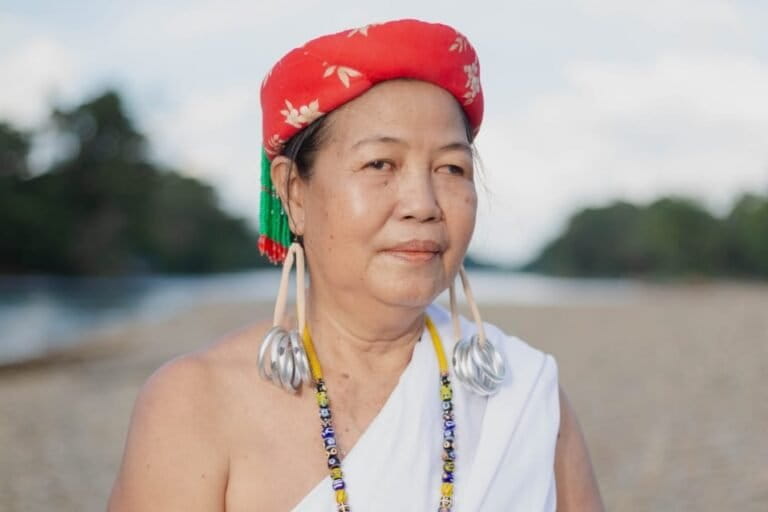
In the final analysis, the story of Martha Haran is a testament to the power of the individual in the face of systemic change. Through the gentle, rhythmic cadence of her voice and the deep resonance of the sape, she continues to remind her people—and the nation—that the most precious assets are not found in the fleeting wealth offered by corporations, but in the enduring, life-giving soil of their ancestors. As she enters her 70th year, her message is clearer than ever: the land must be held, not sold, for the sake of the generations yet to come.









