Nila Kartika Wati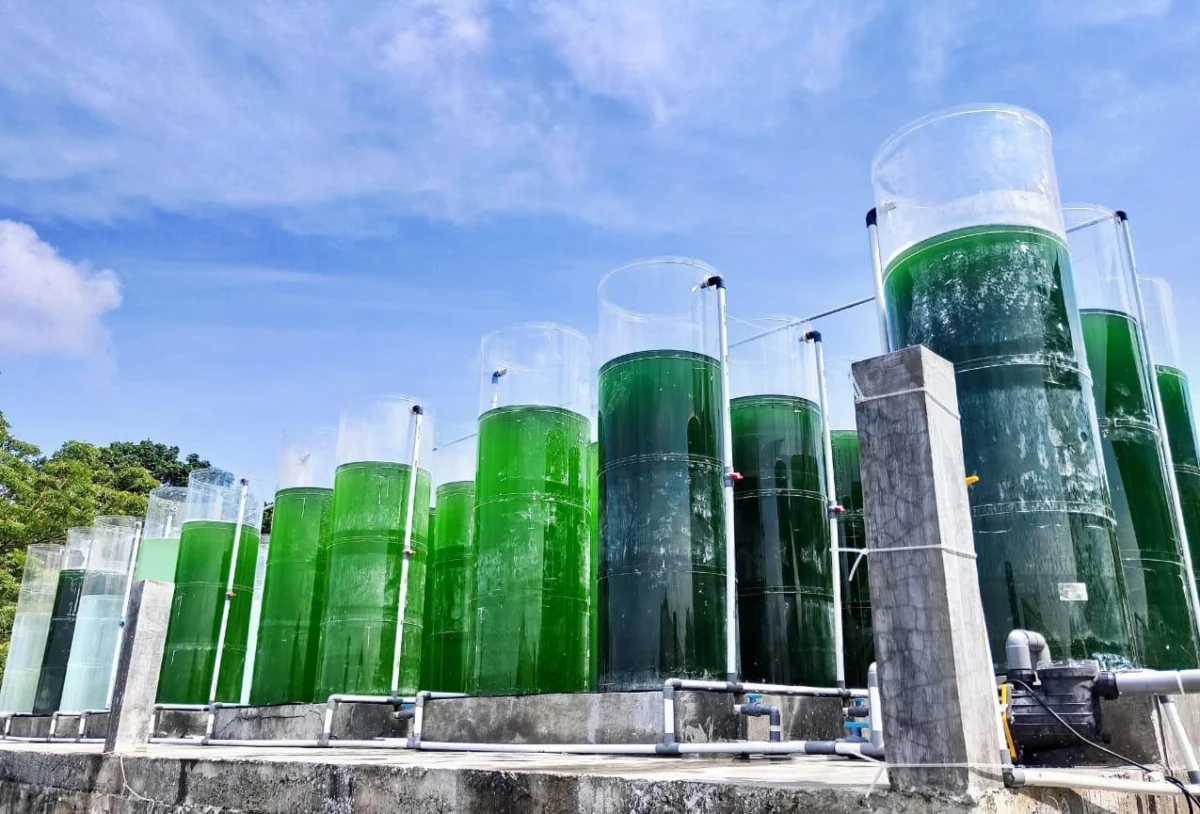
The silent, rapidly expanding crisis of harmful algal blooms (HABs) has emerged as a significant threat to global marine health and economic stability. According to a landmark study published in the journal Nature Communications in 2025, researchers from the University of South Florida and the National Oceanic and Atmospheric Administration (NOAA) have utilized artificial intelligence to confirm that floating algae blooms are not only becoming more frequent but are also expanding their geographic reach across the world’s oceans. This phenomenon, often referred to as "blooming," transforms pristine waters into murky, sometimes toxic environments, posing severe risks to biodiversity, public health, and the multi-billion-dollar coastal economy.
The study, which synthesizes years of satellite data and oceanographic observations, identifies 2010 as a pivotal turning point when the frequency and scale of these blooms began an aggressive upward trend. By leveraging machine learning, scientists have mapped the migration of these blooms from localized incidents into a systemic global phenomenon, complicating efforts to manage coastal resources.
The Mechanics of Eutrophication: How Nutrients Drive Destruction
At the heart of the algal explosion is a process known as eutrophication. While algae are a natural component of marine ecosystems, the excessive proliferation—or "blooming"—is almost exclusively a man-made consequence. Ario Damar, a leading expert in coastal water ecology at IPB University, emphasizes that the primary catalyst for these events is the runaway influx of nutrient-rich runoff from human activities on land.
When waste from domestic sewage, intensive agricultural fertilizers, industrial livestock operations, and aquaculture facilities enters the watershed, it eventually terminates in the coastal environment. These materials are rich in nitrogen and phosphorus, the fundamental "fertilizers" that trigger rapid, uncontrolled growth of microscopic algae. As these nutrients enter the water, they are broken down by bacteria into nitrates, nitrites, ammonia, and phosphates, creating a nutrient-dense soup that allows algae to replicate at exponential rates.
In the Indonesian context, this process is particularly visible in areas where human settlement density is high, such as the Jakarta Bay, Banten Bay, and Lampung Bay. In these regions, the combination of stagnant water circulation and high nutrient loading creates a perfect environment for massive blooms. Once the algae bloom, they often form dense, colored mats on the water’s surface, turning clear blue seas into shades of murky green or deep, rusted red.
Chronology and Escalation: From Localized Issues to Global Trends
The trajectory of this environmental crisis is well-documented. Prior to the turn of the 21st century, algal blooms were often perceived as isolated, seasonal occurrences. However, the 2025 findings underscore a shift in the status quo. Between 2010 and 2025, the connectivity of global ocean currents and the intensification of land-based nutrient discharge have allowed these blooms to thrive in previously unaffected regions.
The research indicates that the expansion of these blooms is closely linked to the global rise in fertilizer use and the expansion of coastal mega-cities. As urban infrastructure fails to keep pace with population growth, untreated wastewater discharge has become a primary driver of coastal degradation. In the Indonesian archipelago, where the economy is heavily reliant on artisanal fishing and coastal tourism, these events are no longer just ecological anomalies; they are direct threats to food security and regional GDP.
The Biological Hazard: Oxygen Depletion and Toxins
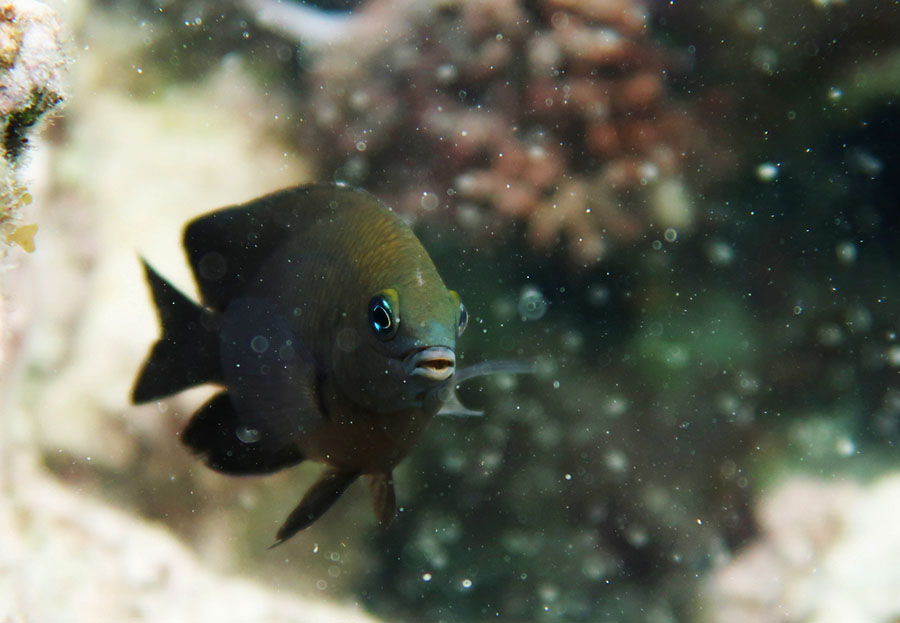
The ecological consequences of a massive bloom are multifaceted and devastating. During the day, algae perform photosynthesis, which consumes carbon dioxide and releases oxygen. However, the danger peaks at night or when the bloom begins to die off. During these times, the biological oxygen demand (BOD) spikes as bacteria decompose the massive amounts of organic matter, stripping the water column of dissolved oxygen. This state of hypoxia, or oxygen starvation, leads to the mass mortality of fish, crustaceans, and other marine life.
Furthermore, specific species of algae, such as certain dinoflagellates, are biologically programmed to produce potent neurotoxins. When these algae are ingested by filter-feeding organisms like mussels, clams, and oysters, the toxins bioaccumulate. For human consumers, eating these contaminated seafood products can result in severe health complications, including paralytic shellfish poisoning, gastrointestinal distress, and, in extreme cases, neurological damage.
Tumpak Sidabutar, a marine ecologist from the National Research and Innovation Agency (BRIN) of Indonesia, highlights that the challenge is not just the occurrence of these blooms, but the failure to recognize them as an early warning system for a broader systemic collapse. According to Sidabutar, when we see a bloom, we are essentially witnessing a marine environment that has lost its ability to regulate itself. The presence of cyanobacteria in surface waters, often described as looking like a layer of green paint, is a particularly alarming indicator of advanced nutrient pollution, often found in both brackish and freshwater bodies.
Economic and Societal Implications
The economic ripple effects of HABs are substantial. In the coastal regions of Indonesia, local fishing communities are often the first to suffer. As oxygen levels drop, schools of fish migrate away or perish, leading to a direct decline in catch volumes. Simultaneously, the visual and olfactory impact—often accompanied by a foul, rotting smell caused by the decomposition of algae—effectively halts tourism. Beachfront businesses, resorts, and local vendors face immediate financial losses when waters become toxic or unappealing.
Despite the obvious severity of the issue, a significant gap remains in the institutional response. Indonesia currently lacks a robust, nationwide surveillance system capable of real-time detection and early warning. Experts point to a persistent lack of funding and research infrastructure as the primary obstacle preventing government agencies and universities from conducting consistent monitoring. Without a comprehensive monitoring network, the country is forced to react to crises after they have already caused irreversible damage, rather than taking proactive measures to contain the blooms at their source.
Scientific Analysis: Why Current Efforts Are Insufficient
The scientific community, including the researchers behind the Nature Communications study, argue that current management policies are largely reactive. Addressing the "symptom"—the algae themselves—is often impossible once a bloom is in full effect. Instead, the focus must shift to the "cause": the management of terrestrial runoff.
Agricultural reform is a critical component of this strategy. By encouraging the use of precision agriculture, farmers can significantly reduce the amount of nitrogen and phosphorus-based fertilizer that washes into rivers. Similarly, the modernization of urban sewage systems in coastal cities is mandatory to prevent the discharge of untreated, nutrient-laden effluent.
However, the complexity of the problem is compounded by the "physical state" of the water. As noted by Ario Damar, the physical environment of the bay—such as its depth, flow rate, and light exposure—can exacerbate the effects of nutrient loading. Bays with restricted water exchange, like the Teluk Jakarta, serve as "sinks" where nutrients accumulate over time, creating a chronic cycle of bloom events.
A Call for Integrated Policy
To mitigate the risk, experts suggest an integrated approach that combines satellite monitoring, citizen science, and strict environmental regulation. The use of satellite-based remote sensing, similar to the technology used in the recent US-based study, could provide a cost-effective way for Indonesia to monitor its vast coastline for early signs of color changes in the water.
However, technology alone will not solve the crisis. Regulatory frameworks must be strengthened to hold industrial and agricultural sectors accountable for their waste management. The transition toward a "blue economy" requires that the preservation of water quality is treated as a foundational element of economic development rather than an afterthought.
As the global climate continues to shift, changing ocean temperatures and current patterns may further favor the spread of algal species, potentially introducing new, more resilient, and toxic varieties to tropical waters. The message from the scientific community is clear: the bloom is not just a biological event; it is an indicator of a fundamental disconnect between land-based human development and the health of the marine ecosystem. Without a paradigm shift in how waste is managed and how coastal ecosystems are valued, the frequency of these blooms will likely continue to rise, threatening the resilience of one of the most biodiverse regions on the planet.
In conclusion, while the threat of harmful algal blooms is significant, the path forward is rooted in transparency, scientific investment, and policy reform. By treating nutrients as valuable resources that belong in the soil rather than in the sea, and by establishing the necessary surveillance infrastructure to detect early warning signs, there is still an opportunity to prevent the further degradation of Indonesia’s coastal waters. The 2025 study serves as a global wake-up call, demonstrating that in the era of artificial intelligence and satellite surveillance, we can no longer afford to turn a blind eye to the changing colors of our oceans.