
 Nila Kartika Wati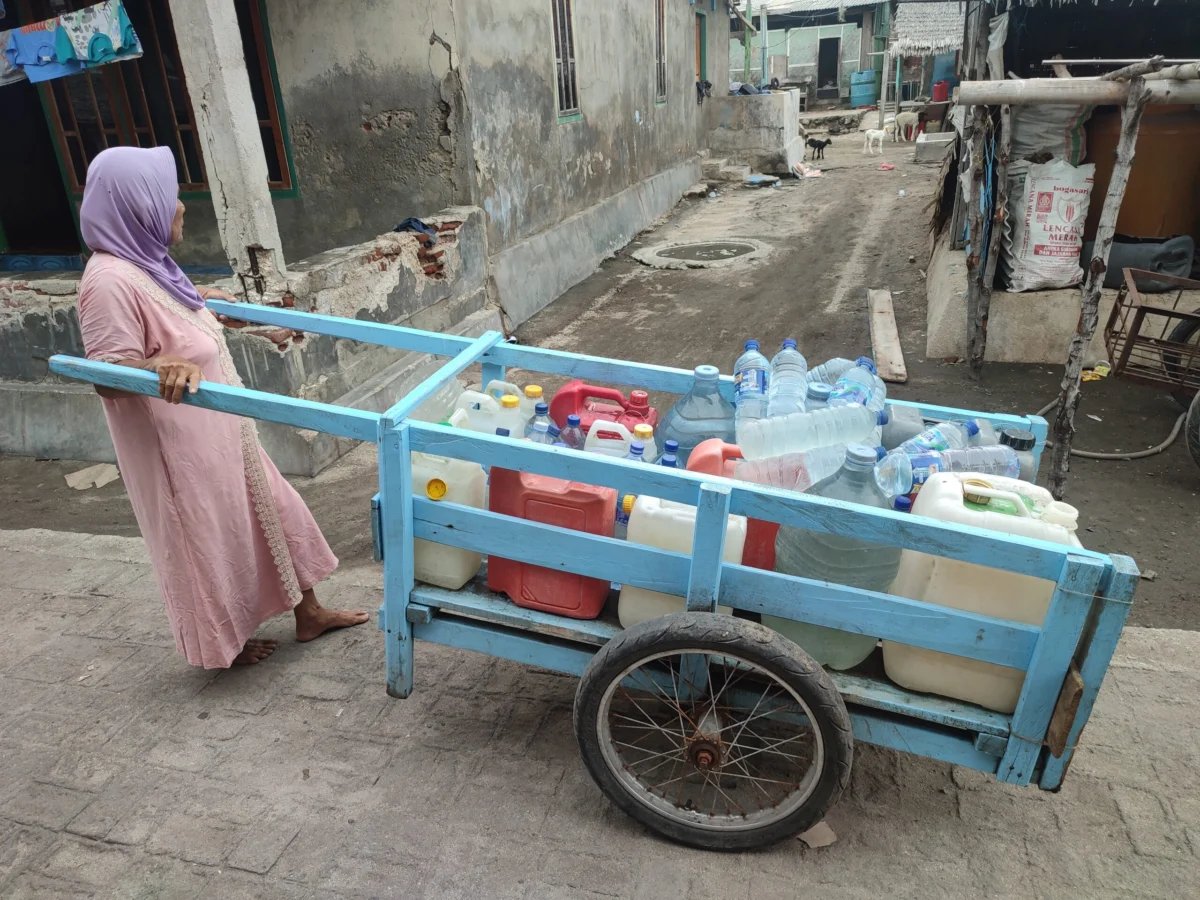
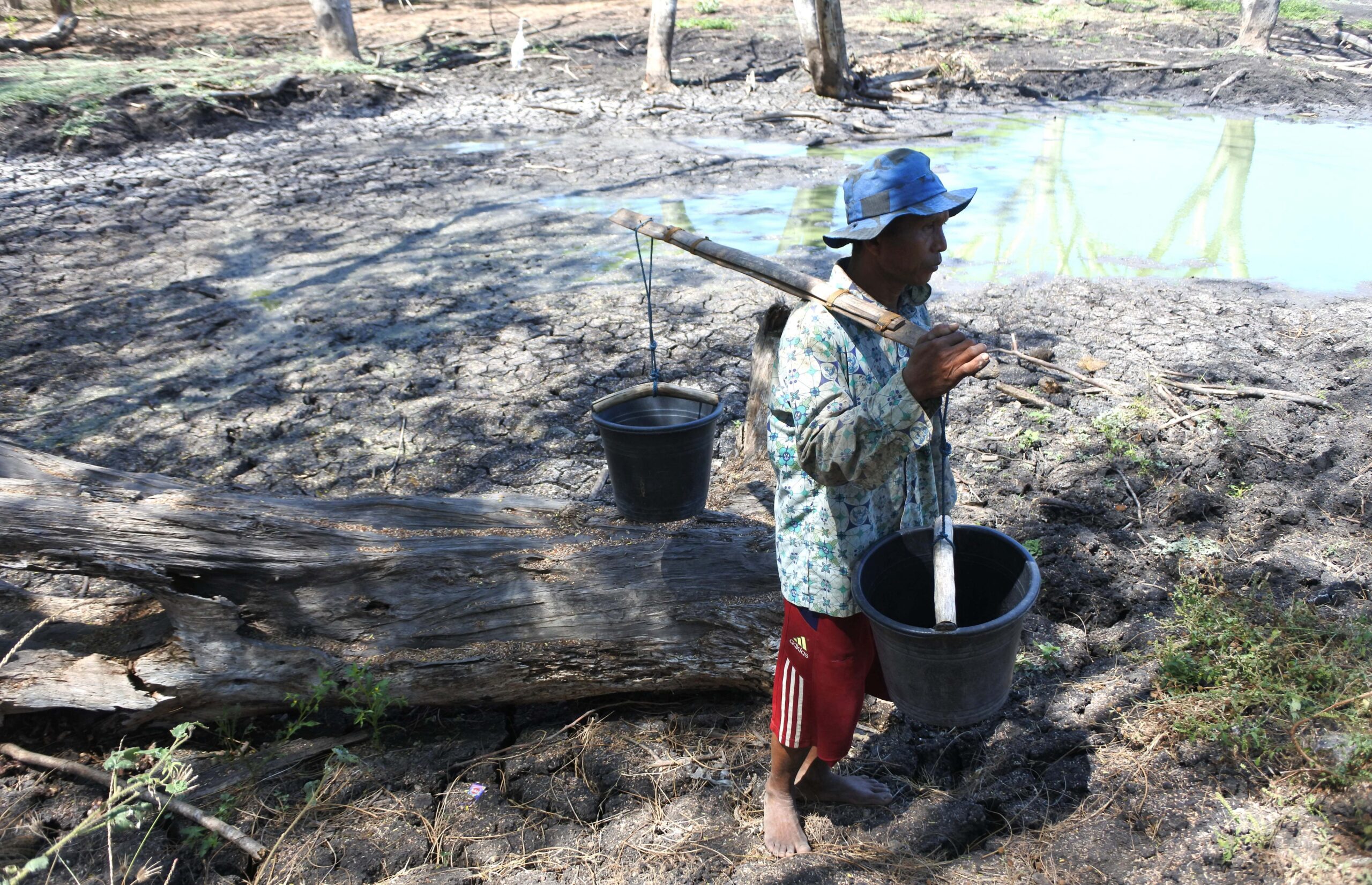
The province of Nusa Tenggara Barat (NTB) is currently grappling with a severe and escalating drought crisis, driven primarily by the intensifying El Nino climate phenomenon. As of mid-September 2026, the provincial government has been forced to implement stringent emergency measures to mitigate the humanitarian and agricultural fallout, which has now reached 66 districts across the region. With the dry season predicted to persist longer than in previous years, local authorities are struggling to manage the water supply for hundreds of thousands of residents, highlighting a precarious intersection of climate change, ecological degradation, and infrastructure limitations.
Current Status and Scope of the Emergency
The administrative response to the crisis has been tiered according to the severity of local conditions. Three major regencies—Bima, Sumbawa, and East Lombok—have formally declared a "Tanggap Darurat" (Emergency Response) status, a designation intended to streamline the mobilization of financial resources and aid logistics. Meanwhile, six other regencies and cities across the province remain under a "Siaga Darurat" (Emergency Alert) status, allowing for proactive, large-scale mitigation efforts.
According to Sadimin, the Head of the Regional Disaster Management Agency (BPBD) of NTB, the scale of the crisis is vast. Comprehensive monitoring data indicates that the drought has impacted approximately 84,837 families, totaling 263,310 individuals. The crisis is not merely a shortage of drinking water; it is a systemic disruption of daily life for nearly a quarter of a million people. By September 10, 2026, BPBD had already distributed 3.3 million liters of clean water to the most vulnerable areas, yet the demand continues to outpace current delivery capabilities.
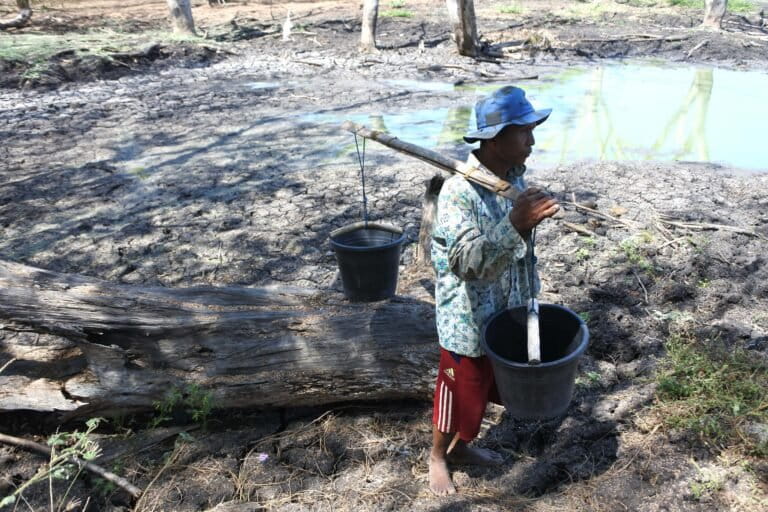
East Lombok has emerged as the most severely affected region, with 92,999 residents across 41 villages grappling with critical water scarcity. The regency of Sumbawa follows, with 42,728 people affected across 13 districts, while Bima reports 28,894 residents impacted. These figures underscore the geographical breadth of the drought, which is effectively paralyzing the agrarian-based economies of these communities.
The Role of El Nino and Meteorological Context
The meteorological origins of this crisis are rooted in the current El Nino event, which has fundamentally altered precipitation patterns in the Indonesian archipelago. Bastian Andarino, Head of the Data and Information Team at the Meteorology, Climatology, and Geophysics Agency (BMKG) in NTB, explained that the phenomenon has caused a significant shift in moisture transport.
"El Nino has fundamentally altered the atmospheric circulation, causing the water vapor that usually fuels our rainfall to shift toward other regions," Andarino stated. This shift has resulted in a prolonged dry season that is expected to continue through November 2026. BMKG projections indicate that 93% to 95% of NTB’s territory is currently experiencing "Below Normal" rainfall, a statistic that translates into significantly drier conditions than the historical average.
The duration of the dry spell has been particularly concerning. Monitoring stations in Bima have recorded "Hari Tanpa Hujan" (Days Without Rain) counts exceeding 60 days, classifying these areas as being in a state of extreme drought. This lack of precipitation is not an isolated event but part of a broader climatic shift that threatens to reduce annual rainfall by up to 40% in some parts of the province.
Socio-Economic Impact: Agriculture and Daily Survival
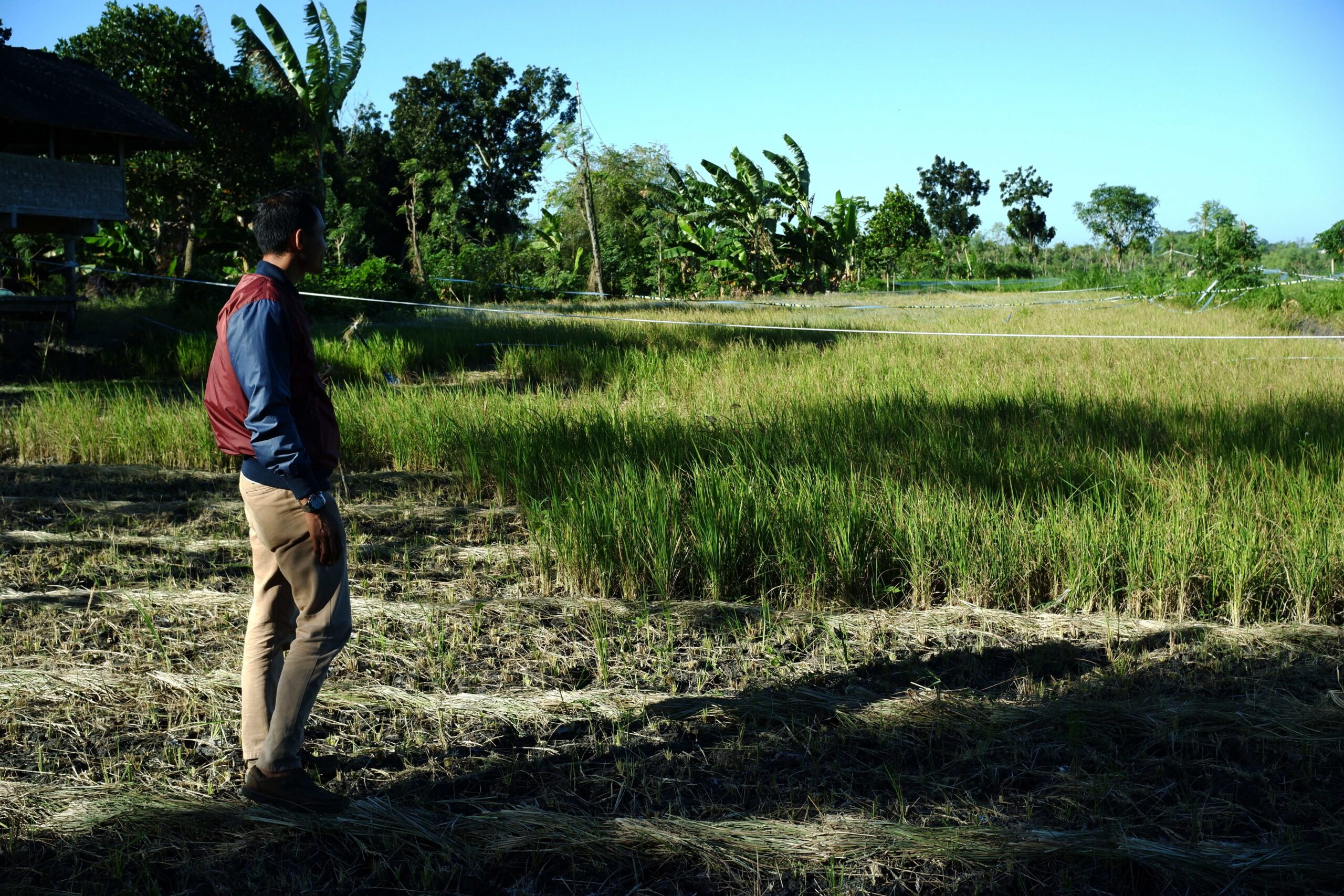
The human cost of the drought is most visible in the failure of agricultural output. Smallholder farmers, who rely heavily on seasonal rains for rice and secondary crop production, have seen their harvests decimated. In areas like Central Lombok, farmers are reporting widespread crop failure, as irrigation systems—dependent on seasonal runoff—have dried up.
Beyond agriculture, the scarcity of potable water has forced many residents to purchase water from private vendors or rely on government deliveries. In the Pulau Medang region of Sumbawa, for instance, water has become a commodity, with residents forced to purchase water supplies just to meet basic household needs. In West Lombok, the situation is increasingly desperate; five districts are struggling to receive aid because of a lack of water tanker trucks, creating a bottleneck in disaster response.
Government Response and Institutional Coordination
The national government, through the National Disaster Management Agency (BNPB), has been working in tandem with the provincial government to provide both immediate relief and structural support. Lieutenant General Suharyanto, Head of the BNPB, noted that the agency has faced a challenging year, with 1,281 disasters recorded as of July 2026, the majority being hydrometeorological in nature.
To bolster NTB’s resilience, the BNPB has provided a comprehensive aid package exceeding Rp1.8 billion. This includes not only direct logistics like food supplies and water tanks but also essential infrastructure equipment such as industrial water pumps, piping systems, and water treatment accessories. Furthermore, since 2025, the agency has been steadily upgrading the provincial emergency fleet, providing rescue vehicles and water tankers to regencies including Bima, East Lombok, and Sumbawa.
However, local leaders emphasize that these measures, while vital, are merely stopgaps. The Regent of East Lombok, Hairul Warisin, has submitted formal proposals for the construction of deep-bore wells in 10 districts, noting that relying on emergency deliveries is unsustainable. The reliance on mobile tankers is a reactive solution to an issue that requires a more permanent infrastructural foundation.
Long-Term Implications: Why "Emergency" is Not Enough
The Governor of NTB, Lalu Muhammad Iqbal, has been vocal about the need to shift the provincial strategy from reactive emergency management to proactive long-term planning. The governor pointed out that the current crisis is exacerbated by systemic environmental degradation, particularly in the southern parts of the island of Sumbawa, where the lack of forest cover has reduced the land’s ability to retain water.
"The root of the problem is the condition of our forests. When the environment is degraded, the ability of the land to store water disappears," Governor Iqbal stated. He emphasized that the province must prioritize the protection of water sources, the restoration of watersheds, and the implementation of more efficient, sustainable irrigation practices.
The governor’s perspective highlights a growing consensus among environmental scientists and policymakers: the "drought" is not merely a product of the weather, but a consequence of the land’s declining health. The cycle of deforestation, followed by erosion and water table depletion, means that even in years with average rainfall, the region is becoming increasingly vulnerable to drought.
Recommendations for Future Resilience
To mitigate future occurrences, experts suggest a multi-pronged approach:
- Watershed Restoration: Large-scale reforestation programs in the upstream areas of Bima and Sumbawa are essential to improve groundwater infiltration.
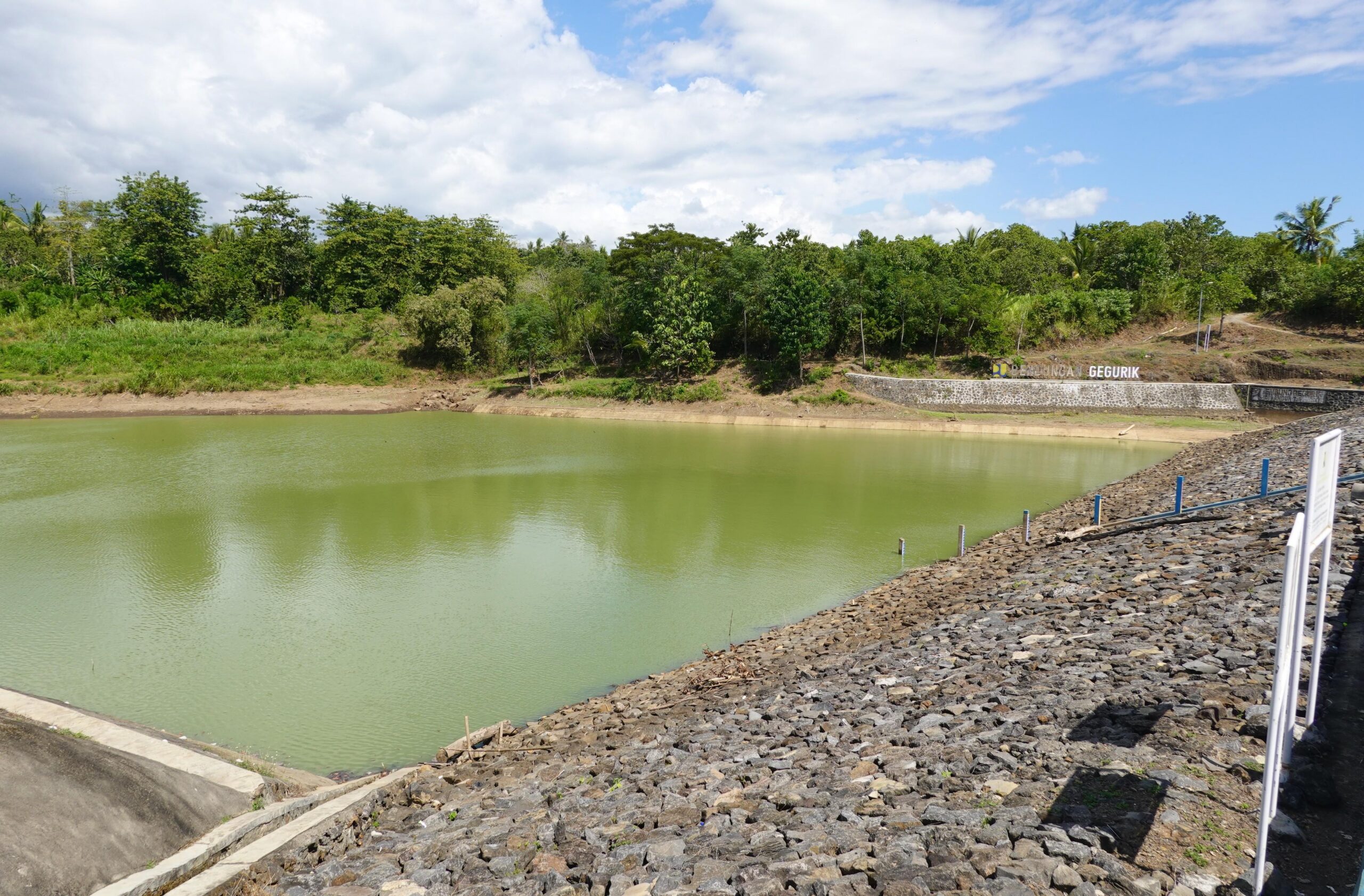
- Infrastructure Investment: Transitioning from rain-fed agriculture to drought-resilient irrigation, including the expansion of small-scale water storage (embungs) and rainwater harvesting, will allow farmers to buffer against delayed rainy seasons.
- Data-Driven Farming: Providing farmers with better access to climate data will allow for more informed planting schedules that align with shifting rainfall patterns.
- Integrated Water Management: Implementing provincial-level policies that treat water as a finite, critical resource, prioritizing the maintenance of existing dams and reservoirs to prevent siltation.
As the current El Nino event continues to unfold, the residents of NTB find themselves on the front lines of climate change. The province’s ability to navigate this period of "emergency" will depend not only on the arrival of the rains but on the political will to invest in long-term ecological and infrastructural reform. Without such changes, the cycle of drought, emergency relief, and crop failure is likely to repeat with increasing intensity, further challenging the socio-economic stability of one of Indonesia’s most vital agricultural hubs.
The coming months will serve as a critical test for both the disaster management infrastructure of the province and the resilience of its rural populations. While immediate assistance remains the priority, the path forward must be paved with sustainable solutions that look beyond the next rain cycle to ensure the long-term survival of the region’s water security and food systems.









