
 Nila Kartika Wati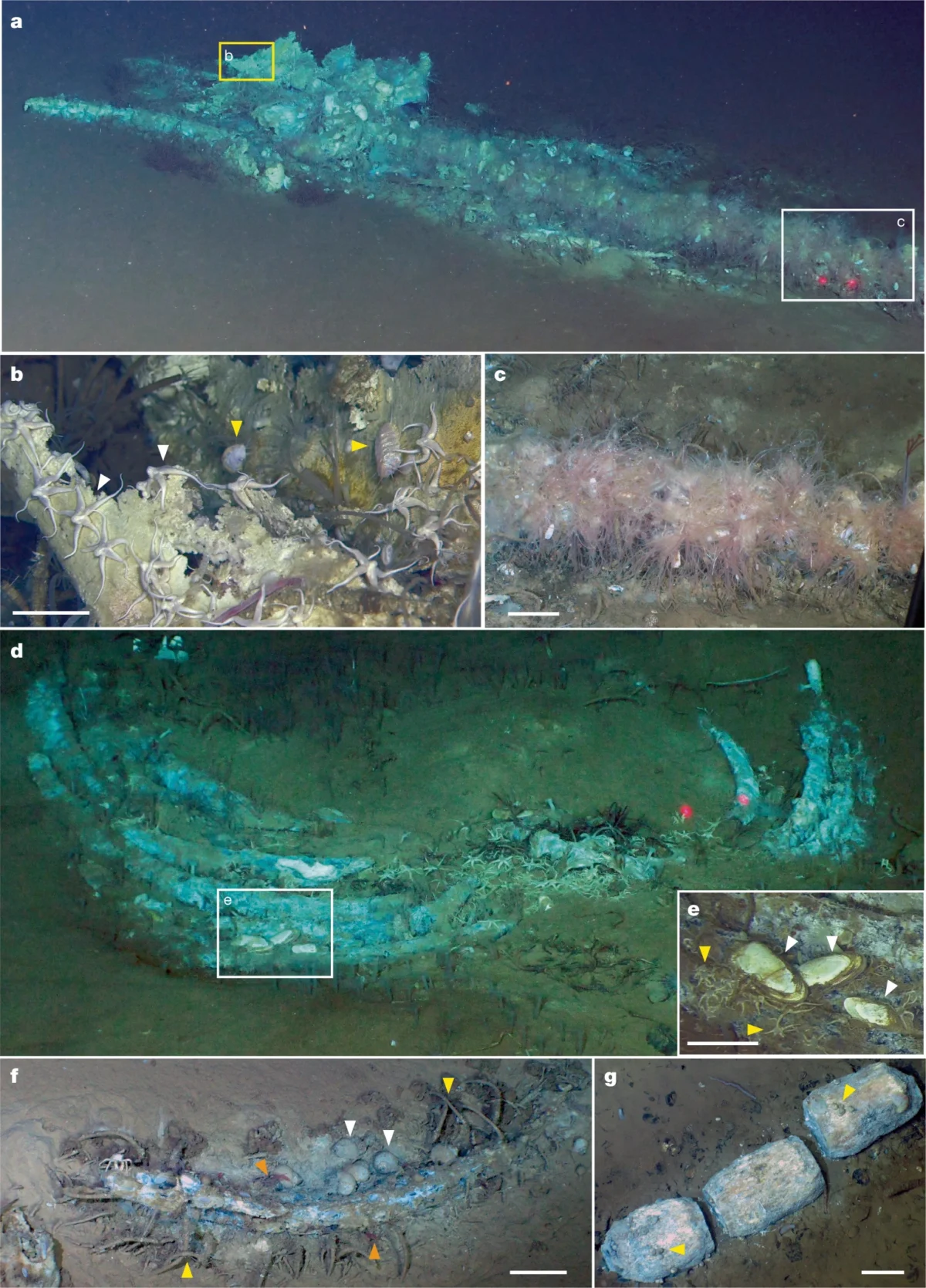
The discovery of a massive, ancient deep-sea "whale graveyard" in the Diamantina Fracture Zone off the coast of southwestern Australia has provided scientists with an unprecedented window into the evolution and ecology of beaked whales, the most elusive and least understood of all large mammals. A multi-institutional research team led by the Institute of Deep-sea Science and Engineering at the Chinese Academy of Sciences has identified a staggering concentration of skeletal remains spanning more than five million years. These findings, published in the journal Nature in June 2026, suggest that the depths of the Indian Ocean act as a natural, long-term archive for these mysterious creatures.
The Challenge of Studying Beaked Whales
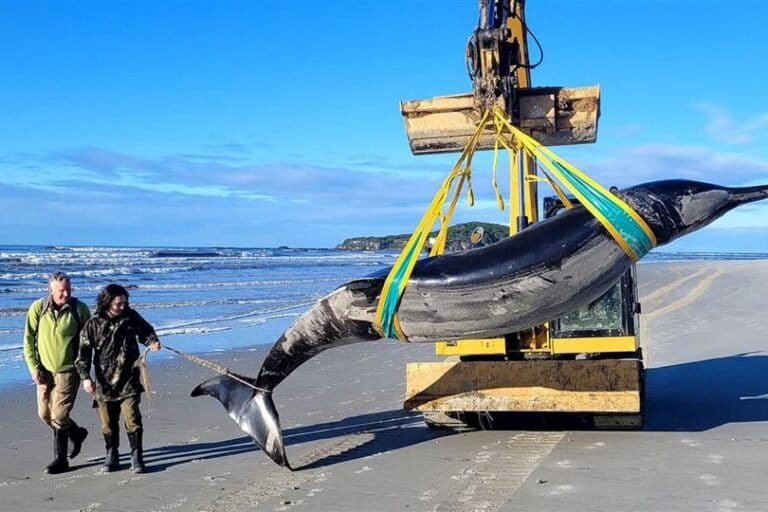
Beaked whales (family Ziphiidae) are the "ghosts" of the ocean. Comprising approximately 24 known species, these marine mammals are renowned for their extreme diving capabilities and preference for remote, deep-water environments far from continental shelves. Because they spend the vast majority of their lives in the abyss—surfacing only briefly to breathe—they are rarely sighted by human observers. Consequently, much of what science currently knows about them has been gleaned from carcasses that happen to wash ashore or from historical skull collections housed in natural history museums.
The difficulty in observing them alive has created significant gaps in taxonomic and behavioral data. For decades, researchers have struggled to estimate population numbers or understand the migration patterns of these creatures. The discovery in the Diamantina Fracture Zone serves as a vital correction to this data scarcity, providing a physical repository that bypasses the limitations of surface-based observation.
Expedition and Discovery: The Fendouzhe Missions
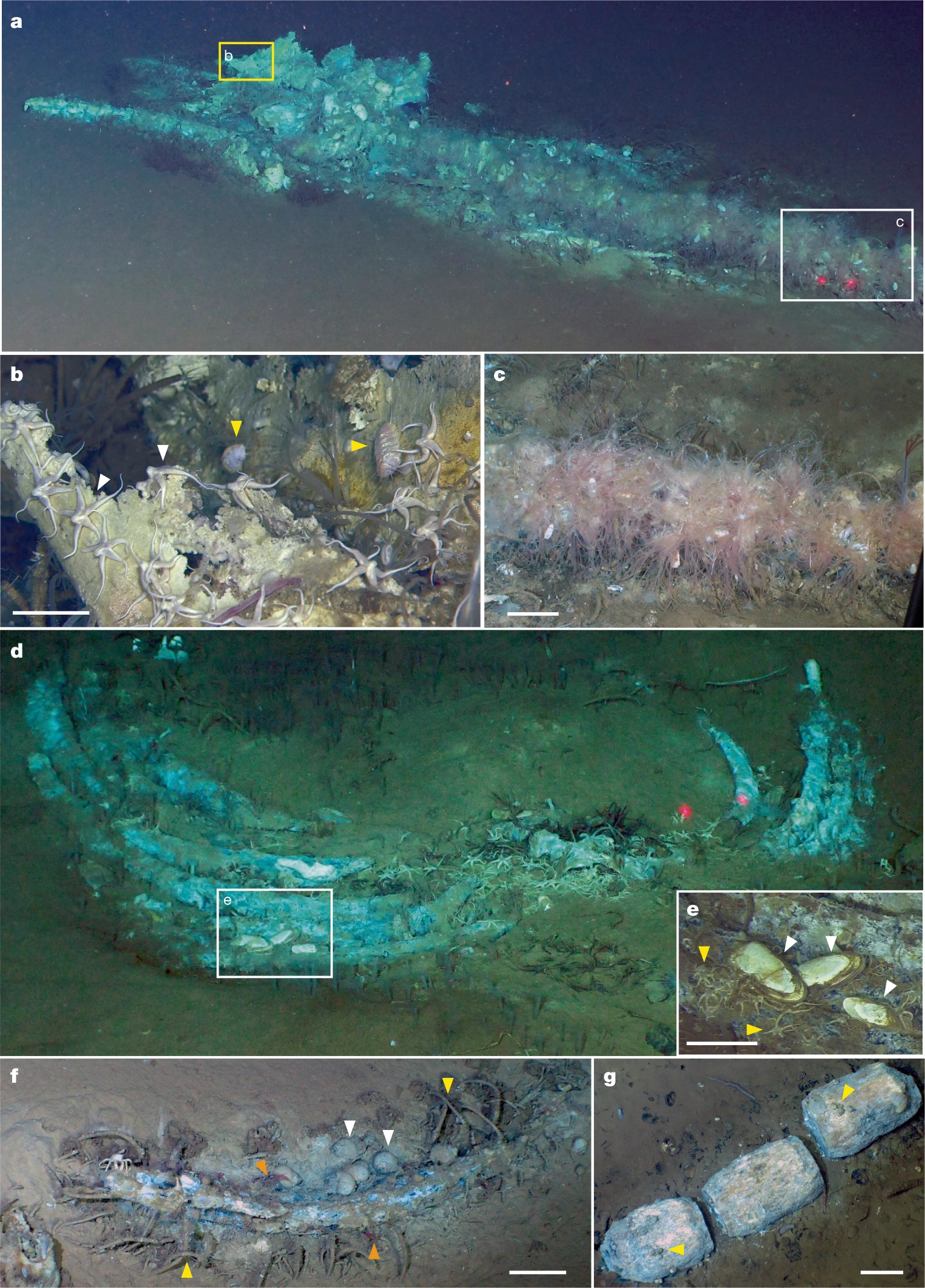
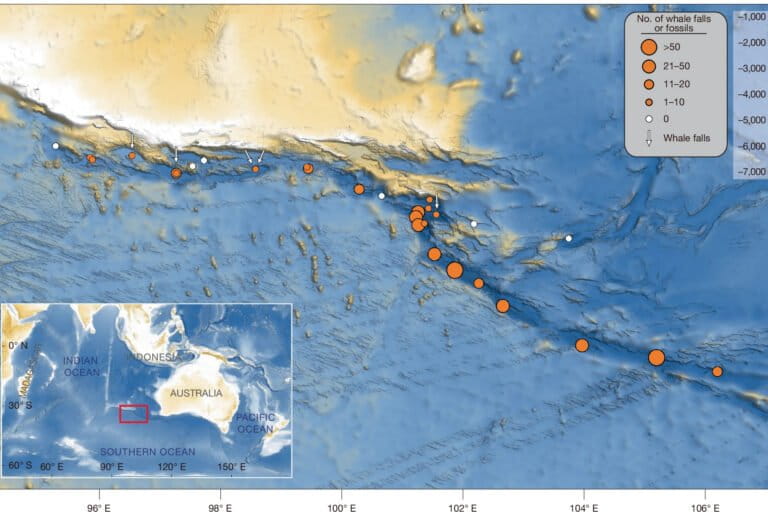
The breakthrough occurred between February 8 and March 17, 2023, during a series of 32 specialized dives conducted by the manned submersible Fendouzhe. Operating at depths ranging from 4,616 to 7,001 meters, the team performed a systematic survey of the ocean floor, documenting 485 distinct sites containing either fossilized remains or active whale falls—areas where a whale carcass rests on the seabed and supports a localized ecosystem.
The scale of the discovery is profound. Within a surveyed area of just 0.64 square kilometers, researchers documented a density of approximately 759 whale specimens per square kilometer. Peng Zhou, a lead researcher on the project, noted that these figures are likely conservative. Preliminary projections suggest that the entire zone could contain upwards of 10 million individual whale remains, spanning epochs of biological history.
A Five-Million-Year Timeline of Life and Death
Isotopic analysis of strontium found within the fossilized bones has allowed researchers to date the accumulation with remarkable precision. The findings indicate that the site has served as a whale burial ground for at least 5.26 million years, extending back to the early Pliocene epoch.
The site acts as a living and fossilized record, where extinct species such as Pterocetus benguelae and Izikoziphius rossi lie in close proximity to their extant relatives. Notably, the team discovered a previously unknown species, which they have formally classified as Pterocetus diamantinae. This spatial overlap of extinct and living species provides evolutionary biologists with a rare opportunity to conduct comparative studies on anatomical changes over geological time, something that traditional records of beached specimens could never facilitate.
Geological Factors in Preservation
Why does the Diamantina Fracture Zone host such a high concentration of remains? The answer lies in a combination of biological resilience and geological conditions. Beaked whales possess exceptionally dense rostra—the bones forming their snouts—which are highly resistant to the chemical and mechanical erosion that typically breaks down whale skeletons in the ocean.
Furthermore, the deep-sea environment of the fracture zone is characterized by extremely low sedimentation rates. This allows bones to remain exposed for longer periods. The formation of iron-manganese oxide crusts on the surface of these bones serves as a protective layer, effectively sealing them and facilitating fossilization before the deep-sea currents can scatter the remains.
The Ecology of the Abyss
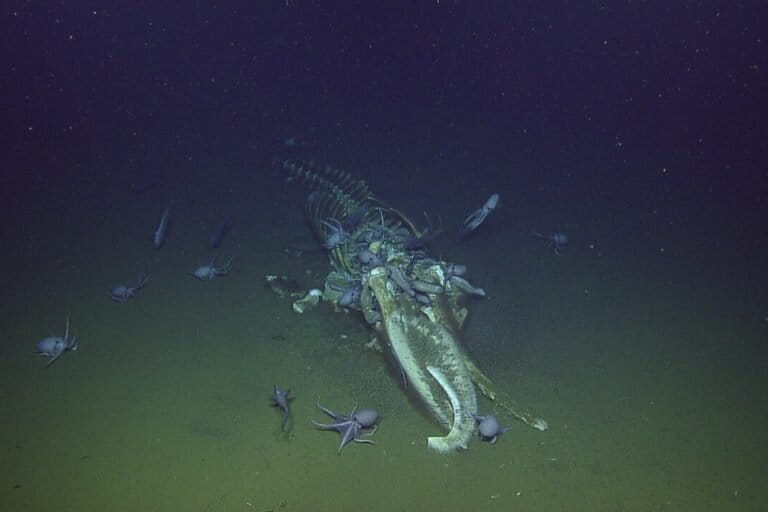
While much of the focus remains on the fossils, the mission also identified five active "whale falls"—carcasses currently being consumed by deep-sea organisms. Among these was the remains of an Antarctic minke whale (Balaenoptera bonaerensis), which measured approximately five meters in length. These sites support specialized communities, including bone-eating Osedax worms, brittle stars, and chemosymbiotic bivalves, all of which rely on the influx of organic material provided by the falling whales.
The depth at which these carcasses are found is striking. One beaked whale skeleton was recorded at an extreme depth of 6,788.7 meters, pushing the known boundaries of where large mammalian remains can be deposited and preserved.
Physiological Extremes and Anthropogenic Risks
The high concentration of beaked whale remains in this region may also be linked to their unique behavioral ecology. Beaked whales are the world’s champion divers; in 2014, a Cuvier’s beaked whale was tracked descending to a depth of 2,992 meters, holding its breath for over two hours. Recent studies suggest these animals regularly push their physiological limits to hunt for squid and deep-sea fish in the bathypelagic zone.
However, this deep-sea lifestyle comes with significant risks. Researchers hypothesize that the Diamantina zone serves as a primary hunting ground, and that the sheer frequency of these extreme dives may contribute to a higher rate of natural mortality in the area.
Beyond natural causes, beaked whales face mounting pressure from human activity. The species is notoriously sensitive to anthropogenic noise, particularly sonar used by naval forces. Historically, instances of mass strandings in regions like the Bahamas (2000) and the Canary Islands (2002) have been statistically linked to the use of military sonar, which interferes with the whales’ echolocation and triggers dangerous behavioral responses, such as rapid ascent, leading to decompression sickness.
Scientific Implications and Future Research
The implications of the Diamantina discovery extend far beyond the identification of new species. For marine biologists and conservationists, this site offers a baseline for understanding how whale populations have responded to climate change and ocean shifts over the last five million years.
"The data we have gathered is merely the tip of the iceberg," stated the research team in their report. Because only a fraction of the total fracture zone has been mapped, the potential for discovering additional unknown species and gaining further insights into the life cycles of these mammals remains high.
As technology for deep-sea exploration advances, the ability to study these environments without disturbing them becomes critical. The Fendouzhe mission has demonstrated that manned submersibles can provide high-resolution data that autonomous drones or surface-based sensors cannot replicate.
Moving forward, the international scientific community is calling for the establishment of long-term monitoring protocols in the Diamantina Zone. By protecting this unique "necropolis," researchers hope to continue uncovering the secrets of a family of whales that has navigated the world’s deepest waters for millions of years, largely hidden from human eyes until now. The findings published in Nature confirm that the ocean floor is not merely a graveyard, but a vital repository of the Earth’s biological legacy, waiting to be interpreted by the next generation of deep-sea researchers.









