
 Nila Kartika Wati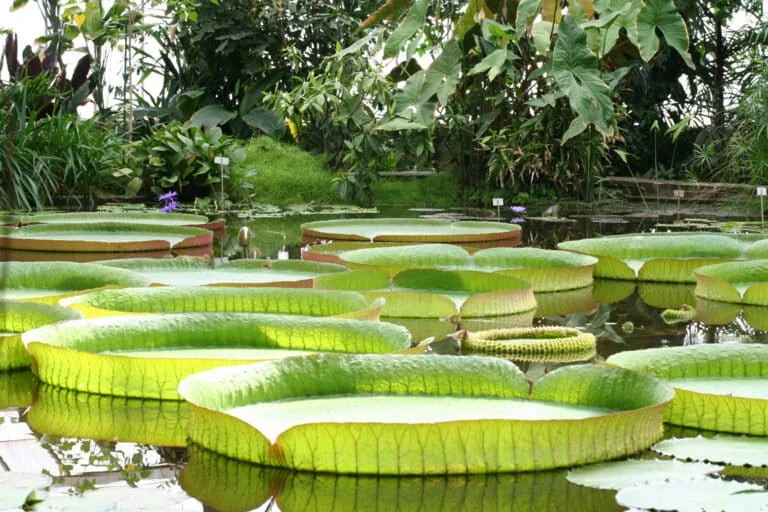
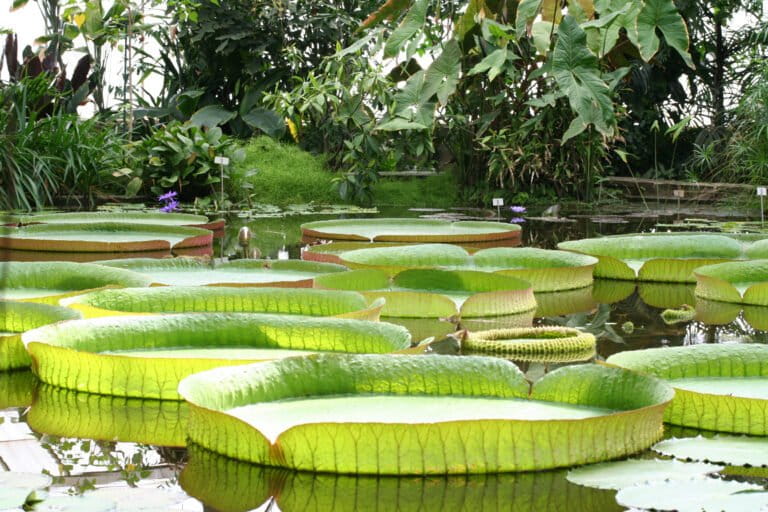
The Victoria amazonica, a colossal aquatic plant native to the marshes and shallow oxbow lakes of the Amazon River basin, stands as one of nature’s most sophisticated engineering feats. With circular leaves reaching diameters of up to three meters, this botanical wonder has long captivated scientists and explorers alike. Beyond its sheer scale, the plant possesses a remarkable structural integrity, capable of supporting static loads of up to 30 kilograms—roughly the weight of a young child—without succumbing to structural failure or submergence. This extraordinary resilience is not merely a product of size but of a highly evolved internal geometry that allows the species to dominate its competitive aquatic environment.
The Victoria genus is comprised of three distinct species: V. amazonica, V. cruziana, and the most recently classified member, V. boliviana. While V. amazonica and V. cruziana have been recognized for centuries, V. boliviana was only formally identified and confirmed as a separate species in 2022. This discovery, supported by genetic and morphological evidence, underscores the complex evolutionary history of these giant water lilies and highlights the ongoing efforts of the global botanical community to catalog and preserve the biodiversity of the Amazonian wetlands.
Biological Engineering and Structural Integrity
Recent interdisciplinary research conducted by scholars from the University of Manchester and the University of Oxford has shed light on the biomechanics of the Victoria leaf. Through advanced modeling and field observations, the study revealed that the leaf’s geometry is significantly more efficient than that of other aquatic plants. The key to this strength lies in the plant’s vascular anatomy.
The underside of a Victoria leaf features a complex, radial arrangement of reinforced ribs that act much like the steel beams of a modern bridge or the structural grid of an aircraft wing. This network of ribs is not uniform; its varying thickness and density allow for the optimal distribution of physical stress. When weight is applied to the surface, the structural grid ensures that the pressure is dissipated across the entire leaf surface, preventing localized tearing or buckling.
In addition to this skeletal structure, the plant employs several secondary adaptations to maintain buoyancy. The edges of the leaves are turned upward, creating a rim that prevents water from spilling over the surface while simultaneously providing additional rigidity. The underside of the leaf is covered in a dense network of air-filled chambers (aerenchyma), which provide the necessary lift to keep the massive structure afloat. Furthermore, the top surface is coated in a thick, hydrophobic waxy layer that repels water and prevents the plant from becoming waterlogged, a critical adaptation for a plant that must maintain constant exposure to sunlight to perform photosynthesis.
The Ephemeral Beauty of the Giant Bloom
While the leaves are the most recognizable feature of the Victoria amazonica, the plant’s reproductive organs are equally impressive. The flowers of this species are massive, reaching diameters of up to 40 centimeters. Their lifecycle is remarkably brief and highly specialized, occurring only at night and lasting for a duration of approximately 48 hours.
On the first night of blooming, the flower typically emerges as a white, fragrant blossom. This scent, combined with the heat generated by the flower—a process known as thermogenesis—attracts nocturnal beetles, the plant’s primary pollinators. By the second night, the flower undergoes a color change, shifting to a deep pink or purple hue, and begins to close, effectively trapping the pollinators inside to ensure fertilization. This ephemeral display is a testament to the plant’s highly evolved relationship with its ecosystem, ensuring genetic diversity in an environment where competition for resources is fierce.
Ecological Role and Habitat Dynamics
Within the intricate web of the Amazonian rainforest, the Victoria amazonica acts as an ecosystem engineer. By creating expansive, floating platforms, the leaves provide essential shelter and shade for a multitude of organisms. Beneath the giant pads, small fish, amphibians, and aquatic invertebrates find refuge from predators and the intense heat of the tropical sun.
Furthermore, the physical presence of these leaves on the water’s surface significantly alters the microclimate of the water column. By blocking direct sunlight, the leaves regulate water temperature and inhibit the overgrowth of algae, thereby modulating the photosynthetic activity of submerged aquatic vegetation. This regulation is vital for maintaining the balance of oxygen levels in the water, which in turn supports the health of the broader aquatic community. The loss of these plants would have a cascading effect, likely leading to a decline in biodiversity within the marshes and oxbow lakes they inhabit.
Anthropogenic Threats and Environmental Degradation
Despite its resilience against physical weight, the Victoria amazonica is increasingly vulnerable to the cumulative effects of human activity. The Amazon basin is currently facing unprecedented pressure from deforestation, infrastructure development, and industrial pollution. These activities have direct and indirect consequences for the survival of the giant water lily.
Deforestation in the surrounding rainforest regions has led to increased soil erosion, which in turn results in higher levels of sedimentation in the marshes and lakes. As silt accumulates in these shallow waters, the habitat of the Victoria amazonica is physically altered, often making it difficult for the plants to root or maintain the specific water depths required for optimal growth. Additionally, changes in land use have disrupted local hydrology, affecting the seasonal flooding cycles that are crucial for the plant’s reproductive success.
Climate change acts as a force multiplier for these existing threats. Altered rainfall patterns have led to unpredictable fluctuations in water levels, while rising temperatures influence the delicate chemical balance of the wetlands. Research indicates that even minor deviations in water temperature can inhibit the flowering process, thereby reducing the plant’s ability to propagate. Pollution, particularly from agricultural runoff and illegal mining activities, introduces toxins into the water that can weaken the plant’s cellular structure, rendering it more susceptible to disease and pests.
Global Conservation Initiatives and Monitoring
Recognizing the urgent need to protect this iconic species, international botanical institutions and local communities have intensified their conservation efforts. World-renowned facilities, such as Kew Gardens in London, have successfully cultivated the Victoria amazonica, serving as a critical "insurance policy" against extinction in the wild. These collections not only facilitate public education but also provide researchers with a controlled environment to study the species’ genetics and requirements for survival.
In the field, conservationists are turning to modern technology to monitor the health of wild populations. The use of drone surveillance has revolutionized the ability of researchers to map the distribution of these plants across vast and often inaccessible wetland areas. These aerial surveys allow for the rapid identification of habitat loss and the effectiveness of current protection measures.
However, technology alone is insufficient. The most successful conservation programs are those that integrate traditional ecological knowledge with community-led initiatives. In many parts of the Amazon, local indigenous communities are being empowered to act as stewards of their lands. By involving those who live closest to the habitat, conservationists can ensure that protection efforts are both sustainable and culturally aligned. These community-based programs focus on restoring degraded wetlands and enforcing restrictions on activities that threaten the water quality of the marshes.
Future Outlook and Scientific Implications
The ongoing study of Victoria amazonica serves as more than just a lesson in botany; it provides insights into biomimicry and sustainable design. The structural efficiency of the leaf—its ability to maximize load-bearing capacity while minimizing material use—has caught the attention of engineers and architects seeking to develop lighter, stronger, and more sustainable construction materials.
Looking forward, the preservation of the Victoria amazonica is inextricably linked to the broader effort to protect the Amazon rainforest. If the current rate of environmental degradation continues, there is a significant risk that wild populations will be pushed toward local extinction. The challenge lies in balancing the developmental needs of the Amazonian nations with the imperative to maintain the ecological integrity of the world’s largest tropical basin.
Scientific consensus suggests that without a concerted global effort to mitigate the effects of climate change and enforce stricter environmental regulations in the Amazon, the future of the Victoria amazonica remains precarious. The loss of such a unique species would not only be a blow to global biodiversity but would also signify a failure to protect one of the planet’s most vital and complex ecosystems. As researchers continue to unlock the mysteries of this giant water lily, it is hoped that the awareness generated by these findings will translate into tangible policy changes and enhanced conservation funding, ensuring that the Victoria amazonica continues to grace the waters of the Amazon for generations to come.
In conclusion, the Victoria amazonica stands as a symbol of both the majesty and the fragility of the natural world. Its evolution into an engineering marvel reflects millions of years of adaptation to a challenging environment. Yet, this history of survival is now being challenged by forces it cannot adapt to on its own. The combined efforts of the scientific community, policymakers, and local stakeholders are the only viable path toward securing the future of this botanical giant. The persistence of the Victoria amazonica in our lakes and in our scientific literature depends on our collective willingness to safeguard the habitats that define the identity of the Amazon basin.









