
 Nila Kartika Wati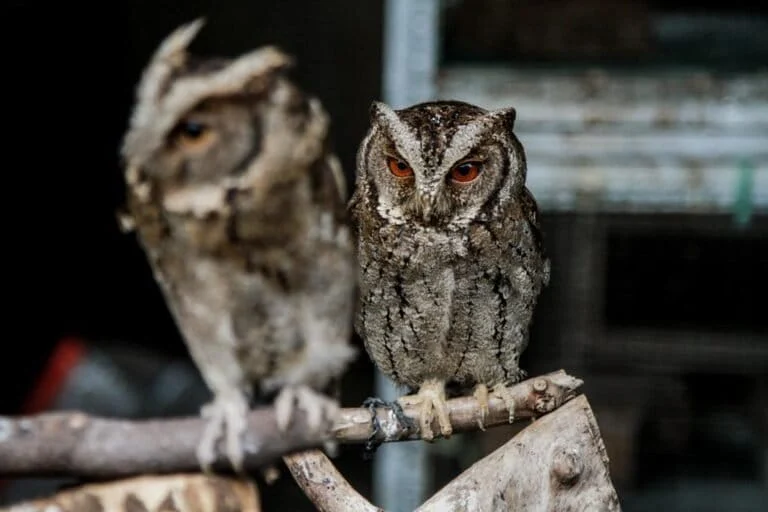
The dawn of 2026 has brought a wave of disturbing reports from the Nusa Tenggara Timur (NTT) province, where a series of violent incidents involving owls has sparked widespread public outcry and a renewed debate over the intersection of local folklore and wildlife conservation. These incidents, which have circulated rapidly across social media platforms, underscore a profound disconnect between traditional beliefs and modern environmental ethics. As authorities scramble to address the killings of protected avian species, conservationists warn that the eradication of these predators may have dire consequences for local agricultural stability.
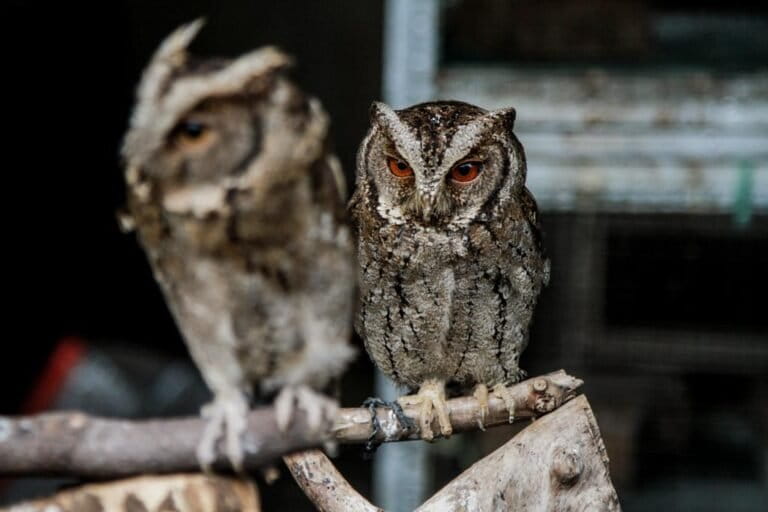
The cycle of violence began early in the year with the senseless shooting of a Barn Owl (Tyto alba), a species widely recognized for its efficacy in natural pest control. This initial act of cruelty was followed by a more harrowing incident in August, involving the endemic Flores Scops Owl (Otus alfredi). Witnesses and subsequent investigations revealed that the latter bird was burned alive by individuals motivated by deep-seated, generational superstitions. These perpetrators held the misguided conviction that the presence of an owl is an omen of malevolence or an instrument of dark magic, believing that the destruction of the bird would neutralize the perceived supernatural threat.
Chronology of Conflict: From Superstition to State Intervention
The events in NTT are not isolated, yet their recent intensification has forced the Natural Resources Conservation Agency (BKSDA) to take a firm stance. The chronology of these events highlights a troubling trend:
- Early 2026: Reports emerge of a Tyto alba being shot in a rural district of NTT, igniting local social media discussions regarding the treatment of nocturnal wildlife.
- August 2026: A second, more brutal incident occurs involving an Otus alfredi, which is captured and burned alive by locals, leading to a viral outcry that prompted an investigation by provincial authorities.
- Post-August 2026: BKSDA NTT officials begin a series of outreach programs, shifting from reactive investigation to proactive community engagement to counter the misinformation surrounding nocturnal raptors.
These acts of violence represent a direct violation of Indonesian law. Adhi Nurul Hadi, the Head of BKSDA NTT, has issued stern warnings to the public, citing the newly enacted Law No. 32 of 2024 concerning the Conservation of Living Natural Resources and Their Ecosystems. Under this legislative framework, the harm, capture, or killing of protected wildlife can result in severe criminal penalties, including imprisonment for up to 15 years. The legal response is intended to serve as a deterrent, yet officials acknowledge that the law alone is insufficient to address the cultural roots of the violence.
Biological Realities and the "Ghost" Misconception
The term "burung hantu" (ghost bird), while colloquially ingrained in Indonesian culture, serves as a double-edged sword. Biologically, the traits that make these birds successful hunters are precisely the traits that have fueled human fear and folklore for centuries. Owls possess extraordinary physiological adaptations for nocturnal survival. Their eyes, fixed in their sockets, are designed for extreme light sensitivity, while their specialized ear placement allows for acute sound triangulation, enabling them to strike in near-total darkness.
Perhaps most uncanny is their ability to fly almost silently. The serrated edges of their flight feathers break up air turbulence, muffling the sound of their wings. To a human observer in a quiet, dark forest, the sudden, silent appearance of an owl can be a jarring experience, often interpreted through a supernatural lens. However, these "ghostly" qualities are the result of millions of years of evolutionary refinement, turning these birds into one of the most effective natural pest control agents in the animal kingdom.
The Ecological Dividend: Why Owls Are Indispensable
Beyond the aesthetic or cultural value of the owl, there is an indisputable economic argument for their protection. Research, such as the comprehensive study conducted by Tirsyanto et al., illustrates that the diet of the Tyto alba consists of over 90% agricultural pests, primarily rice-field rats. A single adult owl can consume as many as 1,300 rodents annually. In regions where agriculture is the backbone of the economy, the presence of these raptors acts as a biological buffer against crop loss.
The implementation of rubuha (owl nesting boxes) has been shown to significantly reduce the need for chemical rodenticides. By providing artificial habitats for owls, farmers can create a symbiotic relationship where the bird is supported by the farm, and in turn, protects the harvest. When communities kill these birds, they inadvertently trigger an ecological cascade: the predator population drops, the rodent population explodes, and farmers are forced to spend significantly more on synthetic pesticides, which often degrade soil quality and contaminate water sources. The destruction of these birds is, therefore, an act of economic self-sabotage.
Cultural Divergence: A Lesson from Minahasa
The tragedy in NTT stands in stark contrast to the cultural perceptions of owls in other parts of the Indonesian archipelago. In Minahasa, North Sulawesi, the owl is not viewed as a harbinger of death but as a respected messenger of the ancestors. Local traditions in Minahasa interpret the calls of an owl at night as guidance or communication from those who have passed, rather than as a curse. This cultural framing has historically provided a high level of protection for the species, allowing local owl populations to flourish in habitats where they might otherwise be persecuted.
The discrepancy between the NTT and Minahasa perspectives suggests that the solution to the current crisis lies not only in law enforcement but in cultural education. Conservationists argue that by highlighting the positive roles of owls—both as ecological guardians and as respected figures in other Indonesian cultures—authorities can begin to shift the narrative.
The Path Forward: Implications and Mitigation
The implications of the 2026 incidents extend far beyond the immediate welfare of the two birds killed. The crisis has exposed a significant gap in environmental literacy within rural communities. If the state is to succeed in its conservation mandate, it must move beyond the threat of 15-year prison sentences. A multi-pronged approach is necessary:
- Educational Integration: Local schools and community leaders must be engaged to debunk myths regarding the "supernatural" nature of owls, emphasizing instead their scientific role in pest management.
- Economic Incentive Programs: Expanding the use of rubuha as a government-subsidized agricultural tool can provide a tangible, economic benefit that outweighs the perceived "risk" of having owls nearby.
- Community Engagement: Conservation efforts are most successful when they are localized. Recruiting respected village elders or community figures to lead the conversation on conservation can bridge the gap between scientific truth and traditional belief.
The situation in NTT is a sobering reminder that conservation is not merely a biological challenge; it is a social one. As Indonesia continues to modernize, the protection of its rich, endemic biodiversity will require reconciling the ancient belief systems that define rural life with the modern scientific understanding of ecosystem services. The fate of the Flores Scops Owl and other nocturnal raptors hangs in the balance, dependent on the ability of the state and its citizens to transform fear into understanding. The protection of these species is not just an act of kindness; it is an investment in the resilience of Indonesia’s food security and the health of its natural heritage. Failure to protect these predators will inevitably result in a poorer, more fragile landscape, where the cost of ignorance is paid for by the farmers themselves.









