
 Nila Kartika Wati
The environmental policy framework of President Prabowo Subianto’s administration has come under intense scrutiny from civil society organizations, academics, and former government officials, who argue that the current trajectory prioritizes extractive industrial interests at the expense of ecological stability and long-term sustainability. As Indonesia faces mounting pressure from climate change, habitat loss, and industrial pollution, critics suggest that the government’s reliance on coal, nickel, and palm oil—sectors historically associated with high levels of deforestation and environmental degradation—signals a failure to pivot toward a more regenerative economic model.
The Conflict Between Extraction and Conservation
The fundamental critique leveled against the current administration involves the structural dependence on extractive industries. According to Ade Indriani Zuhri, a researcher at the Center for Sustainable Development and Environmental Studies at the Universitas Nasional, the government’s economic strategy remains tethered to commodities that exacerbate environmental destruction.
Data analysis suggests that the economic contribution of these sectors is often overstated relative to their environmental footprint. While mineral and energy extraction accounts for approximately 8% to 10% of Indonesia’s Gross Domestic Product (GDP), the agricultural and plantation sectors contribute between 12% and 15%. Critics argue that by incentivizing the expansion of mining and monoculture plantations—often at the cost of protected forests—the administration is essentially prioritizing short-term gains for a select few over the long-term food and ecological security of the broader population.
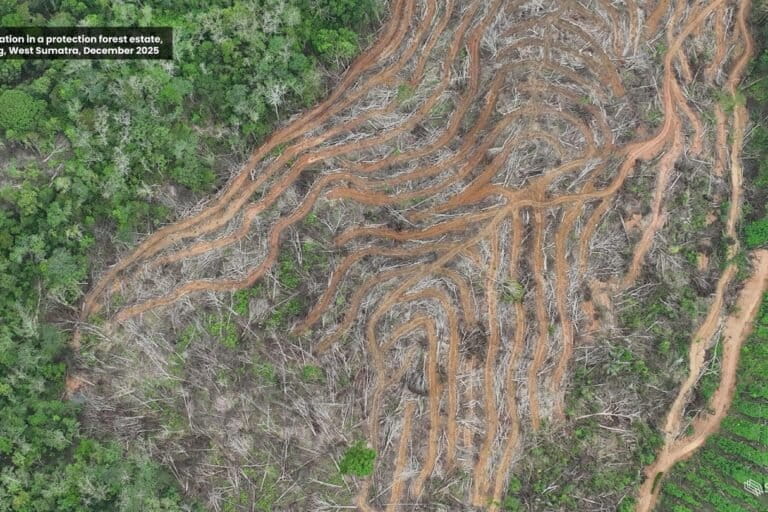
This sentiment is echoed by observers who describe the current governance of natural resources as being heavily influenced by an "oligarchic" structure. The concentration of land permits in the hands of large conglomerates has led to a landscape where vast swaths of forest are "carved up" for industrial use, often neglecting the rights of local communities and the potential for large-scale restoration projects. With over 10 million hectares of degraded forest currently awaiting intervention, proponents of reform argue that the government’s failure to prioritize these areas represents a missed opportunity to sequester carbon and restore biodiversity.
Regional Hotspots of Ecological Collapse
The impacts of these policies are not distributed evenly across the archipelago. Reports indicate that five provinces are currently experiencing acute environmental degradation due to specific industrial pressures:
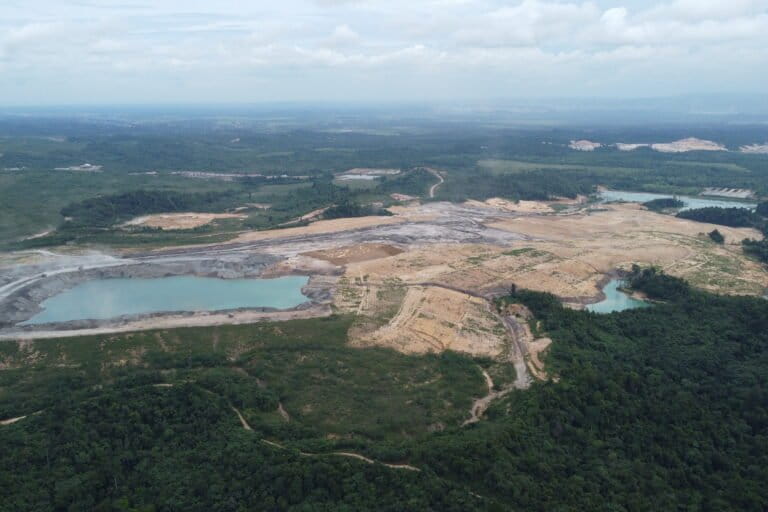
- East Kalimantan: Suffering from the cumulative effects of massive coal mining activities.
- North Sumatra: Dominated by the expansion of palm oil plantations, leading to soil exhaustion and biodiversity loss.
- Riau: Heavily impacted by the pulp and paper industry, which remains a significant driver of peatland drainage.
- Papua: Facing widespread mineral exploitation that threatens pristine ecosystems.
- Central Sulawesi: Experiencing rapid environmental transformation driven by the burgeoning nickel industry.
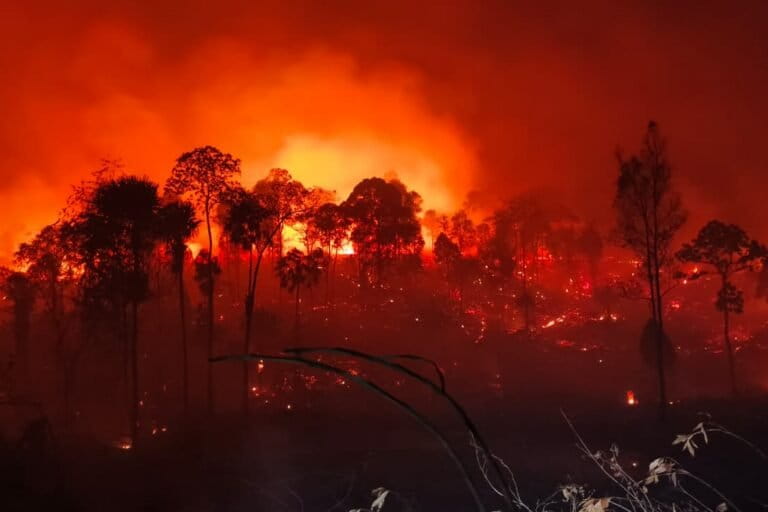
The urgency of this situation is underscored by recent data from the Yayasan Auriga Nusantara’s 2025 Status of Deforestation in Indonesia (STADI) report. The findings reveal a alarming 66% surge in deforestation rates compared to the previous year, with forest loss rising from 261,575 hectares to 433,751 hectares. This acceleration in forest cover loss has raised significant questions regarding the effectiveness of existing environmental regulations and the commitment of the current administration to its climate goals.
Historical Perspective and the Asta Cita Framework
Malem Sambat (MS) Kaban, who served as Minister of Forestry from 2004 to 2009, has been a vocal critic of the administration’s legislative focus. Kaban points to the "Asta Cita"—the strategic roadmap for the 2025–2029 period—noting that it lacks specific, actionable mandates to minimize environmental damage.
The decline in forest cover is a primary concern for observers. Kaban noted that during his tenure, Indonesia maintained approximately 137 million hectares of forest cover. Recent assessments suggest this figure has plummeted to roughly 110 million hectares. The disappearance of nearly 27 million hectares of forest in recent decades remains a central point of contention in public discourse, with critics demanding transparency regarding the conversion of these lands.
Furthermore, the government’s handling of illegal palm oil plantations within forest zones has been described as contradictory. The establishment of the Task Force for Forest Area Regulation (PKH) was initially welcomed as a step toward accountability. However, the subsequent transfer of seized illegal plantations to state-owned enterprises (BUMN) like Agrinas has been criticized as a "rebranding" of the issue rather than a genuine resolution. Critics argue that state-managed industrial agriculture in protected zones remains fundamentally problematic, regardless of whether the operator is private or state-linked.
Waste Management and Carbon Emissions
Beyond land use, the administration faces systemic challenges in waste management and carbon emissions. Academic experts, including Fachruddin Mangunjaya of Universitas Nasional, have highlighted the lack of infrastructure and funding for municipal waste management. With Indonesia generating approximately 70 million tons of waste annually—dominated by organic matter and plastics—the fact that nearly 40% of this waste remains unmanaged poses a severe public health risk.
The conversation regarding emissions is equally pressing. Indonesia currently ranks as the 8th largest emitter of greenhouse gases globally. While much of the focus is placed on forest fires and industrial energy, researchers like Melati Ferianita Fachrul of Universitas Trisakti point to the degradation of water bodies as an overlooked contributor to the carbon crisis. Healthy reservoirs and water bodies possess a high capacity for carbon sequestration—potentially exceeding that of forests—yet these ecosystems are frequently neglected in national climate strategies.
Official Stance and the Dilemma of Governance
In response to these criticisms, Mohammad Jumhur Hidayat, the Minister of Environment, has defended the government’s record by claiming that current policies are designed to steer the nation away from neoliberal exploitation. He points to the recent reclamation of various natural resource assets as evidence that the administration is working to return control to the state for the benefit of the public.
However, Minister Hidayat also acknowledged the "dilemma" faced by officials when balancing economic growth with environmental protection. He admitted that signing environmental permits for coal and other extractive industries often feels like a compromise, driven by the pressure to encourage investment and maintain economic momentum. This admission highlights a deeper, structural tension within the current administration: the struggle to decouple economic prosperity from traditional extractive models.
The Need for "Political Bravery"
As the debate continues, legal and policy experts are calling for a shift from mere "political will" to "political bravery." Muhammad Joni, an expert in environmental law at UNAS, suggests that the current regulatory framework is too vague to effectively hold corporate entities accountable for environmental crimes. He points to the ongoing pollution of the Citarum River as a case where legal enforcement remains trapped in administrative sanctions, which are often insufficient to deter large-scale industrial pollution.
Joni advocates for a "national audit" of all natural resource permits and a more rigorous enforcement mechanism that includes criminal liability for environmental offenders. This perspective is supported by Herman Hidayat from the National Research and Innovation Agency (BRIN), who argues that current legislation fails to address the root causes of environmental harm, preferring instead to treat symptoms with temporary administrative measures.
The path forward, according to these critics, requires a fundamental reform of the national approach to environmental governance. This includes:
- Strict Audit of Permits: Reviewing all existing extractive industry licenses to ensure compliance with environmental and human rights standards.
- Legal Reform: Revising environmental laws to include mandatory criminal penalties for corporations that cause significant ecological damage.
- Restoration Focus: Prioritizing the restoration of the 10 million hectares of degraded forest as a central pillar of national development.
- Institutional Accountability: Ensuring that cabinet ministers and government representatives are held personally and professionally responsible for the environmental outcomes within their jurisdiction.
Conclusion: Implications for the Future
The current environmental landscape in Indonesia is at a critical juncture. The tension between the need for economic development and the necessity of preserving the country’s biological heritage has reached a point where the status quo is increasingly untenable. The administration’s reliance on extractive industries has not only led to increased deforestation and pollution but has also failed to provide the long-term, sustainable economic benefits that are required for the country’s future.
As the government enters the middle of its term, the pressure to demonstrate a shift in policy will likely intensify. Whether the administration chooses to embrace "political bravery" and pursue a path of radical reform or remains committed to its current trajectory will have profound implications for Indonesia’s ecological health and its standing in the global effort to mitigate climate change. The demands from civil society for transparency, accountability, and a genuine transition toward a greener economy are clear; the response of the state will define the environmental legacy of this era.









