
 Nila Kartika Wati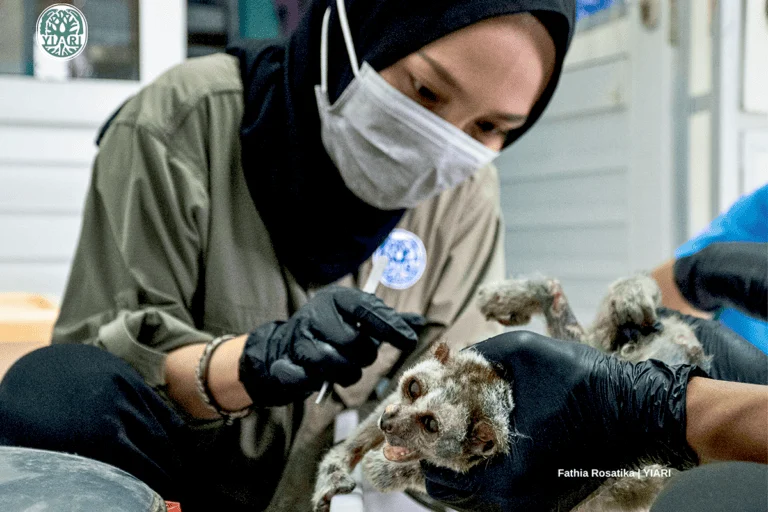
The Javan slow loris (Nycticebus javanicus), a charismatic yet vulnerable primate endemic to the island of Java, is currently facing an alarming surge in life-threatening encounters with human infrastructure. Reports from the International Animal Rescue (IAR) Indonesia indicate a troubling spike in cases where these nocturnal, arboreal creatures sustain severe injuries—or succumb entirely—after coming into contact with high-voltage power lines. This phenomenon, while fluctuating over the past decade, has re-emerged with significant intensity in 2026, forcing conservationists and wildlife experts to re-examine the complex intersection of climate-driven resource scarcity and the relentless encroachment of human development on wild habitats.
A Decade of Data: Mapping the Trend
The history of electrocution among Javan slow lorises provides a window into the broader ecological challenges facing the species. Between 2019 and 2020, rescue centers saw a notable increase in admissions involving scorched, injured, or traumatized lorises found near electrical grids. Following a period of relative stabilization from 2021 through 2025, the year 2026 has witnessed a stark resurgence in these incidents.
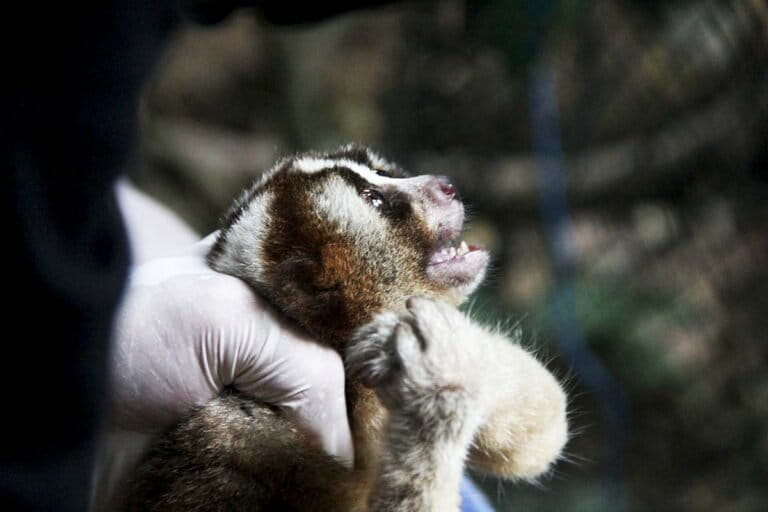
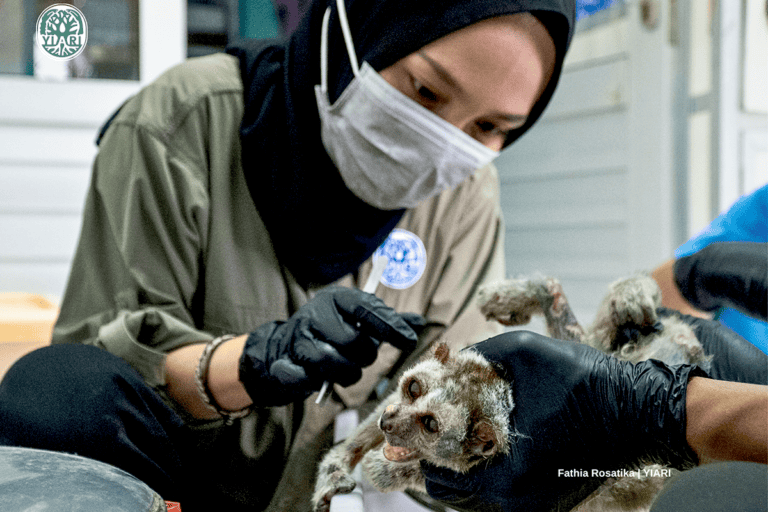
Indri Saptorini, a veterinarian with the Yayasan IAR Indonesia (YIARI), notes that the clinic has already processed 11 victims of electrocution within the current year alone. Tragically, three of these individuals could not be saved, succumbing to the severity of their burns and internal trauma. For the survivors, the path to recovery is arduous. Dr. Saptorini highlights that rehabilitation for electrocution victims is among the most challenging tasks in wildlife medicine, with some cases requiring up to 10 months of intensive care just to ensure that surgical sites from necessary amputations and severe burns fully close. The physiological toll is immense; electricity can burn through skin and muscle to expose bone, often causing irreversible damage to the eyes and nervous system.
Climate Change as a Catalyst for Displacement
The correlation between climate instability and the movement patterns of the Javan slow loris is a subject of growing scientific concern. The slow loris is an obligate arboreal species, meaning its entire life cycle—foraging, socializing, and sleeping—is fundamentally tied to the forest canopy. They possess a specialized locomotion style that allows them to traverse gaps between trees with silent precision, but they are notoriously averse to descending to the forest floor, where they are vulnerable to terrestrial predators.
When environmental conditions shift, the biological rhythm of the forest is disrupted. Experts suggest that extreme weather events, particularly those associated with the El Niño Southern Oscillation (ENSO), can significantly alter the phenology of forest vegetation. Changes in temperature and rainfall patterns impact the flowering and fruiting cycles of trees that the slow lorises depend upon for survival.
As native fruit availability declines, these primates are forced to venture beyond their traditional home ranges to secure food. In a landscape that has been heavily fragmented by human activity, the "natural" path of continuous canopy cover no longer exists. Consequently, power lines and utility cables often become the only viable, albeit lethal, bridges connecting isolated patches of vegetation.
The Underlying Crisis: Habitat Fragmentation
While climate change acts as a stressor, researchers emphasize that it is not the sole driver of this crisis. Wirdateti, a prominent researcher formerly with the National Research and Innovation Agency (BRIN) of Indonesia, argues that the focus on climate must be balanced with the reality of habitat loss. "Climate conditions play a role, but the primary issue is the disruption of their home," she explains.
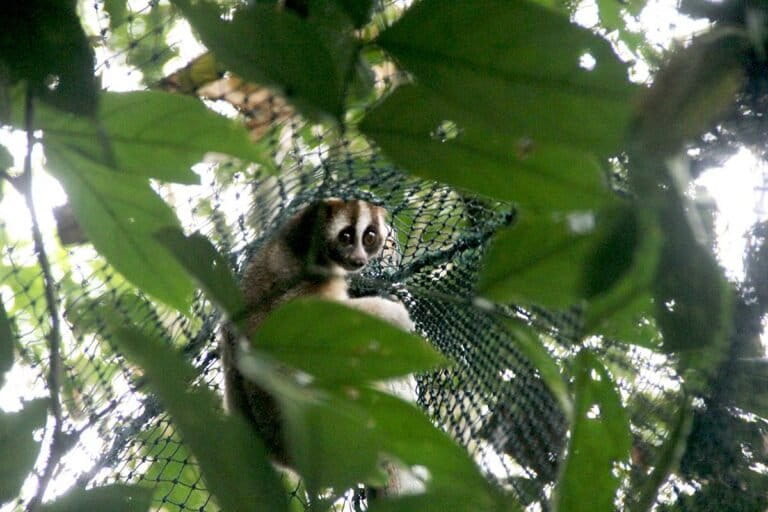
The transformation of forests into residential zones, industrial plantations, and road networks has effectively shattered the connectivity of the Javan landscape. When a patch of forest is isolated, the slow loris is left with an impossible choice: starve in a depleted habitat or traverse the dangerous, human-dominated matrix of the surrounding area.
In this fragmented landscape, infrastructure—specifically electrical wiring—is often the most accessible, if deadly, route. Because these animals are nocturnal, they are frequently unable to distinguish between a sturdy tree branch and a live electrical wire. The resulting contact creates a circuit that causes immediate, catastrophic injury. This is a clear indicator that the "landscape of fear" for these animals has shifted from natural predators to the invisible dangers of modern human development.
Ecological Implications and the Food Web
The decline of the Javan slow loris, which is classified as Critically Endangered by the IUCN, has cascading effects on the ecosystem. As an important seed disperser and a predator of various insects, the loss of these primates affects the health and regeneration of the forests they inhabit.
Wirdateti points out that the food scarcity triggered by environmental change is not limited to fruit. A reduction in the productivity of nectar-producing and fruit-bearing plants leads to a decline in insect populations, which serve as a critical secondary protein source for the slow loris. When the insect-pollinator relationship is broken, the entire forest structure begins to weaken, further exacerbating the habitat quality for the very animals forced to navigate it.
A Call for Connectivity Solutions
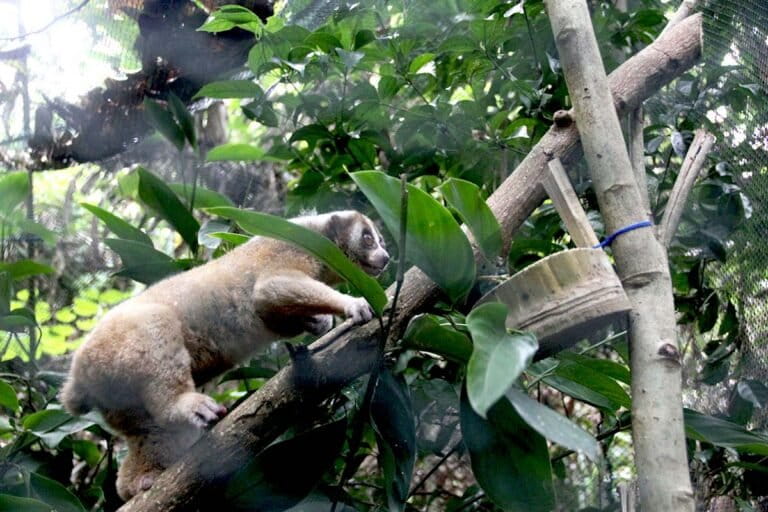
Addressing this issue requires a shift from reactive rescue operations to proactive habitat management. Simply relocating rescued individuals is a temporary fix that does not address the systemic lack of connectivity in their environment. Conservationists are now advocating for the implementation of artificial canopy bridges, a strategy that has shown promise in areas like Cipaganti, Garut.
By utilizing materials such as reinforced ropes or recycled piping, conservationists can create "wildlife corridors" that span gaps between fragmented forest patches. These bridges provide a safe, alternative pathway that encourages the lorises to stay within the canopy, far from the lethal reach of electrical lines.
However, these interventions require long-term planning and cooperation between conservation organizations, local governments, and utility companies. Insulating power lines in high-risk areas and creating wildlife-friendly urban planning are essential steps toward mitigating the risk of electrocution.
Future Outlook and Scientific Rigor
The case of the 2026 surge in electrocutions serves as a clarion call for integrated conservation strategies. The interaction between macro-environmental trends—like global warming—and micro-environmental threats—like power line placement—highlights the complexity of protecting biodiversity in the Anthropocene.
Researchers are calling for more granular longitudinal studies to map the exact hotspots of interaction between slow lorises and electrical infrastructure. By identifying these "black spots," conservationists can prioritize where to install bypass bridges and where to advocate for grid insulation.
As the Javan slow loris continues to struggle against the dual pressures of climate change and rapid development, the efforts of organizations like IAR Indonesia and the scientific community remain critical. Protecting the species is not merely about preventing injury; it is about restoring the connectivity of the Javan landscape. Without a concerted effort to link the remaining fragments of their home, the slow loris will remain tethered to the very infrastructure that threatens its existence. The survival of this unique primate depends on our ability to design a landscape where human progress does not come at the cost of the silent, nocturnal life that calls the canopy home.









