
 Nila Kartika Wati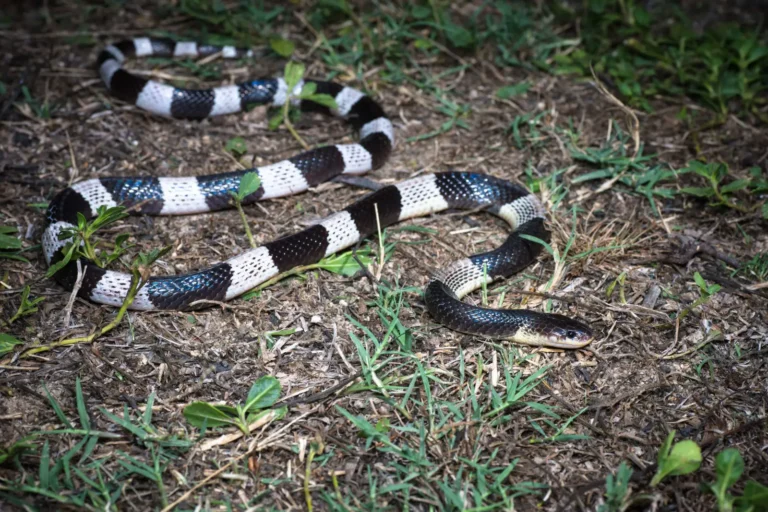
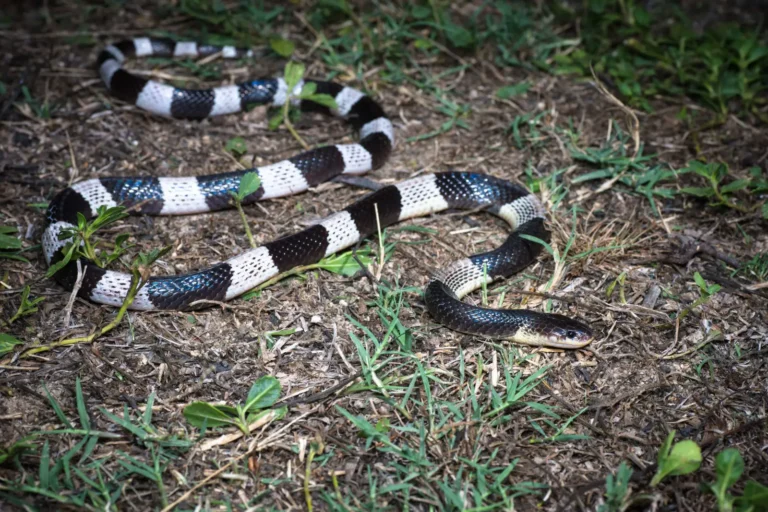
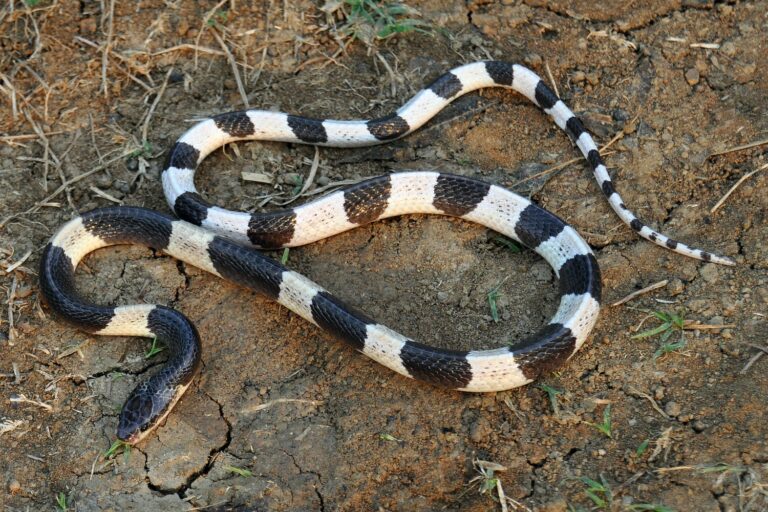
The rapid expansion of urban centers, sprawling university campuses, and intensive agricultural zones has drastically altered the ecological landscape of Southeast Asia, forcing wildlife into an unprecedented proximity with human populations. While many species are driven to local extinction by this encroachment, others have demonstrated a remarkable, if concerning, ability to adapt to human-built environments. Among the most precarious of these "synanthropic" species is the Malayan krait (Bungarus candidus), a highly venomous elapid that has increasingly blurred the lines between wilderness and residential zones. Recent scientific investigation suggests that these snakes are not merely passing through our neighborhoods but are actively utilizing man-made structures as primary habitats, raising significant public health concerns.
The global burden of snakebite envenomation is a severe, yet often overlooked, crisis. According to the World Health Organization (WHO), which officially classified snakebite envenomation as a high-priority neglected tropical disease in 2017, more than 2.5 million people fall victim to snakebites annually. This results in an estimated 81,000 to 138,000 deaths worldwide. In Southeast Asia, the Malayan krait stands out as a particularly formidable threat. In Thailand, it is documented as one of the leading causes of snakebite-related fatalities, rivaling the incidence rates of the common Malayan pit viper (Calloselasma rhodostoma). Despite this lethal reputation, the behavioral ecology of the krait remained largely shrouded in mystery until a groundbreaking study conducted at the Suranaree University of Technology in Nakhon Ratchasima, Thailand, provided the first comprehensive look at how these reptiles navigate a world built for humans.
Chronology of a Campus Study
Between June 2018 and March 2020, a dedicated research team embarked on an intensive tracking project to bridge the knowledge gap regarding the Malayan krait’s spatial movements. The study, published in the journal Scientific Reports, involved 14 individual snakes fitted with radio transmitters by veterinary professionals from the Nakhon Ratchasima Zoo. The researchers tracked these subjects almost daily, meticulously documenting their movements across a 11-square-kilometer campus.
The campus itself is a microcosm of modern Southeast Asian development. It serves a population of over 15,000 students and staff, featuring a dense network of lecture halls, laboratories, hospitals, and student dormitories. Amidst this concrete expanse, only 37 small patches of original mixed deciduous forest remain, while the surrounding periphery is dominated by monoculture farming—specifically cassava, corn, and eucalyptus.
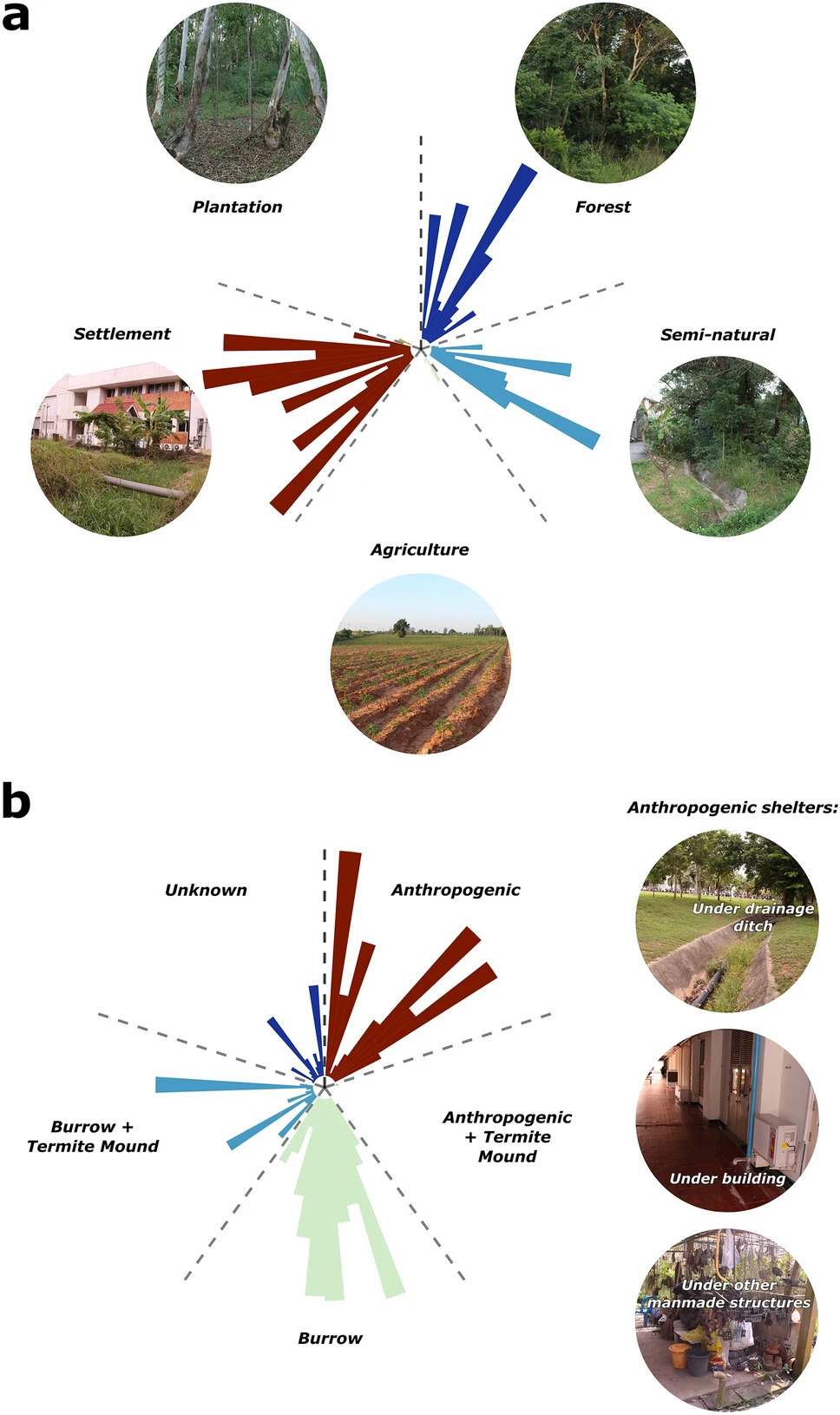
The findings challenged initial hypotheses. Researchers had anticipated that the snakes would prefer the remaining forest patches, yet the data revealed a starkly different reality: over 50 percent of the tracked locations were within residential or academic zones, and nearly 75 percent of their movements were intimately linked to man-made structures. Agricultural lands, conversely, were almost entirely avoided, likely due to the constant tilling and soil disturbance that prevents the formation of stable, long-term refuges.
The Concrete Sanctuary: Why Kraits Choose Buildings
The study identified a distinct preference for structural environments. For shelter, the snakes favored gaps beneath building foundations, concrete drainage systems, and pavement crevices with a frequency comparable to the use of natural animal burrows. In one instance, a female specimen remained stationary beneath a building foundation for 85 consecutive days. Scientists suspect this was a nesting site, an alarming possibility given that the hatching of offspring within such close proximity to living quarters poses a significant risk to the human occupants.
The fidelity to these locations was high. Nearly all tracked individuals repeatedly returned to the same hiding spots, with six males remaining sedentary in a single location for 20 days or longer; one specimen remained in a single spot for 94 days. This sedentary behavior, combined with the fact that their range of movement did not differ significantly from counterparts in the nearby Sakaerat Biosphere Reserve, suggests that the presence of humans does not inherently deter the krait. Rather, the snakes appear to treat human structures as "artificial rock outcrops."
These structures provide critical thermoregulatory benefits, allowing the snakes to maintain optimal body temperatures while avoiding extreme heat. Furthermore, these concrete habitats function as concentrated micro-ecosystems; they are frequently populated by the krait’s natural prey, including smaller snakes, frogs, lizards, and rodents. Observation data underscored this opportunistic feeding behavior: of 37 instances where the snakes were actively hunting or moving, 22 occurred within one meter of concrete infrastructure. Researchers even observed specimens consuming other snakes within the concrete drainage ditches near student dormitories.
Nocturnal Habits and Seasonal Dynamics
Camera trap data, involving over one million images, provided a granular look at the species’ activity cycles. The Malayan krait is strictly nocturnal, with peak emergence occurring between 7:00 PM and 10:30 PM. This timeline is particularly hazardous, as it overlaps with the hours when students and staff are most active on campus.
Seasonality also plays a crucial role in krait behavior. The study noted that male krait movement increases significantly during the monsoon season, while their activity levels plummet during the heat of the summer. The long-distance migrations—some exceeding one kilometer—observed during the transition from the rainy season to early winter are believed to be driven by reproductive searches. This cyclical behavior perfectly mirrors clinical data from Thai hospitals, where nearly 50 percent of all krait-related bites occur during the rainy season, compared to only 20 percent in the hotter months.
The Pathophysiological Challenge
The danger posed by the Malayan krait is compounded by the nature of its venom. Unlike the bites of some vipers, which cause immediate, excruciating pain, krait bites are often painless and can occur while victims are asleep. The venom is a potent neurotoxin that causes progressive muscle paralysis, often leading to respiratory failure.
Research into the molecular composition of the venom has revealed significant geographic variation. Comparative laboratory analysis of venom samples from Indonesia, Malaysia, and Thailand demonstrated that Indonesian krait venom exhibits a much faster rate of neurotoxicity on avian muscle tissue than that of its neighbors. This variance highlights a critical clinical implication: antivenom efficacy and treatment protocols may need to be localized to account for regional differences in toxin profiles, ensuring that medical facilities are equipped with the appropriate resources to combat the specific threat in their area.
Mitigating the Risk: Implications for Human Safety
Despite the close proximity between the snakes and the human population at the study site, no bites were reported during the two-year duration of the project. However, the study serves as a clear indicator that human-snake conflict is a matter of "when" rather than "if." The snakes themselves face high mortality rates from human activity; one tracked individual was killed by a vehicle, and researchers frequently observed road-killed specimens near the study area.
The research team advocates for a multifaceted approach to risk management. Drawing on successful initiatives in places like Tamil Nadu, India, they suggest that simple behavioral adjustments can drastically reduce bite incidence. These include:
- Infrastructure Modifications: Closing gaps under building foundations and sealing entry points to dwellings.
- Personal Protective Measures: Using flashlights when walking at night and wearing protective footwear in high-risk areas.
- Domestic Safety: Sleeping under bed nets, a practice that has proven highly effective in rural Nepal for preventing nighttime bites.
There is also a cautionary note regarding habitat management. While clearing vegetation near buildings might reduce snake presence, it could inadvertently degrade the ecological value of the campus and is not a guaranteed solution. Relocating snakes, as shown by supplementary studies on the campus, is largely ineffective; displaced kraits often return to their original sites or wander into more dangerous, high-traffic areas.
Conclusion: A New Era of Urban Coexistence
The Suranaree University of Technology study acts as a clarion call for urban planners and public health officials across Southeast Asia. As urbanization continues to swallow natural habitats, the "wild" is no longer just on the periphery—it is in our drainage pipes, our foundations, and our walkways.
The Malayan krait’s adaptation to the modern campus environment illustrates a broader evolutionary trend: the ability of certain species to exploit the niches created by human progress. To mitigate the risks associated with this coexistence, the focus must shift from eradication to education. Understanding the seasonal, nocturnal, and structural preferences of the Malayan krait is the first step toward creating a safer environment where the demands of modern development do not result in a preventable public health crisis. The data provided by this study provides the foundation for evidence-based policies that can safeguard human lives while acknowledging the reality of our shared, and increasingly interconnected, environment.









