
 Nila Kartika Wati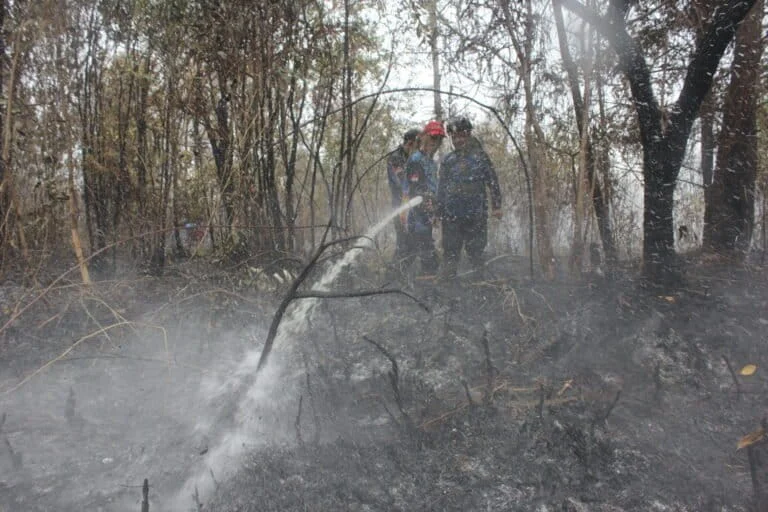
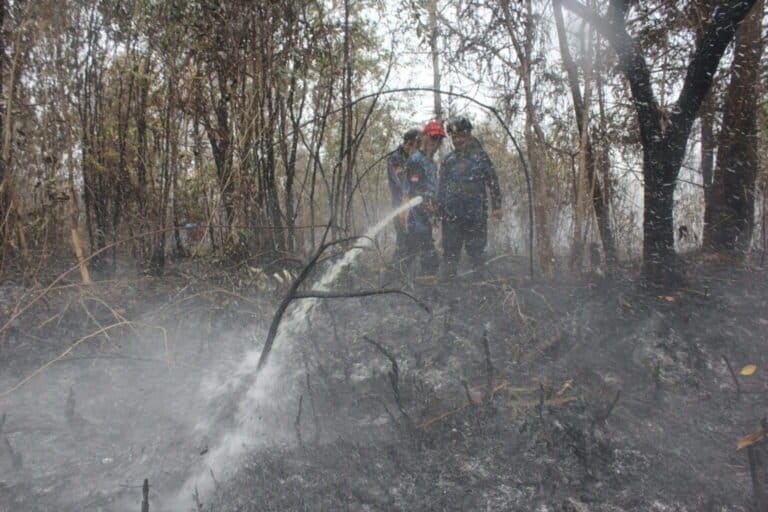
The wildfire crisis currently gripping Indonesia, particularly the Papua region, has reached a critical inflection point in 2026, marking a significant departure from historical fire patterns. While national attention has often focused on the perennial haze issues in Kalimantan and Sumatra, the Indonesian archipelago is now witnessing a massive, multi-regional environmental catastrophe. Data from the Ministry of Forestry’s Sipongi monitoring system indicates that wildfires have ravaged over 30,000 hectares of land in Papua alone throughout 2026, with the most severe damage concentrated in South Papua—a primary hub for the government’s Proyek Strategis Nasional (PSN) or National Strategic Projects.
The Geography of the Blaze: Papua’s Unprecedented Fire Season
The scale of the destruction in Papua is unprecedented. According to reports from the Yayasan Pusaka Bentala Rakyat, the damage is not merely a consequence of the dry season or El Niño-driven climatic variations. Instead, the fires appear inextricably linked to aggressive land clearing for large-scale agricultural ventures, including food estates and sugar cane plantations.
In South Papua, approximately 25,838 hectares have been scorched. Central Papua and West Papua have also suffered, recording 2,519 hectares and 2,496 hectares lost, respectively. Analysts from Walhi (Friends of the Earth Indonesia) Papua observe that these fires are no longer isolated, sporadic incidents. Rather, they are synchronized events occurring across multiple provinces, suggesting systematic clearing practices that utilize fire as a primary tool for landscape transformation.
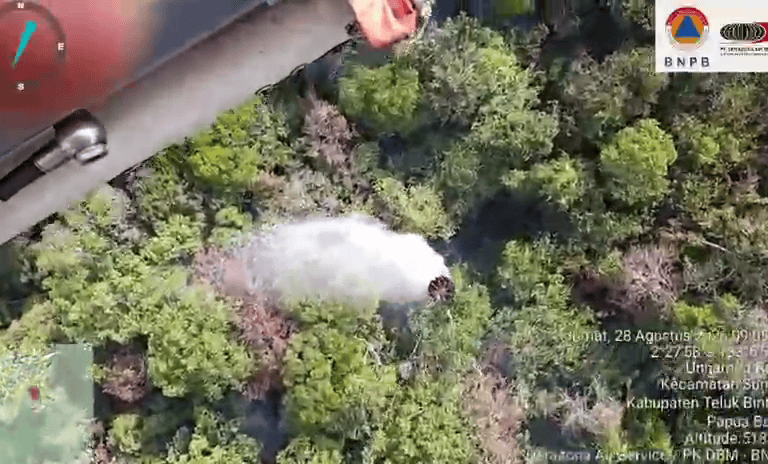
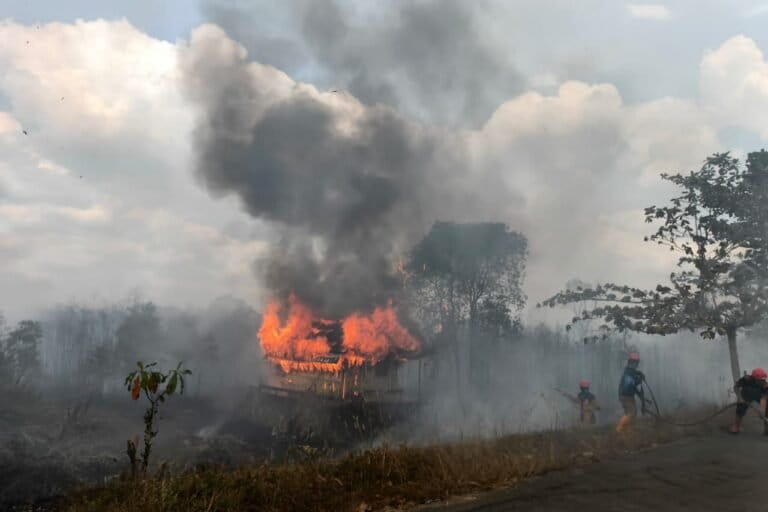
Drone footage and field observations in Merauke and Boven Digoel reveal a disturbing pattern: vegetation and debris from land clearing are systematically piled into rows and ignited. This methodology effectively bypasses mechanical clearing costs but results in uncontrolled fire spread into surrounding ecosystems.
A Chronology of Neglect
The 2026 fire season began showing alarming signals as early as July. Between July 1 and July 9, 2026, satellite imagery detected 1,292 hotspots in South Papua alone. Of these, nearly 400 were located within licensed areas, including 245 inside designated food estate zones and 115 within forestry concession areas. By August, the situation had spiraled. Between August 23 and August 26, 512 hotspots were identified in Central Papua, causing massive disruption to local air quality and visibility.
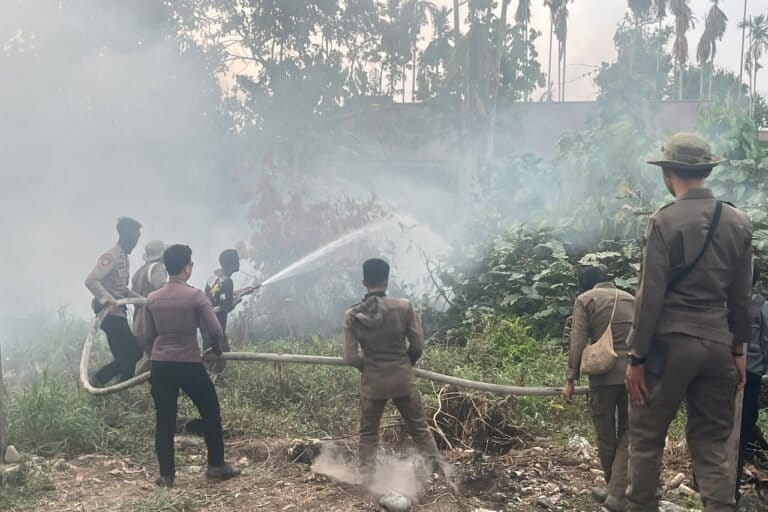
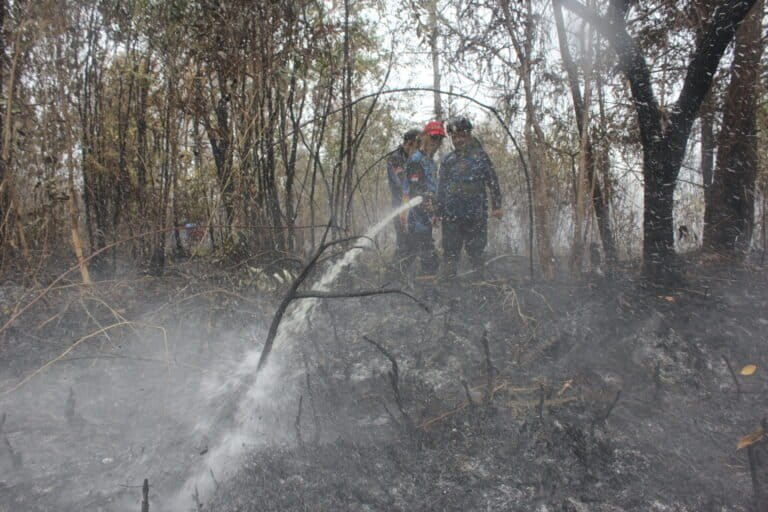
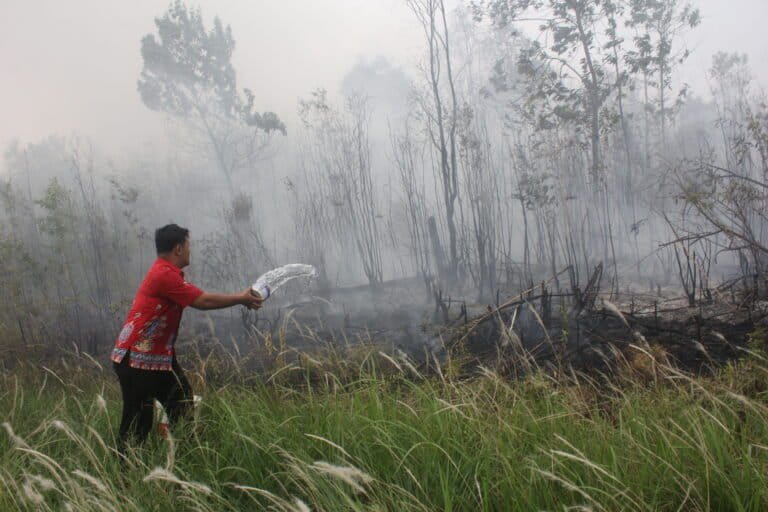
By mid-September, the crisis reached a breaking point, with local disaster management agencies reporting active fires across six villages in Nabire, Papua Tengah, involving critical peatland areas. Despite the clear correlation between land-clearing activities and the spike in fire activity, the state’s response remains largely reactive, focusing on localized water-bombing operations rather than systemic prevention or corporate accountability.
Environmental and Social Impacts on Indigenous Communities
The environmental cost of these fires extends far beyond the loss of timber. The fires are consuming critical carbon sinks, including the Sungai Ifuleki Bian–Sungai Dalik peat hydrological zone, where over 547,000 hectares are currently classified as high-risk for fire. When peatland burns, it releases massive quantities of stored carbon into the atmosphere, exacerbating regional climate instability and destroying the very ecosystems that regulate local water cycles.
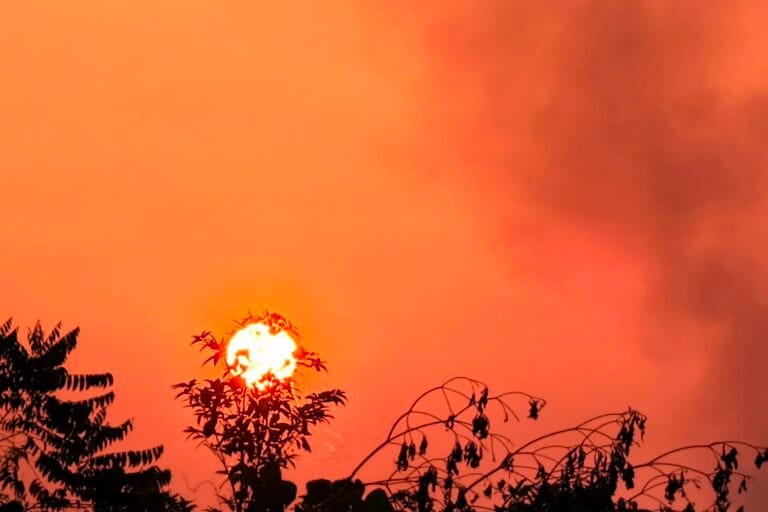
For indigenous communities, such as the Suku Yei and the Suku Marind, these forests represent more than just land; they are "supermarkets" and pharmacies. The destruction of these areas threatens their food security and traditional medicinal sources. In Merauke, fire activity between August 18 and 23 alone impacted over 116 hectares, directly threatening the livelihoods of these traditional groups. In Nabire, the haze has become so thick that quality of life in over 20 villages has plummeted, with medical authorities reporting that air quality has reached dangerous levels, severely hindering education and public health.
The National Health Crisis: A Comparison of Data
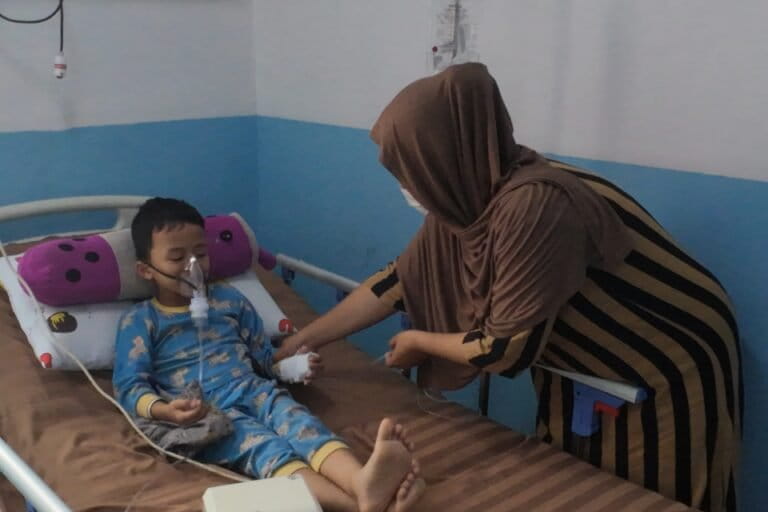
While Papua faces a new, intensifying threat, the fires in Kalimantan and Sumatra continue to plague the nation. As of September 9, 2026, the Ministry of Health reported 113,336 cases of Acute Respiratory Infection (ISPA) across 63 districts in seven provinces, including South, West, Central, and East Kalimantan, as well as South Sumatra, Jambi, and Riau.
However, a significant discrepancy exists between government figures and data collected by civil society coalitions. Walhi’s own monitoring suggests the actual number of ISPA cases may exceed 790,000. This disparity highlights a broader issue: the perceived downplaying of the crisis by central authorities. In Kalimantan, for example, cases in East Kalimantan alone surged from 9,400 in the first quarter of 2026 to over 228,000 by August, with Balikpapan and Samarinda bearing the brunt of the pollution.
Analysis: The "Reactive" Governance Trap
Experts argue that the Indonesian government remains trapped in a cycle of reactive policy. Resources are frequently diverted to emergency firefighting only after the air quality index (ISPU) reaches hazardous levels. In Palangka Raya, the ISPU reached a staggering 2,233 in late August, an indicator of extreme pollution that should trigger immediate evacuation or total lockdown protocols, yet life often continues with minimal state-provided protective gear.
Civil society groups, such as the Koalisi Respons Asap Karhutla Kalteng (Rakat), have stepped into the void left by the government, establishing "Smoke-Safe Houses" to provide medical aid and shelter for children and infants, who are the most vulnerable to the toxic haze. These groups argue that the government’s reliance on distributing basic medical masks—often of non-standard quality—is insufficient and fundamentally fails to address the root cause of the fires.
The Demand for Accountability
The environmental advocacy community is now calling for a fundamental shift in how the state handles land concessions. Umi Ma’rufah of Walhi’s national executive branch emphasizes that the current legal framework is failing to deter corporate negligence. "We cannot continue to blame small farmers while large-scale industrial players operate with relative impunity," she stated.
Walhi is pushing for the government to exercise its legal standing under Article 72 of Law 41/1999 on Forestry, which empowers the state to sue corporations for environmental damages. The coalition has identified at least 372 companies—including 223 plantation firms and 148 forestry concession holders—linked to the current wildfire clusters. They demand that the state stop issuing mere administrative sanctions, which historically have failed to provide a deterrent effect, and instead pursue criminal liability and substantial civil litigation.
Future Implications
As the 2026 fire season progresses, the path forward remains precarious. The reliance on large-scale land development for national projects, coupled with weak oversight of concession areas, suggests that without a rigorous audit of land-use practices, these fires will remain an annual, if not worsening, occurrence.
The crisis is no longer a localized environmental problem; it is a public health and human rights emergency. For the citizens of Papua, Kalimantan, and Sumatra, the demand for transparency, access to accurate air quality data, and the right to a healthy environment has never been more urgent. Whether the government will move beyond emergency suppression and address the structural drivers of these fires—specifically the unchecked expansion of monoculture and extractive industries—remains the central question of the current administration’s environmental legacy. The path to resolution requires a fundamental shift: from fighting the flames to dismantling the conditions that allow the fires to ignite in the first place.









