
 Nila Kartika Wati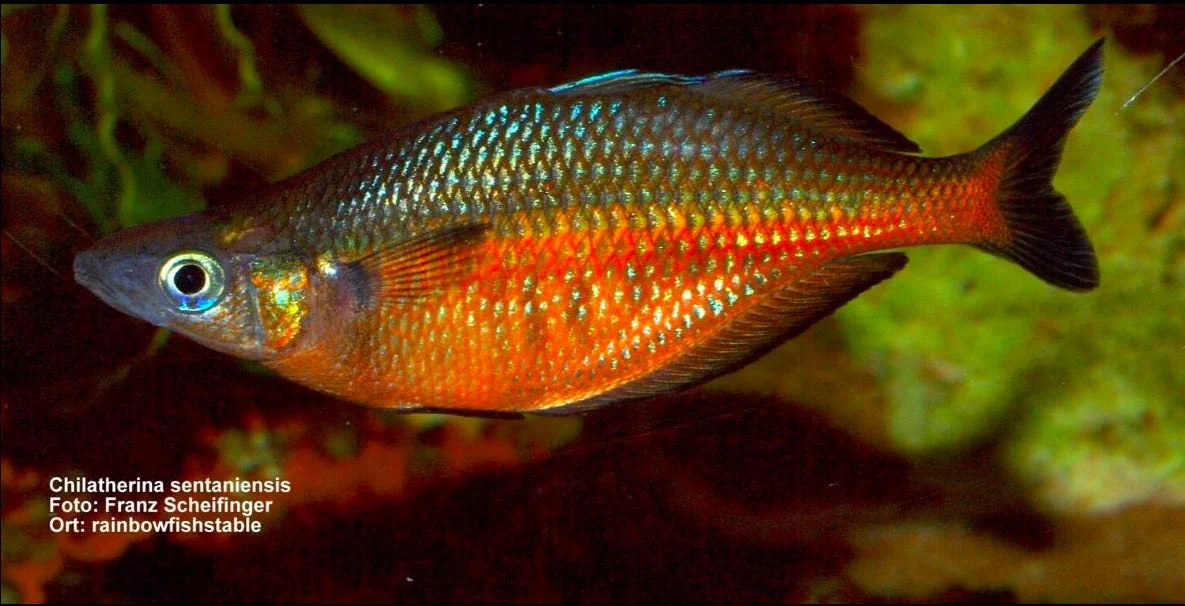
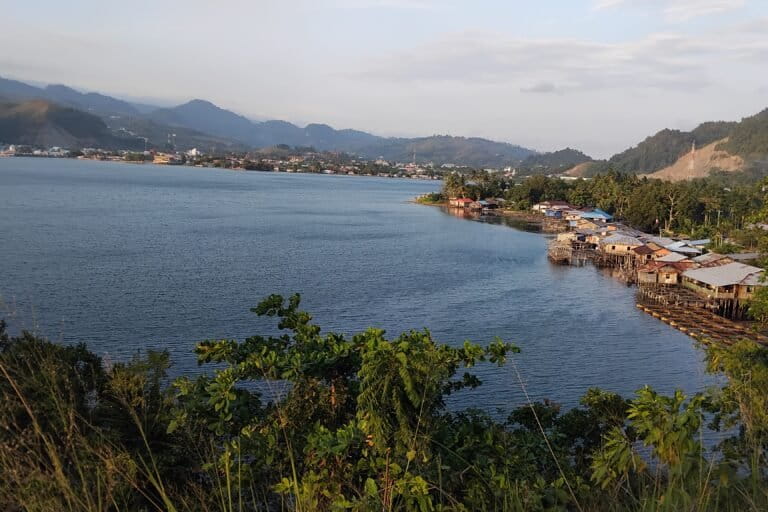
The tranquil surface of Lake Sentani in Papua hides a profound ecological crisis that threatens not only the region’s aquatic biodiversity but the very fabric of indigenous Sentani culture. On a typical afternoon in the Nendali district, the nets of local fishermen come up heavy, but not with the prized catches of generations past. Instead, they are often filled with the vibrant, aggressive, and non-native Red Devil cichlid (Amphilophus labiatus). This shift in the lake’s biological composition marks a terminal decline for the endemic fish species that have served as the lifeblood and cultural symbols of the Sentani people for centuries.
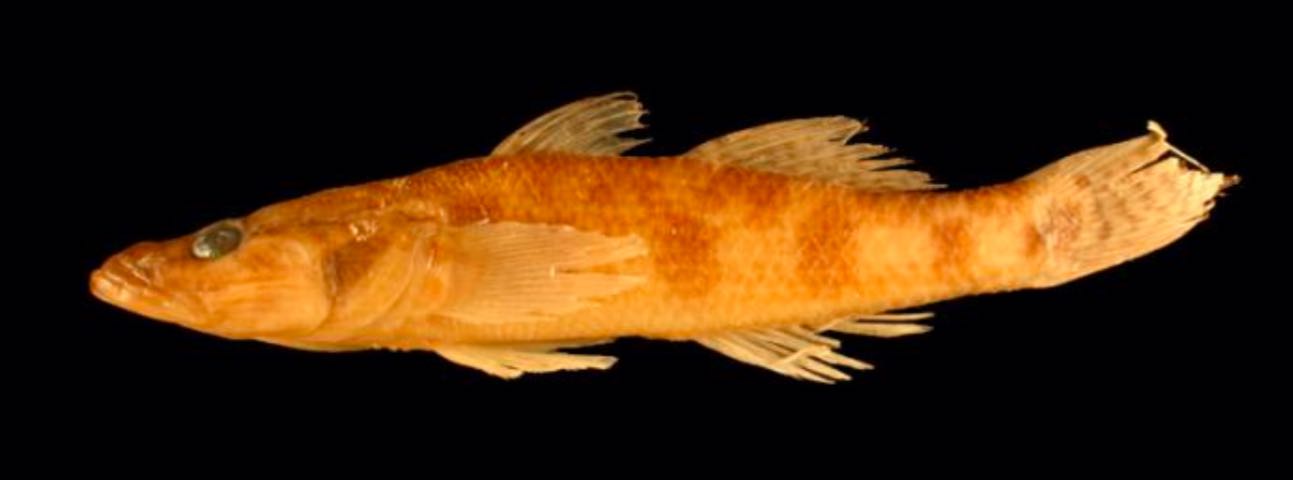
Yanpit Wally, the Ondofolo—or supreme tribal leader—of Kampung Nendali, gazes across the water, pointing to where the native species once thrived. For the seventy-two-year-old leader, the disappearance of fish like the Gete-gete and the native Sentani Gudgeon is not merely an environmental statistic; it is an erasure of heritage. Where once his people relied on the bounty of the lake to sustain their families and fulfill traditional rites, they are now forced to turn to gardening or other livelihoods as the lake’s natural productivity collapses under the weight of invasive dominance.
A Chronology of Decline: From Abundance to Alienation
The ecological transformation of Lake Sentani did not happen overnight. The introduction of non-native species, particularly in the 1980s, serves as the primary catalyst for the current crisis. Historical accounts from local community members suggest that the introduction of ornamental fish like the Red Devil and various species of tilapia was initiated under local government programs aimed at aquaculture development. However, these fish, once released into the open water, escaped into the ecosystem with devastating consequences.

By the 1990s and early 2000s, the ripple effects of these introductions began to manifest clearly. As these invasive species are prolific breeders and aggressive predators, they rapidly outcompeted native fish for food and territory. A 2016 study conducted by the Balai Karantina Ikan, Pengendalian Mutu, and Keamanan Hasil Perikanan (Class I Jayapura) provided a stark scientific confirmation of the locals’ observations: invasive species, primarily the Red Devil, had come to dominate the lake’s biomass, accounting for approximately 70% of total fish density. The study noted that the biodiversity index in Lake Sentani had plummeted, placing the ecosystem in a state of moderate to low health.
The Erosion of Cultural Heritage and Traditional Knowledge
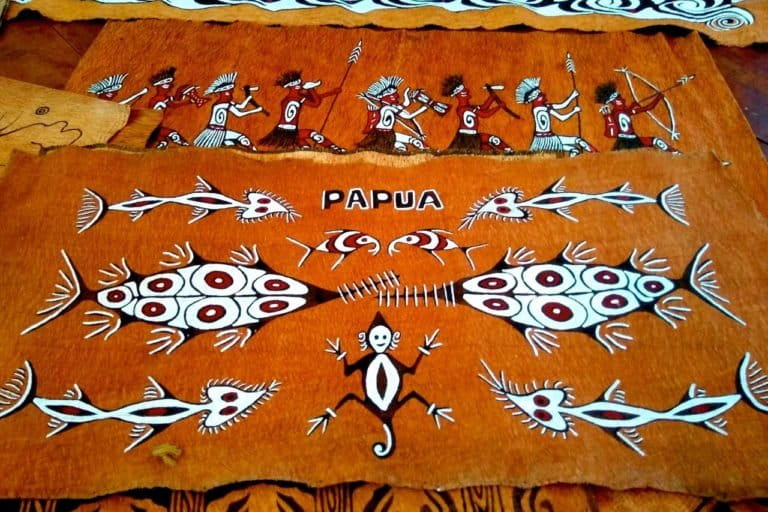
The cultural implications of this decline are perhaps the most tragic aspect of the situation. In the worldview of the Sentani people, specific fish species are deeply woven into the social structure. The black Sentani Gudgeon (Oxyeleotris heterodon), for instance, has historically served as a symbol of leadership and authority for the Ondofolo. Artistic expressions, such as the intricate bark-cloth paintings native to the Asei region, frequently depict these fish, reflecting a long-standing spiritual and physical connection to the lake’s inhabitants.
Bernard Mebri, a 77-year-old resident of Kampung Yoka, recalls the practice of bukhere, or the traditional construction of fish houses. By creating submerged structures using branches, sago leaves, and palm stems, the community could manage fish populations sustainably, ensuring a consistent harvest year after year. This practice was governed by customary law, ensuring that the lake was never over-exploited. Today, this tradition is all but abandoned, as the decline in native fish populations has rendered the bukhere ineffective. The loss of the fish is, in effect, the loss of the indigenous knowledge systems that kept the lake healthy for generations.
Scientific Data and Biodiversity Gaps
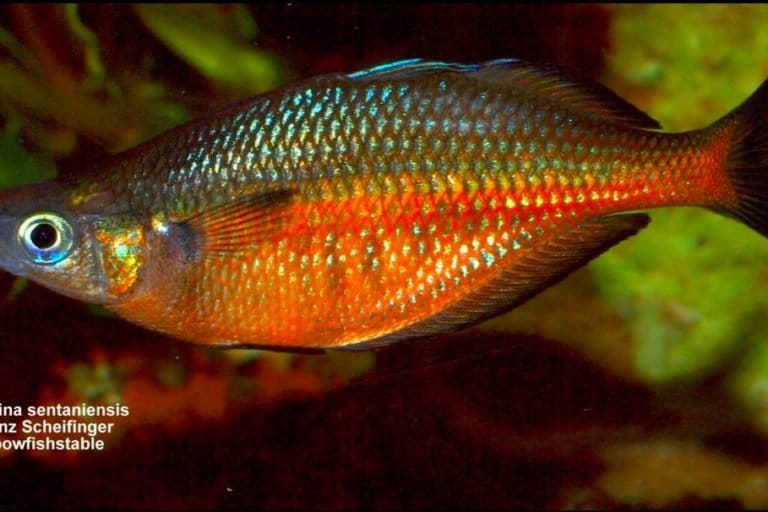
Research by the University of Cenderawasih in 2019 identified 19 distinct species of fish within the lake: 10 introduced species, six native species, two endemics, and one anadromous species. The data presents a bleak outlook for the endemic populations. The Sentani Rainbowfish (Chilatherina sentaniensis), once a hallmark of the lake’s aquatic beauty, has not been documented in the wild since the early 2000s. Similarly, the sawfish (Pristis microdon), a legendary anadromous species, has been absent since the 1970s.
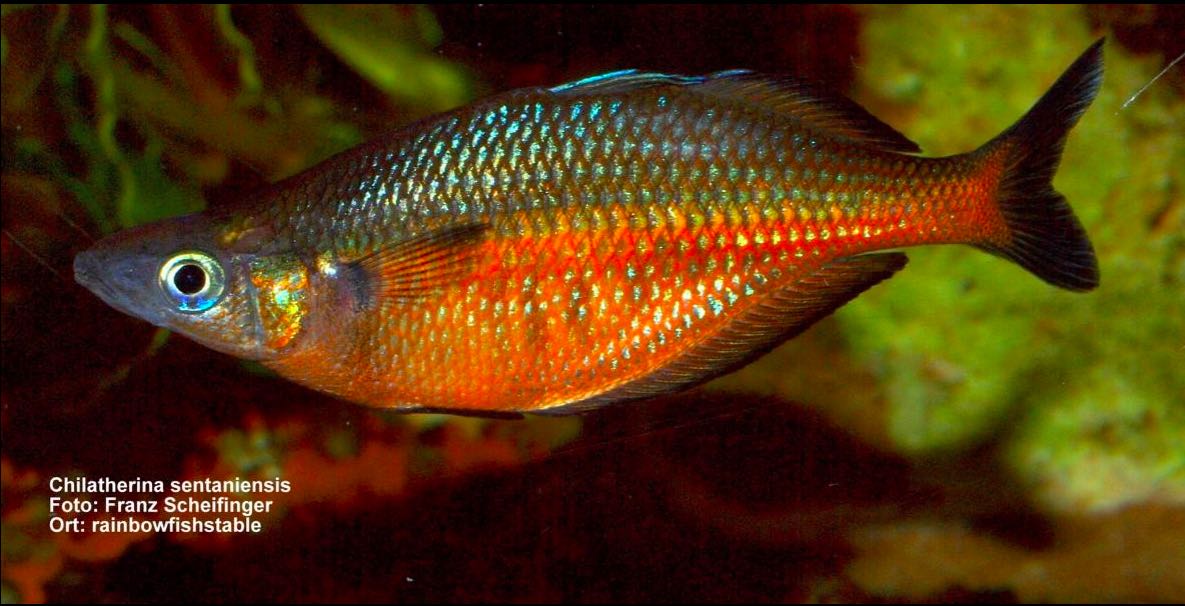
The vulnerability of these species is compounded by the lack of legal protection. Despite the clear evidence of population collapse, many endemic species—including the Gete-gete and the Red Rainbowfish—do not have formal protection status under Indonesian national regulations. Suriani Surbakti, a researcher at the University of Cenderawasih, emphasizes that the crisis is multi-dimensional. "When we lose these species, we are not just losing a biological asset; we are losing a piece of human history. The fish are part of the ecological chain that sustains the lake’s overall health," Surbakti noted.
The Synergy of Threats: Habitat Destruction
While invasive species act as a direct predator, the environment of Lake Sentani is under simultaneous pressure from external human-induced factors. Rapid infrastructure development, including road construction around the lake perimeter, has led to increased sedimentation. This siltation smothers the gravel beds that native fish require for spawning. Furthermore, the encroachment of human settlements has resulted in a significant increase in domestic waste and chemical runoff entering the water, which alters the water chemistry and destroys the delicate vegetation where juvenile native fish seek refuge from predators.
Surbakti argues that the survival of the remaining native fish is inextricably linked to the restoration of their habitat. "The problem is not just the presence of invasive fish; it is the degradation of the environment that previously gave our native species a competitive edge. Without the complex structure of native vegetation and woody debris, native fish have nowhere to hide," she explained.
Official Responses and Future Outlook
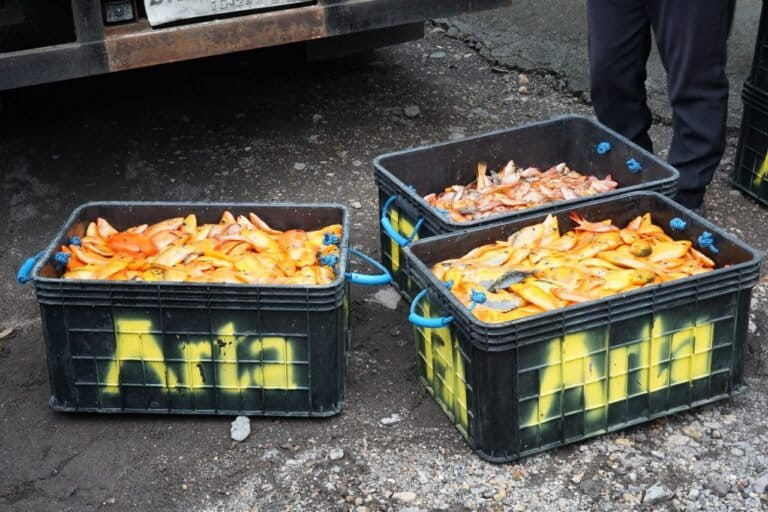
In response to the mounting pressure, local government agencies have begun to acknowledge the necessity of intervention. Ruben Sineri, the acting head of the Department of Marine and Fisheries for Jayapura Regency, confirmed that the local government is now prioritizing the eradication of invasive species. The strategy involves community-led initiatives, such as fishing competitions targeting the Red Devil and other invasive predators. These initiatives aim to reduce the predator load on the lake while providing a source of protein for livestock feed, thereby turning an ecological problem into a manageable resource.
However, experts like Surbakti warn that such measures are merely palliative. A comprehensive management plan is required, one that integrates scientific research, habitat restoration, and strict policy enforcement. This includes the potential for artificial spawning and reintroduction programs, though these are hampered by the complex environmental requirements of the endemic species, which often suffer from high mortality rates in controlled settings.
A Call for Collaborative Governance
The fate of Lake Sentani serves as a cautionary tale for the management of inland water bodies across the archipelago. The integration of local indigenous governance (the Ondofolo system) with modern scientific resource management is crucial. If the lake is to be saved, it will require a collaborative effort between the provincial government, academic institutions, and the local communities who serve as the true stewards of the land and water.
As the sun sets over the Sentani, the silhouette of the mountains reflected in the water masks the silent struggle beneath the surface. For leaders like Yanpit Wally, the mission is clear: to ensure that the heritage of the Sentani people does not vanish into the depths of a silent, alien-dominated lake. Protecting the endemic fish is, fundamentally, an act of protecting the identity of the people themselves. Without urgent and coordinated action, the rich tapestry of life that has defined this region for millennia risks being lost to the history books, replaced by a homogeneous ecosystem that reflects neither the history nor the spirit of Papua.









