
 Nila Kartika Wati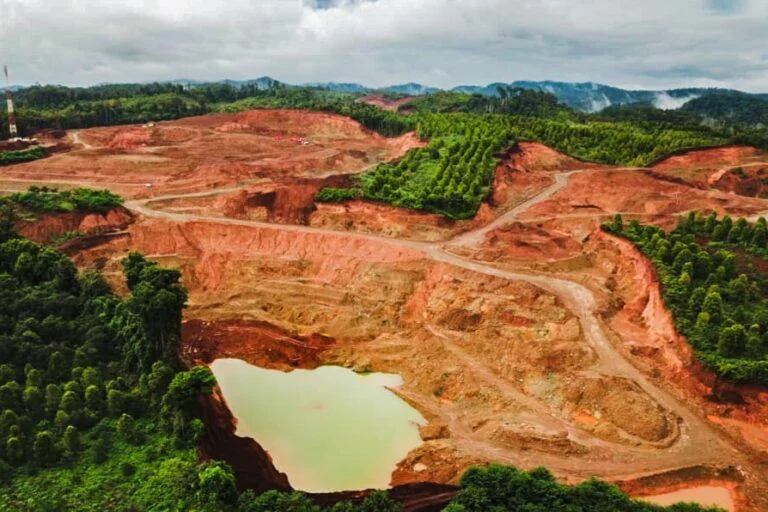
Between 2014 and 2024, the island of Sulawesi underwent a profound and largely irreversible landscape transformation, as an average of 224 hectares of forest were surrendered to mining activities every single day. According to a comprehensive study released by the Center of Economic and Law Studies (Celios) titled "Melampaui Batas" (Beyond the Limit), the cumulative footprint of mining and industrial estates now spans 1.1 million hectares—a landmass roughly 18 times the size of Jakarta. This industrial expansion has pushed the island past its ecological carrying capacity, raising urgent alarms among environmental scientists, human rights advocates, and local communities regarding the long-term sustainability of the region.
The Celios report provides a grim assessment of the island’s environmental health, assigning an aggregate score of 4.5 out of 5, which classifies the region as having officially "exceeded its limits" as of 2024. This score is derived from a multi-matrix analysis covering air quality, water security, land integrity, social stability, and regulatory efficacy. The findings suggest that the drive for industrialization—primarily centered on the downstream processing of nickel—has systematically eroded the natural capital that supports millions of livelihoods across the island.
The Anatomy of Ecological Failure
The degradation of Sulawesi is not merely a consequence of industrial output but a result of a systemic regulatory failure. The Celios report highlights a "policy veto" metric of 5.0—the highest possible score—indicating a near-total failure by state authorities to utilize their regulatory power to reject mining permits even when ecological thresholds are clearly breached.
Muhamad Saleh, a researcher in legal and regulatory affairs at Celios, notes that the designation of "exceeding limits" should have served as a legal trigger for intervention. However, in the current Indonesian regulatory framework, such a designation carries no binding legal consequences. It does not automatically initiate a moratorium on new permits, trigger an evaluation of existing concessions, or mandate environmental restoration. Under the Law Number 32/2009 regarding Environmental Protection and Management (UU PPLH), the "carrying capacity and environmental load" (D3TLH) is supposed to be a foundational instrument for planning. Instead, it has been reduced to a bureaucratic formality that is often bypassed or ignored in favor of industrial expansion.
A Chronology of Rapid Expansion (2014–2024)
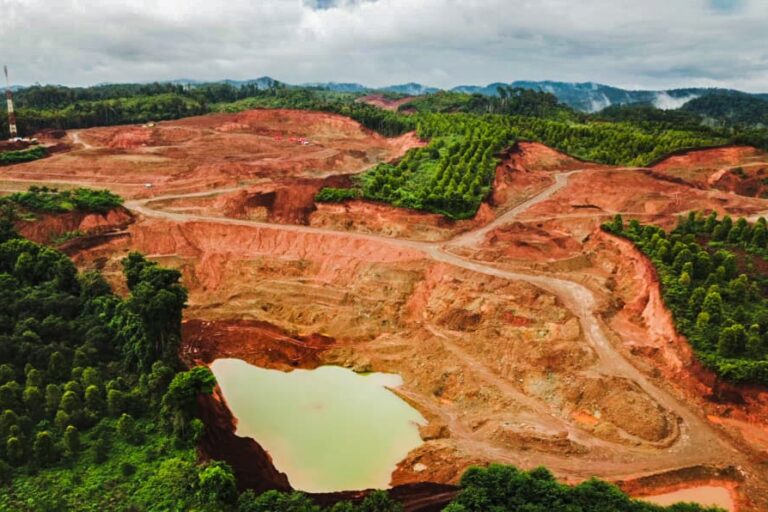
The acceleration of mining permits over the last decade mirrors the aggressive push for nickel-based downstreaming, a centerpiece of Indonesia’s national industrial policy.
- 2014–2019: The period saw a steady, albeit managed, increase in mining concessions. However, the regulatory environment began to show signs of strain as the government prioritized the establishment of smelting facilities.
- 2020: A watershed year where permit issuance increased by 4.4 times compared to previous years. This surge occurred despite clear scientific warnings regarding the depletion of the island’s forest cover.
- 2023: The peak of the trend, with 149 new mining permits issued. This period coincided with the height of environmental pressure in provinces such as Central and Southeast Sulawesi.
- 2024: The record-breaking year, with 194 new permits issued, marking the highest volume of approvals in a single year since 2014.
Data analysis shows that 85.3% of these new permits were issued during years when local deforestation rates in the respective provinces had already exceeded the average. This suggests that government licensing bodies were knowingly granting access to areas already under extreme ecological distress.
The Economic Paradox and Social Displacement
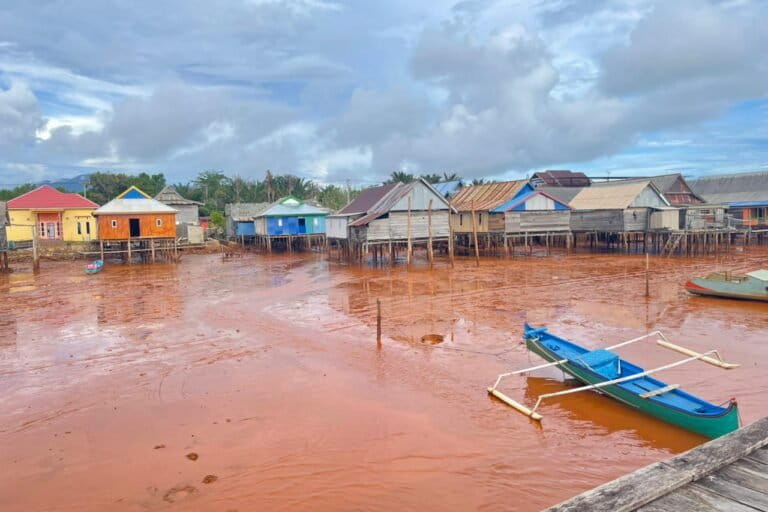
While proponents of the nickel industry argue that the sector acts as a catalyst for economic growth, the data presents a more complex, and often darker, reality. In provinces like Central Sulawesi, the economic contribution of mining and manufacturing ballooned from 15.5% to 55.8% over the decade. However, this growth has come at the expense of the agricultural, forestry, and fisheries sectors, which saw their share of the economy shrink from 34.3% to 15.8%.
This shift in the economic structure has not translated into widespread prosperity. Instead, statistical models show a strong correlation between areas with the most aggressive industrial shifts and higher rates of poverty. The industry is capital-intensive rather than labor-intensive, often importing skilled labor from outside the region while the local population, traditionally reliant on agriculture, finds their access to land and clean water restricted. The "odd ratio" of 3.20 found by Celios indicates that districts heavily reliant on mining are statistically more likely to face persistent poverty, highlighting a widening gap between industrial GDP growth and the actual welfare of the local population.
Environmental Degradation and Climate Targets
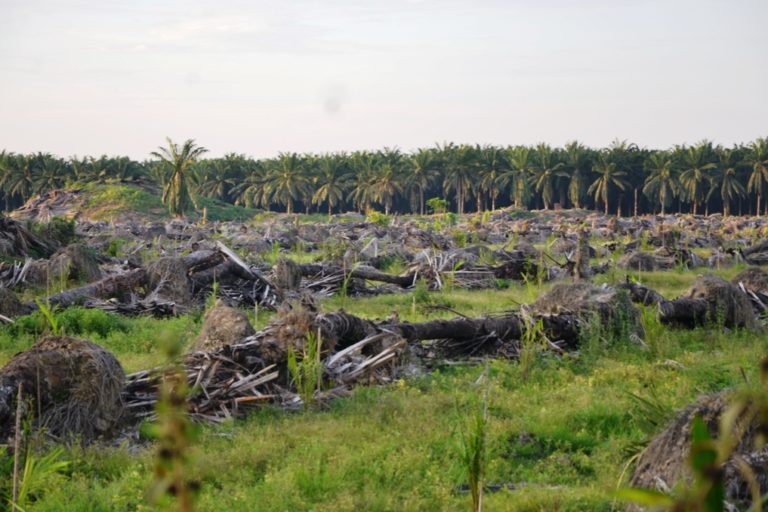
The expansion of mining and oil palm plantations has been the primary driver of deforestation, accounting for 82.2% of the total forest loss in Sulawesi between 2014 and 2023. This destruction has released approximately 581.1 million tons of CO2, representing 83% of the total emissions from tree cover loss in the study area. These figures place the island in a precarious position regarding the national "Folu Net Sink 2030" goal, which aims to absorb more carbon than the forestry and land use sectors emit.
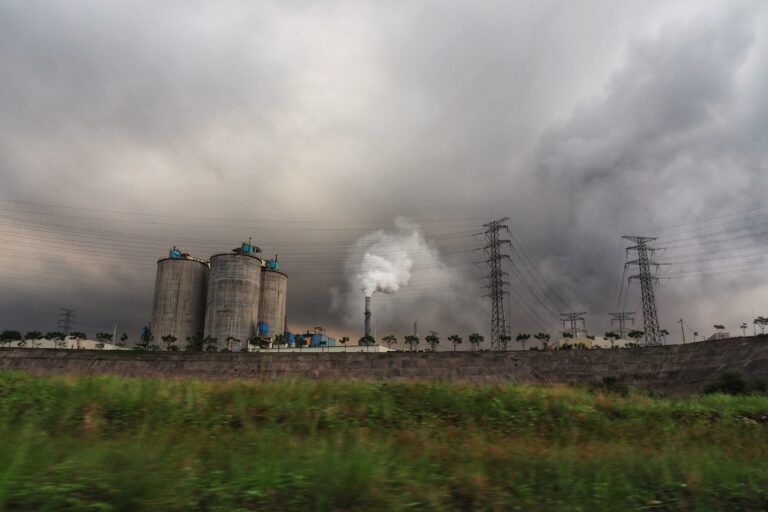
Furthermore, the industrial processing of nickel has created a massive reliance on "captive" coal-fired power plants. With 9,825 MW of installed capacity in coal-powered plants dedicated solely to smelters, the sector is currently one of the largest consumers of coal in the country. The irony is stark: while the global market demands "green" nickel for electric vehicle batteries, the production process itself is fueling regional climate change and severe air pollution. Local residents in industrial hubs like Morowali now breathe air with nitrogen dioxide (NO2) concentrations reaching critical levels, yet they often lack access to the power generated by the very plants polluting their surroundings.
The Human Toll: Health and Conflict
The public health implications of this industrial surge are becoming increasingly visible. Research data shows that districts hosting major mining and smelting operations report nearly double the cases of acute respiratory infections (ISPA) and pneumonia compared to non-mining districts. Between 2014 and 2024, there were over 233,687 reported cases of respiratory illness and more than 2.28 million cases of diarrhea in Sulawesi.
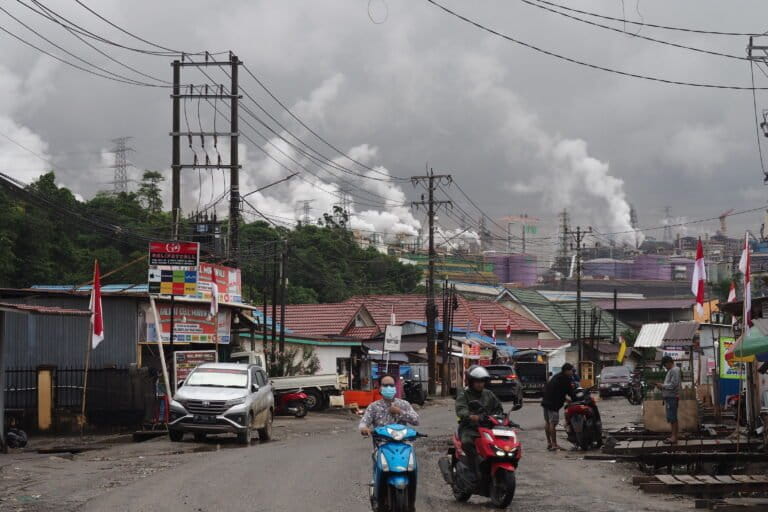
Beyond respiratory and waterborne diseases, the alteration of the landscape has triggered a rise in zoonotic diseases, including malaria. The creation of vast open pits and stagnant water in mining sites has created breeding grounds for disease-carrying mosquitoes. Despite the clear health crisis, local medical infrastructure remains inadequate, with many health facilities failing to meet the national standards for equipment and service capacity.
This situation is exacerbated by social conflict. The report documented 95 major agrarian conflicts, with 51 remaining unresolved. The high frequency of repression—including the arrest of 93 individuals and numerous instances of physical violence—underscores the tension between industrial land acquisition and the rights of indigenous and local communities to their ancestral lands.
Call for Regulatory Reform
The findings from the Celios report serve as a definitive wake-up call for the Indonesian government. The current trajectory is not only unsustainable but poses a threat to the fundamental rights of the people of Sulawesi. To reverse this, experts recommend:
- Mandatory Moratorium: Any region categorized as "exceeding limits" must be subject to an immediate moratorium on new mining permits.
- Legal Enforcement of D3TLH: The Carrying Capacity and Environmental Load index must be transformed from a research document into a binding legal instrument that can be used to revoke permits or deny development applications.
- Transparency and Inclusion: The process of evaluating environmental impact must be opened to the public, with mandatory inclusion of indigenous knowledge and data.
- Ecological Restoration: Mining companies must be legally compelled to contribute to a dedicated fund for the restoration of degraded ecosystems and the remediation of water and air quality.
As Fiorentina Refani, a researcher at Celios, aptly put it, "Without substantive reform, these ecological documents will remain mere administrative formalities, while the industrial machine moves far faster than the state’s capacity to protect the environment and its citizens." The case of Sulawesi is a microcosm of the broader struggle between short-term industrial gain and the long-term viability of the planet, a struggle that, as of 2024, the island is currently losing.









