
 Nila Kartika Wati
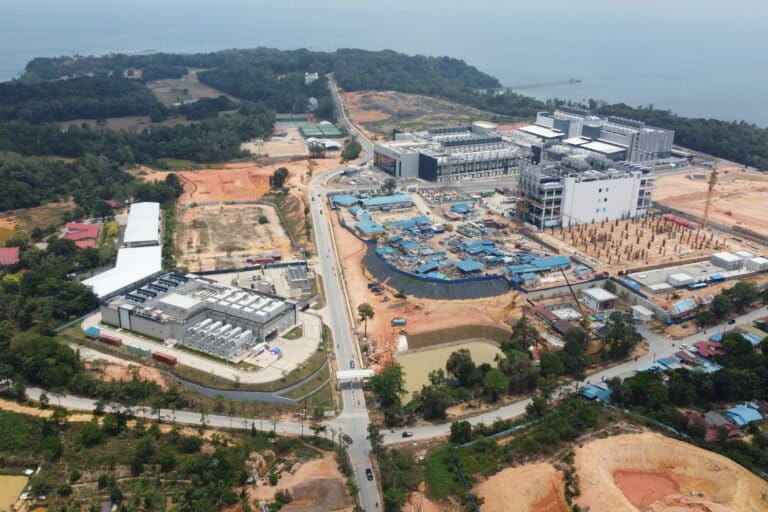
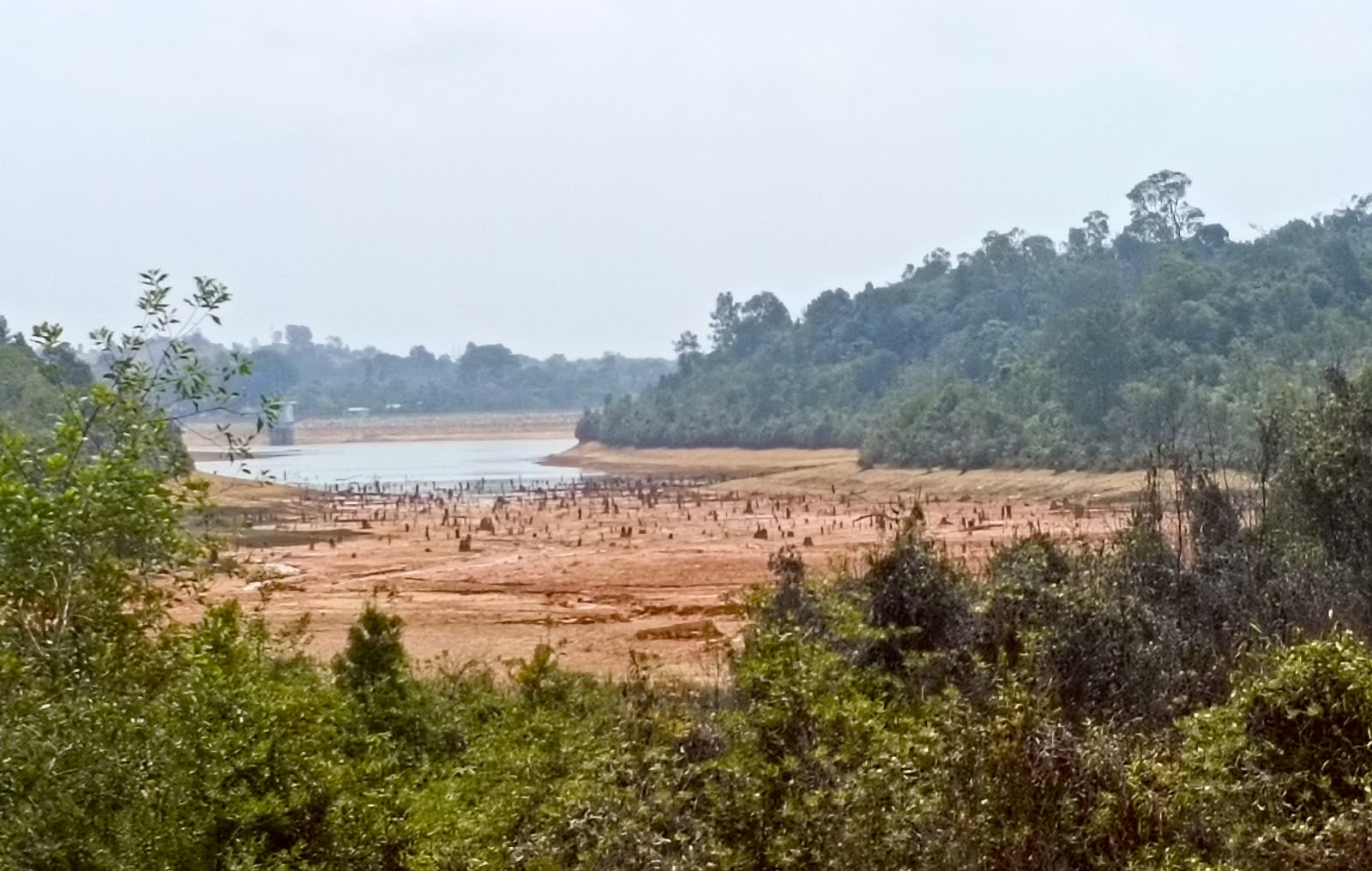
The rapid expansion of data center infrastructure in Batam, Riau Islands, has ignited a fierce public debate regarding the island’s environmental carrying capacity and the sustainability of its vital resources. The discourse intensified following the circulation of viral footage documenting the significant depletion of the Nongsa Reservoir, a critical water source located in close proximity to the Nongsa Digital Park (NDP). As residents grapple with visible water shortages, skepticism has grown toward the narrative that industrial development can coexist seamlessly with the essential needs of the local population.
Chronology of the Controversy
The tension reached a boiling point in early October 2026, when social media users shared distressing video evidence of the Nongsa Reservoir’s receding water levels. The viral content alleged that the water volume was plummeting by approximately four centimeters daily. Observers and environmental activists quickly drew parallels between this rapid decline and the energy-intensive operations of nearby data centers, which are known to consume vast quantities of water for cooling purposes.
This public outcry prompted the Badan Riset Daerah (Brida) of Batam to host a Focus Group Discussion (FGD) on August 12, 2026, to address the mounting concerns surrounding water and energy governance. The event served as a platform for government officials, industry stakeholders, and environmental advocates to clash over the future of Batam’s industrial trajectory and its ecological limitations.
Official Stance and Water Management
Lusy Novita, Deputy Director of the Raw Water Supply System (SPAM) at the Batam Indonesia Free Zone Authority (BP Batam), officially refuted the claims linking the Nongsa Reservoir’s condition to data center operations. During the FGD, Novita attributed the water depletion solely to the prevailing dry season, asserting that the reservoir serves domestic needs and local resorts rather than providing water to the data center clusters.
According to Novita, the data centers currently operational in Batam primarily source their water from the Duriangkang Reservoir. She emphasized that these industrial supplies are only authorized after all domestic and public requirements have been met. Despite these assurances, the government has begun implementing a policy shift, mandating that incoming data center investments incorporate Sea Water Reverse Osmosis (SWRO) technology to mitigate reliance on the island’s finite freshwater reservoirs. The estimated water demand for the current pipeline of data centers is projected to reach 1,000 liters per second (Lps), a figure that necessitates robust alternative water solutions.
Economic Stakes and Industrial Ambitions
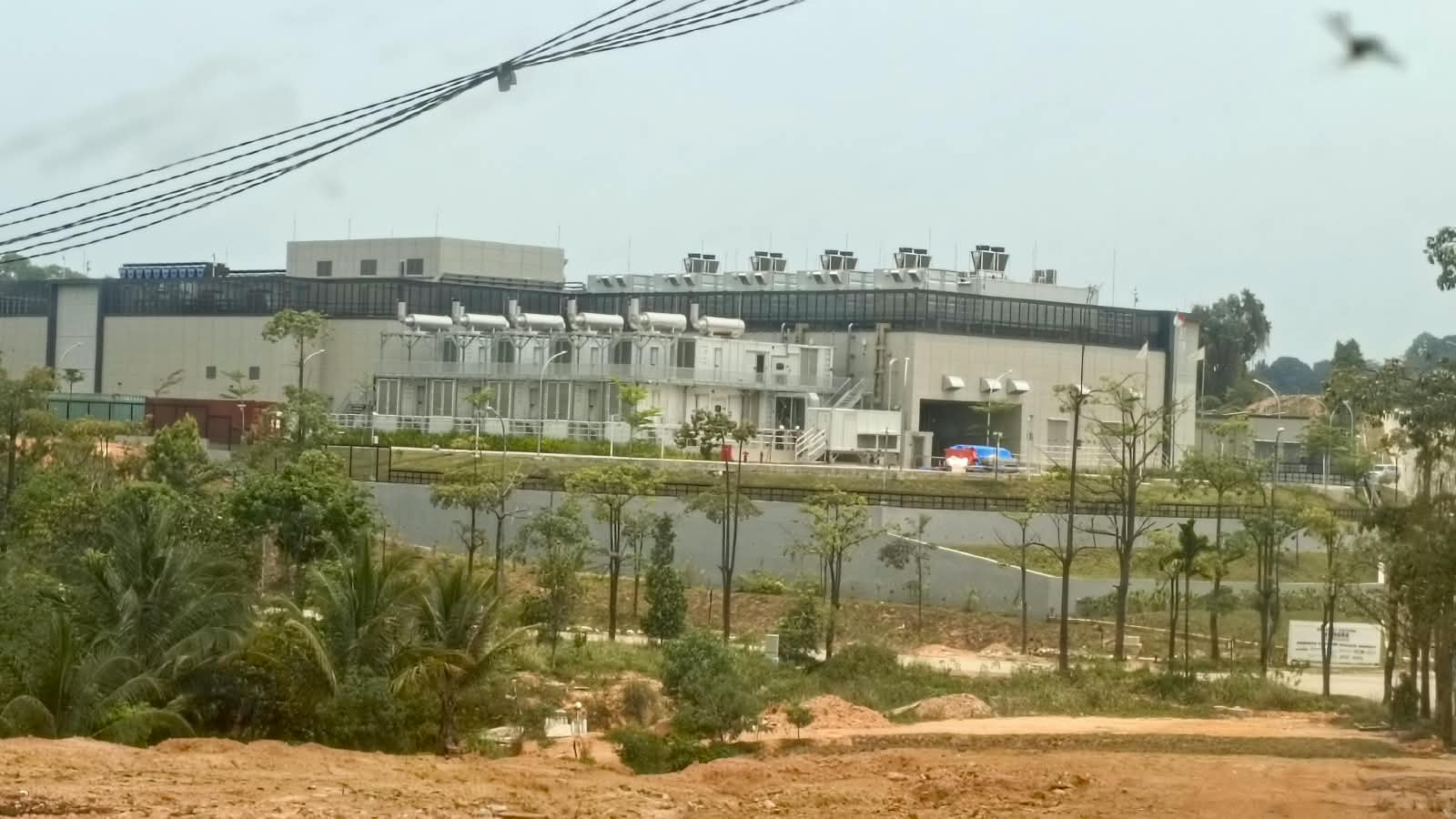
The economic stakes are undeniably high. Nyoman Suwarjoni Astawa, President Director of Nongsa Digital Park (NDP), revealed that the investment value for a 100-megawatt (MW) capacity data center is approximately US$1.6 billion, or roughly IDR 28 trillion. With projections suggesting that Batam could host up to 2,000 MW of capacity, the total investment could exceed IDR 560 trillion, excluding the necessary infrastructure for power generation and transmission.
NDP, which is currently developing nine data centers across international markets including New Zealand, Singapore, and the United States, acknowledges the challenge of water consumption. Nyoman stated that of the 500 Lps required by the current project phase, BP Batam has allocated 160 Lps. As total demand is expected to climb toward 900 Lps, the industry is under pressure to finalize infrastructure for SWRO. While the technology is expensive—costing roughly IDR 1 billion per liter of daily capacity—the industry maintains that it is a necessary investment to ensure the long-term viability of their facilities without infringing on the public water supply.
Energy Demands and Environmental Trade-offs
Beyond water, the energy requirements for these facilities present a formidable challenge to Batam’s grid stability. The total power demand for the nine data centers at NDP is estimated to reach between 1,200 and 1,500 MW by 2032. This represents a massive increase in load for the local PLN grid.
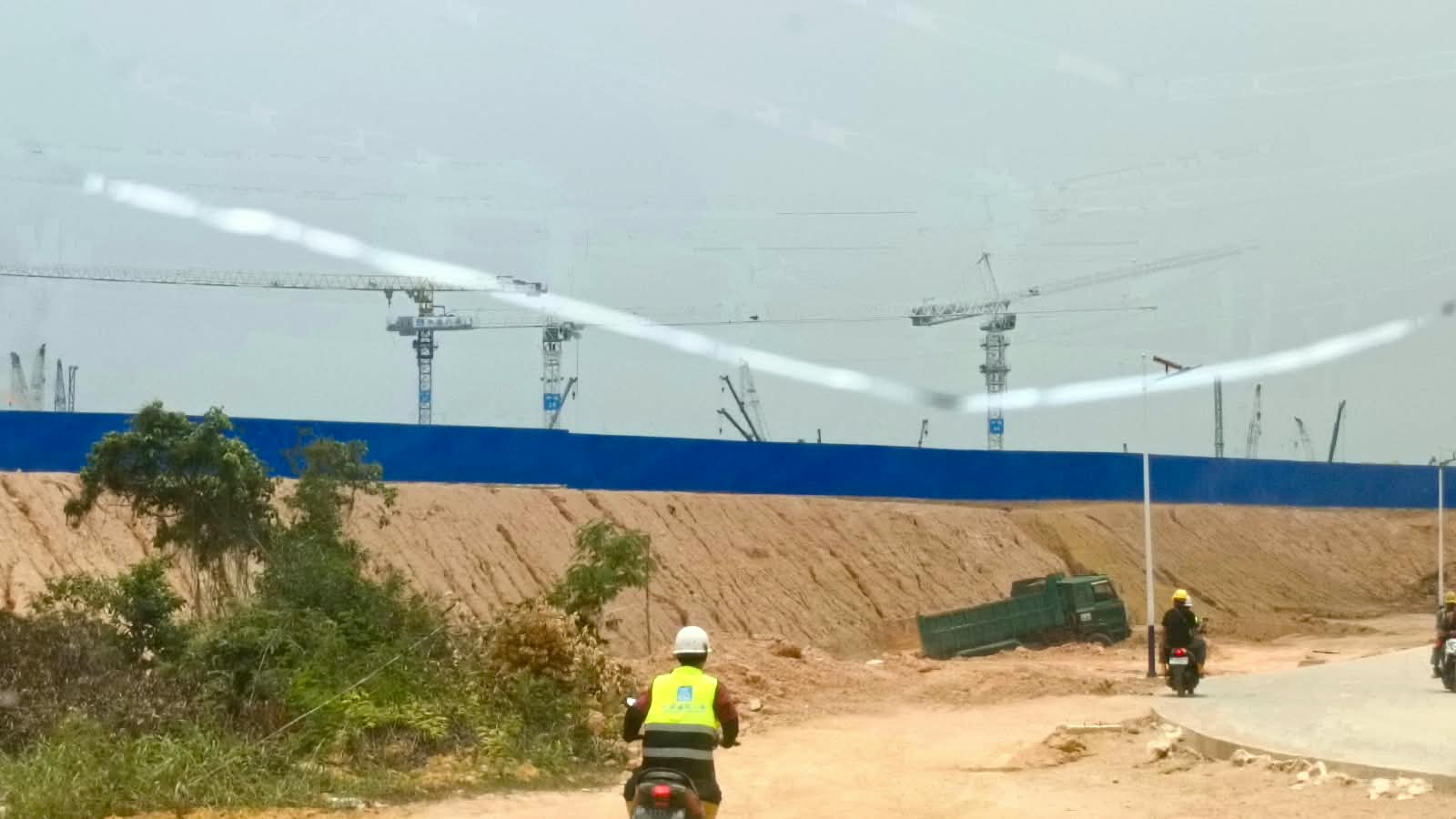
Industry representatives argue that this surge in demand will be met through a combination of increased gas-fired power generation and a pivot toward renewable energy, specifically Floating Solar Power Plants (PLTS). The proximity to gas fields in the Natuna region is viewed as a strategic advantage for securing primary energy sources for the next decade. However, critics remain unconvinced that the current infrastructure can facilitate a "green" transition while simultaneously supporting such energy-hungry facilities.
Societal and Economic Implications
While the data center industry is capital-intensive, its immediate impact on the local labor market is modest. A single facility typically employs between 50 and 100 full-time staff upon completion. However, stakeholders argue that the multiplier effect—encompassing construction, infrastructure maintenance, energy sector jobs, and water desalination operations—will create thousands of positions over the coming years. Projections indicate that the construction phase alone could provide employment for up to 10,000 people over a six-year period.
Nonetheless, the perspective of local industry bodies remains cautious. Willy Setiawan, Vice Chairman for Natural Resources at the Chamber of Commerce and Industry (Kadin) Kepri, suggested that there are more cost-effective and sustainable alternatives to desalination. He noted that while SWRO is an option, it is expensive and produces high-salinity brine waste that can devastate local coral reefs. Setiawan advocated for the implementation of reclaimed water systems—treating domestic wastewater for industrial use—a practice successfully employed in Singapore.
The Argument for Moratorium
The most critical voices in the debate argue that Batam, as a small island, faces unique geographic constraints that render it unsuitable for large-scale, resource-intensive industrial clusters. Ahmad Ashov Birry of the environmental organization TrendAsia warned that the current "boom" in data center development risks triggering a long-term environmental crisis.
"Data centers often become an excuse to stall the energy transition because they consume so much power," Birry stated. He argued that since the majority of the current power mix remains reliant on fossil fuels, these projects are effectively anchoring the region to carbon-intensive energy for decades to come. Given the limited water and energy capacity of the island, Birry urged the BP Batam authorities to implement a moratorium on new data center permits, echoing similar calls from environmental groups in other parts of the world.
Future Outlook and Policy Directions
The outcome of the recent FGD suggests that the government is moving toward a more structured regulatory approach. The plan to develop a "policy brief" based on the feedback from all stakeholders indicates that BP Batam is attempting to balance the allure of massive foreign investment with the immediate necessity of public service stability.
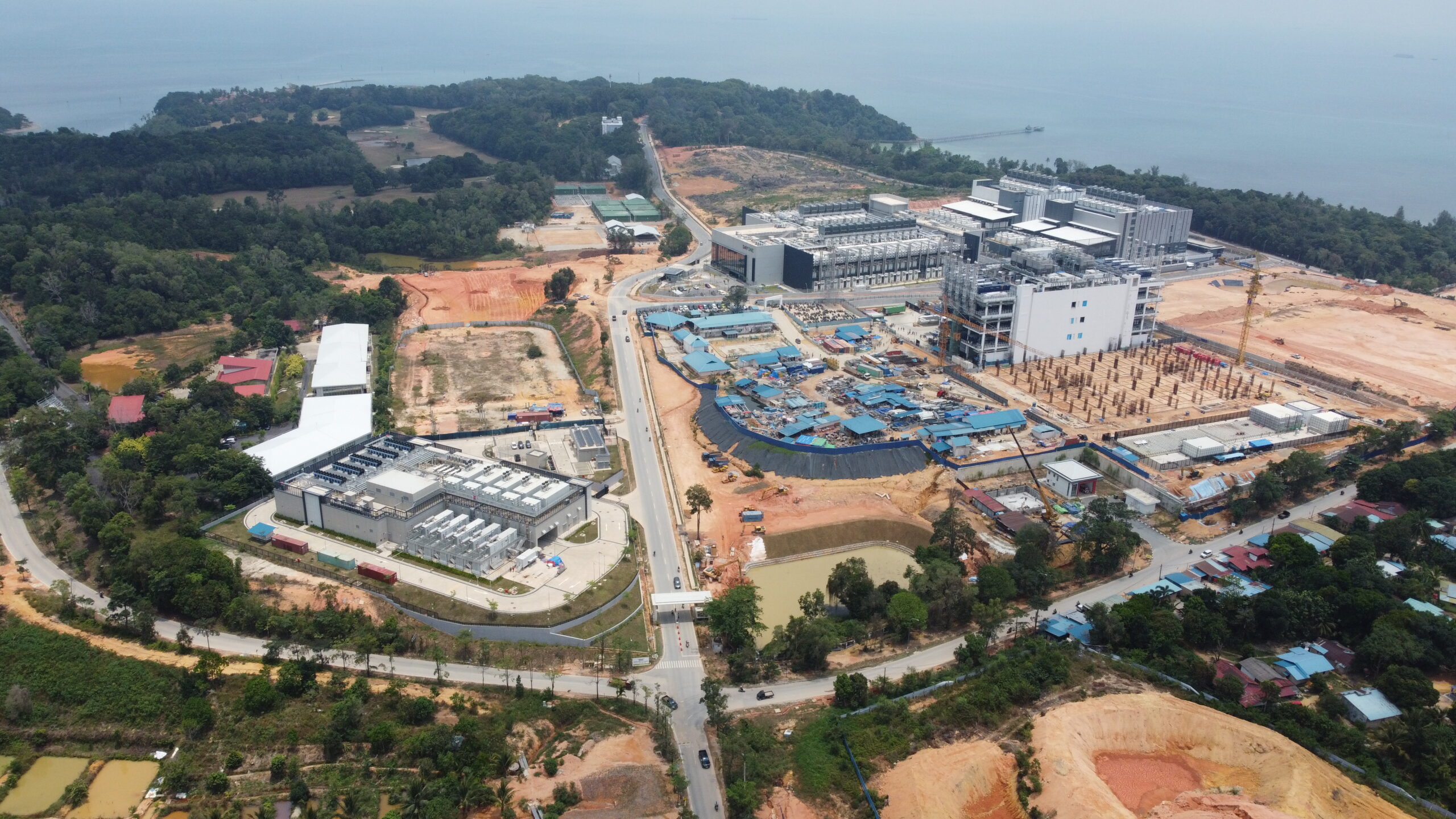
For Batam, the road ahead requires a delicate reconciliation between its ambitions to become a regional digital hub and the harsh reality of its environmental limits. The success of this transition will likely depend on three pillars: the aggressive implementation of water recycling and desalination, the rapid acceleration of renewable energy infrastructure, and a transparent, science-based approach to urban planning that places the long-term well-being of the island’s inhabitants above short-term industrial growth. As the data center sector continues to evolve, the case of Batam serves as a critical case study for other island nations and regions attempting to balance the digital revolution with the fundamental requirements of a sustainable future.









