
 Nila Kartika Wati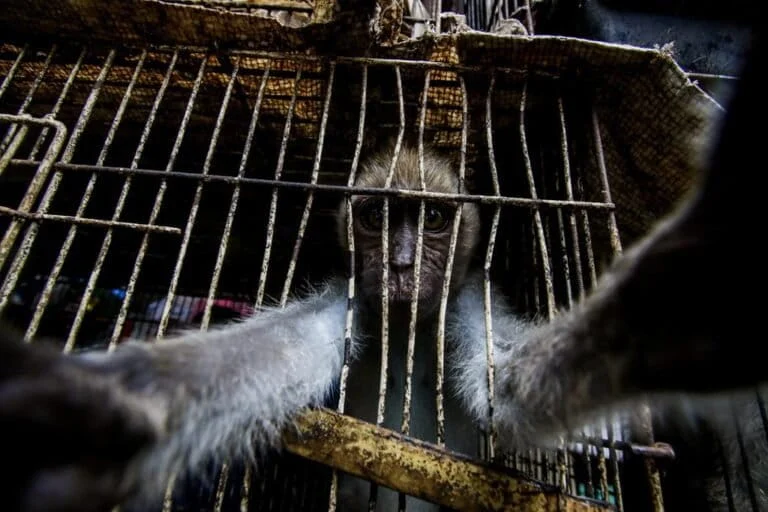
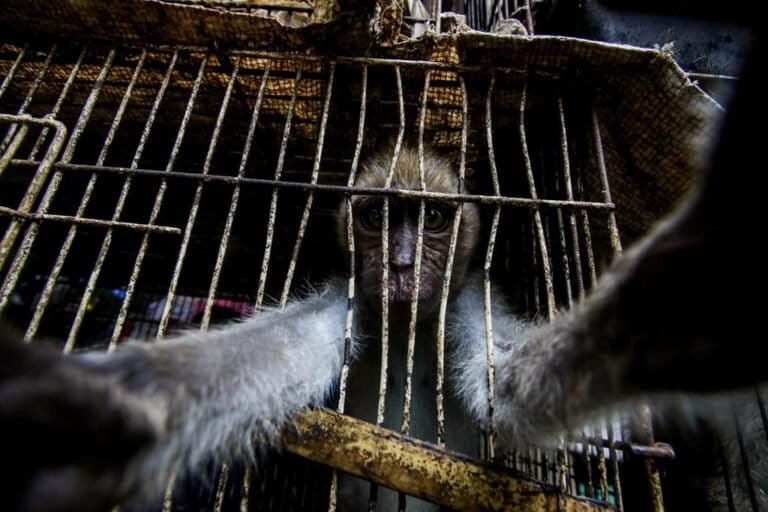
The state of animal welfare in Indonesia remains a subject of growing concern, as reflected in the 2020 Animal Protection Index (API) released by the global advocacy organization World Animal Protection. Indonesia currently sits in category E on the API scale, which ranges from A (the highest standard) to G (the lowest). This ranking represents a regressive trend for the nation, which held a category D status in the inaugural 2014 assessment. The decline highlights an urgent need for the Indonesian government to reconcile its existing legislative framework with the practical, on-the-ground enforcement required to ensure the humane treatment of animals across various sectors, including livestock, domestic pets, wildlife, and laboratory subjects.
Understanding the Animal Protection Index Criteria
The Animal Protection Index is a comprehensive benchmarking tool that goes beyond superficial observations of animal care. It evaluates the commitment of governments to protect animals through a rigorous analysis of legislative frameworks, institutional policies, and the integration of international animal welfare standards. The index assesses several key domains: the recognition of animal sentience, the existence of animal welfare legislation, the presence of supporting government institutions, and the enforcement of international standards such as those established by the World Organisation for Animal Health (WOAH).
For Indonesia, the ranking of category E suggests that while the country possesses basic legislative instruments, there is a significant deficiency in the operationalization and rigorous enforcement of these laws. The index emphasizes that animal welfare is a multifaceted issue that requires a coherent national strategy, something that the international community has yet to see implemented effectively in the country.
The Legislative Landscape: Existing Laws and Regulatory Intent
On paper, Indonesia possesses a robust legal foundation designed to protect animal welfare. The primary legislative pillar is Law No. 18 of 2009 regarding Animal Husbandry and Animal Health. This law mandates that animal welfare must be prioritized throughout the animal’s life cycle, encompassing breeding, transportation, and slaughtering processes. These requirements are further reinforced by Government Regulation No. 95 of 2012 concerning Veterinary Public Health and Animal Welfare.
The statutes explicitly dictate that animals must be protected from hunger and thirst, physical pain and disease, discomfort, abuse, and unnecessary fear or distress. Furthermore, the regulations mandate that animals be provided with the opportunity to exhibit their natural behavioral patterns. If fully enforced, these laws would place Indonesia among the top-tier nations in terms of animal rights. However, the disconnect between these statutes and the lived reality of animals in industrial farms, wet markets, and private households remains a primary point of contention for animal welfare experts.
The Challenge of Enforcement and Institutional Fragmentation
The core of Indonesia’s animal welfare crisis lies in the implementation gap. Unlike nations with centralized animal welfare authorities, Indonesia’s governance structure distributes responsibilities across various ministerial bodies and local governments. This decentralization often leads to fragmented oversight, where the quality of animal protection varies significantly from one province or municipality to another.
In many instances, local authorities lack the resources, training, or political mandate to prioritize animal welfare over other economic or infrastructure concerns. Consequently, the protection of animals becomes a discretionary matter rather than a standardized administrative duty. Without a singular, national coordinating body, the accountability mechanism remains weak, leaving many violations of the 2009 law unpunished and largely unreported.
Chronology and Failed Initiatives: The Search for a National Strategy
The frustration regarding the lack of progress is underscored by a stalled history of policy development. In 2014, the Indonesian government signaled to the World Organisation for Animal Health (WOAH) that it had drafted a comprehensive national strategy for animal welfare. This was a positive development that raised hopes for a more systematic approach to the issue.
However, in the years that followed, these plans failed to materialize into actionable, published policy. The 2020 API report noted with concern that there was no evidentiary basis to suggest that this national strategy had ever been formally enacted or implemented. This lack of follow-through has created a sense of "policy stagnation," where the government acknowledges the need for better standards but fails to bridge the gap between intent and execution.
Global Trends and Regional Obligations
The international landscape regarding animal welfare is shifting rapidly. Organizations such as the WOAH are increasingly pressuring member nations to adopt regional strategies that align with modern ethical standards. The "Regional Animal Welfare Strategy for Asia and the Pacific 2025–2030" serves as a benchmark for member countries, urging them to solidify their national action plans and increase investment in animal welfare education and oversight.
For Indonesia, the regional strategy represents a significant pressure point. As a prominent nation in the ASEAN region, Indonesia’s inability to meet these standards may have long-term implications for its international trade reputation, particularly in the agricultural and livestock sectors. Global markets are increasingly sensitive to the ethical origins of food products; therefore, failing to adhere to international welfare standards could eventually translate into economic disadvantages for Indonesian producers.
The Role of Civil Society and the Burden of Responsibility
In the absence of robust government oversight, much of the advocacy work has fallen to non-governmental organizations (NGOs), community-led rescue groups, and individual volunteers. While these groups are vital in mitigating the worst instances of animal abuse, they are fundamentally ill-equipped to address the systemic issues that the API report highlights.
Advocates argue that the burden of animal protection cannot be placed solely on the shoulders of private citizens and volunteer-led organizations. Such a reliance creates a "charity-based" model of welfare that is inherently unsustainable. Real progress requires:
- Institutional Capacity Building: Training law enforcement and veterinary inspectors to recognize and report welfare violations as a standard part of their duties.
- Public Education: Implementing nationwide awareness campaigns to change cultural perceptions regarding animal sentience and the necessity of humane treatment.
- Legal Reform: Closing the gaps in current legislation that allow for ambiguous interpretations of "humane treatment," particularly in industrial agricultural settings.
- Transparent Monitoring: Establishing an independent reporting mechanism where the public can report abuse, with guaranteed follow-up by government authorities.
Economic and Ethical Implications
The implications of failing to improve animal welfare standards extend beyond ethics. Scientific research has consistently shown that higher standards of animal welfare in the agricultural sector lead to better productivity, healthier livestock, and a reduced risk of zoonotic disease transmission—a critical concern in the post-pandemic era.
Furthermore, as the Indonesian middle class grows, so too does the culture of pet ownership and interest in biodiversity. The public’s expectation for how animals are treated is changing, and the government’s failure to keep pace with these social values could lead to increased domestic unrest and political pressure. The current state of "category E" is not merely an administrative failure; it is a signal that the nation’s infrastructure is failing to mature alongside its economy.
Conclusion: Moving Toward a Sustainable Future
The transition from a regulatory framework to an active, enforced system of animal protection requires political will and a reallocation of resources. Indonesia stands at a crossroads: it can either continue to maintain a passive, fragmented approach that leaves animals vulnerable to abuse, or it can take the necessary steps to formalize its national strategy and align its practices with the 2025–2030 regional targets set by the WOAH.
The evidence is clear that legislation alone is insufficient. Without dedicated enforcement, regular audits, and a national commitment to animal welfare, the principles outlined in the 2009 Law and 2012 Government Regulation will remain nothing more than words on paper. To improve its standing in future assessments, Indonesia must pivot toward a more proactive, centralized, and accountable governance model that treats animal welfare as a core component of its national development agenda. Only then can the country hope to achieve a standard of care that reflects its aspirations as a modern, progressive state.









