
 Nila Kartika Wati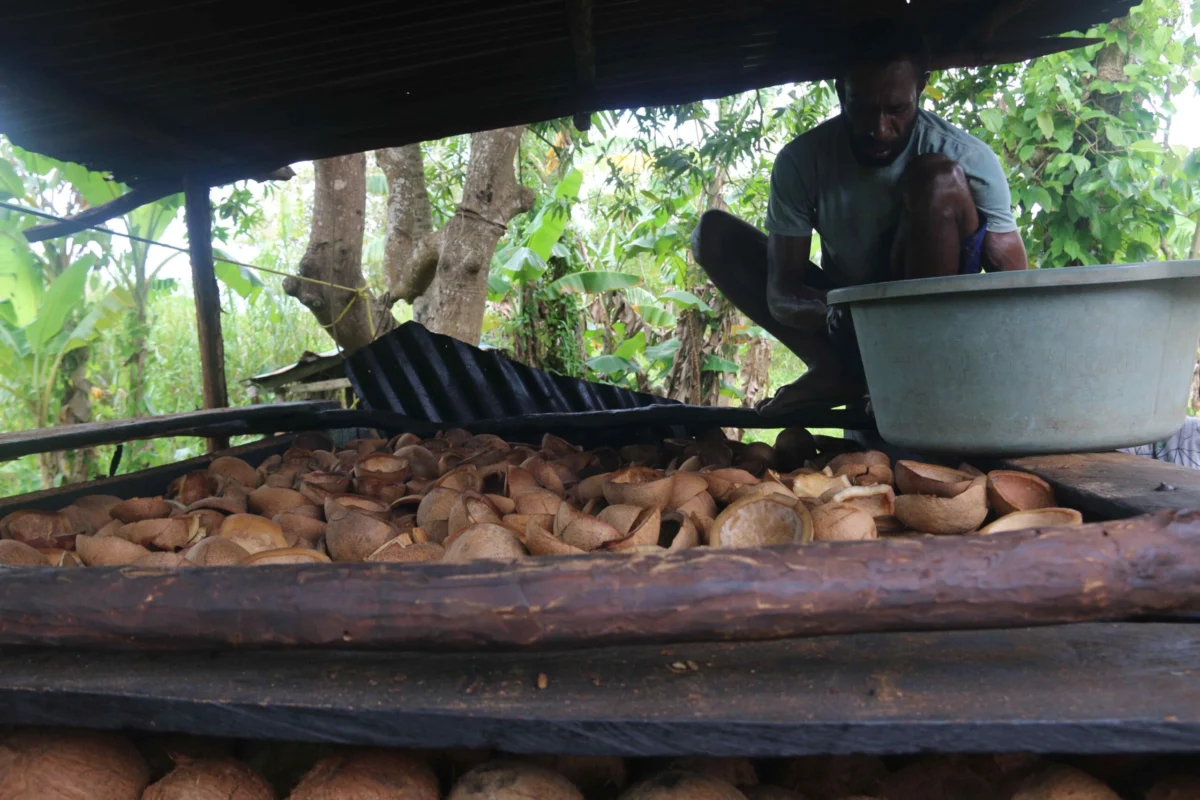
For the Malind indigenous people residing in the Semangga District of Merauke, South Papua, the coconut tree is far more than a mere cash crop. It is a foundational element of their cultural identity, a primary source of nutrition, and a versatile provider of daily necessities that has sustained generations. In the village of Matara, this connection is so profound that a strict customary rule governs the harvest: young coconuts are preserved for local consumption and traditional utility, while only mature coconuts are permitted to be sold. This delicate balance ensures that the community’s food security and ancestral practices remain undisturbed while allowing for participation in the broader market economy.
The cultural and economic significance of the coconut cannot be overstated. Beyond its culinary uses, the fiber (coir) serves as a vital fuel source replacing timber, the shells are commodified, and the oil-rich flesh is processed into cooking oil or utilized as livestock feed. This holistic approach to the coconut tree reflects a sophisticated understanding of resource management, where nothing is wasted and every part of the plant contributes to the resilience of the household.
A Historical Perspective on the Copra Trade
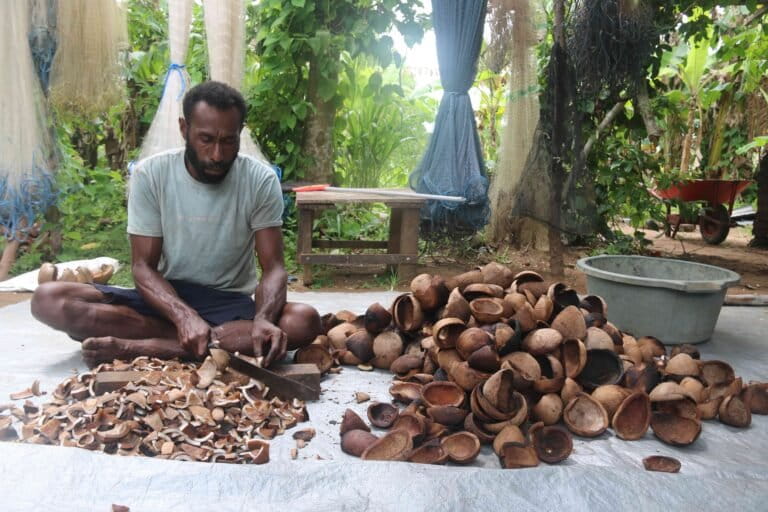
The transition of the Malind community from subsistence-based utilization to commercial production has been marked by significant volatility. Between 2000 and 2010, residents of Matara actively engaged in the production of copra—dried coconut meat used globally as the primary feedstock for coconut oil and various oleochemical derivatives. During this decade, farmers relied on traditional sun-drying or smoking techniques to prepare their harvest for middlemen. However, the lack of price stability and the high overhead costs associated with transportation eventually led many farmers to abandon production. For years, the community retreated to selling raw, whole coconuts, a practice that offered lower profit margins but required less labor and investment.
This stagnation persisted for over a decade until 2026, when a collaborative effort between the local community and the EcoNusa Foundation sought to revitalize the industry. The initiative was not merely about increasing output; it was about restructuring the supply chain to empower the producers themselves. By facilitating the establishment of the Yora Mekhande Jaya Cooperative, the project aimed to provide a stable, equitable platform for farmers to aggregate their produce and access larger markets.
Chronology of the Revitalization (2026)
The resurgence of the Malind copra industry followed a deliberate and strategic timeline:
- January 20, 2026: A foundational meeting was held in Kampung Matara. Farmers, community leaders, and representatives from EcoNusa identified the primary obstacles to growth: prohibitive transportation costs to the Merauke city center and the predatory pricing of external middlemen.
- January 26, 2026: The first organized collection of copra began directly at the household level, effectively removing the need for farmers to transport their goods to the city.
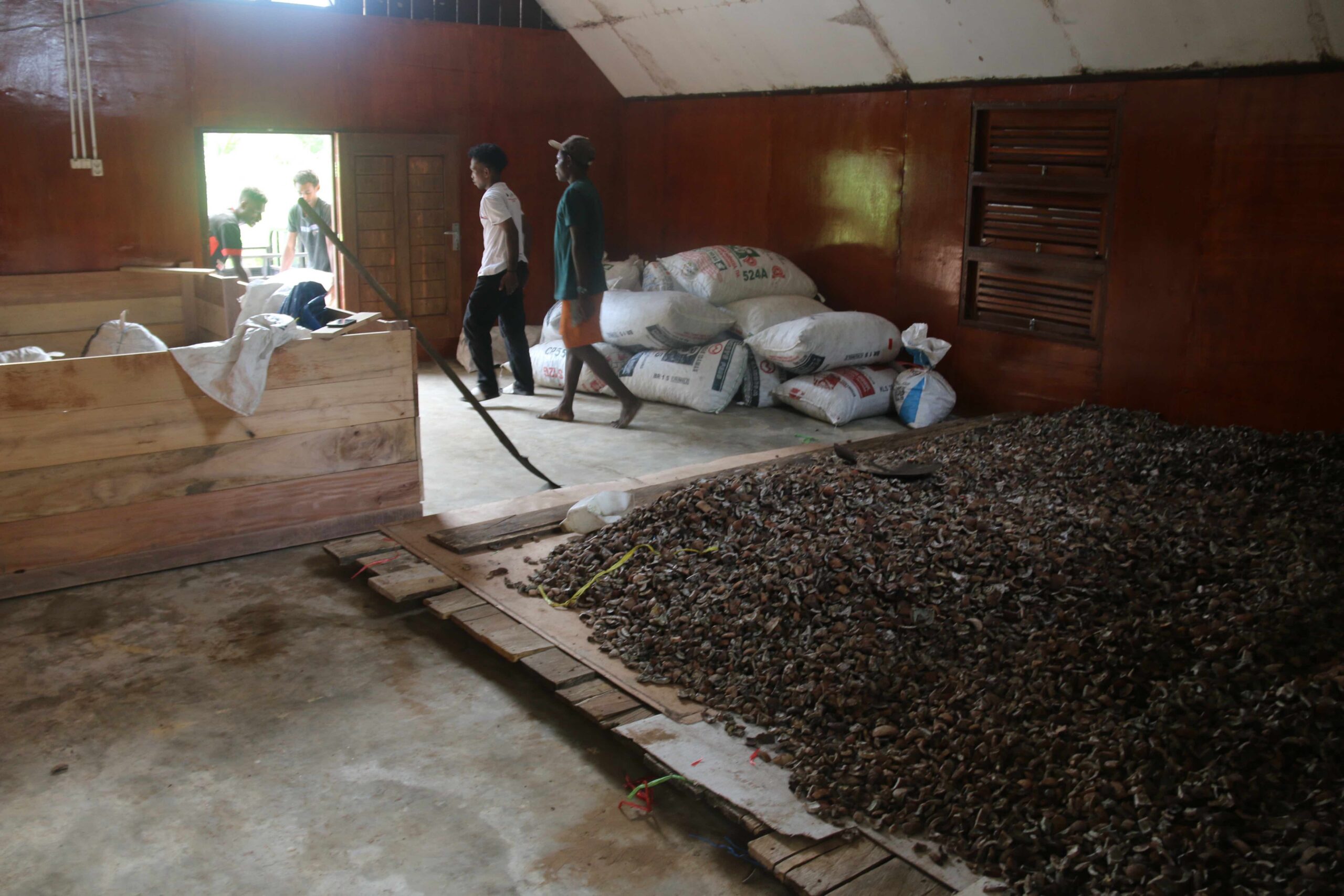
- February 2026: A dormant cultural center in Matara was repurposed as a centralized storage facility, providing a permanent hub for aggregation and quality control.
- April – June 2026: A critical quality assessment revealed that while volume was increasing, the moisture content of the copra remained too high for international standards.
- August 24, 2026: After rigorous training and the adoption of improved smoking (asaran) techniques, the first commercial shipment of 14.5 metric tons of high-quality copra was successfully dispatched to Surabaya.
The Logistics of Economic Empowerment
One of the most significant barriers to success in the Merauke region is the geography of commerce. Located one to one-and-a-half hours from the urban center of Merauke, farmers previously saw their meager profits evaporated by the cost of motorized transport. The intervention by the Yora Mekhande Jaya Cooperative has been transformative. By purchasing directly from the village and establishing a local warehouse, the cooperative has allowed producers to retain a larger share of the value chain.
The impact of this shift is measurable. The number of active copra producers in the region has quintupled, rising from an initial group of five to 25 dedicated individuals. In neighboring villages such as Waninggap Nanggo and Urumb, where land constraints limit the number of coconut palms per household, a secondary economy has emerged. These farmers now purchase raw coconuts from their counterparts in Matara for between IDR 1,500 and IDR 2,000 per unit, effectively creating a local supply network that keeps capital circulating within the district.
Quality Control and Sustainable Practices
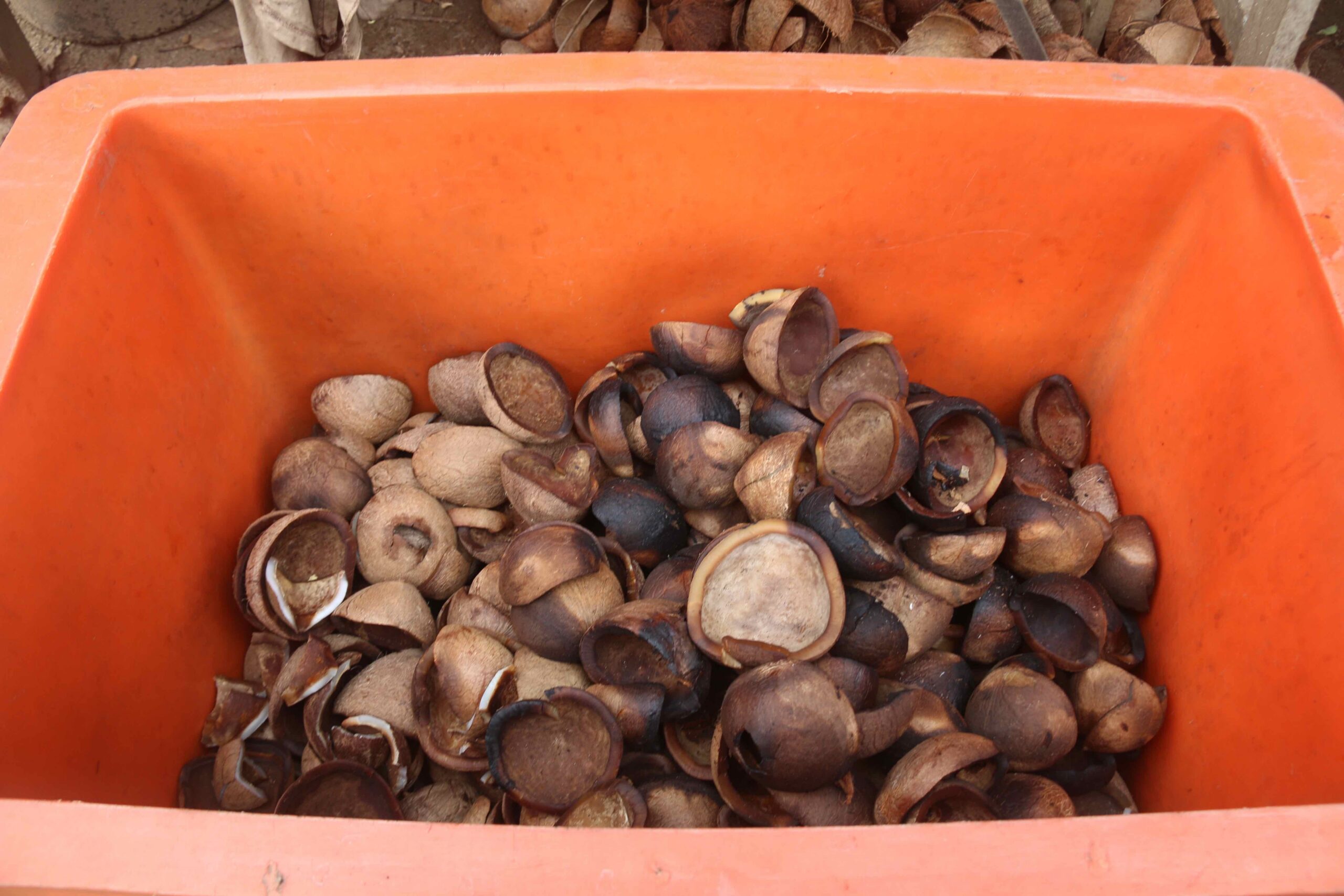
The transition toward a professionalized export model was not without its challenges. Initial shipments revealed significant weight loss—a drop from 15 tons to 12.46 tons—due to high moisture content. This loss of value highlighted the necessity of upgrading technical skills. Adopting best practices from the Sarmi Regency, the EcoNusa team introduced advanced training on the construction and operation of asaran (traditional drying kilns).
To ensure long-term viability, the cooperative introduced a sliding scale payment system. Copra that fails to meet the required dryness standards is subject to a price adjustment. This policy serves a dual purpose: it protects the cooperative’s investment while providing a clear financial incentive for farmers to improve their post-harvest processing techniques. This move has been largely accepted by the community, as it is viewed as a necessary step toward achieving competitiveness in the national market.
Socio-Economic Implications and Future Outlook
The revival of the copra trade has had a profound impact on the local labor market. Sumarni Kaize, head of the Sinai UMKM in Kampung Urumb, notes a visible shift in the demographics of the workforce. Many young people who had previously left to work as sand miners or heavy truck laborers are returning to the land. The prospect of a stable income derived from their own ancestral groves has re-invigorated interest in traditional agricultural practices.
This trend is also fueling an "economy of regeneration." As the cooperative encourages the planting of new seedlings to replace aging palms, the community is moving toward a model where production is balanced with conservation. Jamina Rineke Rumbewas, Chairperson of the Yora Mekhande Jaya Cooperative, estimates that there are over 6,000 coconut palms in the immediate vicinity of Matara alone. When combined with the broader potential across the 22 districts of Merauke, the scale of the resource is significant.
However, challenges remain. The primary threat to the current model is the "jejemput bola" (pick-up ball) strategy employed by urban middlemen. These intermediaries often offer immediate cash payments to farmers, bypassing the cooperative and potentially undermining the sustainable pricing structures established to ensure long-term development. To combat this, the cooperative is looking to increase the frequency of collection to two or three times per week, ensuring that farmers receive the liquidity they need without having to sell to external buyers who often offer lower, non-negotiable rates.
The Broader Context: Coconut vs. Palm Oil
The focus on coconut production in South Papua is gaining traction as a potential alternative to the expansion of palm oil monocultures. As environmental discourse shifts toward sustainable, non-extractive industries, the coconut palm—a plant native to the archipelago and deeply integrated into indigenous agroforestry—offers a compelling case for "green" economic development. Unlike industrial palm oil plantations, which often require vast, cleared landscapes, the Malind community’s approach utilizes existing dusun (groves) and promotes biodiversity.
The implications for the regional economy of South Papua are significant. By diversifying the income streams of indigenous communities, the copra trade acts as a vital safety net during periods when marine or swamp-based food sources are scarce or inaccessible. As Moses Ramsis Boi, a Program Associate with EcoNusa, emphasizes, the coconut has become the "crucial economic anchor" for the Malind people.
As the Yora Mekhande Jaya Cooperative looks to expand its operations to include other villages like Kampung Soa, the model of collective action and quality-focused production appears to be the most viable path forward. The success of the August 2026 shipment to Surabaya serves as a proof-of-concept that with the right logistical support, technical training, and institutional infrastructure, indigenous communities can successfully navigate the complexities of the global commodities market without compromising their traditional way of life. The story of the Malind people is one of resilience, demonstrating that through careful management of their ancestral groves, they are not only harvesting the fruits of the past but also planting the seeds for a sustainable economic future.









