
 Nila Kartika Wati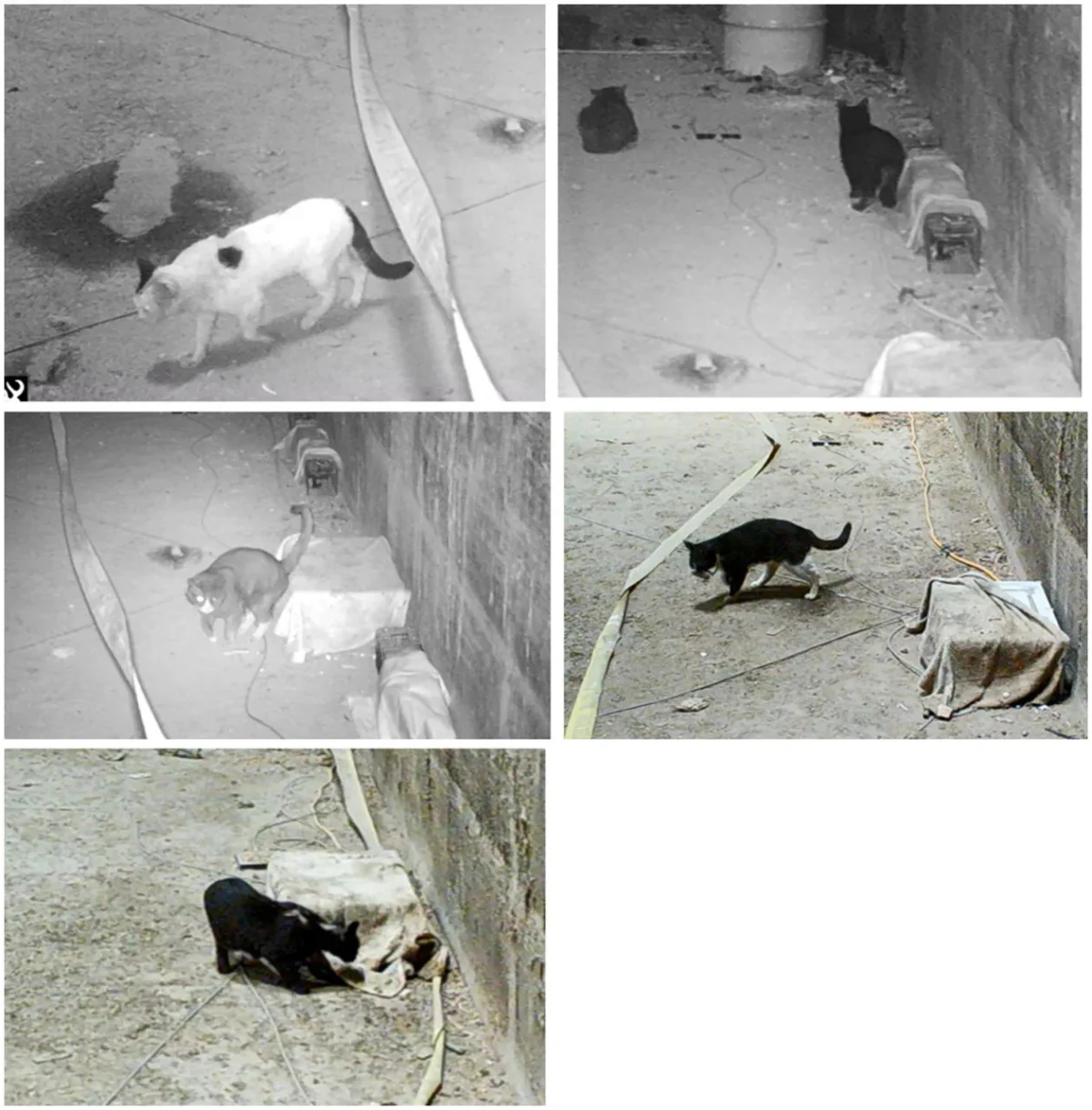
The historical narrative of the domestic cat as an indispensable guardian against rodent infestations is deeply embedded in human civilization. Since the dawn of agriculture, cats have been valued as biological control agents, protecting granaries and homes from the ravages of rats and mice. However, a modern paradox has emerged: many contemporary pet owners observe their domestic companions remaining entirely indifferent while rodents scurry across kitchen floors or through basements. This observation has led to a widespread questioning of the feline’s utility as a predator. To understand why this shift has occurred, it is necessary to move beyond anecdotal frustration and examine the biological, behavioral, and ecological drivers that dictate why today’s domestic cat may choose to ignore, rather than hunt, the vermin in our homes.
The Evolutionary Context and the Shift in Feline Behavior
For thousands of years, the relationship between humans and Felis catus was symbiotic. Humans provided shelter and protection, while cats provided pest control services. This arrangement was largely driven by necessity, as food storage was vulnerable to rodent contamination. In the modern era, however, the domestic environment has fundamentally changed. Cats are now primarily provided with high-quality, nutrient-dense commercial diets, removing the biological imperative to hunt for survival.
Historical accounts suggest that as recently as the mid-20th century, farm cats were often maintained with minimal human-provided sustenance, forcing them to rely almost exclusively on hunting. The transition to indoor, pampered pets has altered the selective pressures acting upon feline behavior. While the instinct to hunt remains hardwired into the feline brain, the expression of this instinct is now decoupled from the need for sustenance.
Hunger Versus Instinct: The Biology of the Hunt
A pivotal 2021 study published in Ecosphere by researchers at the University of Exeter provides a significant breakthrough in understanding this dynamic. By analyzing the stable isotope ratios in the whiskers of domestic cats that were known to hunt wildlife, researchers were able to precisely differentiate the sources of protein in the cats’ diets. The results were striking: approximately 96 percent of the cats’ nutritional intake came from commercial pet food provided by their owners, while only 3 to 4 percent was derived from wild prey.
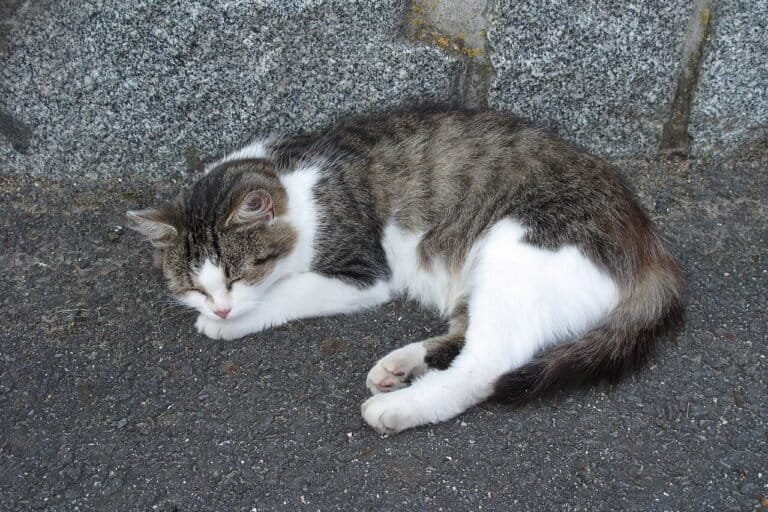
This finding suggests that the predatory drive in cats is not a reaction to starvation, but rather an independent behavioral module. This phenomenon, often referred to as "surplus killing" or "recreational hunting," occurs when a cat captures prey not to eat, but to satisfy an internal behavioral loop. For the modern pet owner, this explains why a well-fed cat might still bring a bird or a mouse to the porch—it is an exercise of instinct, not a sign of hunger. Conversely, when a cat ignores a rat, it is not necessarily "lazy" or "defective"; it is simply an animal whose caloric needs are being met, and for whom the energy expenditure of chasing a dangerous rodent is deemed unnecessary.
The Myth of the Easy Target: Rats as Formidable Opponents
A significant factor contributing to the perceived failure of cats as rat-catchers is the confusion regarding the nature of the prey. Many individuals conflate the house mouse (Mus musculus), which typically weighs between 20 and 35 grams, with the urban brown rat (Rattus norvegicus). The brown rat is a robust, aggressive, and highly capable adversary, often weighing ten times more than a mouse.
In 2018, researchers from Fordham University conducted an extensive observation project at a waste management facility in New York City. The site was known to host a stable population of approximately 120 to 150 brown rats. By deploying high-definition cameras, the researchers monitored the interactions between the local feral cat colony and the rat population over a six-month period. The study, published in Frontiers in Ecology and Evolution, yielded surprising data. During 259 observed interactions, the cats engaged in actual predation attempts only three times.
The average weight of the rats at this facility was 337 grams. These rodents are not passive targets; they are capable of inflicting significant injury upon a cat through biting and scratching. The study noted that the two successful hunts involved smaller, presumably younger or compromised rats, likely under the 250-gram threshold. When faced with a healthy, full-grown adult brown rat, the cats frequently chose to cease their pursuit or avoid engagement entirely. This suggests that the cat is a rational actor that performs a cost-benefit analysis before engaging in a hunt. If the risk of injury outweighs the potential reward, the cat will logically decline the confrontation.
The "Presence Effect" and Behavioral Modification
While the Fordham study highlighted the low frequency of direct predation, it also revealed a secondary, arguably more important function of the cat: the "presence effect." Even when cats did not actively kill the rats, their mere presence caused significant behavioral changes in the rodent population.
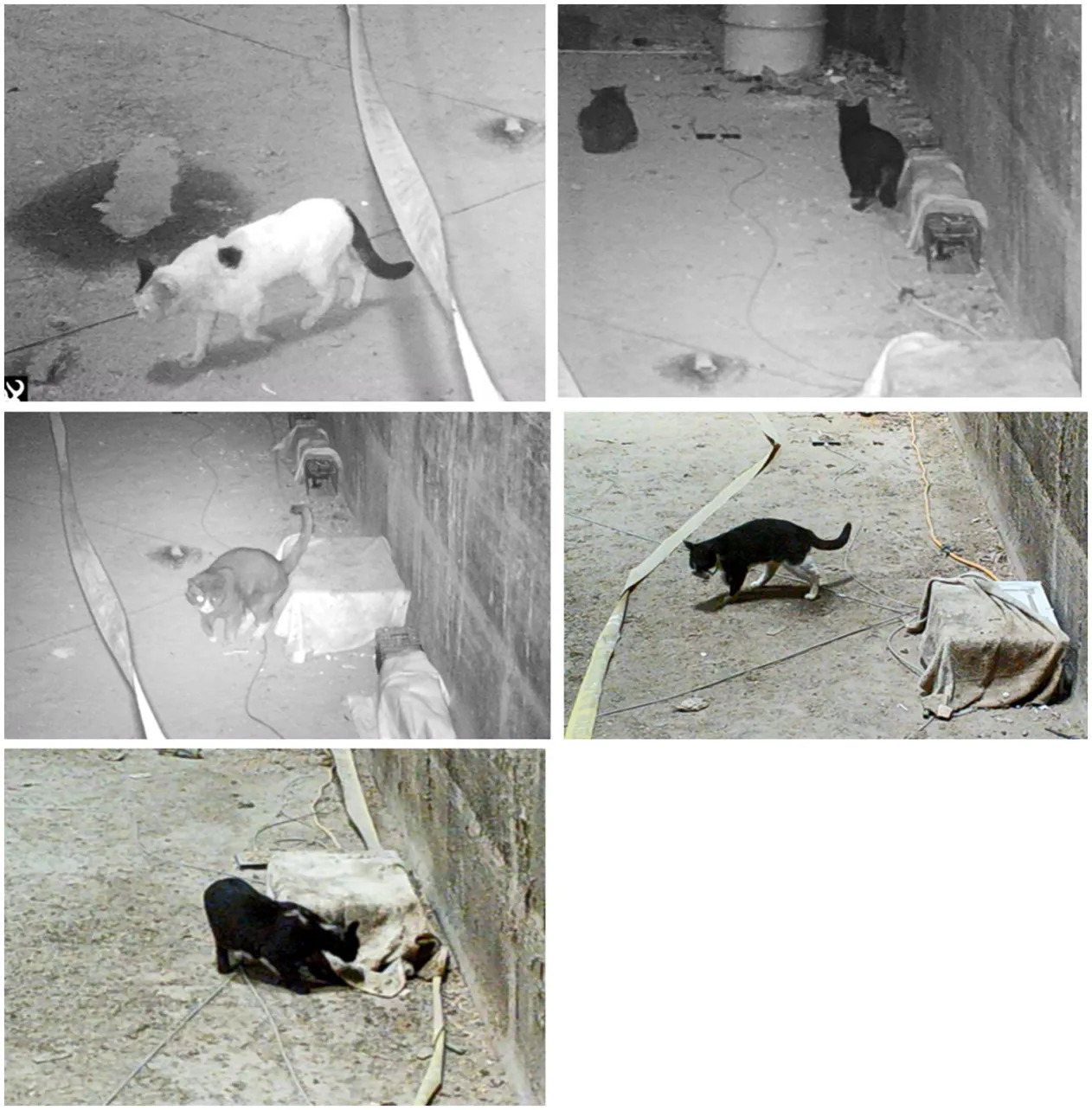
The researchers observed that the presence of a cat induced a "landscape of fear." When cats were present, rats were significantly less likely to emerge from their burrows, and when they did, they displayed more cautious, restricted movement patterns. This suggests that while cats are not necessarily "exterminators" in the traditional sense, they act as a psychological deterrent that forces rodent colonies to modify their activity levels. This subtle, long-term disruption of rodent behavior may explain why many homeowners believe their cat is effective, even if they never witness a kill. The colony remains, but its activity is suppressed, keeping the human occupants relatively unaware of the rodent presence.
Implications for Modern Pest Control
The evidence suggests that the expectation for a domestic cat to serve as a primary pest control solution is biologically mismatched with the reality of feline behavior and the nature of urban rat populations. For homeowners dealing with infestations, relying solely on a pet is often insufficient and potentially hazardous for the animal.
- Risk of Disease and Parasites: Engaging with rats exposes cats to a variety of zoonotic diseases, including leptospirosis, salmonella, and various parasites.
- Nutritional Incongruence: Modern pet food is formulated to meet all feline nutritional requirements. Encouraging cats to hunt for sustenance is not only unnecessary but also removes the cat from the safety of the home, exposing them to traffic, toxins, and predators.
- The Limits of Intervention: Studies on various cat-deterrent or cat-encouragement strategies, such as the use of bells or specialized collars like "Birdsbesafe," have shown that while these can reduce the number of birds caught, they do little to influence the hunting of more elusive prey like rats.
Conclusion: A Shift in Perspective
The consensus among wildlife biologists and behavioral researchers is that the "lazy cat" narrative is a product of anthropomorphism—the tendency to attribute human values like laziness or duty to animal behaviors. In reality, the domestic cat is a highly specialized predator that has adapted to a world where its survival no longer depends on the capture of vermin.
The decline in visible rat-catching is not a sign of evolutionary degradation, but a reflection of the changed ecological niche that the house cat occupies. As we move forward, it is essential for the public to recognize the cat as a companion animal rather than a municipal pest control tool. Effective rodent management in the 21st century requires integrated pest management (IPM) strategies—such as structural sealing, sanitation, and professional trapping—rather than relying on the intermittent and unpredictable instincts of a domestic pet. By adjusting our expectations, we can better protect both our homes from infestation and our feline companions from the unnecessary risks associated with hunting formidable urban adversaries.









