
 Nila Kartika Wati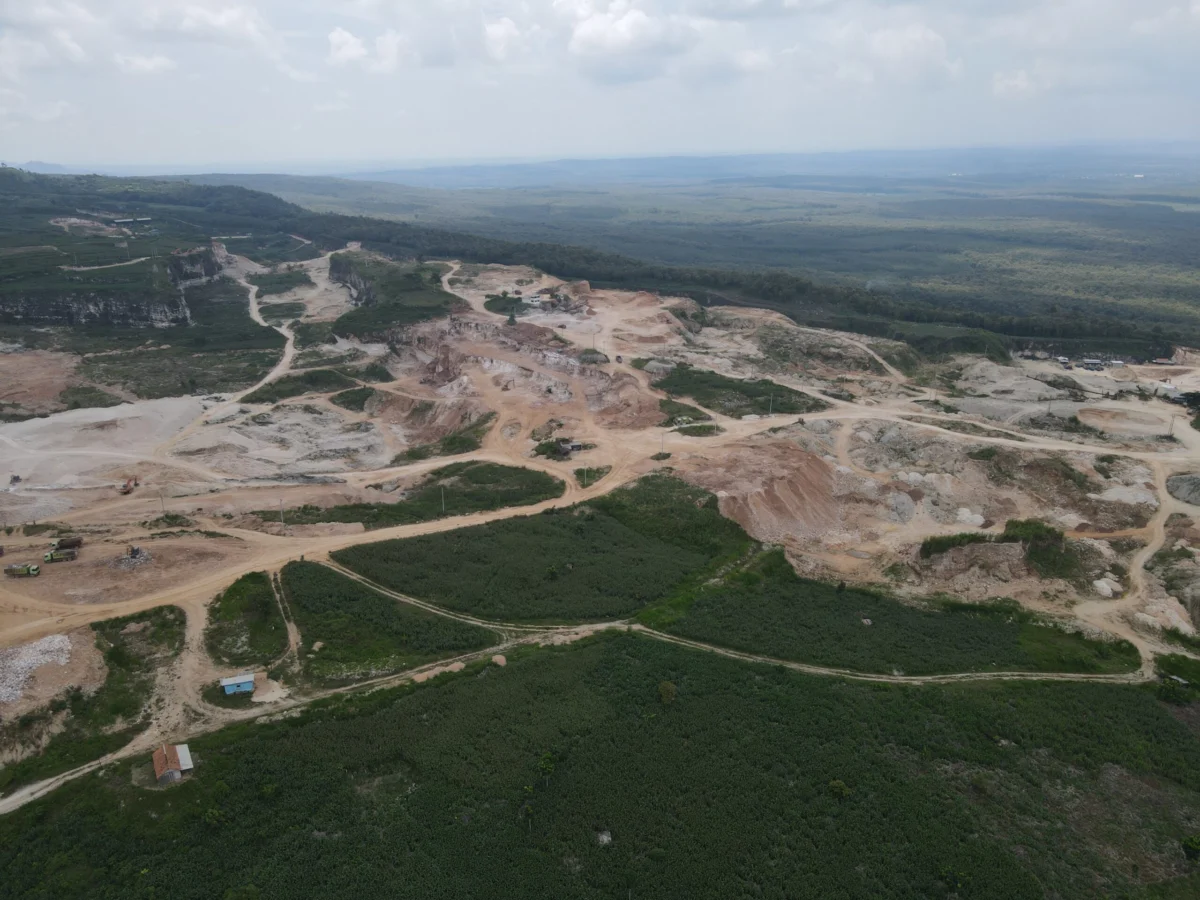
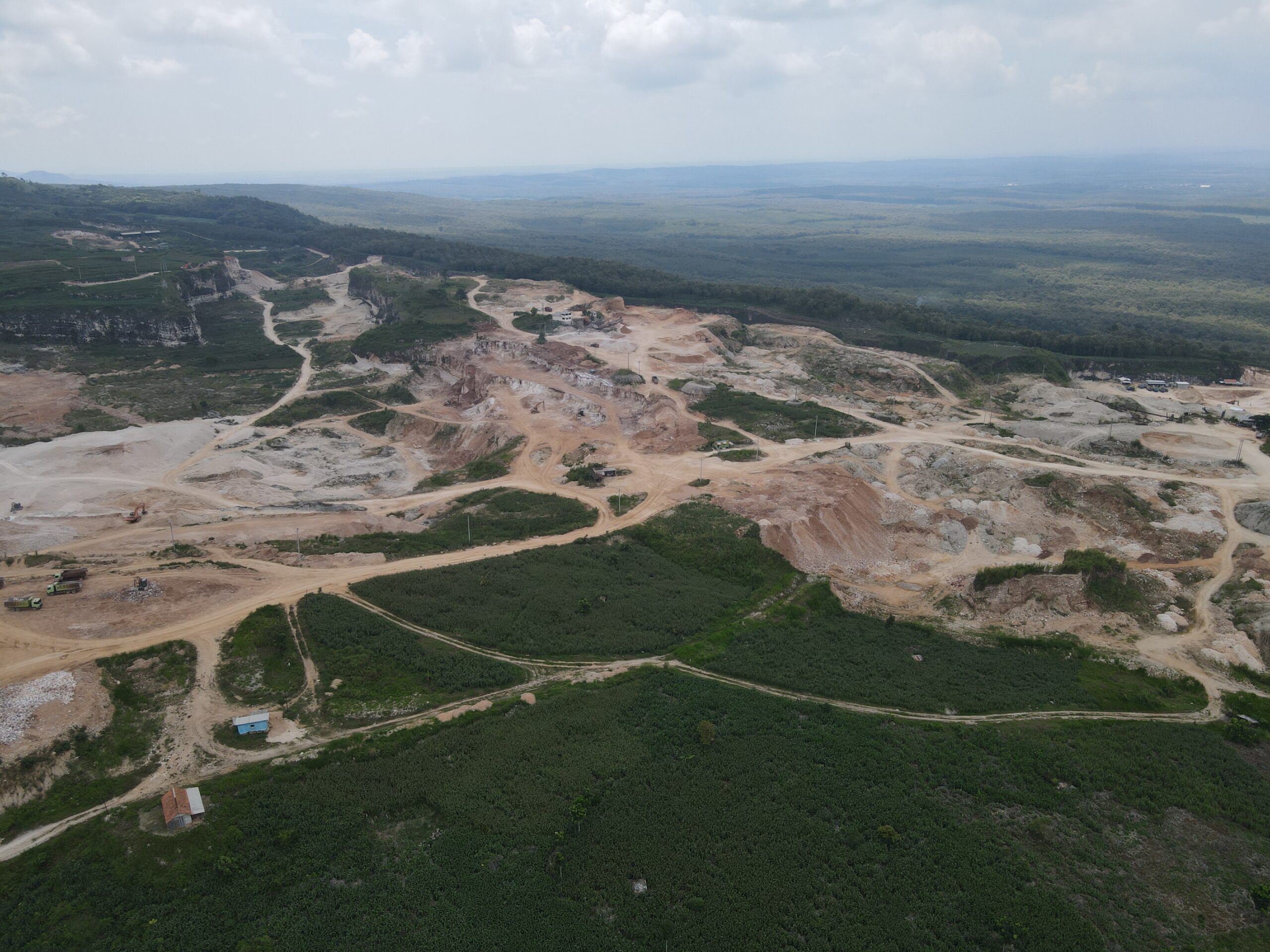
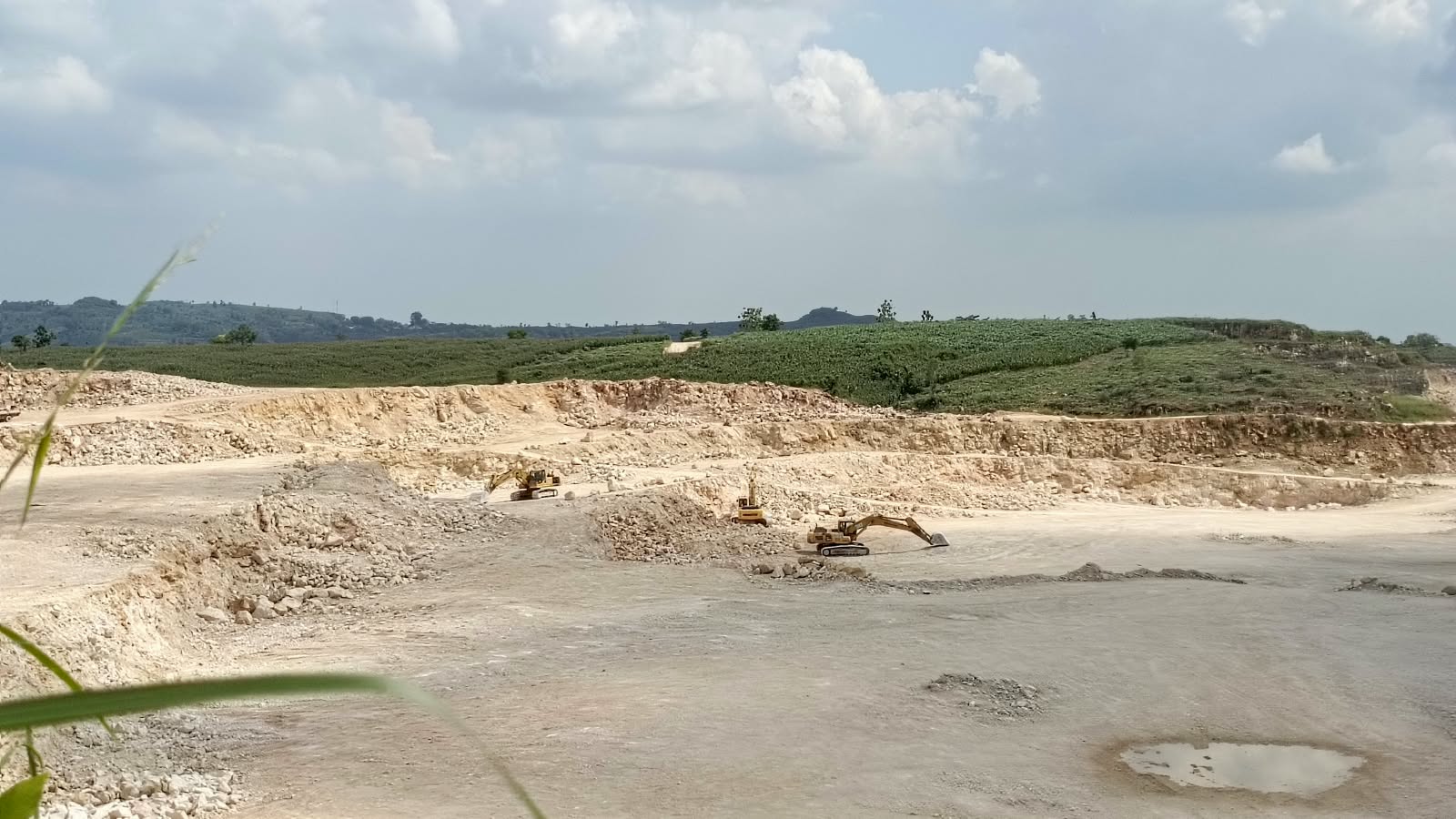
The relentless rumble of heavy-duty trucks navigating the dust-choked roads of the Kendeng Mountains in Rembang, Central Java, serves as a daily reminder of an industrial transformation that has fundamentally altered the region’s landscape. Since mid-2006, when limestone mining began to intensify in the area, the local topography—once defined by lush greenery and vital subterranean water networks—has been steadily surrendered to the demands of the cement industry. With the subsequent arrival of large-scale cement manufacturing facilities in 2017, the intersection of economic development and ecological preservation has reached a critical, and often volatile, impasse.
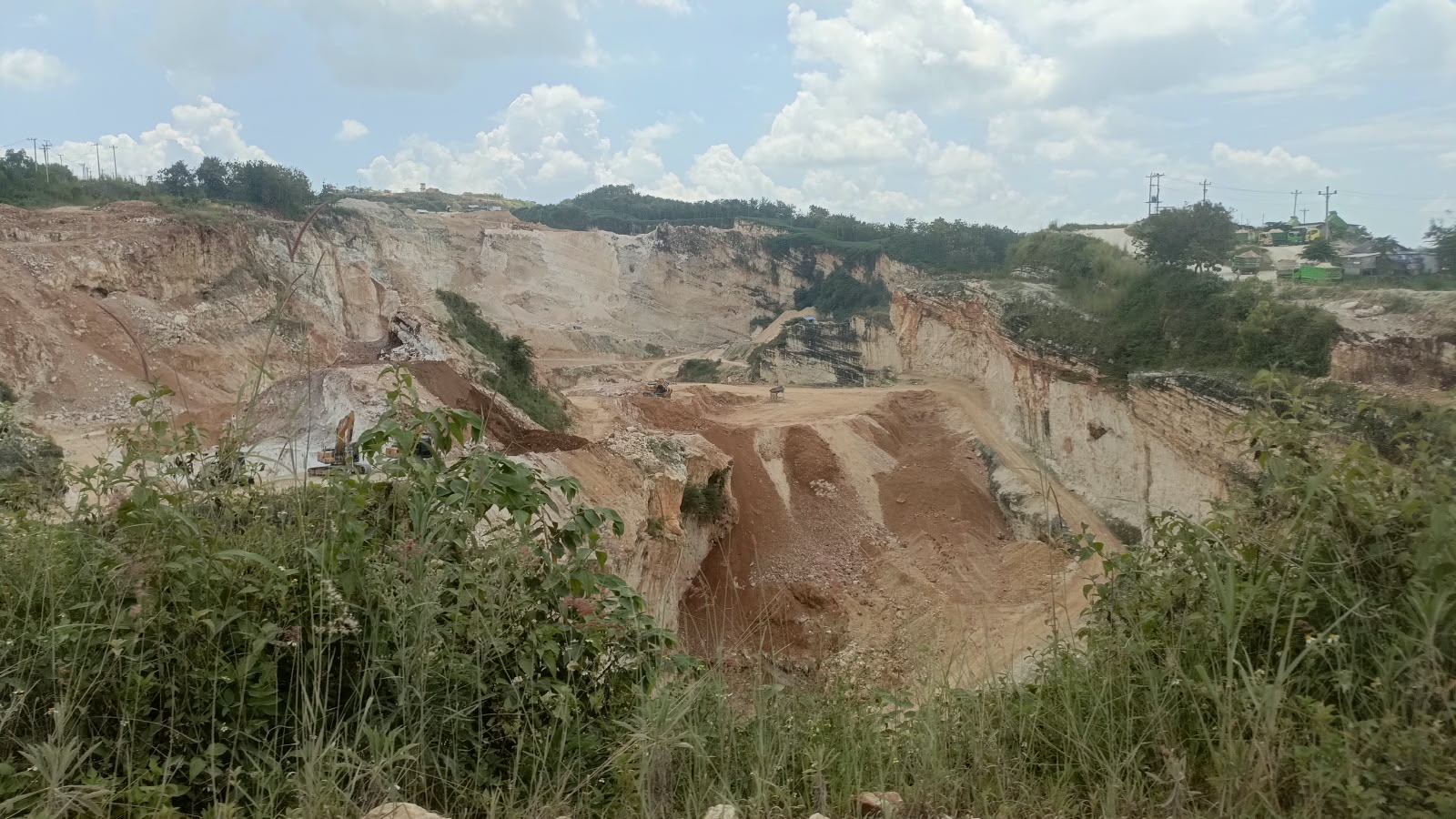
For residents like Joko Priyanto, coordinator of the Network of Concerned Citizens for the Kendeng Mountains (JM-PPK), the industrial presence is felt long before it is seen. The rhythmic detonation of explosives, used to fracture limestone bedrock for raw material, vibrates through the valley twice a week. These blasts occur within a mere kilometer of residential settlements, shattering the tranquility of rural life and signaling a permanent departure from the region’s agricultural roots.
A Shrinking Resource: The Hydrological Crisis
The environmental toll on the Kendeng karst ecosystem is not merely visual; it is hydrological. Karst landscapes are inherently porous, functioning as natural reservoirs that filter and store vast quantities of groundwater. As mining activities have expanded, the structural integrity of these formations has been compromised.
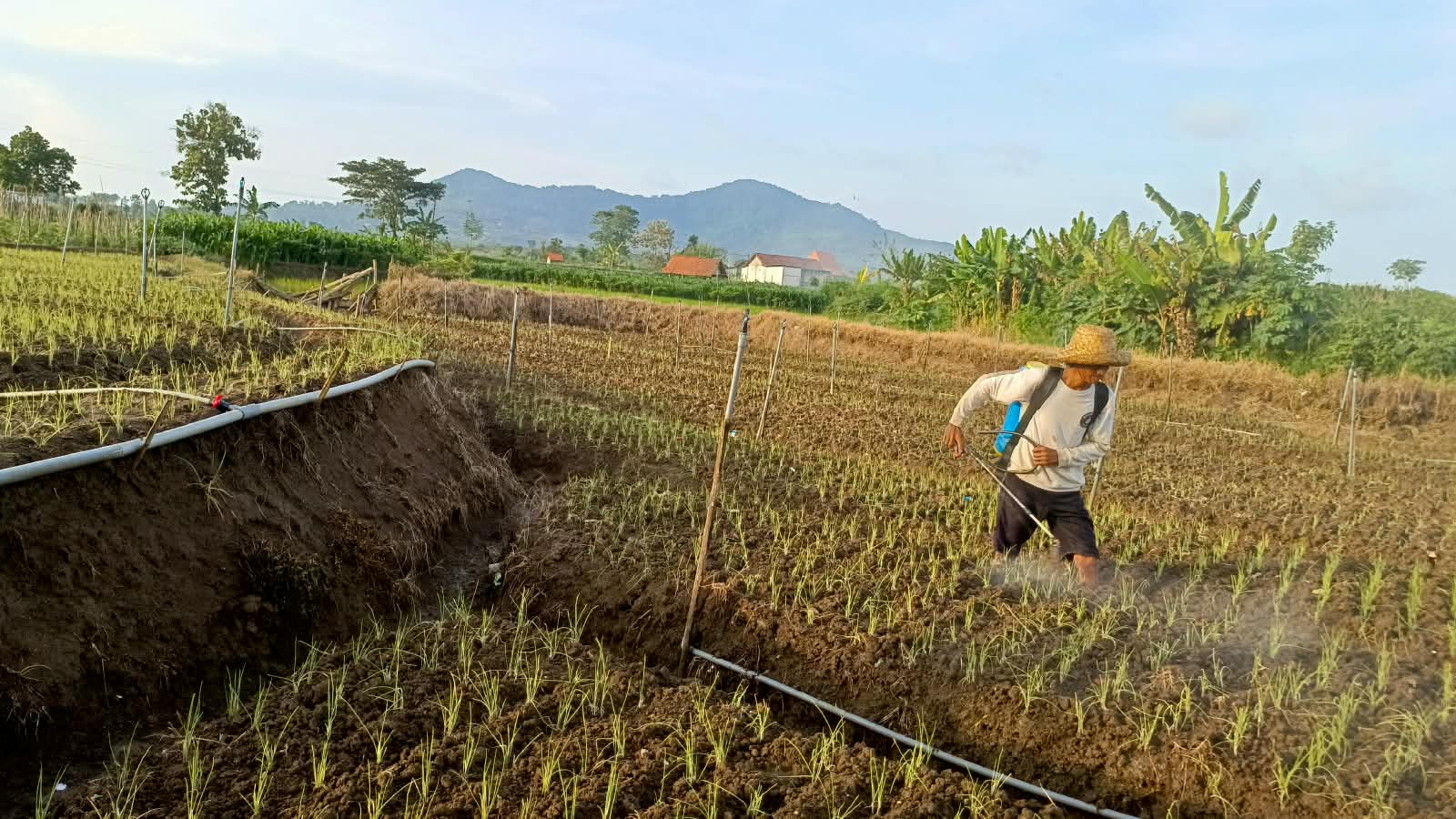
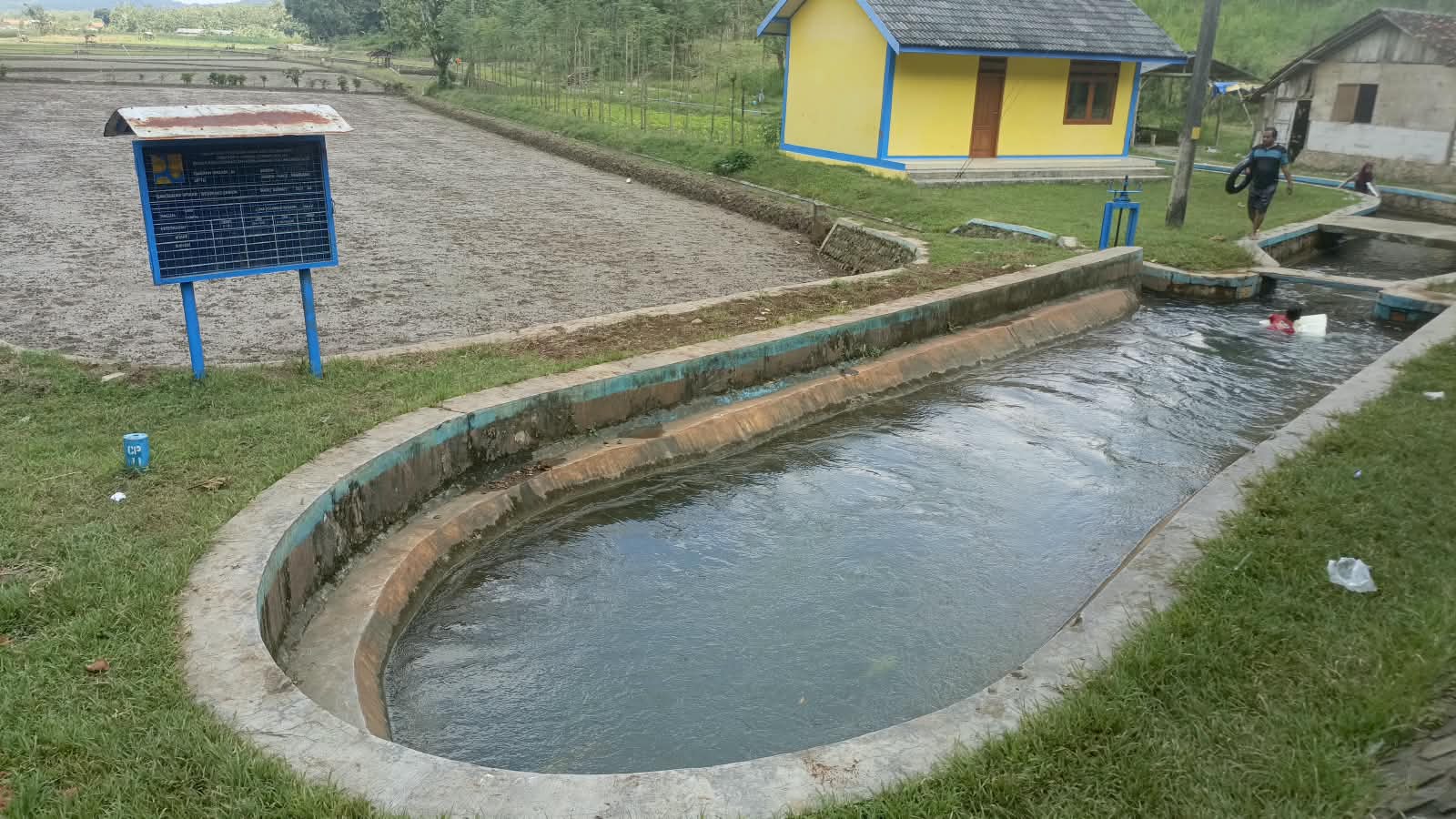
Local farmers, once reliant on gravity-fed irrigation systems, now face a dire reality: the springs that have sustained their livelihoods for generations are drying up. Data confirms these observations; in 1998, the primary water source for the Rembang water utility (PDAM) recorded a discharge rate of 635 to 738 liters per second. By 2013, that figure had plummeted to 403 liters per second.
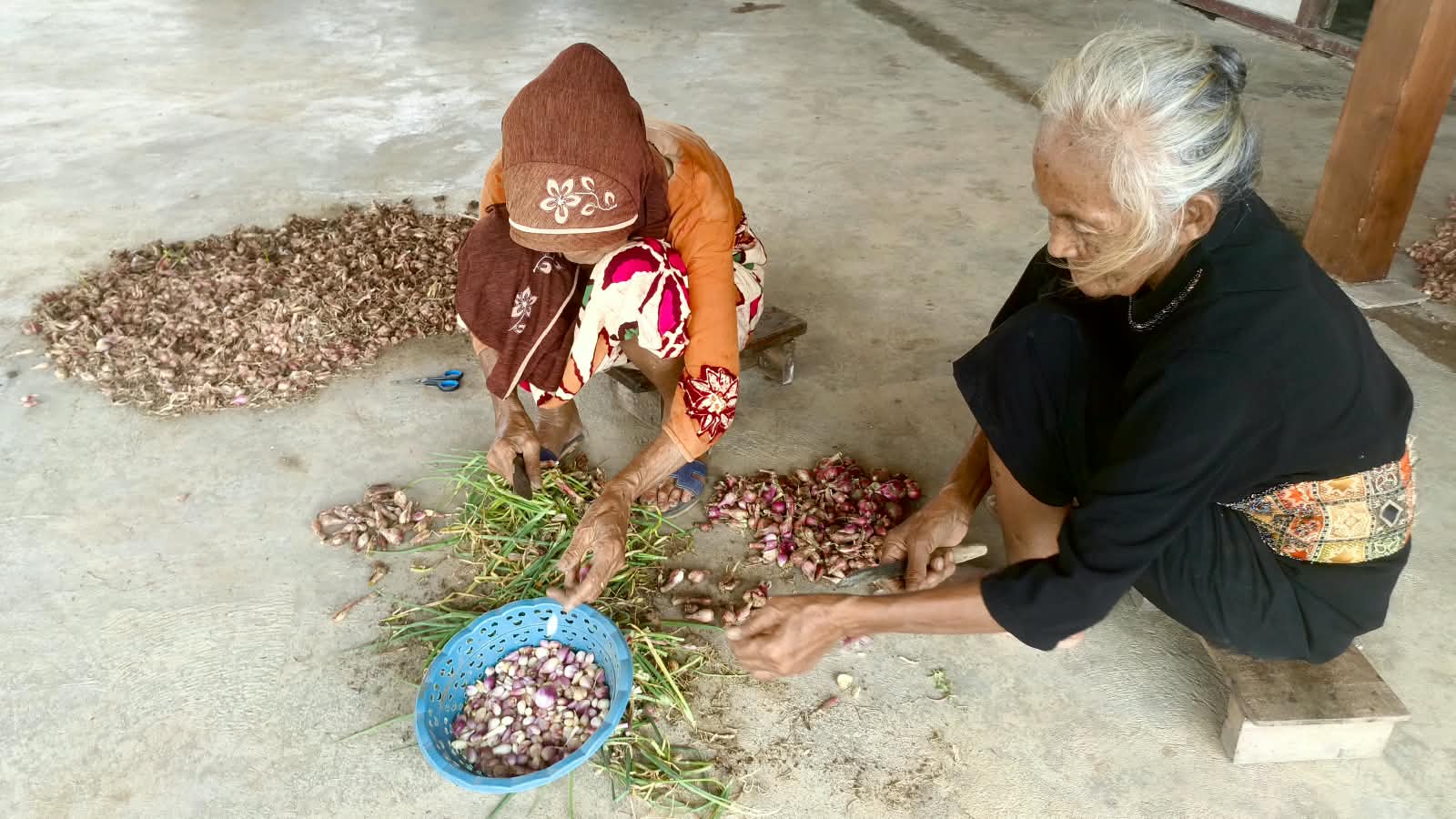
Purnomo, a 46-year-old water well driller who has worked in the Tegaldowo region for decades, notes that the water table has receded significantly. "Years ago, we could hit a reliable aquifer at a depth of a dozen meters," he explains. "Today, you are lucky to find water at thirty meters or more." This decline forces farmers to invest in deeper, more expensive borewells, driving up operational costs while simultaneously reducing crop yields. A farmer who once harvested three tons of shallots from a single plot during the dry season now struggles to produce a single ton, illustrating the direct economic erosion caused by the disruption of the water cycle.
The Global Carbon Dilemma and the Industry’s Response
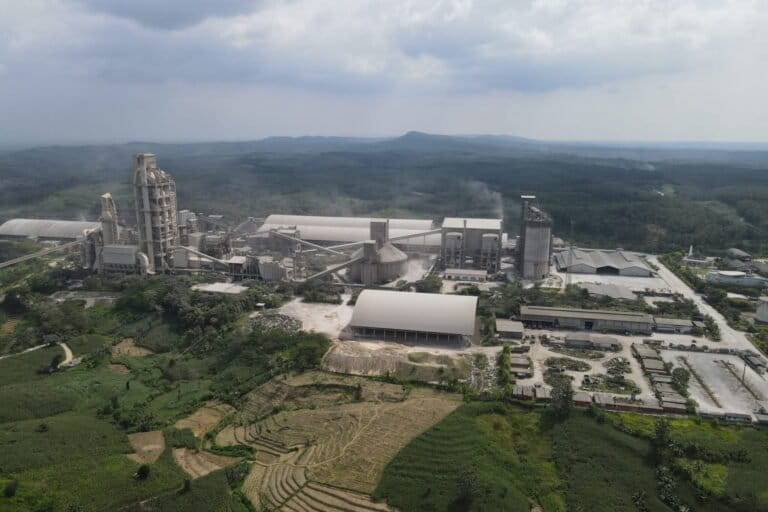
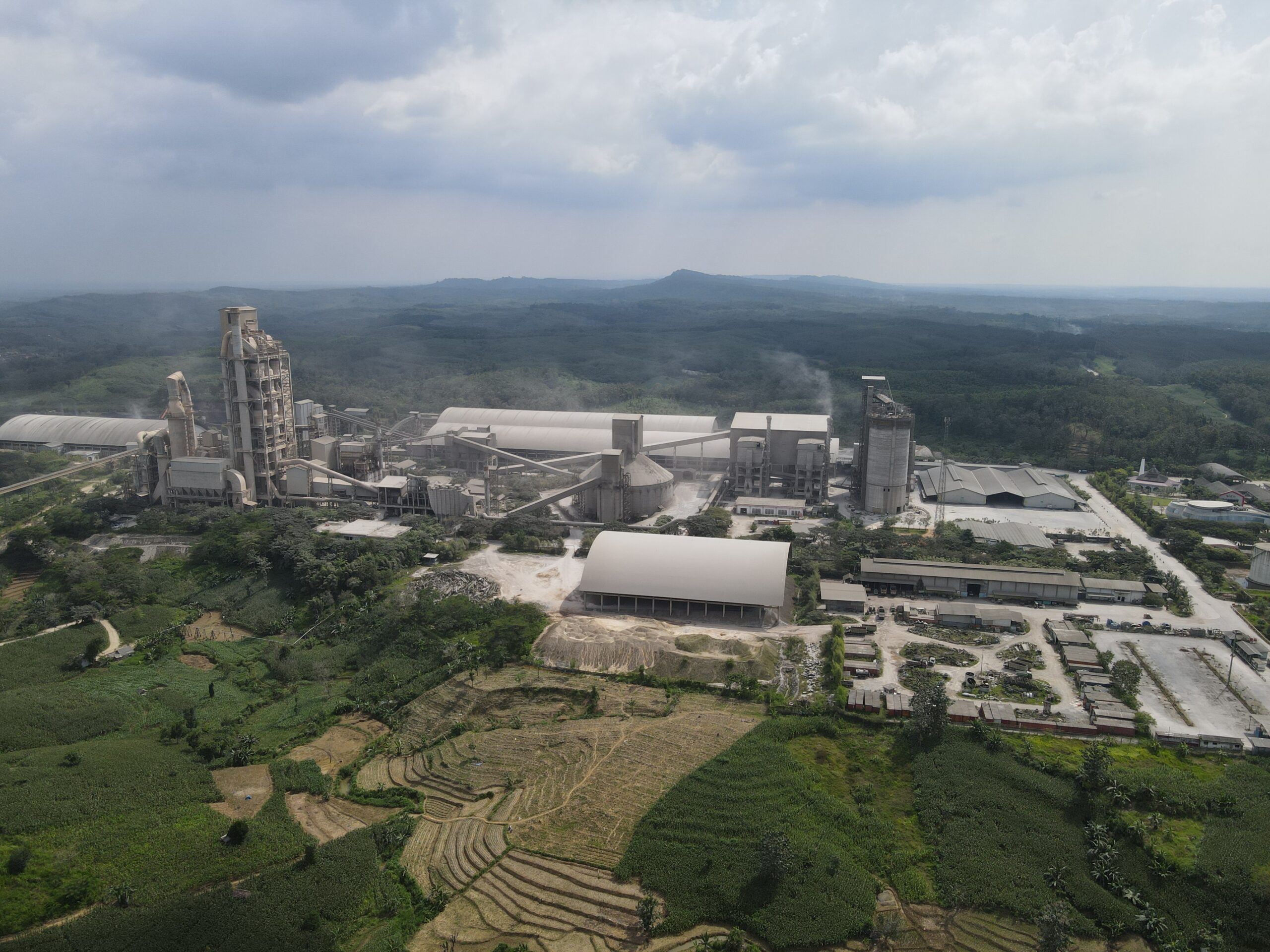
The cement industry is a cornerstone of Indonesia’s infrastructure ambitions, yet it remains one of the world’s most carbon-intensive sectors. According to research cited by the Institute for Essential Services Reform (IESR), the industry accounts for approximately 7-8% of total global CO2 emissions. In Indonesia, the expansion of the sector is stark: in 2010, the country housed nine cement production units with an output of 42 million tons. By 2026, that number has grown to 16 companies with a total capacity exceeding 119 million tons, with actual production hovering around 65 million tons annually.
To address this, the Ministry of Industry has established a decarbonization roadmap aimed at achieving Net Zero Emission (NZE) by 2060. Industry players, represented by the Indonesian Cement Association (Asperssi), point to "green cement" initiatives as the solution. These include the use of alternative materials such as fly ash and bottom ash (FABA) from coal-fired power plants, as well as the implementation of Waste Heat Recovery Power Generation (WHRPG) technology. Semen Indonesia (SIG), the market leader, claims that its newer products carry a 38% lower carbon footprint compared to conventional cement, achieved through the utilization of Refuse Derived Fuel (RDF)—essentially processing waste into energy to replace coal.
The Scientific Skepticism: Greenwashing or Progress?
Despite these industry claims, independent researchers and environmental experts express profound skepticism. Jaya Darmawan, a researcher at the Center of Economic and Law Studies (Celios), argues that the industry’s "carbon reduction" accounting is fundamentally flawed. "The calculation is based on an outdated 2010 baseline and fails to account for the total carbon footprint of the entire supply chain," Darmawan asserts.
The criticism centers on the concept of "scope"—while companies focus on reducing emissions within the factory (Scope 1 and 2), they often ignore the environmental cost of land-use change (Scope 3/LULUCF). When a karst mountain is leveled for mining, the ecosystem’s natural ability to act as a "carbon sink" is destroyed.
"You cannot claim to be ‘greener’ by optimizing a kiln while simultaneously tearing down a massive, ancient carbon-absorbing structure," says Jalal, Chairperson of the Advisory Board at Social Investment Indonesia. He highlights that the destruction of karst basins in Rembang represents a permanent loss of a natural asset that has functioned for millennia.
Furthermore, the use of alternative fuels—such as municipal waste—carries its own set of health risks. Research by Alina Barbulescu from the University of Transylvania notes that improper incineration of such materials in cement kilns can release toxic substances, including dioxins, furans, and heavy metals like mercury and lead. A 2022 environmental audit by the Ministry of Environment and Forestry (KLH) acknowledged these risks, specifically citing that temperature fluctuations in the kiln pre-heaters could lead to the release of these hazardous pollutants.
The Economic Paradox: Over-Supply and Expansion
A glaring contradiction in the industry’s narrative is the gap between production capacity and market demand. Indonesia currently faces a significant over-supply of cement. Yet, despite this, local governments continue to issue environmental permits for new mining and production facilities, such as the recent approvals in Wonogiri, Central Java.
Economic analysis suggests that the true cost of this expansion is not being internalized. A Celios study titled Assessment of the Moratorium on Mining Licenses in Java estimated that the economic losses resulting from limestone mining in the Kendeng North region reach approximately Rp3.27 trillion annually. This figure incorporates lost agricultural productivity, increased household water costs, public health expenses due to respiratory illnesses, and the loss of biodiversity.
Toward a New Accounting of Value
As Indonesia navigates its path toward industrial sustainability, the debate over the Kendeng Mountains serves as a microcosm of a broader challenge. The reliance on extractive industries for national development is increasingly at odds with the necessity of preserving critical ecosystems.
Experts argue that if the government is serious about decarbonization, the current audit methods must be overhauled. This would involve:
- Mandatory Inclusion of Ecosystem Services: Incorporating the loss of carbon-sequestration functions of karst landscapes into environmental impact assessments (EIA).
- Carbon Pricing and Taxes: Implementing internal carbon pricing to reflect the true cost of production, preparing the industry for global standards like the Carbon Border Adjustment Mechanism (CBAM).
- Restructuring the Industry: Shifting the focus from raw capacity expansion to quality and efficiency, aligning production with actual domestic and export demand to prevent the unnecessary destruction of untapped karst areas.
The "green" transition in the cement sector cannot be achieved solely through technological tweaks within the factory walls. As long as the hulu (upstream) destruction of the karst ecosystem remains excluded from the industry’s balance sheet, the claim of significant decarbonization remains, at best, a partial truth. For the people of Kendeng, the cost of this industrial ambition is paid in the currency of lost water, diminished harvests, and a landscape that, once destroyed, may never be recovered.
Ultimately, the future of the Kendeng Mountains will serve as a bellwether for Indonesia’s commitment to its climate goals. The question remains whether policy will prioritize the short-term metrics of industrial output or the long-term, irreplaceable value of the natural infrastructure that sustains the nation’s lifeblood.









