Tata Titiana
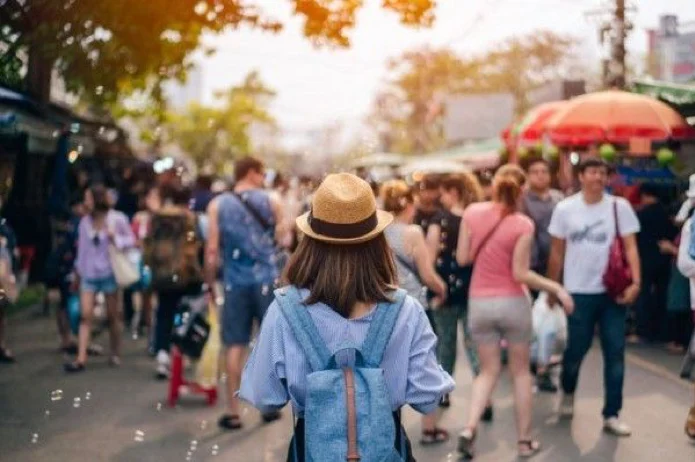
The modern definition of wealth is undergoing a profound transformation. While previous generations traditionally prioritized asset accumulation—such as purchasing residential real estate, investing in private vehicles, and building substantial monetary savings early in life—contemporary demographics are increasingly leaning toward experiential consumption. At the center of this cultural shift is "lifestyle traveling," a growing movement where exploring the globe, discovering remote natural landscapes, and immersing oneself in diverse cultures take precedence over traditional financial milestones.
Driven by widespread technological connectivity, the proliferation of remote work opportunities, and an immense appetite for authentic discovery, lifestyle traveling has evolved from an occasional recreational holiday into a core philosophy of modern existence. For millennials and Generation Z, investing in memories, personal growth, and cross-cultural understanding is widely regarded as a far more resilient form of capital accumulation than holding static currency or physical goods.
The Sociological Shift: From Material Accumulation to Experiential Wealth
To understand the current boom in lifestyle traveling, one must examine the socioeconomic and technological landscape of the past decade. Historically, major life choices were dictated by a linear life path: complete formal education, secure a stable corporate position, purchase a home, and save aggressively for retirement. However, economic shifts, rising real estate costs in urban centers, and the normalization of flexible labor have altered this trajectory.
According to various consumer behavior studies, younger demographics increasingly view traditional milestones as either financially out of reach or misaligned with their core values. Instead, they choose to allocate their disposable income toward travel. This phenomenon is amplified by social infrastructure: low-cost carriers, peer-to-peer accommodation networks, and digital platforms that make global mobility easier than ever before.
Sociologists note that this shift is not merely about leisure; it is a psychological coping mechanism and an intentional lifestyle choice. In an era dominated by digital saturation, high-stress urban environments, and economic uncertainty, traveling offers a tangible escape. It provides individuals with a sense of agency, mental well-being, and personal identity construction that cannot be replicated through material purchases. Furthermore, the psychological concept of "experiential purchases over material purchases" suggests that experiences provide longer-lasting happiness because they are deeply integrated into an individual’s identity and social connections.
The Economic and Technological Catalysts
The acceleration of lifestyle traveling has been heavily supported by rapid advancements in digital infrastructure. The advent of high-speed mobile internet, affordable smartphone technology, and comprehensive travel aggregation platforms has dismantled the barriers that once made international exploration complicated and expensive.
Furthermore, the global shift toward remote work—accelerated significantly by the COVID-19 pandemic—created a new subclass of travelers known as "digital nomads." These professionals are no longer tethered to a physical office space, allowing them to merge their professional obligations with long-term travel. By adopting a lifestyle where home is wherever their laptop opens, they challenge the traditional dichotomy between working life and vacation time.
Tourism industry data over the past five years reflects this trend. While traditional packaged group tours have seen stable or declining interest among younger demographics, independent travel, long-stay international rentals, and adventure tourism have experienced exponential growth. Destinations worldwide are adapting to this shift, introducing digital nomad visas, co-living spaces, and improved digital infrastructure to attract mobile professionals.
Deconstructing the Lifestyle Traveler: Core Characteristics
Adopting a lifestyle travel approach requires a distinct mindset that diverges from standard vacation planning. Rather than treating travel as a brief respite from daily routines, lifestyle travelers integrate exploration into their everyday existence. Observers of this trend identify several key behavioral patterns among practitioners:
- Prioritizing Immersion Over Sightseeing: Lifestyle travelers typically avoid rapid, checklist-based tourism. Instead, they seek slow travel—spending weeks or months in a single region to understand local customs, build relationships with residents, and engage deeply with the community.
- Financial Prioritization: Budgeting is reoriented toward mobility. Practitioners often cut down on non-essential local expenses—such as dining out frequently in their home cities, leasing new cars, or purchasing luxury goods—to redirect those funds into travel reserves.
- Flexibility and Resilience: Because lifestyle travel often involves navigating unfamiliar territories for extended periods, practitioners develop high adaptability, learning to handle logistical disruptions, language barriers, and cultural adjustments with composure.
Essential Frameworks for Transitioning to Lifestyle Travel
For individuals seeking to transition from occasional vacationers to lifestyle travelers, industry veterans and cultural commentators suggest adopting specific mental frameworks and practical strategies.
Cultivating Intentional Courage and Decisive Action
The psychological hurdle of leaving a stable routine is often the most significant barrier to long-term travel. Many prospective travelers fall into the trap of endless planning, waiting for an arbitrary financial milestone before taking action. Lifestyle travel advocates emphasize that waiting for absolute financial security can indefinitely postpone personal growth.

Rather than depleting life savings or waiting for retirement, modern travelers focus on sustainable mobility—finding ways to generate income on the road, managing minimalist budgets, and recognizing that the external world is generally far more navigable than fear suggests. Cultivating courage involves accepting a degree of uncertainty and trusting one’s ability to problem-solve in unfamiliar environments.
Embracing Fluid Itineraries and Spontaneous Adaptation
Traditional travel itineraries are often meticulously planned down to the hour, leaving little room for unexpected discoveries. In contrast, lifestyle travel relies on a flexible framework. While having a general direction is essential, maintaining a rigid schedule can prevent travelers from experiencing authentic, unplanned moments.
Allowing room for spontaneity often leads to the most enriching encounters—whether discovering an unlisted local culinary tradition, joining a community event, or altering a route due to local recommendations. Fluidity teaches travelers to let go of the need for absolute control, fostering mental resilience and openness.
Mastering Cross-Cultural Adaptation
The success of lifestyle traveling hinges on an individual’s capacity to integrate into diverse cultural ecosystems. This goes beyond basic tourism; it requires genuine respect for local norms, a willingness to learn rudimentary phrases of native languages, and an understanding of socio-political contexts within the destination region.
Adaptability serves as the ultimate tool for the modern traveler. When faced with logistical hurdles, cultural misunderstandings, or environmental shifts, the ability to recalibrate expectations without frustration ensures a sustainable and enriching journey. This adaptability ultimately translates into professional and personal life back home, enhancing communication skills and emotional intelligence.
Implications and Future Outlook of Experiential Living
The widespread adoption of lifestyle traveling carries profound implications for multiple sectors, including global economics, urban planning, mental health, and education.

From an economic perspective, the shift from material consumption to experiential spending forces traditional retail sectors to innovate while creating robust opportunities within hospitality, local artisan markets, and eco-tourism. Governments are also taking notice; nations that previously relied solely on mass tourism are now overhauling infrastructure to support long-stay, low-impact travelers who contribute directly to local economies without straining public resources.
Psychologically and socially, this generation of travelers is fostering a more interconnected, globally minded society. Exposure to diverse cultures dismantles preconceived biases, encourages environmental stewardship, and promotes cross-cultural empathy. As young people return from their journeys with broadened perspectives, they often become advocates for sustainable development, cultural preservation, and progressive workplace policies that support flexibility.
Ultimately, lifestyle traveling represents more than just a passing demographic trend; it is a fundamental re-evaluation of how human beings choose to spend their limited time on Earth. By prioritizing the accumulation of living memories over static possessions, modern generations are redefining success, personal fulfillment, and the art of living.