Nasution Nanang
Makassar, South Sulawesi – In a swift and decisive action demonstrating commitment to eradicating premanism and illegal levies, authorities in Makassar have apprehended an individual identified as S (22), an illegal parking attendant. The arrest, which took place on Saturday, April 4, 2026, at the bustling Soekarno Hatta Port, followed the widespread circulation of a video on social media depicting S extorting money from a passenger utilizing online transportation services. The incident has reignited public discourse on the pervasive issue of illegal fees and disturbances in public facilities, prompting strong reactions from both citizens and law enforcement.
The Viral Incident and Public Outcry
The catalyst for the police action was a video clip that rapidly gained traction across various social media platforms. The footage captured S, without any official identification or authorization, aggressively demanding payment from a passenger who had just disembarked a vessel and was being picked up by an online ride-hailing service. The passenger’s vehicle was merely transiting the area, and there were no official parking regulations or designated zones requiring payment at that specific location within the port complex. In the video, S is seen confronting the driver and passenger, insisting on a fee for "parking services" despite the clear absence of legitimate grounds. The brazenness of the act, coupled with the victim’s apparent discomfort and the lack of official legitimacy, sparked outrage among netizens. Many commenters expressed frustration over the recurring problem of illegal levies (pungutan liar or "pungli") at vital public service points, urging immediate intervention from the authorities. The incident quickly became a symbol of the broader challenge faced by commuters and tourists in areas susceptible to such opportunistic criminal behavior. The power of social media in bringing such injustices to light and mobilizing public opinion once again proved instrumental in triggering an official response.
Swift Police Response and Operational Details
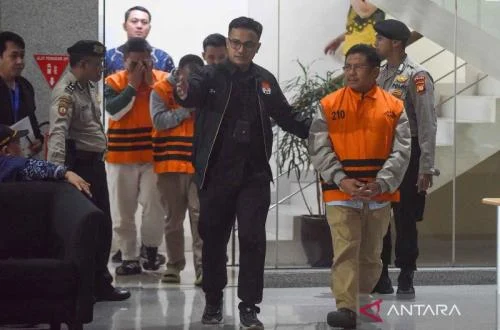
Upon becoming aware of the viral video, the Resmob Unit of the Polres Pelabuhan Makassar, known colloquially as "The Ghost Dermaga" team, initiated an immediate investigation. Led by Kanit Opsnal Ipda Dewa Yudha Pramana, the specialized unit deployed its resources to identify and locate the perpetrator. Leveraging intelligence gathering, witness testimonies from the port area, and meticulous analysis of the video footage, the team successfully pinpointed S as the individual responsible for the extortion. The swiftness of the police response underscored the gravity with which law enforcement views such acts of premanism, particularly in critical infrastructure like a major port. The team managed to apprehend S without resistance, bringing an end to his illicit activities. Following his arrest, S was transported to the Polres Pelabuhan Makassar headquarters for comprehensive interrogation and to undergo the necessary legal procedures. This rapid apprehension serves as a testament to the police’s commitment to maintaining order and security within their jurisdiction and leveraging modern tools, including social media monitoring, to address public grievances.
Broader Context: The Scourge of Illegal Levies and Premanism in Public Areas
The incident involving S at Soekarno Hatta Port is not an isolated event but rather symptomatic of a more widespread issue of premanism and illegal levies that plagues various public spaces across Indonesia. "Premanisme" refers to acts of thuggery, intimidation, and unlawful coercion, often associated with organized or semi-organized groups operating in vulnerable areas. "Pungutan liar" or "pungli" denotes unauthorized collections of money, often disguised as official fees or services, exacted through intimidation or exploitation of necessity. These practices are notoriously prevalent at transportation hubs such as ports, airports, bus terminals, railway stations, and even traditional markets, where large numbers of people converge, often under time constraints or unfamiliar with local regulations.
The economic ramifications of pungli are significant. For businesses, particularly those involved in logistics and transportation, these unofficial costs add to operational expenses, increasing the price of goods and services, which ultimately trickles down to consumers. For individual citizens, including commuters, travelers, and tourists, pungli represents an unexpected and often mandatory expense, eroding trust in public services and creating a sense of insecurity. Beyond the financial burden, the social impact is profound. Premanism fosters an environment of fear and mistrust, undermining the rule of law and the authority of legitimate institutions. It can deter investment, discourage tourism, and hinder economic growth by creating an unpredictable and corrupt operating environment. Governments, including the national administration and local authorities, have repeatedly launched campaigns, such as the "Sapu Bersih Pungli" (Clean Sweep of Illegal Levies) task force, to combat these pervasive issues, acknowledging their detrimental effects on national development and public welfare. Despite these efforts, the problem persists, often adapting to new forms and locations. Ports, with their high volume of passenger and cargo traffic, diverse stakeholders, and complex operational environments, remain particularly susceptible to such illegal activities. The constant flow of people and goods provides ample opportunities for individuals or groups to exploit perceived loopholes or a lack of stringent oversight.
The Soekarno Hatta Port, Makassar: A Vital Hub
Soekarno Hatta Port in Makassar is not just any port; it stands as a critical maritime gateway and a bustling economic engine for Eastern Indonesia. Strategically located, it serves as a primary hub for both passenger and cargo traffic, connecting the vast archipelago. The port facilitates the movement of goods crucial for regional supply chains, supporting industries, trade, and economic development across Sulawesi and beyond. Furthermore, it is a significant embarkation and disembarkation point for inter-island ferries and cruise ships, making it a vital nexus for tourism and passenger transport. Its immense importance, however, also presents unique challenges. The sheer volume of people and goods passing through daily creates a complex environment that requires constant vigilance to maintain security, order, and efficient operations. The presence of numerous service providers, from shipping agents to porters and transportation operators, creates an ecosystem that, if not properly regulated and monitored, can become fertile ground for illicit activities like illegal parking attendants and extortionists. Ensuring the safety and smooth experience of port users is paramount not only for local residents but also for the port’s reputation as a reliable and modern facility serving a crucial role in national logistics.
Legal Framework and Potential Penalties
The actions of individuals like S, involving the forced collection of money for unauthorized services, fall under several provisions of Indonesian law. The primary legal instrument applicable to acts of extortion is Article 368 of the Criminal Code (KUHP), which stipulates that anyone who, with the intent to unlawfully enrich themselves or another person, compels someone by violence or threat of violence to hand over an item, make a debt, or annul a debt, shall be punished with imprisonment for a maximum of nine years. Depending on the specific circumstances and the level of intimidation involved, other articles related to disturbance of public order or even organized crime might also be invoked. The legal process initiated by Polres Pelabuhan Makassar will involve gathering further evidence, witness statements, and formal charges against S. Should he be found guilty, S could face significant legal consequences, including imprisonment, a criminal record, and potentially fines, depending on the court’s judgment. The severity of the punishment aims not only to penalize the individual offender but also to serve as a deterrent to others contemplating similar illegal acts, reinforcing the message that such criminal behavior will not be tolerated within the legal framework.
Official Statements and Call for Public Participation
In the wake of the arrest, Aipda Adil, the Head of Public Relations Sub-section (Kasubsi Penmas) for Polres Pelabuhan Makassar, reiterated the police’s unwavering commitment to combating all forms of premanism and illegal levies that disrupt public order and cause distress to the community. He emphasized that the swift action taken against S is part of a broader, ongoing effort by the Polres Pelabuhan Makassar to ensure a secure and conducive environment, especially in vital public areas such as the port. Aipda Adil also issued a strong appeal to the public, particularly users of port services, to actively participate in maintaining security. He urged anyone who experiences or witnesses any form of security disturbance or acts of premanism to report them immediately to the authorities. The police have provided multiple channels for reporting, including the 24-hour national police hotline 110, direct reporting to the nearest police post, or by visiting the Polres Pelabuhan Makassar headquarters. This call for public cooperation highlights the critical role citizens play as extensions of law enforcement’s eyes and ears. The collective effort of the community, coupled with diligent police work, is seen as essential for creating a truly safe and orderly environment. The increasing use of technology, such as smartphones to record incidents, has become a powerful tool for citizens to empower themselves and provide crucial evidence to law enforcement, as exemplified by the viral video that led to S’s arrest.
Implications and Future Outlook
The arrest of S carries several important implications. Firstly, it sends a clear message of deterrence to other potential perpetrators of premanism and illegal levies, particularly those operating in and around Soekarno Hatta Port. The swift and public nature of the apprehension underscores that law enforcement is vigilant and prepared to act decisively when such crimes are brought to their attention, especially through modern channels like social media. Secondly, it highlights the proactive strategy adopted by the Polres Pelabuhan Makassar, demonstrating their capability to leverage intelligence and public information to maintain security. The "Ghost Dermaga" unit’s quick response showcases the effectiveness of specialized teams in tackling specific types of crime prevalent in their operational areas.
Looking ahead, continued efforts will likely involve a multi-pronged approach. This includes enhanced surveillance and patrol activities within the port complex, closer coordination between the police and port authorities (PT Pelindo IV), and potentially the implementation of more robust security infrastructure such as CCTV networks. Public awareness campaigns could also be instrumental in educating both service providers and users about official regulations and how to identify and report illegal activities. For Soekarno Hatta Port, such incidents, if left unchecked, can tarnish its image as a modern and efficient gateway. Therefore, sustained action against premanism is crucial for upholding the port’s reputation, attracting more investment, and ensuring a seamless experience for all its users, whether they are transporting goods or embarking on journeys. The long-term goal remains to foster a sense of security, trust, and order, transforming the port into a model of efficient and crime-free public service.
In conclusion, the arrest of the illegal parking attendant in Makassar is a significant step in the ongoing battle against premanism and illegal levies. It underscores the effectiveness of citizen vigilance and police responsiveness, reinforcing the commitment of law enforcement to ensure safety and order in critical public infrastructure. The incident serves as a stark reminder that such illicit activities will not be tolerated and that collective action is paramount in maintaining a secure and just society.