Bambang Pamungkas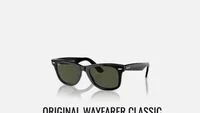
Cupertino tech giant Apple is reportedly advancing its secretive smart glasses project, internally dubbed N50, with four distinct design prototypes under evaluation, signaling a strategic push into the burgeoning wearable augmented reality (AR) market. These developments, as reported by Bloomberg’s Mark Gurman, suggest Apple is preparing to offer a range of aesthetic options to consumers, aiming for a potential announcement between late 2026 and early 2027, with a product launch slated for 2027. This move positions Apple directly against competitors like Meta, which has already launched its Ray-Ban Stories smart glasses, and underscores the industry-wide race to establish a dominant presence in the next generation of personal computing.
Apple’s Design Strategy: Blending Fashion with Function
The purported quartet of designs highlights Apple’s meticulous approach to product aesthetics, a hallmark of its consumer electronics. Gurman’s report details these prototypes as including a square frame reminiscent of the iconic Ray-Ban Wayfarer, a smaller square frame design mirroring the subtle eyewear often sported by Apple CEO Tim Cook, and two variations of oval frames—one standard and one smaller. This diversity in design indicates Apple’s intent to appeal to a broad spectrum of consumer preferences, recognizing that smart glasses, unlike smartphones, are worn on the face and thus carry significant fashion implications. The color palette under consideration for these prototypes—black, navy, and light brown—further suggests an emphasis on versatile and understated choices that would blend seamlessly with everyday attire, moving away from the often-conspicuous aesthetics of early smart eyewear iterations.
Apple’s historical success has often stemmed from its ability to integrate advanced technology into beautifully designed, user-friendly products. By offering multiple designs, Apple aims to overcome one of the primary hurdles for smart glasses adoption: the social acceptance and fashion integration of wearable technology. Early attempts by other companies, such as Google Glass, faced significant resistance due to their unconventional appearance, leading to the term "Glasshole" and public discomfort. Apple appears to be learning from these precedents, prioritizing designs that are indistinguishable from conventional eyewear, thereby reducing the psychological barrier to adoption. The choice of classic shapes like the Wayfarer-esque frame is particularly shrewd, leveraging established eyewear trends to normalize the technology.
Core Functionality and Ecosystem Integration
Beyond aesthetics, the N50 project is expected to deliver a feature set deeply integrated into the Apple ecosystem, leveraging the iPhone as its central processing hub. The smart glasses are slated to include robust photo and video capture capabilities, allowing users to document their experiences hands-free. This feature, while potent, also brings potential privacy concerns, which Apple is likely to address through clear visual indicators, such as the reported "vertically oriented oval lenses with lights surrounding them." These lights could serve as a discreet but undeniable signal when the cameras are active, a crucial design element for public acceptance and regulatory compliance.
The glasses’ tethered connection to an iPhone would unlock a wealth of functionalities:
- Media Management: Seamless editing and sharing of captured images and videos directly from the glasses via the iPhone.
- Notifications: Receiving discreet, glanceable notifications for messages, calls, and app alerts without needing to pull out a phone.
- Audio Experience: Integrated audio for music playback and calls, likely leveraging Apple’s expertise from AirPods for a high-quality, personalized sound experience.
- Voice Assistant: Deep integration with Siri, enabling hands-free control, information retrieval, and task execution. This aligns with Gurman’s report that a revamped Siri, set to launch alongside iOS 27, would coincide with the smart glasses’ release, indicating a synchronized effort to enhance voice-based interaction across Apple’s ecosystem.
This reliance on the iPhone differentiates Apple’s approach from standalone AR headsets like its own Vision Pro, positioning these smart glasses as an accessory rather than a primary computing device. This strategy allows for a lighter, more power-efficient, and potentially more affordable device, offloading intensive processing to the smartphone. The synergy with iOS 27 and an enhanced Siri underscores Apple’s long-term vision for a more ambient computing experience, where technology seamlessly fades into the background, responding intuitively to user commands and context.
The Broader Augmented Reality Landscape and Apple’s Strategic Play
Apple’s entry into the smart glasses market is not in isolation but rather a significant move within a rapidly expanding and fiercely competitive augmented reality (AR) and extended reality (XR) landscape. The N50 project is often seen as a consumer-focused counterpart to the more powerful and immersive Apple Vision Pro, which debuted in early 2024. While Vision Pro is a spatial computer designed for high-fidelity AR/VR experiences, professional use, and specific content consumption, the smart glasses are envisioned as an everyday wearable—lighter, more discreet, and focused on enhancing daily life with subtle digital overlays and hands-free interactions.
Competitive Overview:
- Meta (formerly Facebook): A primary contender, Meta has heavily invested in the metaverse and XR technologies. Its collaboration with Ray-Ban on "Ray-Ban Stories" smart glasses offers photo/video capture and audio features, providing an early glimpse into the mass-market potential of such devices. Meta’s long-term roadmap includes more advanced AR glasses, making it a direct rival in the consumer smart eyewear space.
- Google: A pioneer with Google Glass, Google has iterated on its AR strategy, focusing more recently on AR software platforms and enterprise applications. Lessons from Google Glass’s early struggles regarding public acceptance and privacy concerns undoubtedly inform current market approaches.
- Snap Inc. (Snapchat Spectacles): Snapchat has continuously experimented with smart glasses, focusing on short-form video capture and social sharing, targeting a younger demographic.
- Amazon (Echo Frames): Amazon has offered smart audio glasses that integrate Alexa, emphasizing hands-free access to its AI assistant and audio content, without visual AR capabilities.
Apple’s deliberate and measured approach to smart glasses reflects its history of entering established markets and redefining them. Similar to how it approached smartphones (iPhone), tablets (iPad), and smartwatches (Apple Watch), Apple is likely waiting for the technology to mature and for consumer understanding to evolve before making its grand entrance. The company’s vast ecosystem, brand loyalty, and design prowess give it a formidable advantage in potentially mainstreaming smart glasses. Market research firms like Grand View Research project the global smart glasses market size to reach over $30 billion by 2030, driven by advancements in AR technology, miniaturization, and increasing demand for hands-free computing. This substantial growth potential underscores why tech giants are so keen on establishing an early lead.
Timeline and Apple’s R&D Chronology
Apple’s journey into AR and wearable technology has been a protracted and highly secretive one, characteristic of its major product development cycles.
- Early 2010s: Apple begins exploring AR technologies, filing numerous patents related to head-mounted displays, optics, and spatial computing.
- 2015: Apple acquires Metaio, a German AR startup, signaling serious intent in the field.
- 2017: Apple introduces ARKit for developers, allowing them to create AR experiences for iPhones and iPads, laying foundational software for future hardware.
- Late 2010s – Early 2020s: Rumors intensify regarding Apple’s work on both a high-end AR/VR headset and lighter AR glasses. Mark Gurman frequently reports on internal prototypes and development challenges.
- 22023: Apple unveils Vision Pro, its "spatial computer," with a launch in early 2024, confirming its commitment to XR and setting a new benchmark for immersive computing.
- Late 2026/Early 2027 (Projected): According to Gurman’s latest report, Apple aims to announce the N50 smart glasses, potentially alongside a significant update to Siri (iOS 27) that would enhance voice interaction capabilities crucial for hands-free devices.
- 2027 (Projected): The consumer launch of the Apple smart glasses.
This timeline indicates a methodical, multi-pronged strategy for AR, starting with developer tools, moving to a high-end "pro" device, and culminating in a more accessible, everyday wearable. This staggered release allows Apple to refine its underlying technology, build a developer ecosystem, and gradually introduce consumers to spatial computing concepts, mitigating risks associated with launching an entirely new product category.
Implications and Future Outlook
The potential launch of Apple’s smart glasses carries profound implications for both the company and the broader technology industry. For Apple, it represents a significant new product category that could drive growth for decades, much like the iPhone did for mobile computing. It would further solidify Apple’s ecosystem, creating another compelling reason for users to remain within its walled garden. The success of these glasses would also cement Apple’s leadership in human-computer interaction, pushing the boundaries of what is possible with ambient and hands-free computing.
For the industry, Apple’s entry could act as a catalyst, accelerating innovation and consumer adoption of smart glasses. The "Apple effect" often legitimizes new technologies, prompting competitors to redouble their efforts and encouraging developers to invest in creating applications for the platform. This could lead to a virtuous cycle of hardware improvements, software innovation, and growing market demand.
However, challenges remain. Battery life, miniaturization of components, data privacy concerns, and the continued need for compelling use cases are all hurdles that Apple and its competitors must overcome. The price point will also be critical; while not expected to be as expensive as the Vision Pro, they will likely sit at a premium compared to existing smart eyewear. Analysts suggest a pricing strategy akin to high-end AirPods Pro or entry-level Apple Watch models, positioning them as an accessible premium accessory.
The introduction of discreet, fashion-forward smart glasses by Apple has the potential to normalize wearable AR technology, transitioning it from a niche gadget to a mainstream accessory. If successful, these glasses could fundamentally alter how people interact with digital information, navigate the world, and connect with others, ushering in an era where the digital and physical realms are seamlessly interwoven into our daily vision. Apple’s N50 project is not merely about launching a new product; it’s about shaping the future of personal computing and defining the next frontier of human-technology interaction.