Nila Kartika Wati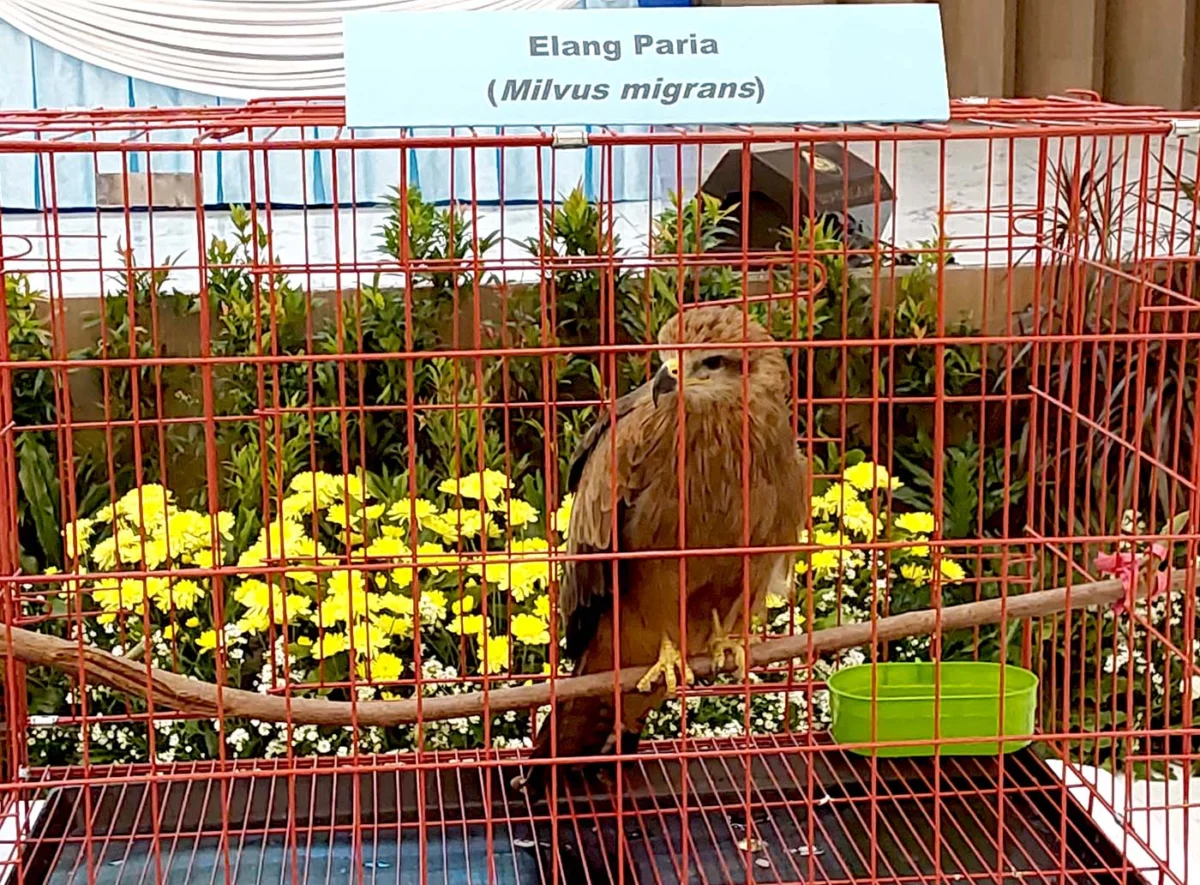
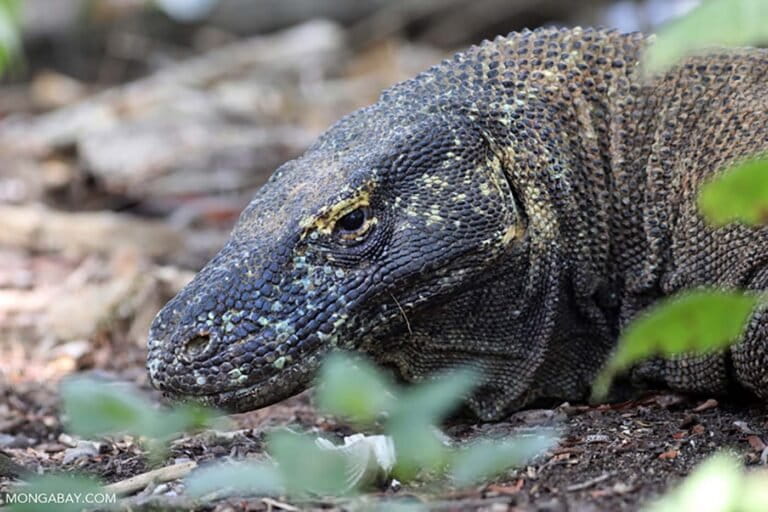
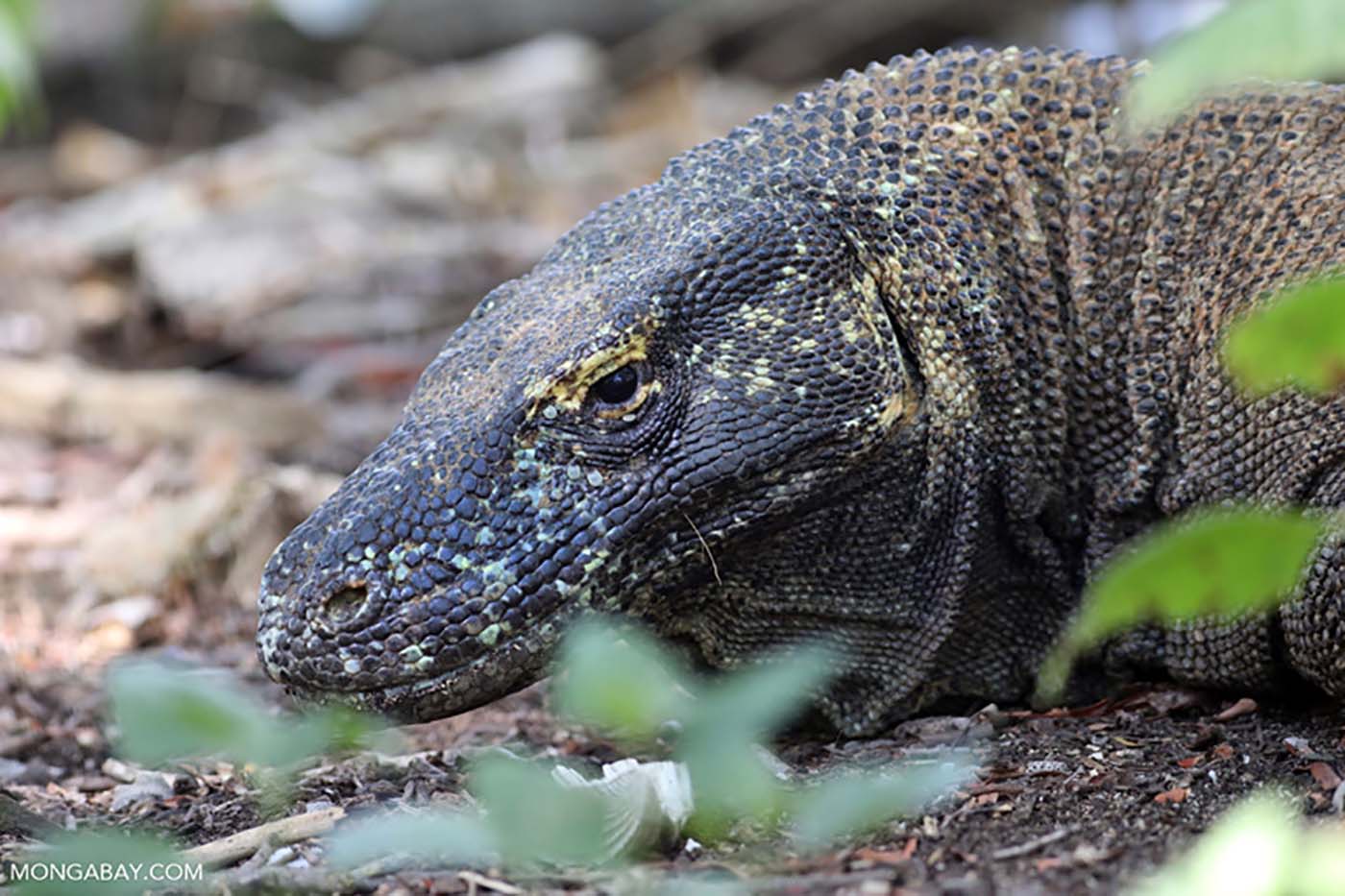
The East Java Regional Police (Polda Jawa Timur) have successfully dismantled a sophisticated international wildlife trafficking syndicate specializing in the smuggling of juvenile Komodo dragons (Varanus komodoensis) from East Nusa Tenggara (NTT) to Thailand. This major breakthrough reveals a disturbing new modus operandi involving the use of industrial piping and highlights the persistent threat to Indonesia’s most iconic endemic species. During a press conference held at the East Java Regional Police Headquarters on Wednesday, April 15, 2026, authorities detailed the scale of the operation, which saw at least 17 juvenile Komodo dragons trafficked out of the country between January 2025 and February 2026.
Hanif Fatih Wicaksono, Head of the Sub-Directorate of Tipiter (Specific Crimes) at the Directorate of Special Criminal Investigation, East Java Police, confirmed that six suspects have been formally charged in connection with the smuggling ring. The investigation reached a critical point when police intercepted a transaction at Tanjung Perak Port in Surabaya, leading to the arrest of two primary suspects—a seller and a buyer—as they disembarked from a vessel arriving from East Nusa Tenggara.
The Mechanics of the Smuggling Operation
The syndicate’s operations were rooted in the remote regions of Pota, within the Sambi Rampas District of East Manggarai Regency, NTT. This area, located outside the strictly protected boundaries of the Komodo National Park, served as a primary hunting ground for the poachers. According to police reports, the juvenile Komodo dragons were sourced from local hunters and suppliers for approximately Rp5.5 million (roughly $350 USD) per individual.
Once captured, the animals were subjected to a cruel and ingenious method of transport. Smugglers utilized PVC (paralon) piping to conceal the reptiles. These pipes served a dual purpose: they were used as traps in the wild to catch the juveniles and subsequently functioned as makeshift containers to prevent the animals from moving or being detected during transit. This method allowed the traffickers to bypass standard security checks at various transit points.
The price of the animals inflated significantly as they moved through the supply chain. From the initial purchase price in NTT, the dragons were sold in Surabaya for Rp31.5 million. Investigators also discovered plans to transport some individuals to Solo, Central Java, where the price was set to reach Rp41.5 million. However, the ultimate prize for the syndicate was the international black market. In Thailand, a single juvenile Komodo dragon can fetch upwards of Rp500 million (approximately $31,500 USD), representing a nearly hundredfold increase from the original poaching price.
A Complex Trans-Indonesian Route
The logistical network employed by the traffickers was extensive, utilizing sea, land, and air routes to move the contraband across the archipelago. The journey typically began in East Manggarai, where the animals were loaded onto ships bound for Surabaya. From Surabaya, the distribution network branched out.
Some animals were transported to Jakarta via land routes, utilizing public transportation such as buses and trains to avoid the more stringent inspections found at airports. Others were shipped through air cargo services via Juanda International Airport in Sidoarjo, East Java. For the international leg of the journey, the syndicate often moved the animals to Medan, North Sumatra, or Aceh. From these northern gateways, the Komodo dragons were smuggled across the Malacca Strait into Thailand using maritime vessels.
"We are still investigating the specific corridors used for the final jump to Thailand," stated Hanif Fatih Wicaksono. "There are multiple indicators suggesting routes through Medan and Aceh. The high demand in the Thai market for exotic Indonesian wildlife continues to drive these high-risk operations."
Beyond the Komodo: A Diverse Cargo of Contraband
The investigation into the Komodo smuggling ring led police to a larger cache of protected wildlife stored at one of the suspects’ residences. The sheer variety and volume of the seized animals underscore the professional nature of the syndicate. In addition to the Komodo dragons, authorities recovered:
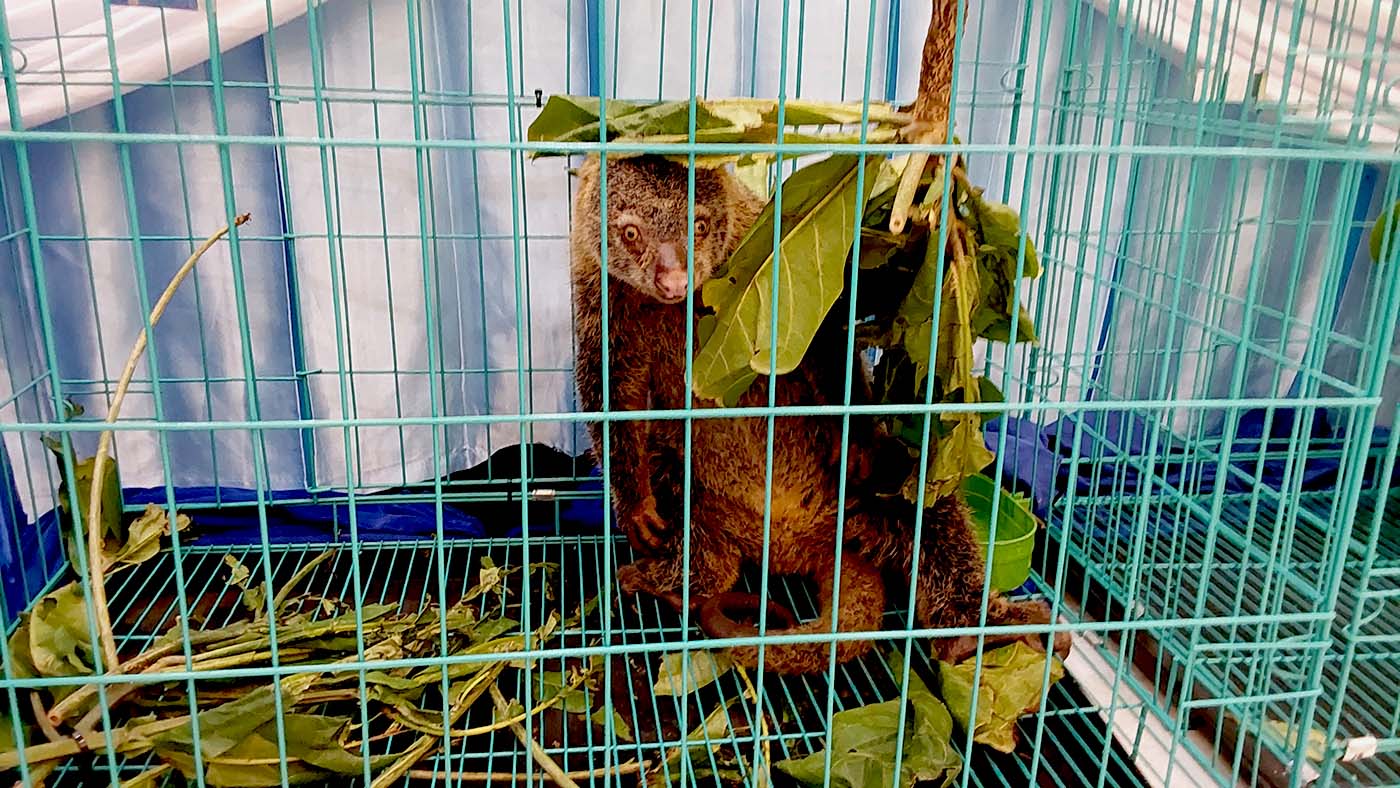
- 13 Talaud Cuscus (Ailurobs melanotis) and 3 Celebes Cuscus (Strigocuscus celebensis) from Sulawesi.
- 13 adult and 19 juvenile Sailfin Lizards (Hydrosaurus weberi).
- 51 Sulawesi Spiny Lizards.
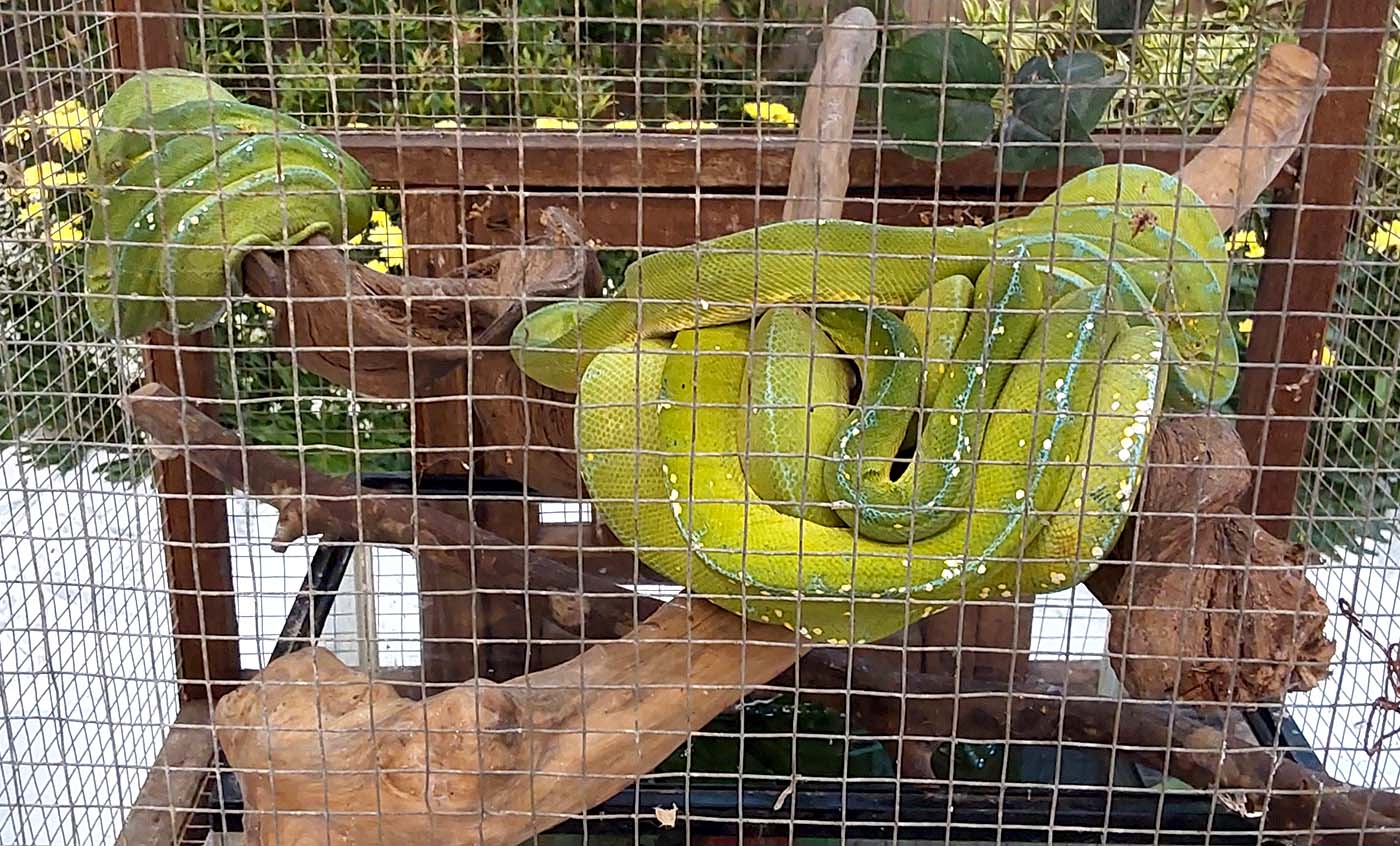
- 6 Green Tree Pythons (Morelia viridis) from Papua.
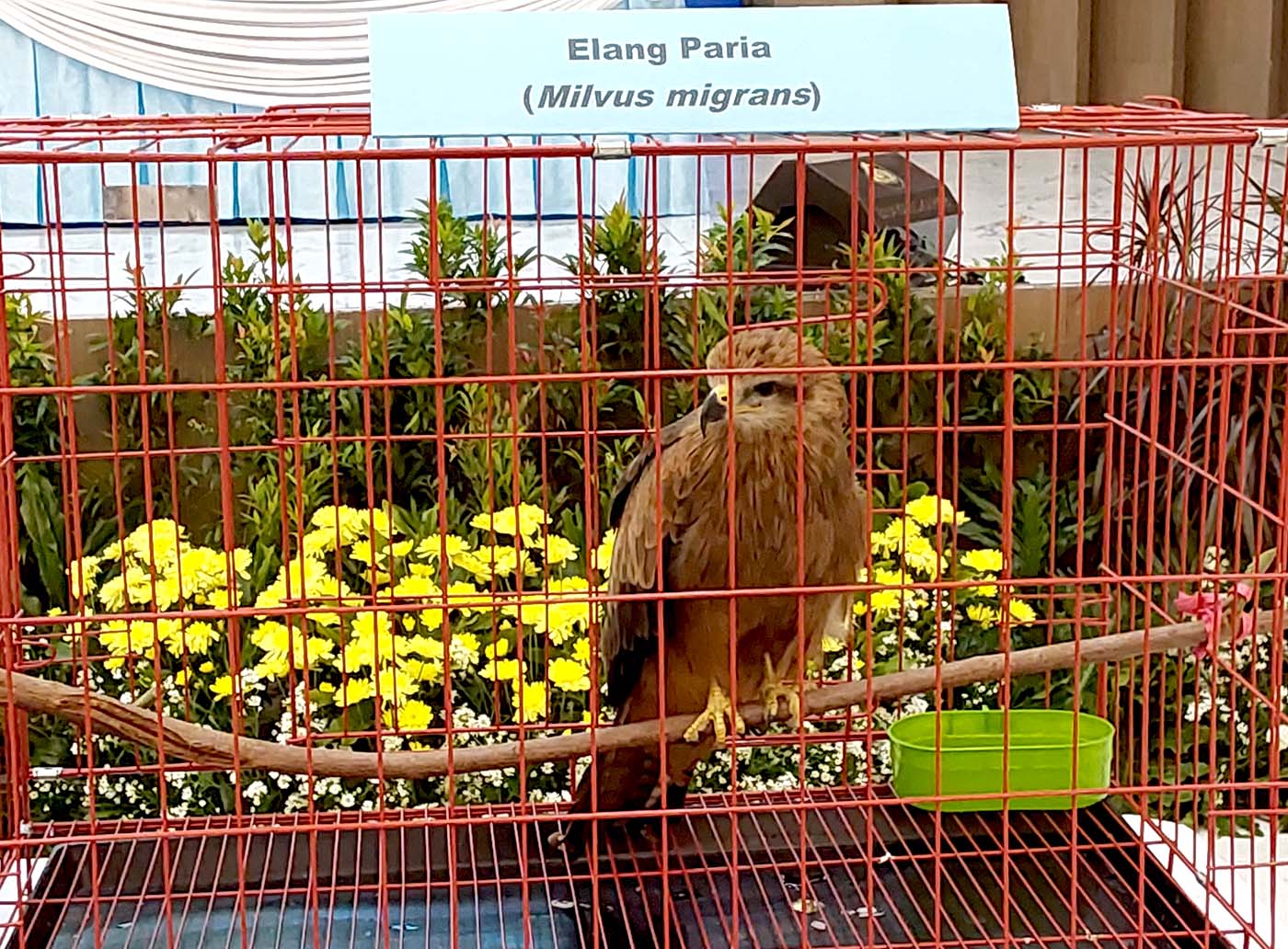
- 1 Black Kite (Milvus migrans).
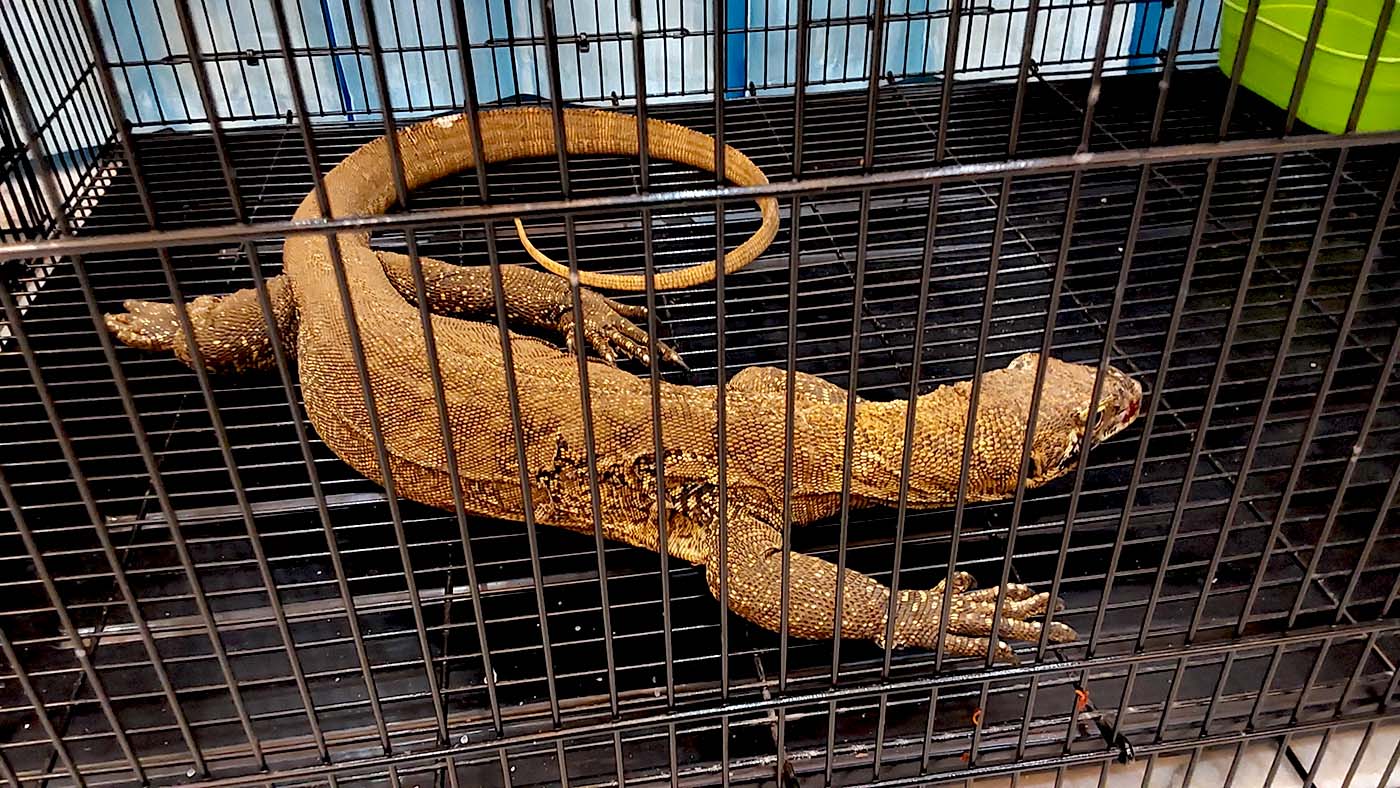
- 1 Mangrove Monitor (Varanus indicus).
- 140 kilograms of Pangolin scales (Manis javanica) sourced from Kalimantan.
The seizure of pangolin scales is particularly significant from an ecological standpoint. Forensic estimates provided by the police suggest that 1 kilogram of scales is derived from approximately seven pangolins. This means the 140 kilograms seized represents the slaughter of roughly 980 individual pangolins. On the international black market, these scales are valued at approximately Rp60 million per kilogram, bringing the total estimated value of the seized scales alone to Rp8.4 billion ($530,000 USD).
Conservation and Legal Frameworks
The suspects are being prosecuted under the newly amended conservation laws. Specifically, they face charges under Article 40A, Paragraph (1), Letter d, in conjunction with Article 21, Paragraph (2), Letter a of Law Number 32 of 2024. This law, which serves as an amendment to Law Number 5 of 1990 concerning the Conservation of Living Natural Resources and Their Ecosystems, was designed to provide harsher penalties and more robust enforcement mechanisms against wildlife traffickers.
Ahmad Munawir, Director of Species and Genetic Conservation at the Ministry of Forestry’s Directorate General of KSDAE, praised the police’s efforts, noting that wildlife trafficking remains the fourth largest illegal trade globally. "The Komodo dragon is a national treasure with immense ecological value as a top predator. It also holds deep socio-economic and cultural significance for the people of NTT. We must ensure such incidents do not recur," Munawir stated.
Challenges in Securing the Frontier
The recurring issue of poaching highlights the vulnerabilities of NTT’s vast and open landscape. Adhi Nurul Hadi, Head of the NTT Natural Resources Conservation Center (BBKSDA), explained that the high market demand is met with a lack of sufficient personnel to guard areas both within and outside the national park.
"The landscape is incredibly open, and there are numerous unofficial or ‘illegal’ ports scattered across NTT that serve as exit points for smugglers," Adhi said. He noted that while monitoring has improved, the syndicates are highly organized and possess deep networks that include local hunters who know the terrain intimately. To combat this, BBKSDA NTT has increased the use of camera traps and has begun engaging religious and community leaders to educate the local population on the importance of protecting the Komodo.
Recent monitoring data from 2025 indicates that while the population within Komodo National Park remains stable at around 3,400 individuals, there are approximately 700 dragons living in fragmented habitats outside the park’s boundaries. These "outside" populations are the most vulnerable. Monitoring efforts using 85 camera trap locations across the coast of Flores have identified nine key areas where Komodo dragons still persist, including Golo Mori, Pota, and the Riung Nature Reserve.
Interestingly, biological monitoring has revealed morphological differences between the dragons in the National Park and those on the mainland of Flores. The "Flores dragons" tend to be smaller in size but possess more vibrant and brighter color patterns, making them particularly attractive to collectors in the international exotic pet trade.
The Path Forward: Rescue and Rehabilitation
The juvenile Komodo dragons rescued during the operation are currently being held at a transit facility managed by the East Java BBKSDA. Nur Patria, Head of the East Java BBKSDA, emphasized that the priority is now the "Rescue, Rehabilitation, and Release" protocol.
"We are currently in the assessment phase of rehabilitation," Nur Patria explained. "We must determine if the animals are healthy, free of physical defects, and, most importantly, if they have retained their wild instincts. Once the legal proceedings are concluded and the animals are deemed fit, they will be repatriated to their natural habitat in NTT."
To prevent future incursions, the BBKSDA NTT has proposed the establishment of "Preservation Areas" (Areal Preservasi or AP) under the mandate of the new Law 32/2024. These areas are designed to be inclusive and adaptive conservation zones located outside official national parks. Proposed sites include Pota, Golo Lijun, and Sambi Rampas in East Manggarai, as well as the Mbeliling Protected Forest in West Manggarai. These areas aim to bridge the gap between ecological protection and human welfare, creating a buffer zone that protects the dragons while providing local communities with a stake in their survival.
The dismantling of this smuggling ring serves as a stark reminder of the ongoing battle to protect Indonesia’s biodiversity. While the arrests represent a victory for law enforcement, the high prices offered on the global black market suggest that the incentive for trafficking remains dangerously high. Only through a combination of rigorous enforcement, community engagement, and international cooperation can the future of the "last dragons on Earth" be secured.