Nasution Nanang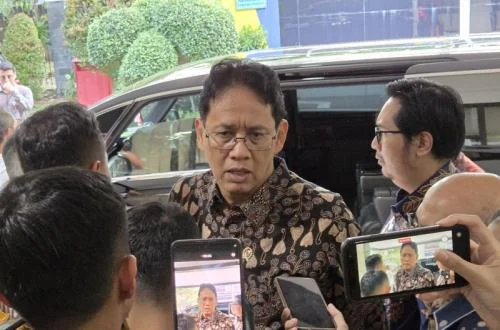
JAKARTA – Minister of Finance Purbaya Yudhi Sadewa has articulated a robust "survival mode" economic strategy, which the Indonesian government is currently implementing to navigate the turbulent waters of global economic pressures. This proactive stance, as explained by Minister Purbaya, necessitates the optimal utilization of all available resources to safeguard and foster economic growth, leaving no margin for ineffective or misdirected policies. The strategy underscores a profound shift towards heightened fiscal discipline and meticulous policy execution, reflecting a comprehensive approach to fortifying the national economy against external shocks and internal inefficiencies.
The concept of ‘survival mode,’ according to Minister Purbaya, transcends mere rhetoric, translating into a stringent framework where "there is no longer any room to play around with economic policies." This declaration signals a departure from any past leniency, emphasizing that every fiscal policy and economic program must be executed with utmost seriousness, precision, and measurable outcomes. The overarching goal is to mitigate risks to the national economy, ensuring stability and resilience in an increasingly unpredictable global landscape. This strategic pivot is not merely a response to immediate challenges but a foundational shift towards a more resilient and agile economic governance model.
The Global Economic Headwinds: A Precursor to ‘Survival Mode’
Indonesia’s adoption of a ‘survival mode’ strategy is a direct acknowledgment of the formidable global economic challenges that have intensified over the past few years. The world economy has been grappling with a confluence of factors, including persistent inflationary pressures fueled by supply chain disruptions, the lingering effects of the COVID-19 pandemic, and geopolitical tensions, particularly the conflict in Eastern Europe. Major central banks, notably the U.S. Federal Reserve and the European Central Bank, have aggressively hiked interest rates to combat soaring inflation, leading to tighter global liquidity and increased borrowing costs for developing nations. This has, in turn, strengthened the U.S. dollar, putting depreciation pressure on many currencies, including the Indonesian Rupiah, and increasing the burden of external debt servicing.
Furthermore, commodity price volatility, while sometimes beneficial for Indonesia’s resource-rich economy (e.g., coal, palm oil), also introduces uncertainty. The threat of a global economic slowdown or even recession in key trading partners like China, Europe, and the United States casts a shadow over export-driven growth prospects. These external factors create a complex operating environment, demanding a highly adaptive and conservative fiscal approach to maintain macroeconomic stability and protect the welfare of its citizens. The Indonesian government recognizes that without stringent measures, these external shocks could severely derail its developmental agenda and undermine years of economic progress.
Indonesia’s Economic Landscape: Building Resilience Amidst Volatility
Despite the global headwinds, Indonesia has demonstrated remarkable economic resilience. In recent quarters, the nation has consistently posted robust GDP growth, often exceeding 5%, driven by strong domestic consumption and strategic investments. For instance, the economy grew by approximately 5.17% year-on-year in the second quarter of 2023, surpassing many regional peers. Inflation, while initially elevated post-pandemic, has shown signs of moderation, partly due to the central bank’s proactive monetary policy and government subsidies. The nation’s foreign exchange reserves have remained relatively healthy, providing a buffer against external shocks.
However, this resilience does not preclude vulnerabilities. The government’s budget, though improving, still requires careful management to ensure fiscal sustainability, especially after the pandemic-induced expansion. Tax revenue collection, while growing, has faced challenges related to compliance and the informal sector. It is against this backdrop of both strength and potential vulnerability that Minister Purbaya’s ‘survival mode’ takes on critical importance. It is a strategy designed not out of panic, but out of foresight – to preserve the hard-won gains and prepare for future uncertainties. The goal is to fortify the economic fundamentals, ensuring that the nation can withstand prolonged periods of global instability without compromising its long-term growth trajectory.
Defining ‘Survival Mode’: A Deep Dive into Fiscal Discipline
At the core of ‘survival mode’ is an unwavering commitment to fiscal discipline. Minister Purbaya’s directive signifies a fundamental shift away from discretionary spending or projects with questionable returns. Every rupiah allocated from the state budget must now demonstrate clear, measurable impact and contribute directly to national economic stability and growth. This implies a rigorous re-evaluation of all existing and proposed government programs.
Key tenets of this fiscal discipline include:
- Prioritization of Spending: Funds will be channeled primarily towards critical infrastructure development, human capital enhancement (education, health), social safety nets to protect vulnerable populations, and programs that directly stimulate productivity and investment.
- Efficiency in Public Expenditure: A zero-tolerance policy for wasteful spending, duplication of efforts, or projects that do not align with national priorities. Every government agency will be scrutinized for operational efficiency.
- Data-Driven Policy Making: All economic and fiscal policies will be based on sound data analysis and evidence, moving away from anecdotal or politically motivated decisions. Impact assessments will be mandatory before policy implementation.
- Fiscal Prudence: Maintaining a healthy budget deficit-to-GDP ratio and managing government debt responsibly to ensure intergenerational equity and long-term financial stability.
This enhanced fiscal discipline is crucial for maintaining investor confidence, both domestic and international, and for ensuring that Indonesia’s public finances remain robust enough to absorb future shocks. It is about doing more with less, optimizing every resource, and focusing on high-impact interventions.
Kemenkeu’s Mandate: Maximizing Instruments and Oversight
As the primary steward of the nation’s finances, the Ministry of Finance (Kementerian Keuangan – Kemenkeu) plays a pivotal role in operationalizing this ‘survival mode’ strategy. Minister Purbaya has affirmed that Kemenkeu will maximize the use of all instruments under its authority to ensure effective program implementation and rigorous monitoring. This includes leveraging its various directorates general and agencies to enhance revenue collection, manage expenditures, and oversee financial markets.
Specific actions by Kemenkeu are expected to include:
- Enhanced Budget Monitoring: Implementing real-time tracking systems for government spending across all ministries and agencies to identify bottlenecks, inefficiencies, and potential misuse of funds.
- Performance-Based Budgeting: Shifting further towards a system where budget allocations are tied directly to the achievement of predefined performance indicators and outcomes.
- Strategic Debt Management: Proactively managing the government’s debt portfolio, optimizing borrowing costs, and ensuring a sustainable debt trajectory, potentially exploring diversification of funding sources.
- Fiscal Risk Management: Developing more sophisticated models to identify, assess, and mitigate fiscal risks arising from economic fluctuations, natural disasters, or global crises.
- Digital Transformation: Accelerating the digitalization of financial processes within the government to improve transparency, efficiency, and accountability.
The emphasis on effective implementation and stringent monitoring is critical. A well-designed policy is only as good as its execution, and Kemenkeu’s role will be to act as the central nervous system, ensuring that the government’s economic machinery operates seamlessly and purposefully.
The Role of Presidential Decree No. 4 of 2026: A Future-Oriented Framework
Integral to this strategy is the framework provided by Presidential Decree No. 4 of 2026. While referencing a future year, this decree signifies the government’s forward-looking legislative approach to institutionalizing efficiency and accelerating key programs. Such a decree would typically establish a specialized task force or a coordinating body, specifically mandated to streamline government initiatives and dismantle bureaucratic obstacles that often impede policy implementation.
The objectives of such a task force, as implied by the decree, would be multifaceted:
- Program Acceleration: Identifying critical government programs, particularly those related to economic stimulus, infrastructure, and social welfare, and ensuring their swift and effective execution.
- Bureaucratic Streamlining: Cutting red tape and simplifying administrative procedures that often delay project approvals and disbursements.
- Inter-Ministerial Coordination: Facilitating seamless collaboration among various ministries and government agencies to avoid duplication and ensure a unified approach to policy implementation.
- Problem Solving: Acting as a high-level troubleshooting unit to resolve complex issues and disputes that arise during program execution.
The existence of a forward-looking decree like this underscores the government’s commitment to creating a permanent mechanism for efficiency and accountability, moving beyond ad-hoc measures. It demonstrates a strategic intent to embed ‘survival mode’ principles into the very fabric of governance, ensuring that the lessons learned during challenging times lead to lasting improvements in state administration. This proactive institutional strengthening is vital for building long-term national resilience.
Fortifying State Revenue: Tackling Inefficiency and Leakage
A critical pillar of the ‘survival mode’ strategy is the imperative to close gaps in efficiency, particularly concerning state revenue collection. Minister Purbaya explicitly highlighted the need to address "leakages" in state revenue, acknowledging that despite progress, there remains significant room for improvement. The Directorate General of Taxes (DJP) and the Directorate General of Customs and Excise (DJBC), key agencies under Kemenkeu, have indeed made strides in improving their performance. For instance, tax revenue collection often surpasses targets, and customs reforms have enhanced trade facilitation and revenue security. However, the minister’s statement suggests that more can and must be done.
Efforts to fortify state revenue will likely involve:
- Digitalization of Tax and Customs Administration: Further investing in technology to enhance tax compliance, simplify payment processes, and detect evasion. For DJBC, this includes advanced cargo scanning, data analytics for risk management, and electronic customs declarations.
- Intensified Law Enforcement: Cracking down on tax evasion, smuggling, and illicit trade activities through improved intelligence sharing and inter-agency cooperation.
- Broadening the Tax Base: Exploring fair and equitable ways to expand the number of taxpayers, including formalizing parts of the informal sector and ensuring all economic actors contribute their fair share.
- Policy Review: Periodically reviewing tax policies and regulations to ensure they are conducive to economic growth while preventing loopholes that lead to revenue loss.
- Improving Public Awareness and Compliance: Launching campaigns to educate citizens and businesses about their tax obligations and the importance of contributing to national development.
By maximizing revenue collection and minimizing leakages, the government can enhance its fiscal capacity, reducing reliance on borrowing and providing more resources for critical public services and economic stimulus programs. This is not just about increasing numbers but about fostering a culture of compliance and fairness in the nation’s financial ecosystem.
Economists’ Perspectives and Industry Reactions
The announcement of a ‘survival mode’ strategy has generally been met with cautious optimism from economists and the business sector. Many experts commend the government’s pragmatic approach, recognizing the necessity of fiscal prudence in the current global climate. Dr. Lila Amalia, a prominent Indonesian economist, noted, "Minister Purbaya’s emphasis on efficiency and measurable policies is a timely and crucial step. In a volatile global economy, fiscal discipline is paramount to maintaining investor confidence and protecting our macroeconomic stability." She added that the focus on closing revenue leakages and accelerating programs through a dedicated task force indicates a holistic understanding of the challenges.
From the business community, the sentiment is a mix of appreciation for stability and a call for clear implementation. Mr. Budi Santoso, Chairman of the Indonesian Chamber of Commerce and Industry (KADIN), stated, "While ‘survival mode’ might sound austere, businesses thrive on certainty and predictable policies. We welcome the commitment to effective programs and reduced inefficiencies, as these directly impact the ease of doing business. However, consistent and transparent execution will be key." Businesses are particularly keen on how this strategy will translate into supportive policies for investment, job creation, and export promotion, ensuring that fiscal prudence does not stifle economic dynamism. They hope that the task force mentioned in the Presidential Decree will actively engage with the private sector to identify and remove real-world impediments to growth.
Potential Challenges and Mitigating Strategies
Implementing a ‘survival mode’ strategy is not without its challenges. The risk of over-tightening fiscal policy and inadvertently stifling economic growth is a genuine concern. Striking the right balance between prudence and stimulus will be crucial. The government must ensure that essential social safety nets are not compromised and that productive investments continue to receive adequate funding.
Furthermore, the emphasis on efficiency and accountability could face resistance from entrenched bureaucratic interests or political pressures. Maintaining momentum and ensuring consistent application of the strategy across all government tiers will require strong political will and sustained oversight.
To mitigate these challenges, the government is expected to:
- Maintain Flexibility: While disciplined, the strategy must remain adaptable to evolving global and domestic conditions, allowing for targeted interventions when necessary.
- Strengthen Communication: Clearly articulate the rationale and objectives of ‘survival mode’ to the public, businesses, and international partners to build consensus and support.
- Foster Collaboration: Enhance cooperation between fiscal and monetary authorities (e.g., Kemenkeu and Bank Indonesia) to ensure a coordinated response to economic challenges.
- Invest in Human Capital: Ensure that government officials are equipped with the skills and tools to implement and monitor complex economic policies effectively.
Broader Implications for Indonesia’s Future
The ‘survival mode’ strategy carries broader implications for Indonesia’s long-term economic development. By instilling greater fiscal discipline, enhancing governance, and optimizing resource allocation, the nation can build a more resilient and sustainable economic foundation. This strategy has the potential to:
- Improve Fiscal Health: Lead to a stronger fiscal position, lower public debt, and greater capacity to respond to future crises.
- Enhance Competitiveness: By streamlining bureaucracy and improving efficiency, Indonesia can become a more attractive destination for foreign direct investment.
- Foster Sustainable Growth: Channeling resources into high-impact sectors like green energy, digital economy, and advanced manufacturing can drive sustainable and inclusive growth.
- Strengthen Institutions: The establishment of a task force and the emphasis on data-driven policy making will contribute to stronger, more accountable government institutions.
In essence, Minister Purbaya Yudhi Sadewa’s ‘survival mode’ is more than just a temporary measure; it represents a strategic recalibration of Indonesia’s economic governance. It is a commitment to prudence, efficiency, and accountability that, if successfully implemented, will not only help the nation navigate current global uncertainties but also lay the groundwork for a more prosperous and resilient future. The journey ahead will demand unwavering resolve, but the potential rewards—a stronger, more stable Indonesian economy—are well worth the effort.