Lina Irawan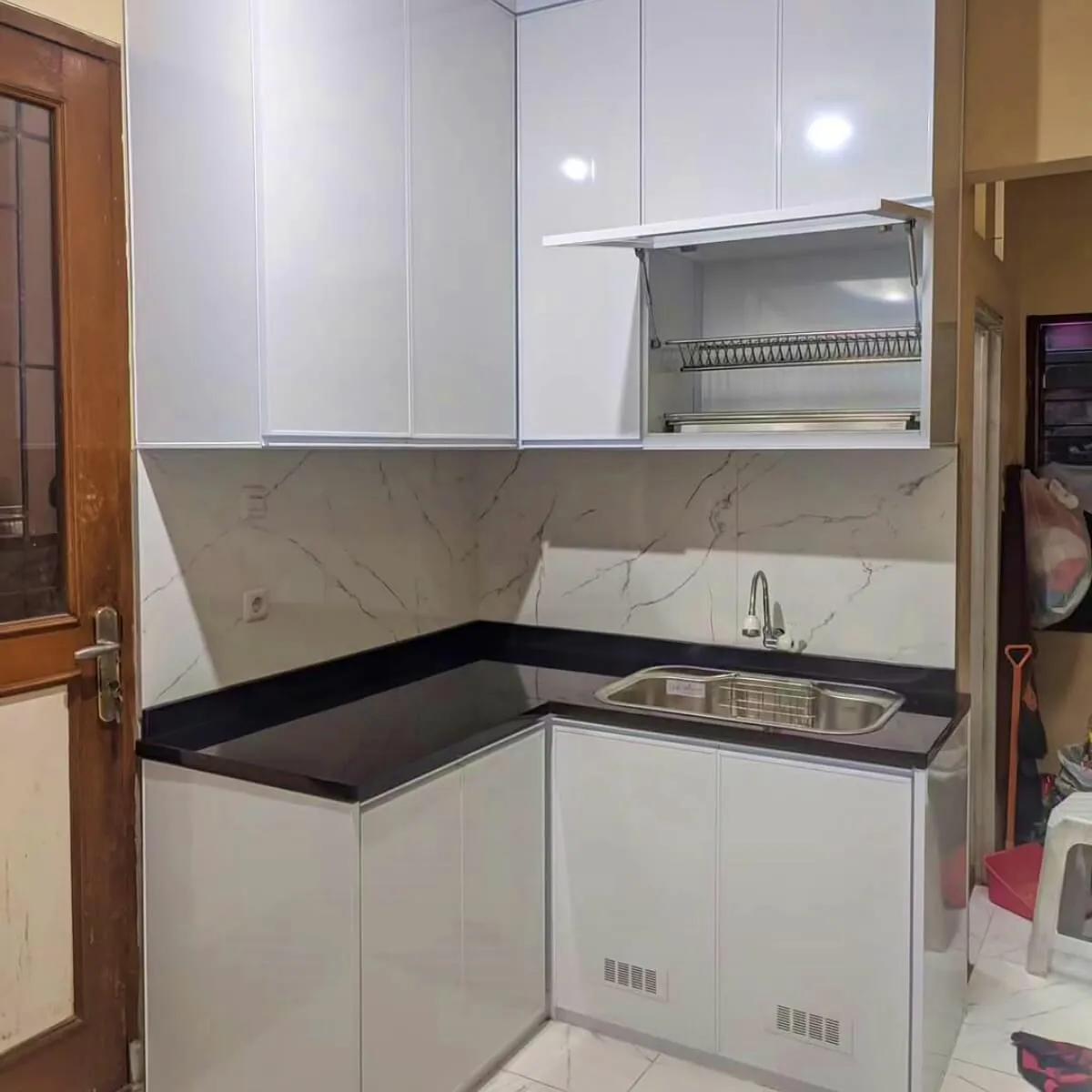
InteriorDesign.ID highlights minimalist aluminum kitchen sets as a pragmatic and resilient choice for modern homeowners, particularly in regions prone to challenging environmental conditions. Constructed from lightweight metal frames and composite panels, these kitchens are engineered to offer exceptional durability against water and pests like termites, all while maintaining an accessible price point. This option is increasingly favored by those who prioritize a robust, functional kitchen for daily culinary activities over an expensive, purely aesthetic luxury. The design typically features straight, rigid lines, eschewing elaborate carvings for a sleek, contemporary look.
The Indispensable Advantages of Aluminum Cabinetry
The selection of aluminum for kitchen cabinetry is often a direct response to prevailing environmental challenges, particularly in tropical and humid climates where traditional materials like wood are susceptible to rapid degradation. Aluminum’s inherent properties provide definitive solutions to issues such as rotting, warping, and pest infestations.
Unlike porous wood or engineered wood products, aluminum boasts a non-porous surface. This characteristic is critical in a kitchen environment, preventing the absorption of water from spills, splashes, or condensation. The consequence is a virtually impervious structure that eliminates concerns about water damage, rot, and the subsequent structural weakening that often plagues conventional cabinets. Homeowners can rest assured that persistent moisture from dishwashing or cooking will not compromise the integrity of their cabinetry, mitigating the risk of costly repairs or premature replacement.
Furthermore, aluminum is an inorganic material, making it inherently resistant to biological threats. This means aluminum cabinets are entirely immune to termites, woodworms, and other pests that can devastate wooden structures. This immunity offers unparalleled peace of mind, especially in areas where pest control is an ongoing battle. In contrast, even high-grade engineered wood (plywood) can eventually succumb to pest attacks if not properly treated and maintained, a significant concern that aluminum effortlessly bypasses.
Economic Efficiency and Streamlined Installation
Beyond its superior resilience, aluminum also presents a compelling economic argument. The overall cost of fabricating an aluminum kitchen is generally more affordable than constructing one from solid wood. This cost-effectiveness allows homeowners to incorporate a greater number of drawers, shelves, and storage solutions within a realistic budget.
The manufacturing process for aluminum cabinetry is significantly less labor-intensive regarding finishing. Unlike wood, which requires multiple stages of sanding, filling, priming, and painting or varnishing, aluminum panels and frames typically come pre-finished or require minimal surface treatment. This streamlined production process translates directly into reduced labor costs and faster turnaround times. On-site installation is also notably quicker; once the frames are assembled, the kitchen can often be functional almost immediately, a stark contrast to the curing times associated with painted or sealed wooden cabinets. This efficiency minimizes disruption to the household and allows for faster occupancy and use of the new kitchen space.
Unmatched Hygiene and Ease of Maintenance
A kitchen’s hygiene is paramount, and aluminum excels in this regard. Its non-porous, smooth surfaces prevent oil stains, food splatters, and other residues from penetrating the material. Cleaning is remarkably simple: a damp cloth and a mild dish soap are typically sufficient to remove most grime. There is no need for specialized polishes, waxes, or harsh chemical cleaners, simplifying routine maintenance and reducing ongoing expenses.

Moreover, the cool, non-organic surface of aluminum is inhospitable to mold and mildew growth. This makes aluminum kitchens one of the most hygienic and low-maintenance options available at an accessible price point, contributing to a healthier home environment by inhibiting the proliferation of common kitchen contaminants.
Navigating Aesthetic Considerations: The Art of Compromise
While highly functional, standard aluminum cabinetry necessitates a slight adjustment in aesthetic expectations. These units are designed for utility and durability, not to compete with the luxurious visual appeal of bespoke kitchens featuring tempered glass panels, intricate woodwork, or exotic natural stone. Understanding this inherent characteristic is crucial when planning complementary design elements such as paint colors, backsplashes, and decorative accents to prevent the space from feeling overly stark or utilitarian.
Addressing the "Cold" Metallic Texture
Aluminum’s metallic nature inherently imparts a cool, sometimes industrial feel. If left unadorned, a series of plain aluminum cabinets can inadvertently evoke the ambiance of a public facility or a laboratory. While Aluminium Composite Panels (ACP) are available with wood-grain textures, their light reflection and tactile sensation differ from authentic timber.
To counteract this potential coldness, interior designers often recommend strategic use of color and lighting. Applying warm pastel or neutral tones to the ceramic wall tiles (backsplash) can soften the metallic edges. Integrating LED lighting with a warm white (yellow) hue can significantly enhance the visual warmth of the space, creating a more inviting and residential atmosphere. Incorporating natural elements like potted plants, wooden cutting boards, or textile accents can also help balance the metallic aesthetic.
Mitigating Operational Noise
One of the most common complaints associated with aluminum kitchens is the noise generated during use. The impact of pots, pans, or cutlery against metal shelves can produce a distinct clatter, as the material is not inherently sound-dampening.
Simple solutions can effectively address this. Placing rubber mats or silicone liners at the base of shelves provides cushioning, significantly reducing metallic clatter. Furthermore, installing soft-close hinges on cabinet doors and drawers is highly recommended. These mechanisms absorb the kinetic energy of closing doors, ensuring a gentle, quiet closure and enhancing the overall user experience.
Design Constraints: The Embrace of Geometric Forms
The fundamental nature of aluminum frames dictates a design aesthetic dominated by straight lines and angular forms. Achieving seamless curves or intricate profiles without visible joints is challenging and often cost-prohibitive with standard aluminum fabrication. The aesthetic is inherently rectilinear, frequently featuring exposed rivet points at corners, which can be either a design limitation or a celebrated feature, depending on the desired style. For aficionados of raw industrial aesthetics, these structural elements often become a distinct advantage, contributing to an authentic, unpretentious character. This geometric rigidity also lends itself well to minimalist design principles, where clean lines and functional forms are paramount.

Defining Characteristics of Standard Aluminum Kitchen Design
The standard aluminum kitchen configuration is defined by its commitment to functionality and spatial efficiency, deliberately omitting non-essential decorative elements. This results in a compact, uncluttered visual profile, preventing smaller kitchens from feeling cramped or overwhelming.
Exposed Structural Frames
A hallmark of standard aluminum kitchens is the exposed hollow aluminum frame that outlines the cabinet doors. These frames serve as a visible border for the central panels, creating a distinct visual grid. Homeowners have the option to match the frame color to the panels for a cohesive look or to create contrast. Common and cost-effective frame colors include white, silver, and dark brown, which are readily available and integrate well into various design schemes. This exposed framework also hints at the structural integrity of the cabinetry.
Integration of Aluminium Composite Panel (ACP)
While older kitchen designs might have utilized plywood, Aluminium Composite Panels (ACP) have emerged as the preferred material for the body of aluminum cabinets. ACP comprises a polyethylene core sandwiched between two thin layers of aluminum.
This composite material offers an impressive balance of lightness, strength, and impact resistance, making it less prone to denting than solid metal sheets. Crucially, ACP colors exhibit excellent fade resistance, even when exposed to direct sunlight, ensuring long-term aesthetic appeal. Plain colors such as white or light grey are frequently chosen not only for their cost-effectiveness but also for their ability to enhance luminosity and create a sense of spaciousness in compact kitchen areas. The smooth, easy-to-clean surface of ACP further contributes to its practicality.
Strategic Combination with Glass Elements
To prevent the kitchen from adopting an overly monotonous or "locker-room" appearance, glass panels are frequently incorporated into the doors of upper cabinets. Options include clear glass, which allows for visual access to contents, or frosted (ice) glass, which offers a degree of translucency while obscuring clutter. This strategic use of glass breaks up the visual density of the metal, adding a touch of elegance and lightness. It also provides an opportunity to display decorative items such as glassware or attractive dinnerware. Given that upper cabinets are less susceptible to heavy impact than lower units, standard glass is typically sufficient, negating the need for the more expensive tempered glass.
Optimizing Kitchen Layouts for Functionality
Precise planning of cabinet placement is paramount, especially in homes with limited space, to maximize efficiency and workflow.

Single Line Layout (Galley Kitchen)
In a single-line layout, all countertops, appliances, and cabinets are arranged along one wall. This configuration typically follows a logical workflow, from the sink for washing, to a clear prep area for cutting, and finally to the cooktop. To maximize storage, upper cabinets can extend directly to the ceiling. It is essential to ensure ample counter space between the sink and the cooktop to facilitate comfortable meal preparation. This layout is highly efficient for narrow spaces and smaller households.
L-Shape Configuration
The L-shape layout effectively utilizes corner spaces, which are often underutilized in kitchen design. This configuration creates an ergonomic "work triangle" between the refrigerator, sink, and stove, optimizing workflow and minimizing movement during cooking tasks. The corner section of the base cabinets, which can sometimes be awkward to access, is an ideal location to discreetly house larger items such like gas cylinders or less frequently used appliances, making the most of every inch.
Base Cabinets Only with Open Shelving
For budget-conscious homeowners or those seeking a more open aesthetic, opting for only base cabinets with doors, and complementing them with simple open shelving above, is an excellent strategy. This approach significantly reduces initial costs and creates a perception of greater space and airiness in the kitchen. The trade-off, however, is the necessity for meticulous organization, as storage jars, glasses, and other items on open shelves are constantly on display and require neat arrangement to maintain visual appeal.
Financial Aspects: Cost Calculation and Budget Optimization
The cost structure for aluminum kitchen fabrication is typically transparent, calculated per linear meter (the horizontal length of the kitchen).
Market Pricing Overview
For standard hollow aluminum frames with ACP panels and conventional hinges, base cabinets generally range from IDR 1.5 million to IDR 2 million per linear meter. Upper cabinets are usually slightly less expensive, costing approximately IDR 1.4 million to IDR 1.8 million per linear meter. For a straight kitchen spanning 2 meters with both upper and lower cabinets, the estimated cost, excluding built-in appliances and the sink, would be in the range of IDR 6 million to IDR 7.5 million. These figures represent a competitive market rate for durable and low-maintenance kitchen solutions.
Strategies for Budget Reduction

To further minimize costs, homeowners can make strategic choices. Opting for plain silver aluminum frames, rather than those with wood-grain finishes or custom paint, is the most economical choice. Additionally, reducing the number of drawers, especially those requiring complex runner mechanisms, can lead to significant savings. Drawers necessitate more material and the purchase of specialized accessories. Instead, standard swing-out doors with tiered internal shelving offer ample storage at a lower cost, providing functional accessibility without the added expense of drawer systems.
Ensuring Quality: Vendor Selection and Installation Guarantees
The precision of aluminum fabrication is critical, as aluminum cannot be easily filled or patched like wood. Any inaccuracies in cutting the frame will result in misaligned doors or visible gaps, compromising both aesthetics and functionality.
Scrutinizing Vendor Workmanship
When selecting a vendor, it is imperative to request examples of their previous work, ideally photographs from actual client installations. Pay close attention to the quality of the frame joints and seams. A skilled fabricator will use sharp cutting tools, ensuring clean, precise edges without rough metal burrs at the connection points, indicative of superior craftsmanship.
Rivet Density and Sealant Application
Inspect the spacing and density of the rivets (paku keling) used in the construction. If rivets are spaced too far apart, the cabinet doors may feel flimsy or become wobbly over time. Furthermore, all seam connections where the cabinet meets the wall must be thoroughly sealed with silicone sealant. This sealant is crucial for preventing water from leaking behind the cabinets, protecting the wall structure from moisture damage.
Demanding Installation Warranties
Before committing to a down payment, always negotiate and secure a clear installation warranty. While aluminum frames are inherently resistant to decay, metal hinges can degrade or loosen over time due to constant use and humidity. Reputable vendors typically offer a service warranty, often for three months, to address issues such as jammed drawers, loose bolts, or minor adjustments, providing an essential safeguard for your investment.
Simplified Daily Maintenance for Lasting Appeal
Maintaining an aluminum kitchen is straightforward, primarily focusing on preventing surface damage.

Preventing Scratches
The cardinal rule for aluminum and ACP panels is to prevent scratches. Never use abrasive scrubbers, such as wire brushes or steel wool, to clean caked-on residue. A single scratch can be permanent and cannot be easily repaired or concealed. Instead, opt for soft cloths or sponges.
Appropriate Cleaning Agents
Avoid using highly acidic ceramic floor cleaners or harsh industrial solvents on composite panels. Such chemicals can instantly degrade and strip the protective paint coating, causing irreparable damage. For routine cleaning, a glass cleaner sprayed onto a microfiber cloth is highly effective for removing grease and smudges without harming the surface.
Hinge Maintenance
For the metal hinges, a light application of WD-40 or a similar lubricant every six months is recommended. This simple preventive measure ensures smooth door operation, prevents squeaking, and protects against rust and corrosion, which can occur due to the inherent humidity in kitchen environments, especially in under-sink cabinets.
Investing in a standard aluminum kitchen set offers a compelling blend of practicality, durability, and cost-effectiveness. While it may require a slight compromise on the pursuit of opulent visual aesthetics, the long-term benefits are substantial. These kitchens liberate homeowners from the recurrent cycle of repairs necessitated by termites, water damage, and general wear and tear, common with less resilient materials. The ability to perform daily activities in a robust, easily cleanable, and consistently functional kitchen, one that promises decades of service, represents a sound and strategic investment in the home.
The growing demand for sustainable and resilient building materials also places aluminum kitchens in a favorable position. Aluminum is highly recyclable, aligning with contemporary environmental consciousness. As urban living spaces become more compact, the minimalist and efficient design ethos of aluminum kitchens perfectly complements modern lifestyle requirements, offering a smart solution for contemporary homes seeking functionality without compromise on longevity.