Lina Irawan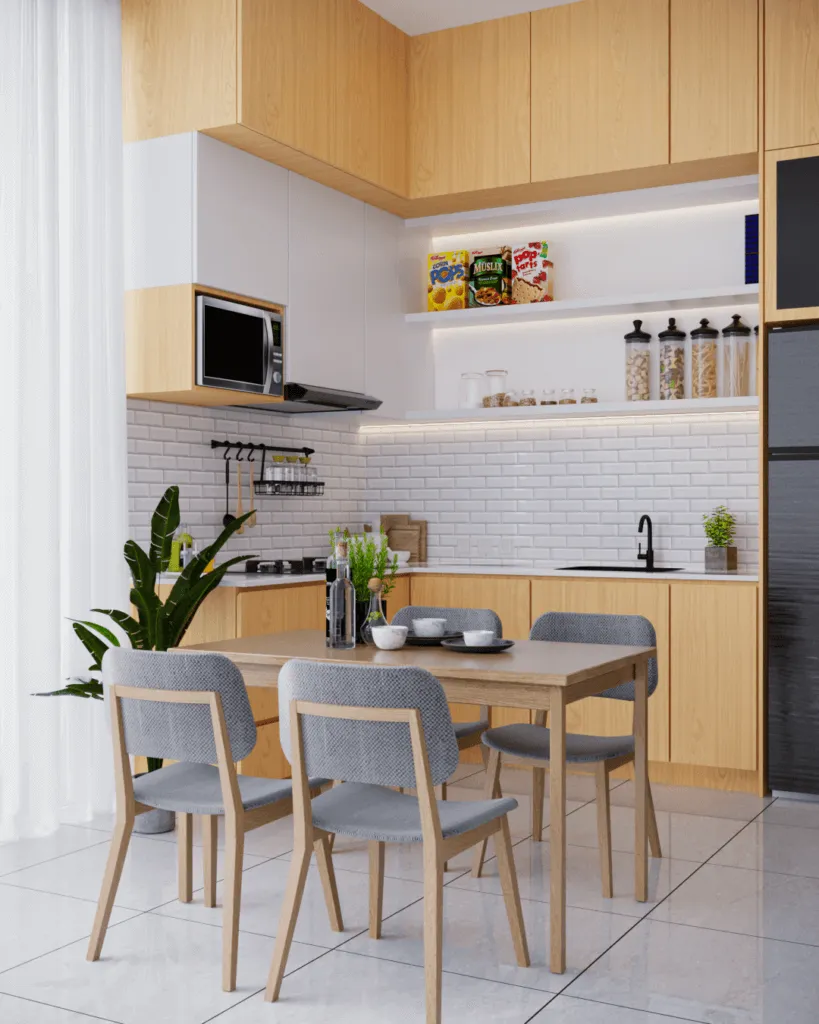
InteriorDesign.ID reports on the growing appeal of minimalist wooden kitchen sets, highlighting their ability to introduce organic texture and warmth into contemporary homes. This design choice, characterized by the natural beauty of wood grain and clean, straight lines, serves as a sophisticated counterpoint to the often-sterile appearance of metal-clad electronic appliances, transforming the kitchen from a purely functional space into a more relaxed and inviting environment. The selection of wooden cabinetry, however, necessitates careful consideration of style and spatial dynamics to ensure seamless integration and optimal aesthetic impact within any given room size.
The Enduring Allure of Natural Wood in Modern Interiors

While interior design trends continually evolve, the timeless appeal of natural wood textures remains steadfast. Each timber plank possesses unique grain patterns, ensuring that every cabinet door offers an exclusive and distinctive visual signature. This inherent individuality contributes significantly to the character of a kitchen. The spectrum of available wood colors is vast, ranging from the pale, almost white hues of Ash wood to the rich, deep browns of Walnut. This extensive palette allows wood to seamlessly adapt to diverse architectural styles, from classic and traditional to stark industrial aesthetics. Beyond its aesthetic versatility, incorporating natural wood into the home environment offers tangible benefits. Studies in biophilic design indicate that exposure to natural elements can reduce stress, improve mood, and enhance overall well-being. Viewing natural colors and textures within the home provides a visual respite from prolonged screen exposure, making wooden cabinetry a valuable investment in fostering a more serene and comfortable living atmosphere. The market for sustainable wood products has also seen significant growth, with certifications like FSC (Forest Stewardship Council) ensuring that timber is sourced from responsibly managed forests, adding an ethical dimension to this popular material choice.
Key Design Trends in Minimalist Wooden Kitchens
The contemporary design landscape offers a multitude of approaches to integrating minimalist wooden kitchen sets, each tailored to specific aesthetic preferences and functional requirements. Understanding these distinct styles is crucial for homeowners aiming to create a cohesive and impactful kitchen space.

1. Japandi Style: Serene Simplicity and Light Tones
The Japandi style, a harmonious fusion of Japanese minimalism and Scandinavian functionality, champions clean lines, understated elegance, and a deep appreciation for natural materials. In the kitchen context, this translates to the use of light-colored woods such as oak, birch, or maple. Cabinet doors are typically flat, unadorned by intricate carvings or profiles, emphasizing smooth surfaces. The use of visible metal handles is minimized, often replaced by subtle finger-pull grooves integrated into the cabinet edges. This design approach creates a remarkably clean and bright kitchen, an ideal solution for optimizing visual space in smaller or more compact living areas, enhancing the perception of openness and tranquility. The focus on craftsmanship and natural light further defines this popular aesthetic.
2. Mid-Century Modern: Rich Grains and Vintage Warmth
This enduring retro style embraces richer, more mature wood tones, with Walnut and Teak being prime examples. The wood grain in Mid-Century Modern designs is often pronounced, forming a dominant visual feature on cabinet surfaces. Unlike the concealed hardware of Japandi, Mid-Century Modern intentionally showcases distinctive brass or bronze handles, which provide a striking contrast against the darker wood. This style is particularly well-suited for kitchens featuring large windows, as ample natural light beautifully accentuates the golden undertones and intricate patterns of the wood grain, creating a warm and inviting ambiance that echoes its post-war design origins. The interplay of geometric forms and organic materials is a hallmark of this era.
3. Slatted Wood Accents: Dynamic Texture and Verticality
For those seeking an alternative to uniformly flat surfaces, the application of vertical wood slats, or "slatted wood," offers a dynamic textural element. These parallel wooden strips create captivating shadow lines that draw the eye upward, effectively enhancing the perceived height of the kitchen ceiling. To avoid visual overwhelm, slatted wood is typically used as an accent rather than a ubiquitous application across all cabinetry. It is often integrated into specific areas, such as a kitchen island’s facade or select upper cabinet doors, providing a sophisticated visual break and adding depth without sacrificing the minimalist ethos. This technique adds a contemporary architectural detail that breaks the monotony of solid surfaces.

4. Seamless, Handleless Designs: Uninterrupted Cleanliness
Extreme minimalist adherents frequently opt for handleless kitchen designs, where cabinet doors present an uninterrupted, flat surface, mimicking the appearance of a solid wooden wall. Access is facilitated by advanced push-to-open mechanisms, requiring a gentle press to activate the door. The absence of protruding handles contributes to an exceptionally clean and uncluttered aesthetic, simplifying the cleaning process and promoting a sleek, contemporary look. This design choice aligns with the principle of "less is more," creating a streamlined visual flow that enhances the perception of space and order. Such designs often incorporate integrated channels or touch-latch systems for ease of use.
5. Two-Tone Combinations: Balancing Light and Shadow
Many homeowners appreciate the beauty of wood but are wary of it making their kitchen feel too dark or heavy. The two-tone approach provides an elegant solution by combining natural wood textures with solid, neutral paint colors. A common and highly effective configuration involves using wood texture for lower cabinets and lighter shades, such as white or light grey, for upper cabinets. This strategy leverages the lighter colors on top to prevent the room from feeling confined and to reflect overhead lighting more effectively, brightening the space and creating a sense of airiness. This thoughtful balance allows the warmth of wood to be celebrated without compromising the overall luminosity of the kitchen.
6. Rustic Minimalist: Raw Authenticity with Refined Edges
This style embraces wood in its more natural, less-processed state, allowing features like knots and minor natural cracks to be exposed. The surfaces are typically finished with a matte or low-sheen sealant, maintaining an unpolished appearance. Despite its raw aesthetic, the cuts remain clean and straight, devoid of curved profiles, maintaining a minimalist sensibility. To further enhance its rustic industrial appeal, this style pairs exceptionally well with exposed concrete countertops or black pendant lighting, creating a compelling contrast between organic textures and utilitarian elements. This design celebrates imperfection and authenticity, grounding the modern kitchen in natural simplicity.

7. Industrial Integration with Metal Frames: Urban Edge
The pairing of matte black metal frames with wooden cabinet doors creates a powerful industrial character. The black metal provides sharp, definitive boundaries, outlining the cabinetry with a robust, modern edge. To amplify this urban loft aesthetic, complementary elements such as open wooden wall shelves supported by industrial piping can be incorporated. This combination offers a striking visual dialogue between the organic warmth of wood and the cool, utilitarian strength of metal, perfect for contemporary spaces seeking a bold, architectural statement. The contrast of materials adds depth and a distinctly modern, edgy feel.
Harmonizing Wood with Surrounding Elements
Integrating wooden kitchen sets requires careful consideration of adjacent furnishings and surfaces to ensure visual coherence and prevent conflicting aesthetics. Strategic material and color choices for the surrounding elements are paramount.

Determining Wall Colors and Backsplash:
The backsplash serves as a critical visual transition zone. For darker wood cabinetry, a white subway tile backsplash is a popular choice, providing a bright, clean backdrop that keeps the workspace illuminated. Conversely, with light-colored Japandi-style wood, options expand to include white marble with subtle grey veining or terrazzo, adding sophisticated texture without overwhelming the space. It is generally advisable to avoid repeating wood motifs on wall coverings to prevent a monotonous or overly "woody" appearance. The backsplash material should complement, not compete with, the wood.
Selecting Countertop Pairings:
The countertop must balance and enhance the wood texture. Natural stone options like white quartzite or solid surface materials offer a safe and elegant pairing. For pale wood cabinets, deep black granite can create a striking and sophisticated contrast, grounding the lighter wood. Exposed concrete countertops also serve as an excellent match for natural wood, particularly in rustic or industrial minimalist designs, reinforcing an organic and earthy feel. Considerations for durability, heat resistance, and ease of cleaning are also crucial alongside aesthetic appeal.
Coordinating Flooring:
It is essential to avoid using ceramic or vinyl flooring with a wood pattern that precisely matches the cabinet color. Such an approach can make the kitchen feel like an enclosed wooden box, lacking definition and visual interest. If a wood-look floor is desired, ensure there is a significant two-tone difference: pair light cabinets with darker flooring, or vice versa. Large format white granite tiles offer a versatile and popular option, providing a clean, bright foundation that allows the wood texture of the cabinets to stand out as the primary focal point. This creates a balanced and visually spacious environment.

Refining the Details: Elevating Kitchen Aesthetics
Beyond the major design choices, subtle details play a crucial role in the overall perception and quality of a minimalist wooden kitchen.
Strategic Wood Grain Orientation:
The direction of the wood grain can profoundly influence spatial perception. Vertically oriented grains draw the eye upwards, creating an illusion of higher ceilings. Conversely, horizontally aligned grains extend the visual length of a space, making them ideal for galley kitchens or areas where width enhancement is desired. Skilled craftsmen often meticulously align grain patterns, ensuring seamless continuity between cabinet doors and drawers for a truly polished and high-end finish. This attention to detail speaks volumes about the quality of the cabinetry.

Optimizing Lighting:
Even the most beautiful wood texture can be lost without appropriate lighting. Integrated LED strip lighting installed beneath upper cabinets, directing illumination onto the workspace, is highly recommended. Crucially, opting for warm white (yellowish tone) lighting is paramount. Cool white (bluish tone) lighting can bleach the natural warmth out of the wood, making it appear stark and uninviting. Warm lighting enhances the wood’s natural hues, creating an inviting and comfortable atmosphere. Accent lighting within glass-front cabinets can also highlight displayed items and add ambiance.
Precision in Door Edges and Gaps:
The finish of cabinet door edges contributes significantly to the overall aesthetic. Sharp, 90-degree angled edges impart a crisp, modern, and decisive look. For a slightly softer, more relaxed feel, edges can be subtly rounded or eased. Furthermore, the uniformity and precision of the gaps between adjacent cabinet doors are indicators of superior craftsmanship. Consistent, straight gaps of approximately 2-3 millimeters denote high-quality furniture construction, showcasing meticulous attention to detail and assembly. These seemingly minor elements contribute to the tactile and visual quality of the kitchen.
The Psychology of Wood Tones and Space Perception

The chosen wood tone significantly impacts the ambiance and perceived size of a kitchen. Lighter woods, such as maple or birch, are highly reflective, maximizing light distribution and minimizing dark shadows in corners. This makes them an excellent choice for smaller kitchens or spaces with limited natural light, contributing to an open and airy feel. Conversely, darker woods like walnut or wenge exude a formal and robust character. While elegant, an overuse of dark wood in a kitchen with few windows can make the space feel oppressive and enclosed. A balanced approach, often seen in two-tone designs, can harness the richness of dark wood without sacrificing luminosity.
Designing for Compact Kitchens
In smaller kitchens, a thoughtful approach to cabinetry is essential to avoid creating a cramped or overwhelming environment. Resisting the urge to install floor-to-ceiling enclosed cabinets across all walls is crucial, as this can visually shrink the room. Instead, consider confining enclosed cabinetry to the lower sections, complementing them with open, floating wooden shelves (ambalan) for the upper areas. This allows for storage while maintaining an open feel. Opting for thinner wooden panels helps to reduce visual weight, and incorporating frosted or clear glass panels into some cabinet doors can break up the density of solid wood, adding lightness and displaying select items without clutter. Strategic placement of reflective surfaces can further enhance the sense of space.

Maintenance and Longevity of Wooden Kitchens
While wood offers exceptional durability and timeless appeal, proper maintenance is key to preserving its beauty and extending its lifespan.
Color Fade Concerns:
It is natural for wood to undergo some color change due to prolonged exposure to direct sunlight. However, within an indoor kitchen environment, the impact of artificial lighting on wood color is generally negligible. Quality wood finishes also contain UV inhibitors to minimize fading.

Handleless Door Maintenance:
A common concern with handleless doors is the accumulation of fingerprints, as direct contact with the door front is required for opening. However, the smooth, flat surfaces of handleless doors are often much easier and quicker to wipe clean with a cloth compared to intricate handles with crevices where dirt can accumulate. Regular cleaning with appropriate wood-safe products is recommended.
Combining Different Wood Tones:
It is entirely permissible to combine two different wood colors, provided the proportions are carefully managed. The best approach is to select one wood with a strong, distinctive grain or color as the primary accent, and pair it with a lighter, finer-grained wood for the background or supporting elements. This creates depth and visual interest without appearing chaotic.
Unsuitable Countertop Pairings:
Avoid pairing wooden cabinets with countertops made from numerous small-format floor tiles. The excessive and dense grout lines inherent in such a setup can visually detract from the clean aesthetic of minimalist wooden cabinetry, creating a busy and unrefined look that clashes with the natural elegance of wood. Simpler, continuous surfaces are generally preferred.

Investment and Sustainability Considerations
Choosing minimalist wooden kitchen sets is not merely an aesthetic decision but also an investment in the home’s value and sustainability. High-quality wooden cabinetry, especially when crafted from durable hardwoods and properly maintained, offers exceptional longevity, often outlasting other materials. Furthermore, the increasing availability of sustainably sourced wood, certified by organizations like the FSC, allows homeowners to make environmentally conscious choices, supporting responsible forestry practices. Customization options, from selecting specific wood species to bespoke dimensions, ensure that a wooden kitchen can be tailored to individual needs and preferences, reflecting a personal touch while adhering to timeless design principles.
In conclusion, minimalist wooden kitchen sets offer a compelling blend of organic warmth, sophisticated aesthetics, and practical functionality. Their inherent versatility allows them to adapt to a myriad of interior styles, while their natural textures and colors provide a calming counterbalance to the demands of modern life. By carefully considering design trends, material pairings, and crucial details, homeowners can create a kitchen that is not only a hub for culinary activity but also a serene and stylish heart of the home, embodying enduring appeal and timeless elegance.