Nila Kartika Wati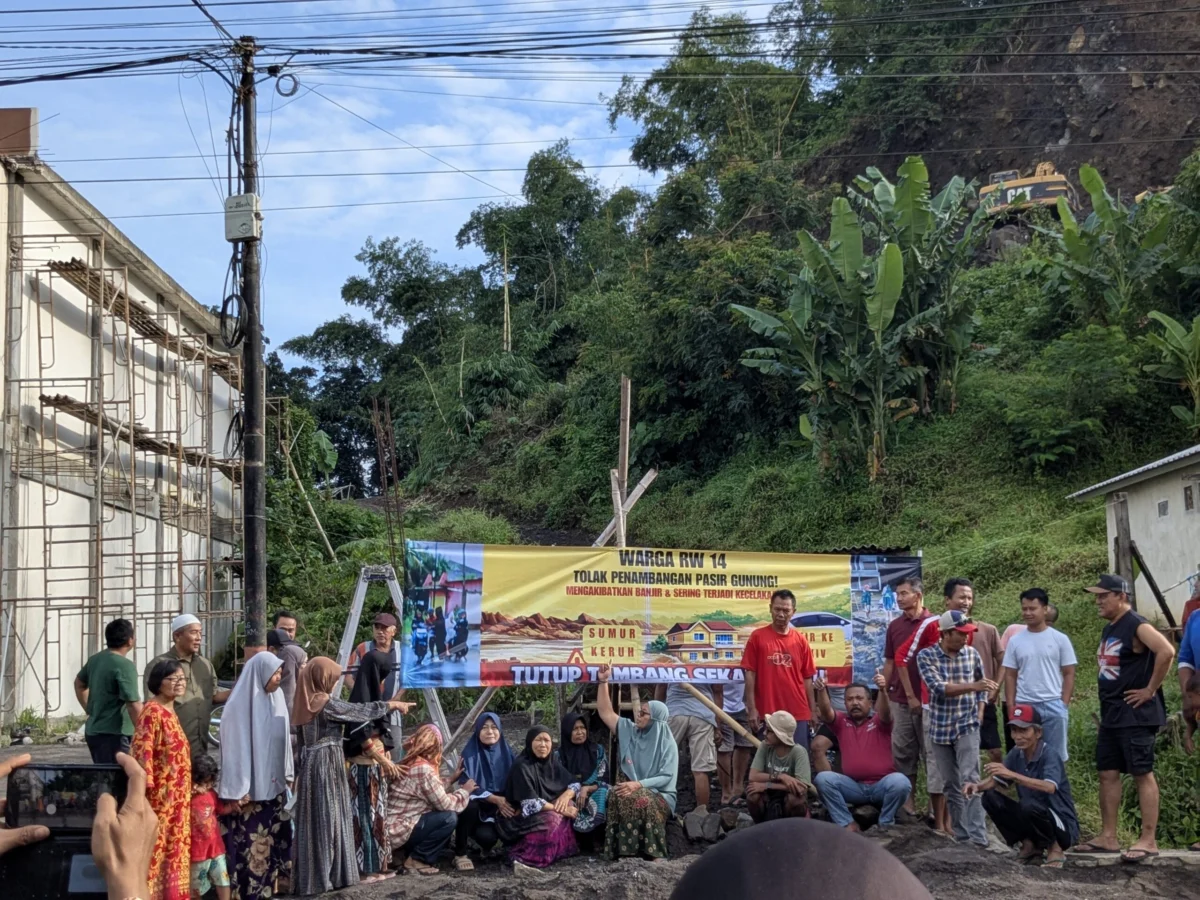
The landscape of Jember Regency in East Java is defined by thousands of small, idiosyncratic hills known locally as gumuk. For the people of this region, these formations are far more than mere geological anomalies; they are deeply intertwined with family lineages, ancestral land rights, and the spiritual fabric of the community. However, this ancient landscape is currently facing an existential crisis. The relentless expansion of sand and stone mining operations is systematically erasing these hills from the map, threatening the ecological balance of the region and sparking a wave of social unrest among residents who view the gumuk as their primary defense against environmental disasters.
In the village of Ajung, the human cost of this industrial encroachment is visible in the most somber of ways. To clear a path for mining machinery and transport routes, a local cemetery had to be relocated. Dara Quthni, a landowner who oversees a gumuk in the area, confirmed that approximately 80 graves were identified for removal. The process was fraught with emotional distress; of the 80 graves, 12 were found to contain no skeletal remains, likely due to the passage of time and the lack of formal preservation. Many of these graves belonged to families who had long since lost the means to maintain them, leaving them without markers or headstones. Sumiati, a local resident whose family members were buried there, expressed profound shock upon discovering that the graves had been excavated. She noted that she was never formally notified of the relocation, finding out only after the gumuk—and the graves atop it—had been partially leveled. The lack of dispute over the land title made the sudden excavation even more difficult for the family to reconcile.
The gumuk serve a critical ecological function that is often overlooked in the pursuit of mineral wealth. Geologically, these hills act as natural windbreakers, protecting settlements from the high-velocity winds that sweep across the East Javanese plains. More importantly, they function as vital water catchment areas. The porous volcanic material that comprises the gumuk allows rainwater to seep into the ground, recharging local aquifers and feeding the springs that communities rely on for agriculture and daily consumption. When a gumuk is removed, this natural filtration and storage system is destroyed, leading to immediate consequences for the surrounding water table.
In contrast to the commercial exploitation seen in Ajung, some communities are fighting to preserve their hills as sacred trusts. Behind the Miftahul Ulum Islamic Boarding School (Pesantren) in Kalisat, a formation known as Gumuk Taman remains largely intact. Ahmad, one of the school’s administrators, views the hill as an irreplaceable family heirloom. The ownership of Gumuk Taman is divided among several family members, with the pesantren controlling the southern and western flanks. For the school, the gumuk is a "living" heritage, covered in dense thickets of bamboo and kokap trees. The school maintains a strict policy against logging; trees are only cleared if they fall naturally. Ahmad emphasizes that any resource extraction from the hill is strictly for the internal needs of the pesantren rather than for commercial sale. This stewardship has kept the gumuk’s ecosystem healthy, providing a stark contrast to the barren pits left behind by mining elsewhere. Furthermore, the school serves as a physical barrier to industrialization; the only access road to the hill passes through the pesantren grounds, and the administration has vowed never to grant miners passage.
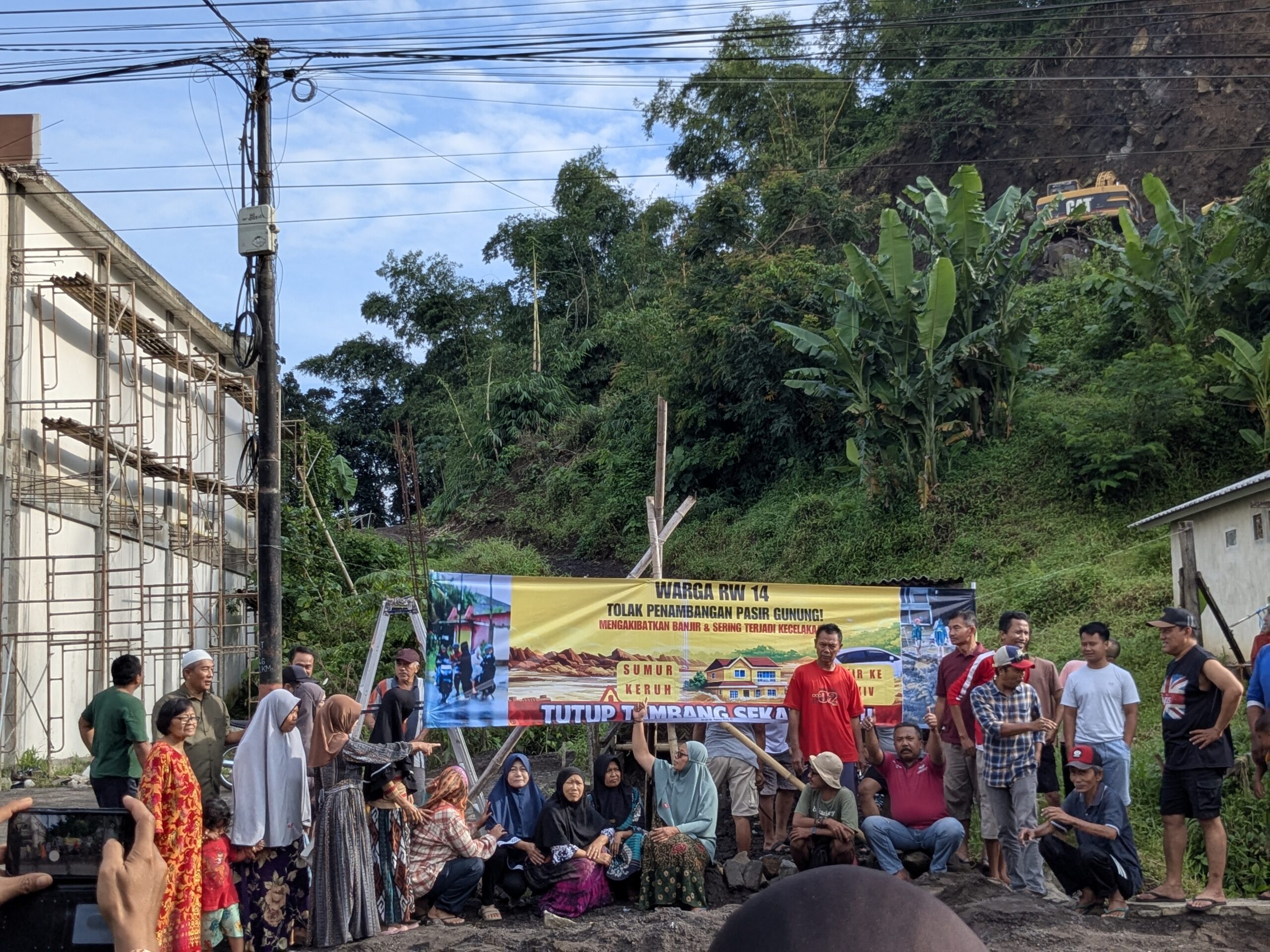
The tension between preservation and extraction reached a boiling point in mid-February 2026, when residents of the Griya Ajung Mulya (GAM) housing complex in Ajung Village staged a mass protest. A four-meter banner was unfurled across the entrance to a mining site managed by Quthni, demanding an immediate halt to operations. The residents of GAM, which was established in 1995, reported that the environment had changed drastically since the mining began 16 months ago. Hari Iswoto, a local community leader, noted that for over three decades, the housing complex had never experienced flooding. However, following the leveling of the nearby gumuk, several homes in the western section of the complex have become prone to inundation. The hills that once absorbed heavy rainfall are gone, leaving the water to rush directly into the residential streets.
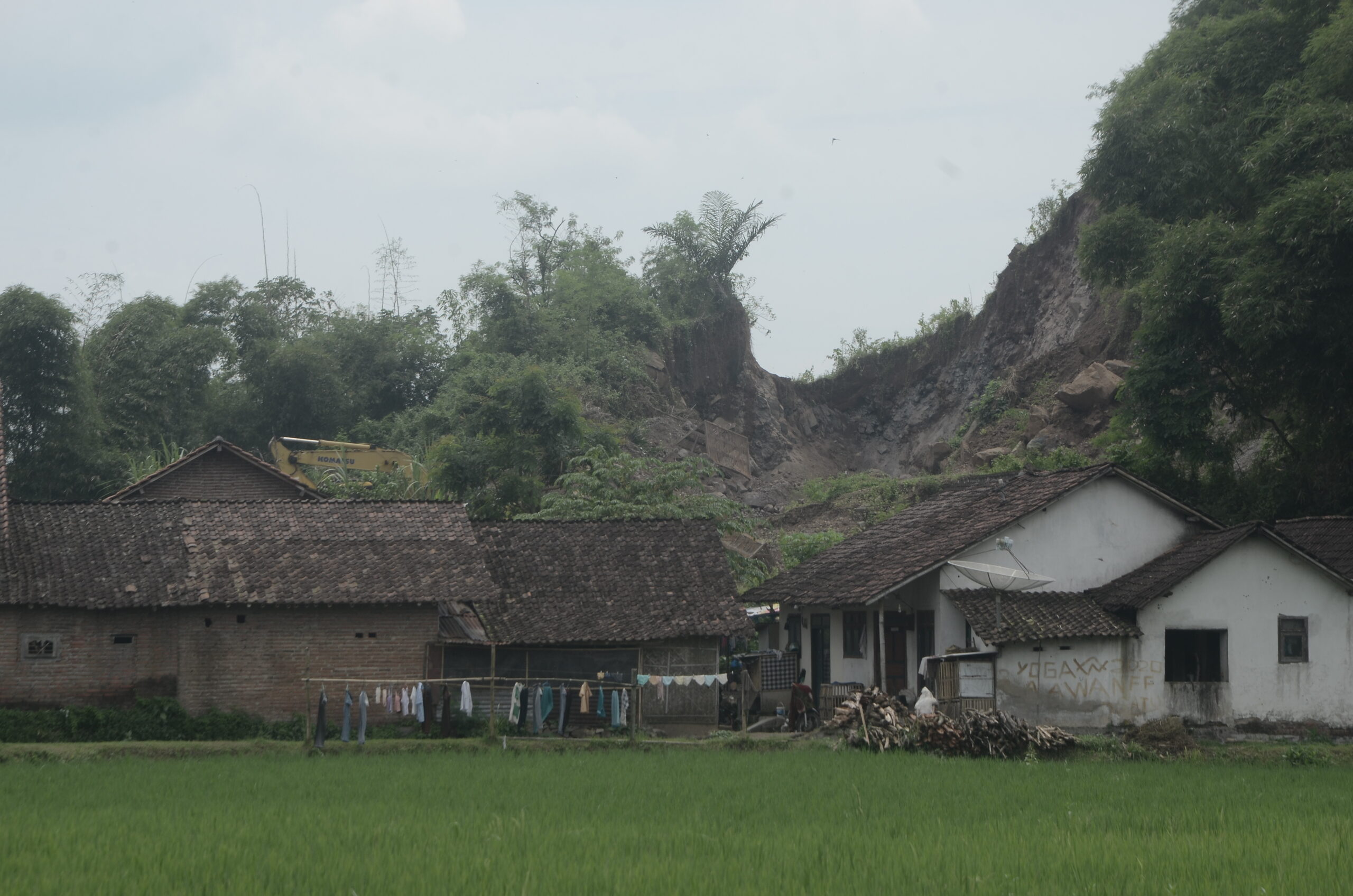
The impact on water quality has been equally devastating. Residents reported that their well water, once clear and reliable, has turned a murky brown color, rendered unfit for cooking or drinking. Many families are now forced to purchase bottled water for their basic needs, an added financial burden. Beyond the water issues, the physical safety of the neighborhood is at risk. Sujarwo, the coordinator of security for the housing complex, highlighted the danger posed by sand and debris spilling from the mine onto the public highway. During dry periods, the dust is suffocating; during the rainy season, the roads become slick with mud and sand, leading to frequent motorcycle accidents. Sujarwo also revealed that the mining operators had destroyed the community’s traditional water access. For years, residents had used a network of pipes to draw water from a spring at the base of the gumuk. The mining company buried these pipes under a new access road for heavy trucks, effectively cutting off the community’s water supply without warning or consultation.
The history of Jember’s gumuk is rooted in a dramatic geological past. In the 19th century, the German botanist and geologist Franz Wilhelm Junghuhn was so struck by the landscape that he dubbed Jember the "City of a Thousand Hills." These formations are the result of a "debris avalanche," a massive collapse of the ancient Mount Raung (Raung Purba) approximately 2,000 years ago. Geologists Reinder Fennema and Rogier Diederik Verbeek later theorized that the process was not a single event but a series of volcanic collapses and subsequent eruptions that deposited thick layers of lava and lahar. These materials were eventually covered by newer volcanic ash, creating the distinctive hummocky terrain seen today. Firman Sauqi Nur Sabila, a modern geologist from Jember, notes that until the 1980s, the specific volcanic processes that created such "hummocky" landscapes were poorly understood globally. Today, they are recognized as significant geological features, yet in Jember, they are being treated as mere stockpiles of sand and stone.
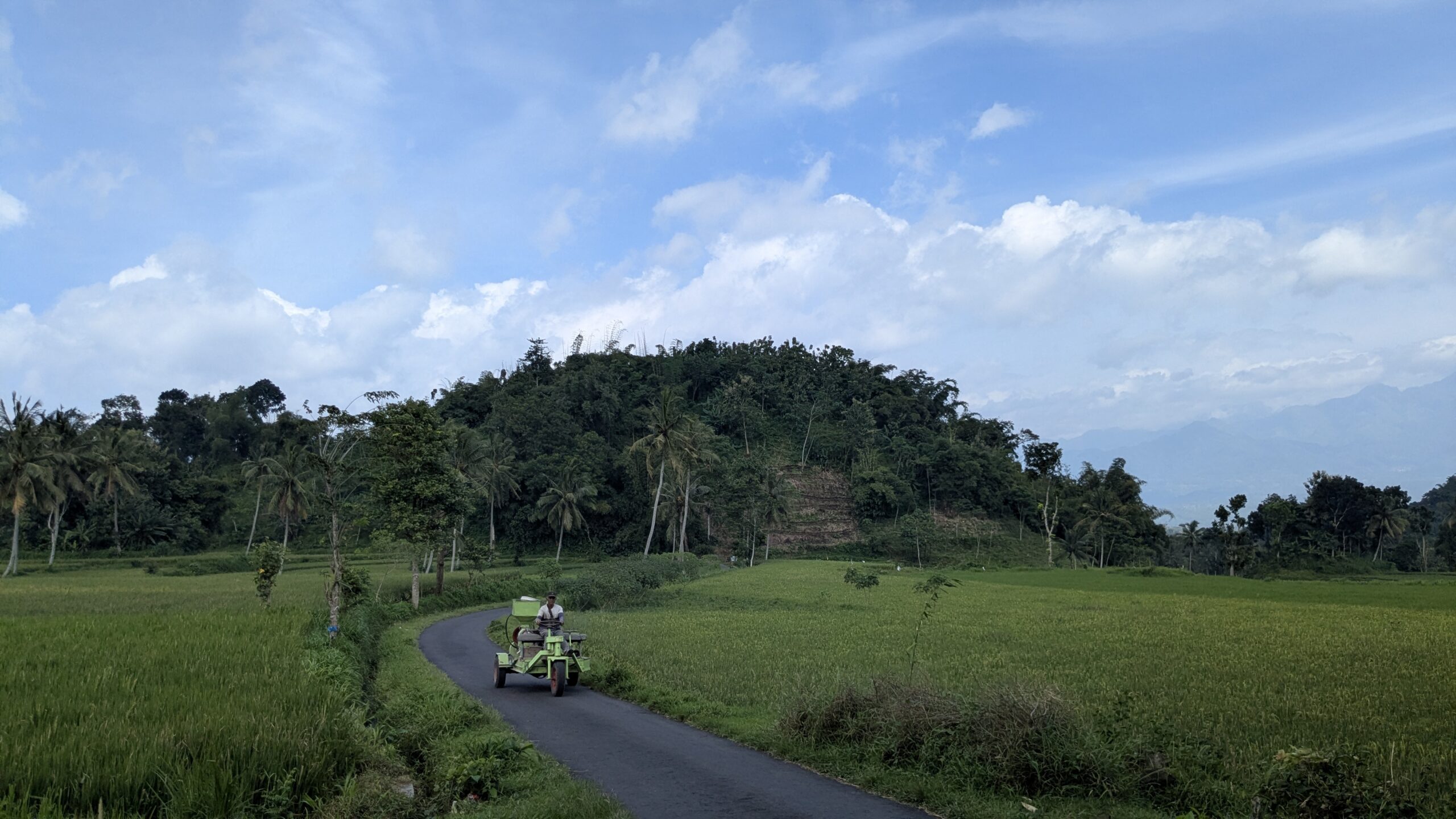
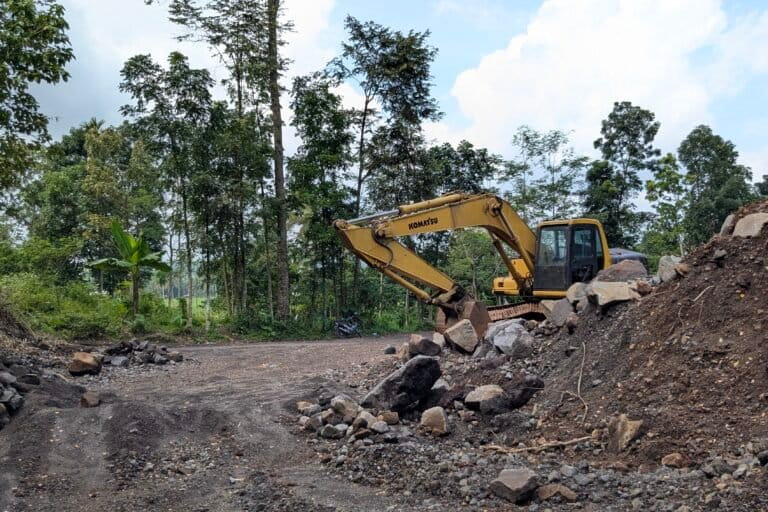
The economic exploitation of the gumuk has evolved significantly over the decades. According to Rasi Wibowo, a veteran miner in Kalisat, traditional mining was common as far back as the 1970s. In those years, the focus was on "batu piring" (slab stone) and foundation stones, which were painstakingly carved by hand. These stones were highly sought after internationally, with exports reaching Japan, Taiwan, and Hong Kong, where they were used in high-end landscaping and construction. However, the nature of the industry shifted around 2010 with the introduction of heavy machinery. The arrival of excavators made it possible to level an entire hill in a fraction of the time it took traditional miners, shifting the focus toward the mass extraction of sand for the local construction boom.
This industrial shift has occurred in a regulatory vacuum. Rasi admitted that many mining operations, including his own in the past, functioned without formal permits from the village or regional government. In 2016, there was a brief attempt by the Regional Revenue Office to collect a retribution fee of Rp4,650 per truck, but the oversight was short-lived. The core of the legal issue lies in the centralization of authority. Itqon Syauqi, a member of the Jember Regional House of Representatives (DPRD), explained that the power to issue "Galian C" (industrial mineral) mining permits currently rests with the provincial government of East Java, not the local Jember administration. This has left local officials with limited power to intervene in mining activities, even when they clearly harm the local environment and community.
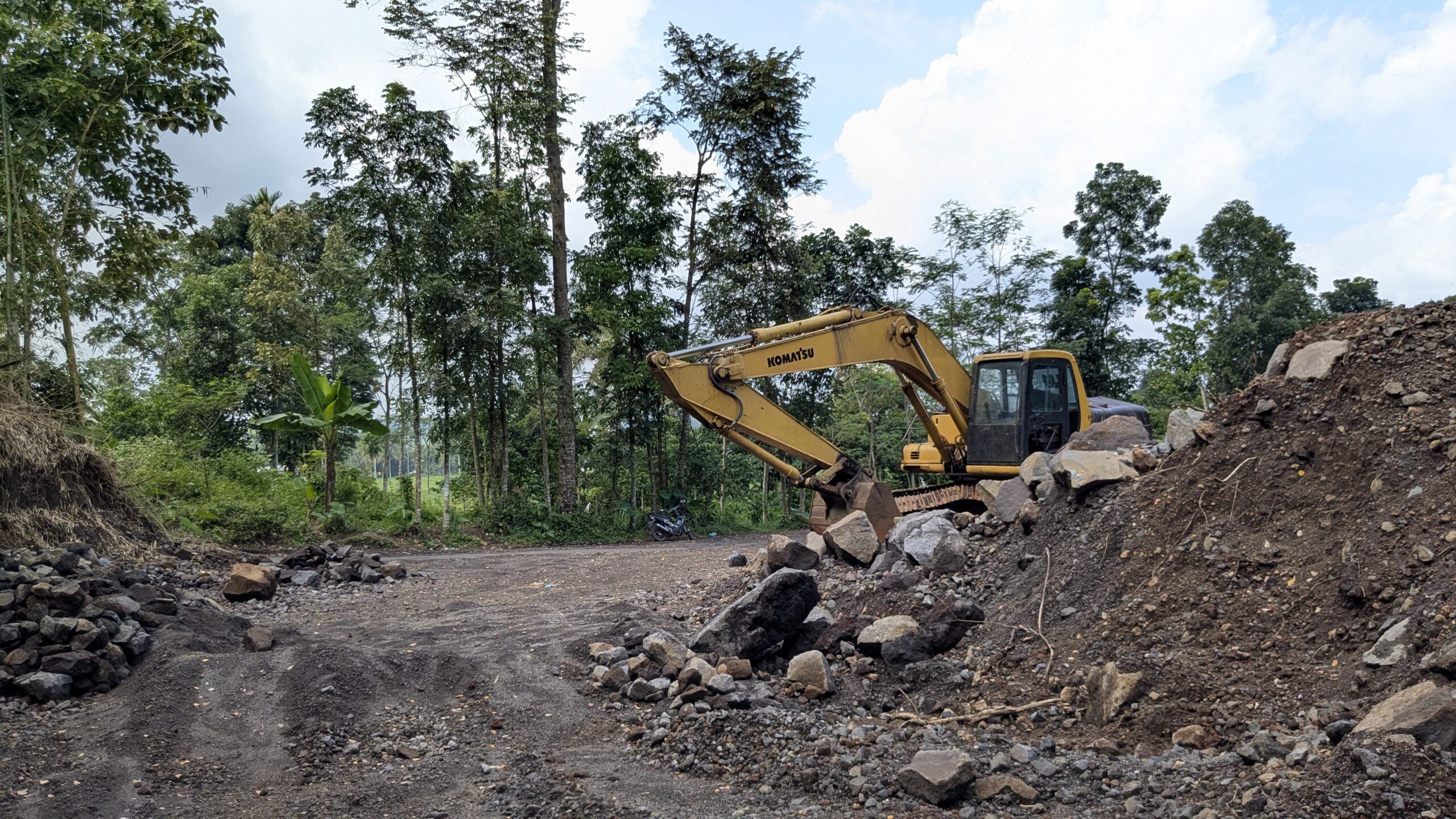
While the DPRD has discussed creating local regulations (Perda) to protect the gumuk, the shift in jurisdictional authority to the province has stalled these efforts. Itqon argues that the most effective tool for preservation at this stage is community solidarity. He believes that if local residents and landowners collectively refuse to sell their hills to miners, the industry will lose its momentum. However, this is difficult in a region where the immediate financial gain from selling a gumuk can be life-changing for a poor landowner, even if the long-term ecological cost is ruinous.
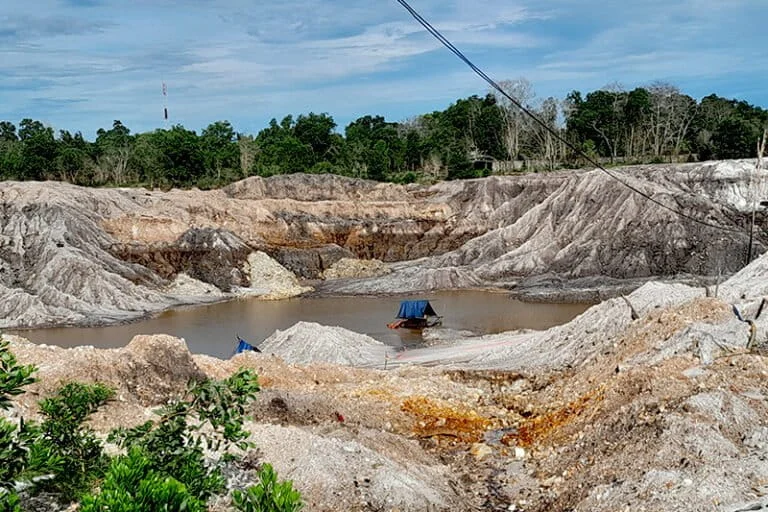
The disappearance of the gumuk represents more than just a change in scenery; it is a loss of regional identity and ecological security. As the hills are flattened, Jember loses its natural "air conditioning," its wind protection, and its groundwater reservoirs. The recent floods in Ajung are a harbinger of a future where the regency is increasingly vulnerable to the whims of a changing climate without its natural shields. The "City of a Thousand Hills" is rapidly becoming a flat expanse of industrial pits, and without a significant shift in policy and public awareness, the geological legacy of Mount Raung may soon be nothing more than a memory recorded in the journals of 19th-century explorers. The struggle for the gumuk is, ultimately, a struggle for the very survival of Jember’s environmental future.