Nila Kartika Wati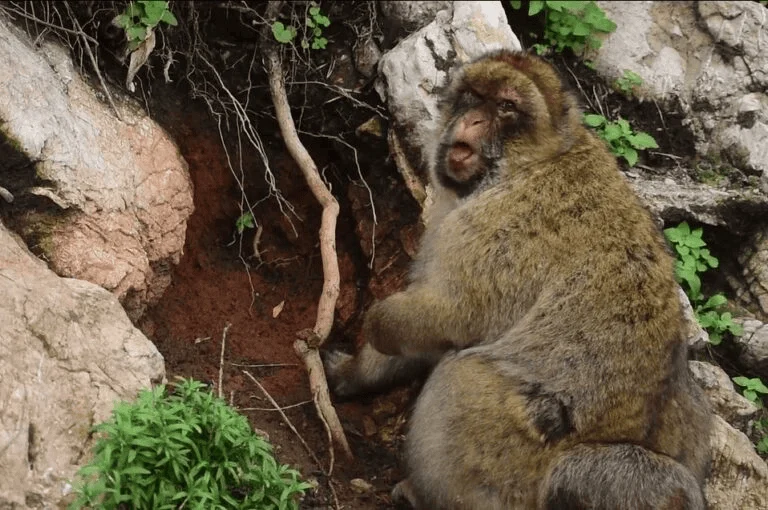
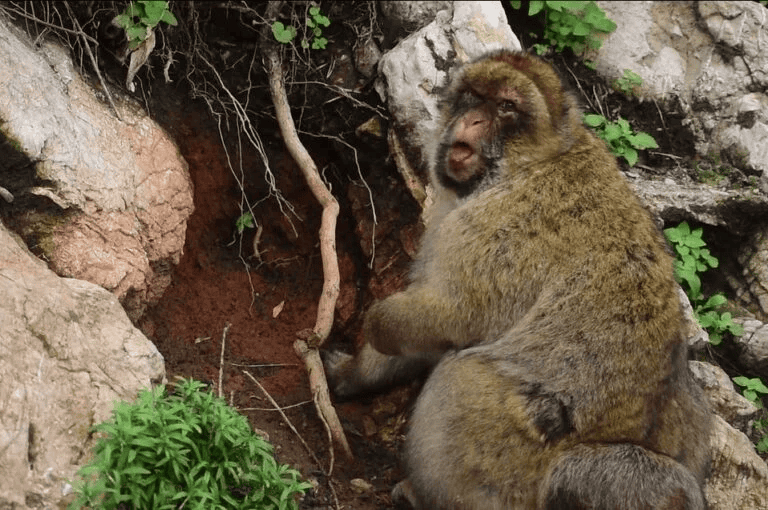
A comprehensive study into the behavioral patterns of the Barbary macaque (Macaca sylvanus) population in Gibraltar has revealed a sophisticated survival strategy: the routine consumption of soil, a phenomenon scientifically known as geophagy. This behavior, once thought to be a primitive or random occurrence, is now understood as a calculated biological adaptation designed to mitigate the physiological damage caused by non-natural diets. Researchers have identified a direct correlation between the frequency of soil consumption and the level of interaction these primates have with human tourists, suggesting that the macaques are effectively "self-medicating" to survive the health risks posed by processed human foods.
The research, published in the prestigious journal Scientific Reports, provides the first definitive causal link between human-wildlife interaction and geophagy in the Gibraltar macaque population. Conducted by an international team of scientists associated with the Gibraltar Macaques Project and the University of Cambridge, the study utilized long-term observational data to map the habits of different macaque troops across the territory. The findings indicate that troops residing in high-traffic tourist areas—such as the famous "Apes’ Den" and the Upper Rock Nature Reserve—exhibit significantly higher rates of geophagy compared to those living in isolated, more "wild" sectors of the peninsula.
The Chronology of Discovery and Observational Data
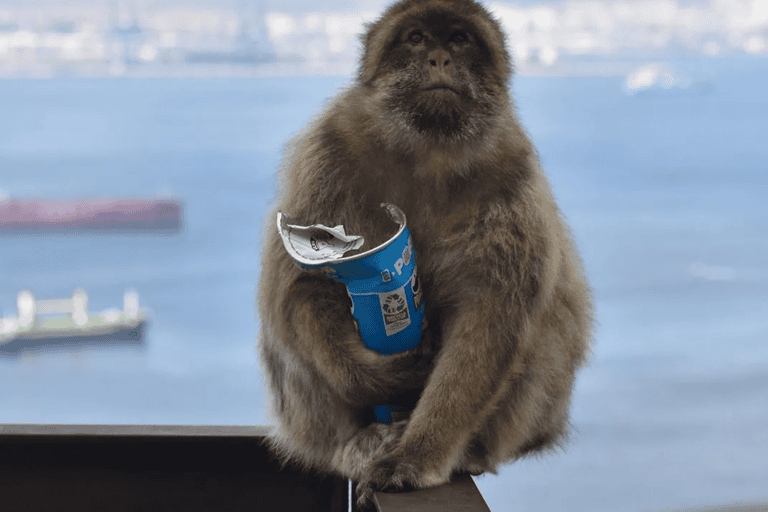
The discovery began as an incidental observation during routine population monitoring by the Gibraltar Macaques Project. While the local administration provides a steady supply of fresh fruits and vegetables to the 200 to 300 macaques inhabiting the Rock, the influx of millions of tourists annually has created a secondary, informal food economy. Despite strict regulations and fines intended to prevent the feeding of wildlife, macaques have become adept at soliciting food from visitors, raiding backpacks, and scavenging from waste bins.
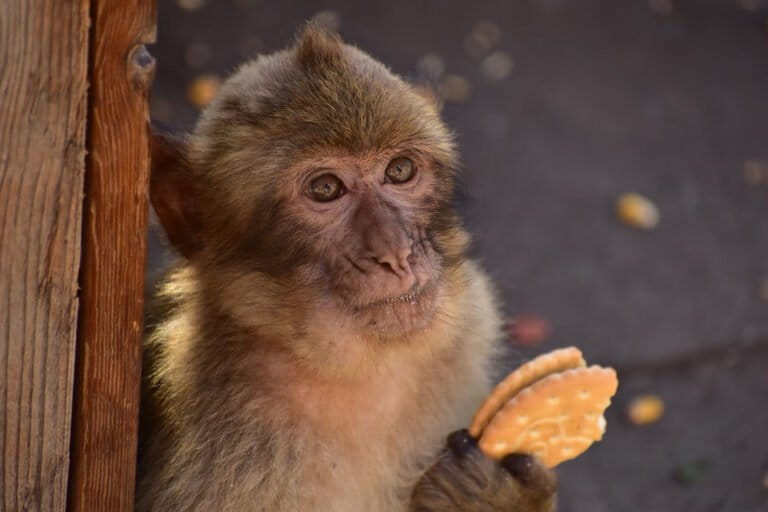
Over a multi-year observation period, researchers noticed a peculiar pattern. Shortly after consuming high-calorie, processed snacks—such as chocolate, ice cream, or bread—macaques would often descend to the ground to ingest specific types of soil. This behavior was not observed among the control groups—troops that remain largely hidden from the public eye in the dense, inaccessible cliffs of the Rock. These isolated monkeys, which subsist primarily on native vegetation like olive leaves, roots, and bulbs, showed almost no interest in consuming earth, suggesting that geophagy is not a species-wide requirement but a situational response to environmental stressors.
Analyzing the Impact of the "Junk Food" Diet
The biological necessity for geophagy stems from the radical difference between the macaques’ natural diet and the "junk food" they receive from humans. Naturally, Barbary macaques are adapted to a high-fiber, low-sugar diet. The processed foods provided by tourists are the antithesis of this; they are densely packed with refined sugars, artificial preservatives, and, in many cases, lactose.
Sylvain Lemoine, a biological anthropologist from the University of Cambridge and a senior author of the study, noted that these food items act as a systemic shock to the primates’ digestive tracts. Products like ice cream and sweetened dairy are particularly problematic, as non-human primates generally lack the lactase enzyme required to break down lactose in adulthood. The consumption of these items leads to acute gastrointestinal distress, including bloating, hyperacidity, and the accumulation of toxins within the gut.
The soil in Gibraltar, particularly the "terra rossa" or red clay soil, is rich in minerals and has absorbent properties similar to those found in pharmaceutical antacids and detoxifying agents. By consuming this clay, the macaques are utilizing the earth as a buffer. The clay particles bind to toxins and help neutralize the high acidity levels in the stomach caused by the fermentation of sugars. Essentially, the macaques have discovered a natural remedy to the modern health crisis imposed upon them by human presence.
Debunking the Mineral Deficiency Hypothesis
For decades, the prevailing scientific theory regarding geophagy in primates was that it served as a mineral supplement, particularly for pregnant females who required extra iron, calcium, or magnesium. However, the Gibraltar study has successfully challenged this long-standing assumption. By analyzing the demographic data of the macaques observed eating soil, the research team found no significant correlation between reproductive status and geophagy. Males, juveniles, and non-pregnant females were just as likely to engage in the behavior if they were part of a troop that frequently interacted with tourists.
This shift in understanding highlights the complexity of primate cognition. Rather than a simple nutritional supplement, the soil acts as a medicinal intervention. The data suggests that the behavior is reactive—triggered by the discomfort of a poor diet—rather than a proactive search for trace minerals. This finding places the Barbary macaque among a select group of animals capable of zoopharmacognosy, the process by which animals self-medicate by selecting and using specific plants, soils, or insects to treat or prevent disease.
Cultural Transmission and Behavioral Evolution
One of the most striking aspects of the study is the evidence of "cultural transmission" within the macaque troops. The researchers observed that the practice of geophagy is not uniform; different troops have developed distinct traditions regarding which materials they consume and how they consume them. This suggests that the knowledge of soil-eating is a learned behavior, passed down from older individuals to infants through social learning.
While most troops preferred clean, natural deposits of red clay, one specific group exhibited a more extreme and potentially hazardous adaptation. This troop was observed consuming dirt and debris directly from potholes in the asphalt roads frequented by tourist taxis. This "roadside geophagy" involves the ingestion of soil that is likely contaminated with petroleum by-products and heavy metals. The fact that the monkeys continue to seek out these materials despite the potential for long-term toxicity underscores the immediate urgency of their digestive distress. It also demonstrates how wildlife in human-dominated landscapes can become trapped in a cycle of maladaptive behaviors, where one human-induced problem (poor diet) leads to another (exposure to industrial pollutants).
Implications for Conservation and Tourism Management
The stability of the Barbary macaque population in Gibraltar is often cited as a conservation success story, as they are the only wild primate population in Europe. However, this study serves as a critical warning that population numbers alone do not tell the full story of a species’ health. The disruption of the gut microbiome—the delicate balance of bacteria in the digestive system—can have far-reaching consequences for the long-term viability of the population.
A compromised microbiome can lead to a weakened immune system, making the macaques more susceptible to local pathogens and reducing their overall life expectancy. Furthermore, the reliance on human food sources alters the social structure of the troops, leading to increased aggression and a breakdown of natural foraging skills.
In response to these findings, conservationists and local authorities in Gibraltar are being urged to rethink their approach to wildlife tourism. While "The Rock" is a major economic driver, the health of its most famous residents is at stake. The study suggests that current measures, such as signs and occasional fines, are insufficient to deter tourists who view feeding the monkeys as a harmless or even beneficial interaction.
Future Research and Strategic Recommendations
The research team intends to follow up this study with a more granular chemical and mineralogical analysis of the soil samples collected from the various sites. By identifying the exact chemical components that the macaques are seeking—whether it be kaolinite, montmorillonite, or specific alkaline compounds—scientists hope to gain a deeper understanding of the "pharmacopeia" available to these primates.
From a management perspective, the study advocates for a more aggressive educational campaign. Tour operators and guides must be trained to explain the biological consequences of feeding the macaques, framing it not just as a legal violation but as a direct threat to the animals’ welfare. There are also calls for improved waste management in the Upper Rock area to ensure that macaques cannot access discarded food containers, which often contain the very residues that trigger the need for geophagy.
The case of the Gibraltar macaques is a microcosm of a global issue. As urban areas expand and tourism penetrates deeper into natural habitats, the "humanization" of wildlife diets is becoming a widespread phenomenon. From the macaques of Bali to the baboons of South Africa, primates are increasingly turning to human-derived "trash" for sustenance. The Gibraltar study provides a vital framework for understanding how these animals attempt to adapt to these changes, but it also highlights the limits of their resilience. Without significant changes in human behavior, these intelligent primates may find themselves in a losing battle against the side effects of a modern, processed world.