Tyo Susilo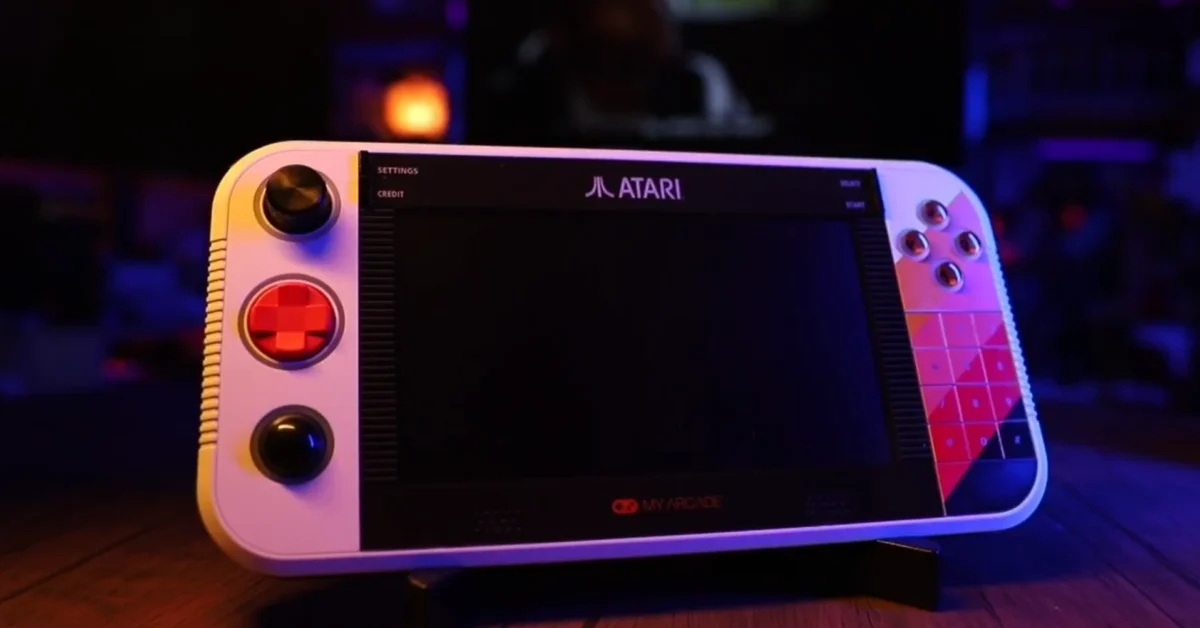
Atari has officially acquired Implicit Conversion, a specialized emulation studio renowned for its expertise in 32-bit era game preservation and its development of PlayStation emulators. This strategic move significantly bolsters Atari’s ongoing efforts to breathe new life into classic video games, ensuring their accessibility on contemporary platforms amidst the relentless advancement of gaming technology. The acquisition marks a pivotal step in Atari’s strategy to champion the preservation of vintage gaming experiences for future generations.
The acquisition formalizes a relationship that has already proven to be deeply collaborative and fruitful. Implicit Conversion had previously partnered with Atari, through their collaboration with Digital Eclipse, on several notable projects. These include the critically acclaimed Mortal Kombat: Legacy Collection, the iconic platformer Rayman, and a portfolio of other retro-focused initiatives that are yet to be fully unveiled to the public. This established working dynamic suggests a seamless integration and a shared vision for the future of classic gaming.
A Long-Standing Partnership Culminates in Official Acquisition
The integration of Implicit Conversion into the Atari family is not a sudden development but rather the culmination of a strong, synergistic partnership. Bill Litschaver, representing Implicit Conversion, articulated the sentiment of this union, describing the relationship as akin to "finding a long-lost sibling." This analogy underscores the organic nature of their collaboration, which predates the official acquisition by a significant margin. This pre-existing rapport is expected to facilitate a swift and efficient transition, allowing the combined entity to immediately leverage their shared strengths.
Implicit Conversion’s core mission remains unchanged following the acquisition: the continued development and refinement of their sophisticated emulation technologies. This includes their established emulators such as Pancake for the original PlayStation (PS1) and Waffle for the PlayStation 2 (PS2). Furthermore, the studio harbors ambitious long-term plans, including the development of an emulator for the PlayStation 3 (PS3). This sustained focus on advanced emulation is precisely where the acquisition derives its profound value. It transcends mere re-release; it is about ensuring that these treasured digital artifacts can be experienced with fidelity and integrity on modern hardware, preserving the artistic and cultural significance of these games.
Atari recognizes the immense proprietary value embedded within Implicit Conversion’s technological arsenal. This includes their proprietary Syrup Engine, a powerful toolset that is slated for integration with Atari’s internal development tools. This fusion is anticipated to significantly expand Atari’s preservation capabilities, extending beyond their own intellectual property (IP) to encompass classic titles from other publisher partners. This cross-publisher collaboration has the potential to create a more comprehensive and robust archive of gaming history.
Strategic Implications for Atari and the Gaming Landscape
This acquisition signifies a clear and deliberate shift in Atari’s future trajectory. The legendary company is moving beyond its legacy of nostalgia, actively positioning itself as a formidable player in the burgeoning classic gaming market. The acquisition of Implicit Conversion provides a foundational strength, enabling Atari to tap into a segment of the market that remains largely underserved and ripe for innovation.
The implications of this move are multifaceted. For Atari, it represents a strategic investment in intellectual property and the technological infrastructure required to monetize it effectively in the modern era. By securing the expertise of Implicit Conversion, Atari gains a significant competitive advantage in the re-release and remastering of classic titles. This could translate into new revenue streams through digital storefronts, subscription services, and potentially even dedicated retro-focused hardware.
The Growing Importance of Game Preservation
The gaming industry, like any other creative medium, faces the challenge of digital decay and technological obsolescence. As hardware ages and software formats become outdated, many games risk being lost to time. The emergence of companies and studios dedicated to game preservation is therefore of paramount importance. This trend is driven by several factors:
- Cultural Heritage: Video games are increasingly recognized as a significant form of cultural heritage, reflecting the artistic, technological, and social trends of their respective eras. Preservation ensures that this cultural legacy remains accessible.
- Academic and Historical Research: Game preservation facilitates academic study and historical research into the evolution of interactive entertainment, its technological underpinnings, and its societal impact.
- Player Demand: A significant and passionate player base exists for classic games. Many gamers seek to experience titles they may have missed or to revisit cherished memories.
- Economic Opportunities: The retro gaming market represents a substantial economic opportunity, with a growing demand for classic titles across various platforms.
Implicit Conversion’s expertise in creating accurate and performant emulators is crucial in this context. Emulation allows developers to recreate the functionality of older hardware on modern systems, making it possible to run original game code without needing the original, often fragile, hardware. This is particularly vital for games from the 32-bit era, which represented a significant leap in graphical and processing power, but also presented new challenges for preservation due to the complexity of their architecture.

A Look Back at Atari’s Enduring Legacy
Atari holds a foundational place in the history of video games. Founded in 1972, the company was a pioneer in the arcade game industry with titles like Pong and later achieved massive success with home consoles such as the Atari 2600. While the company experienced significant ups and downs throughout its history, its brand name remains synonymous with early video game innovation and cultural impact.
In recent years, Atari has been actively exploring ways to leverage its extensive back catalog. Initiatives such as the Atari VCS, a modern-day console designed to play classic Atari games and new indie titles, and various licensing deals for its IP demonstrate a renewed focus on its heritage. The acquisition of Implicit Conversion represents a more technologically driven and specialized approach to this strategy.
Anticipated Future Developments and Industry Reactions
The acquisition is likely to be met with keen interest from the gaming community and industry observers. Fans of classic games will undoubtedly welcome the prospect of more beloved titles being made accessible on modern platforms. Developers and preservationists will be eager to see how Atari and Implicit Conversion’s combined technologies will be utilized, and whether this will set a new standard for emulation and preservation efforts.
Industry analysts may view this move as a smart, albeit niche, strategic play. While Atari may not command the market share of contemporary console giants, its ability to effectively manage and re-release its classic IP could prove to be a sustainable and profitable venture. The success of this strategy will depend on the quality of the emulation, the breadth of the game library made available, and Atari’s ability to market these offerings effectively to both nostalgic older gamers and a new generation of players discovering these classics for the first time.
The partnership between Atari and Implicit Conversion, now solidified through acquisition, underscores a broader industry trend: the recognition of the enduring value of past gaming experiences. As technology continues to advance at an unprecedented pace, the efforts to preserve and reintroduce these digital artifacts become increasingly vital, ensuring that the rich history of video games remains accessible and celebrated for decades to come. The commitment to this cause, as demonstrated by Atari’s latest strategic move, is a positive development for the entire gaming ecosystem.