Nila Kartika Wati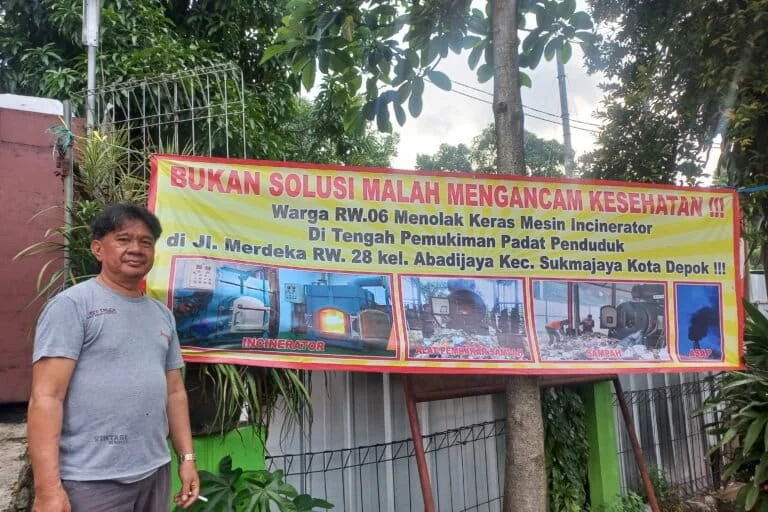
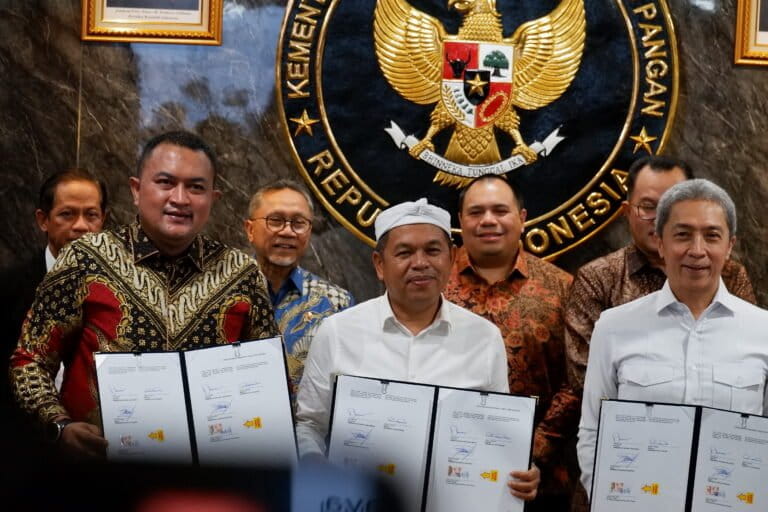
The Government of Indonesia has officially intensified its commitment to transforming the nation’s mounting waste crisis into a renewable energy source through the Waste-to-Energy (PSEL) program. During a high-level signing ceremony held at the Office of the Coordinating Ministry for Food Affairs on Tuesday, April 21, 2026, officials formalized partnerships with private entities to initiate the first phase of this multi-regional project. While the government frames the initiative as a necessary response to a national "waste emergency," environmental organizations and civil rights groups have raised a chorus of warnings regarding the long-term ecological, financial, and health risks associated with high-heat waste incineration technology.
The project, designated as a National Strategic Project (PSN), aims to break ground within the next seven weeks, with full-scale construction scheduled to begin in June 2026. The initial phase focuses on five critical urban hubs: Bekasi, Bogor Raya, Bandung Raya, Denpasar Raya, and Yogyakarta. These regions were selected due to their high waste output, often exceeding 1,000 tons per day, and the dwindling capacity of their existing landfills (TPA).
A Direct Mandate to Resolve the Waste Emergency
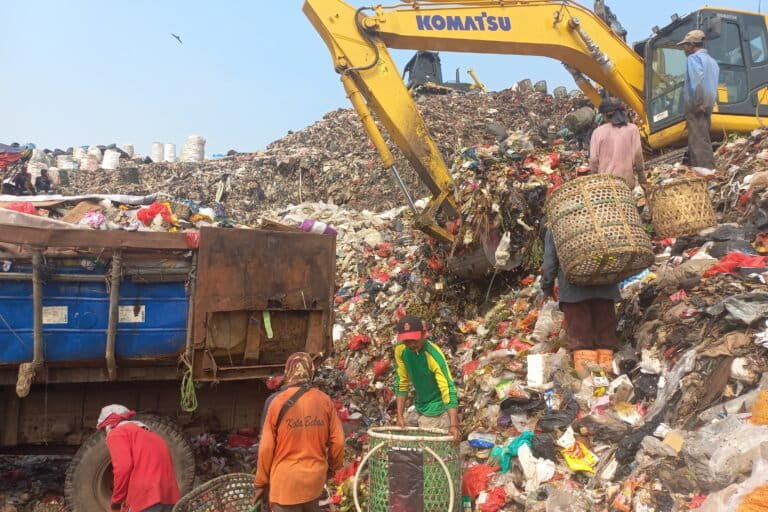
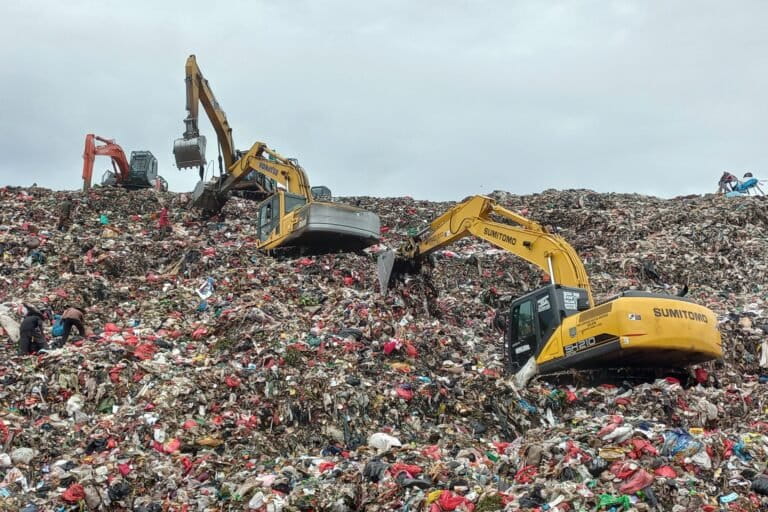
Coordinating Minister for Food Affairs, Zulkifli Hasan, emphasized that the acceleration of the PSEL projects is a direct instruction from the President. The sense of urgency is driven by the precarious state of Indonesia’s waste management infrastructure, exemplified by recent disasters at the Bantargebang landfill in Bekasi.
"This is a direct order. If the groundwork is not completed within seven weeks, the central government will be forced to take over," Zulkifli Hasan stated during the signing ceremony. He noted that Indonesia has reached a tipping point where traditional landfilling is no longer a viable option. Current national data indicates that waste generation has reached a staggering 144,839 tons per day. The government’s target is for the PSEL facilities to process approximately 40,000 tons per day by 2029, which would account for roughly 22.48% of the projected national waste volume.
Under the current framework, the government has partnered with Danantara, the newly established national investment management agency, and several private firms. In Bekasi, the project will be managed by PT Wangneng Bekasi Environment Nusantara. In the Bogor region, PT Welming Nusantara Bogor New Energy has been appointed, while PT Welming Nusantara Bali New Energy will oversee operations in Denpasar and Badung Regency.
The Regulatory Framework and Economic Incentives
The PSEL initiative is underpinned by Presidential Regulation (Perpres) No. 12 of 2025 concerning the National Medium-Term Development Plan (RPJMN), which mandates that 100% of national waste must be managed by 2029. Further technical guidance is provided by Perpres No. 109 of 2025, which outlines the obligations of local governments and the financial protections for investors.
Under these regulations, local governments are required to provide land to the appointed business entities through a "borrow-to-use" (pinjam pakai) scheme, exempt from rental fees during the construction and operational phases. Additionally, local administrations must secure regional budgets for the collection and transportation of waste from sources to the PSEL facilities and draft local regulations regarding sanitation service fees (retributions).
To ensure the financial viability of the projects, the government has mandated that the state-owned electricity company, PT PLN, enter into long-term Power Purchase Agreements (PPA) with PSEL operators for up to 30 years. The initial benchmark price for the electricity generated by these plants is set at USD 0.20 per kWh. This high feed-in tariff is designed to offset the significant capital expenditure required for modern incineration technology, though critics argue it places a heavy financial burden on the state and consumers.
Technological Defense: Incineration vs. Gasification
The Ministry of Environment has defended the choice of modern incineration technology, claiming it is more efficient and reliable than previous attempts at waste-to-energy, such as the gasification method used in Surabaya. Hanif Faisol Nurofiq, the former Minister of Environment and current Deputy Coordinating Minister for Food Affairs, explained that modern "Waste-to-Energy" (WtE) plants can process non-organic waste into electricity with an efficiency rate of up to 70%.
"In the past, gasification was considered more environmentally friendly. However, with advancements in emission control technology, incineration has become the global standard," Hanif told reporters. He pointed to the Copenhill facility in Copenhagen, Denmark, as a model, noting that it operates in the heart of an elite residential area without producing odors or harmful levels of pollution.
The government has established a checklist of 80 stringent requirements that PSEL operators must meet, including the installation of advanced filtration systems and continuous emission monitoring. Hanif assured the public that the chimney designs and filtration structures would be strictly regulated to ensure that all emissions remain well below the national environmental quality standards.
The "Wet Waste" Dilemma and Environmental Criticism
Despite government assurances, environmental advocates such as Wahyu Eka Styawan from the Indonesian Forum for the Environment (Walhi) argue that incineration is fundamentally mismatched with the characteristics of Indonesian waste. Unlike waste in European countries, which tends to be drier and has a higher caloric value, Indonesian waste is dominated by organic matter with high moisture content.
"Walhi’s studies in Jakarta show that 54% of waste is organic, consisting of food scraps, wood, and garden waste. In Surabaya, this figure is even higher at 55%," Wahyu explained. Burning wet organic waste requires significantly more energy, often necessitating the use of auxiliary fuels, which reduces the net energy output and increases the carbon footprint of the facility.
Ibar Akbar, a campaigner for Zero Waste Greenpeace Indonesia, added that the lack of an integrated waste separation system at the source means that PSEL facilities will likely burn a mixture of organic and non-organic materials. He argued that the waste crisis cannot be solved by "expensive technology" alone and requires a massive shift toward waste reduction and community-based sorting at the upstream level.
Carbon Footprint and Toxic Risks
The environmental impact of PSEL extends beyond simple carbon emissions. Research cited by Walhi suggests that WtE facilities can release up to 1.2 tons of CO2 for every ton of waste incinerated. Data from Eurostat in 2016 indicated that as waste incineration increased in Europe, CO2 emissions from these facilities doubled. In some cases, the carbon intensity of electricity from incinerators—approximately 540 grams of CO2 per kWh—is nearly double the average of the European Union’s power grid and higher than that of gas-fired power plants.
Beyond climate concerns, there are significant fears regarding persistent organic pollutants (POPs). The incineration of plastic and other materials containing chlorine can lead to the formation of dioxins (PCDDs) and furans (PCDFs). These compounds are highly toxic, carcinogenic, and can disrupt the endocrine and immune systems.
Yuyun Ismawati, a Senior Advisor at the Nexus3 Foundation, highlighted that Indonesia has been a signatory to the Stockholm Convention since 2009, which aims to protect human health and the environment from POPs. "Studies have shown high concentrations of toxic POPs in the ash produced by pilot incinerators in Bantargebang. Indonesia is not yet equipped with the necessary oversight, law enforcement, or hazardous waste (B3) management infrastructure to safely operate these plants," she warned.
The Road Ahead: 31 Locations by 2029
The government remains undeterred by these criticisms, viewing PSEL as the only scalable solution to prevent urban centers from being buried under their own refuse. The master plan envisions expanding the program to 31 locations or agglomerations, covering 86 regencies and cities across the archipelago.
As the June 2026 construction deadline approaches, the Ministry of Environment and the Ministry of Lingkungan Hidup (KLH) are tasked with verifying the readiness of local governments and ensuring that Environmental Impact Assessments (Amdal) are completed. The government maintains that the socio-economic benefits of a cleaner urban environment and a stable, decentralized energy source outweigh the risks.
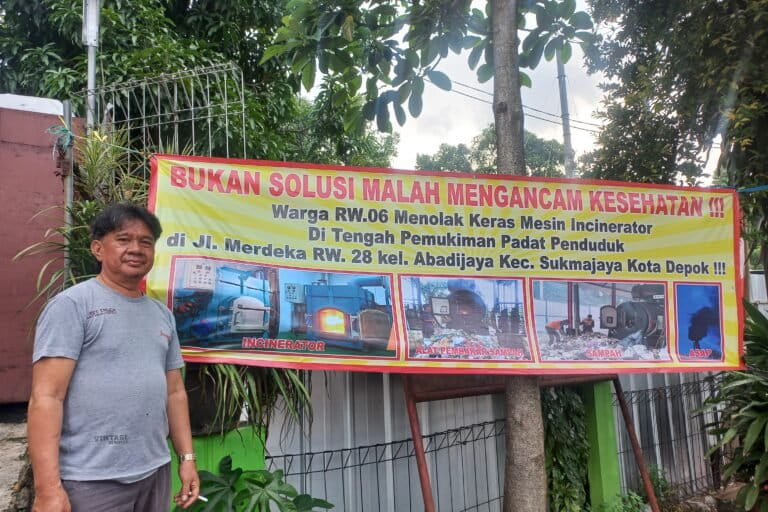
However, the Alliance for Zero Waste Indonesia (AZWI) continues to call for a comprehensive re-evaluation of the national waste management strategy. They advocate for a focus on a circular economy, improved recycling infrastructure, and the enforcement of producer responsibility laws to reduce waste at the source.
As Indonesia embarks on this multi-billion dollar technological gamble, the eyes of both domestic and international observers remain fixed on whether these "modern" chimneys will provide a sustainable solution to the country’s waste emergency or simply trade a visible crisis on the ground for an invisible one in the air.