Nila Kartika Wati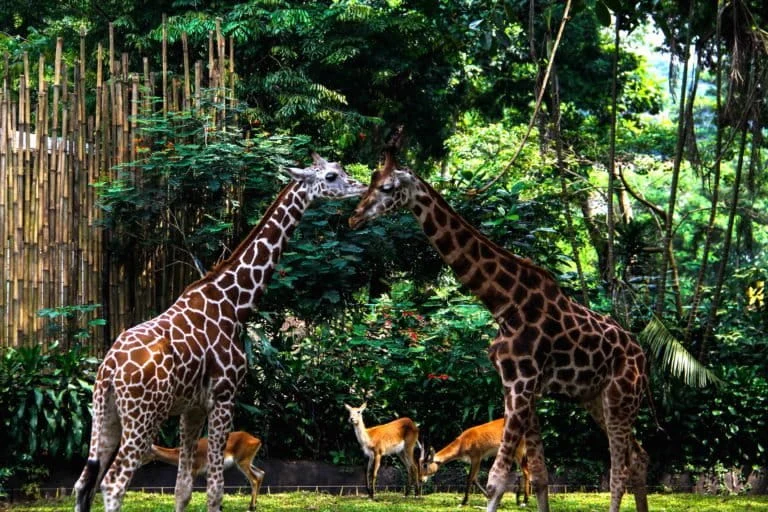
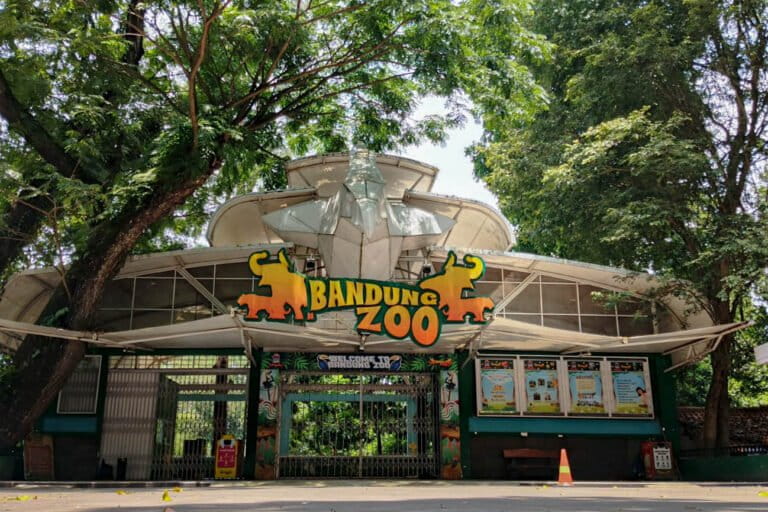
The Bandung City Government is currently in the decisive stages of selecting a new management partner for the historic Bandung Zoo, a process aimed at revitalizing one of Indonesia’s oldest conservation institutions following years of legal disputes and administrative instability. Established in 1933 during the Dutch colonial era, the Bandung Zoo—officially known as the Tamansari Wildlife Park—has recently become a focal point of national concern due to deteriorating animal welfare standards and a protracted ownership conflict between the municipal government and the incumbent foundation. As the selection process enters its final phase, the city’s leadership has set a high bar for potential operators, demanding not only a significant financial commitment of IDR 50 billion but also a complete overhaul of the facility’s biological and technical management protocols.
The search for a new manager comes at a critical juncture for the 14-hectare park. For more than half a year, the institution has been mired in internal conflict and a license dispute that has distracted from its primary mission as an ex-situ conservation site. According to Annisa Rahmawati, a Senior Wildlife Campaigner at Geopix, such conflicts almost inevitably lead to a decline in animal care. When management is preoccupied with administrative battles and control struggles, the basic needs of the animals—ranging from nutritional requirements to veterinary care—often fall by the wayside. The transition is therefore seen as a "last-ditch effort" to save the remaining wildlife and restore public trust in the institution.
A Legacy of Conflict and the Toll on Wildlife
The Bandung Zoo’s recent history is a cautionary tale of how administrative negligence can lead to biological tragedy. The most harrowing example of this decline was the death of Huru and Hara, two Bengal tiger cubs that succumbed to the panleukopenia virus earlier this year. Their deaths occurred while the zoo was facing operational restrictions and a lack of clear leadership. Panleukopenia, often referred to as feline distemper, is a highly contagious and frequently fatal viral disease. In a well-managed conservation environment, biosecurity measures and rigorous vaccination schedules are standard protocols designed to prevent such outbreaks.
Iding Achmad Haidir, Chairman of the HarimauKita Forum and a doctoral graduate from the University of Oxford’s Wildlife Conservation Research Unit (WildCRU), emphasized that the death of these tigers should not be viewed as an isolated incident. He argues that the emergence of the virus during a period of management "huru-hara" (turmoil) suggests a failure in preventive health measures. For a facility that holds endangered and charismatic megafauna, a death is not merely a loss of an individual animal; it is a failure of the biosecurity system. Haidir insists that the new management must implement a comprehensive health audit and strengthen biosecurity to ensure that such "silent killers" do not decimate the zoo’s population again.
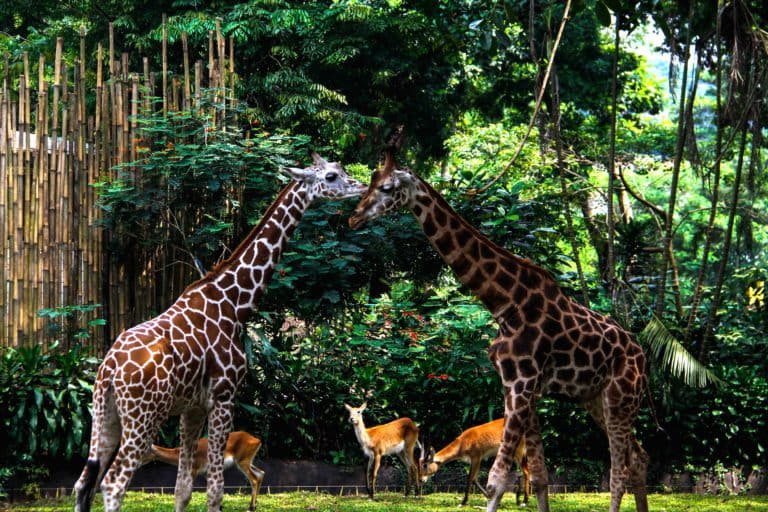
The impact of the management crisis extends beyond viral outbreaks. Annisa Rahmawati noted that during the height of the conflict, there were noticeable declines in cage maintenance and behavioral enrichment programs. These programs are essential for the psychological well-being of captive animals, preventing the development of stereotypic behaviors—repetitive, purposeless actions often seen in stressed zoo animals. The reliance on ticket sales for funding meant that when visitor numbers dropped due to the controversy or temporary closures, the budget for high-quality feed and medical supplies was immediately compromised.
The Scientific Imperative: The Five Freedoms of Animal Welfare
To move forward, experts argue that the Bandung Zoo must align its operations with the internationally recognized "Five Freedoms" of animal welfare. Ardiantono, a postdoctoral researcher at the University of Wisconsin-Madison, explains that these principles serve as the baseline for any legitimate conservation institution. They include:
- Freedom from hunger and thirst.
- Freedom from discomfort (providing an appropriate environment).
- Freedom from pain, injury, or disease.
- Freedom to express normal behavior.
- Freedom from fear and distress.
Ardiantono points out that when a zoo fails to meet these standards, the risk of animal mortality skyrockets. In the case of Bandung Zoo, the lack of financial stability and professional oversight meant that even basic comforts were at risk. He suggests that the government should have intervened sooner with a temporary takeover to ensure minimum standards were met while the legal battle over the land continued. Looking ahead, any new operator must demonstrate a science-based approach to management, where data on animal health and behavior guide daily operations rather than purely commercial interests.
Professionalizing the Institution: Moving Beyond the Foundation Model
One of the most vocal critics of the current management structure is Tony Sumampau, Secretary-General of the Indonesian Zoo and Aquarium Association (PKBSI). Sumampau argues that the "foundation" (yayasan) model, which has governed Bandung Zoo for decades, is no longer adequate for modern conservation needs. He asserts that a conservation institution must be a professional legal entity with clear accountability and technical capacity.
"It cannot be managed by a foundation without adequate capacity. It must be truly professional," Sumampau stated. He highlighted that many of the current staff members at Bandung Zoo are experienced individuals who have survived previous crises, such as the public outcry over animal deaths in 2016 and 2017. However, without a professional management framework, even experienced staff cannot prevent systemic failures.
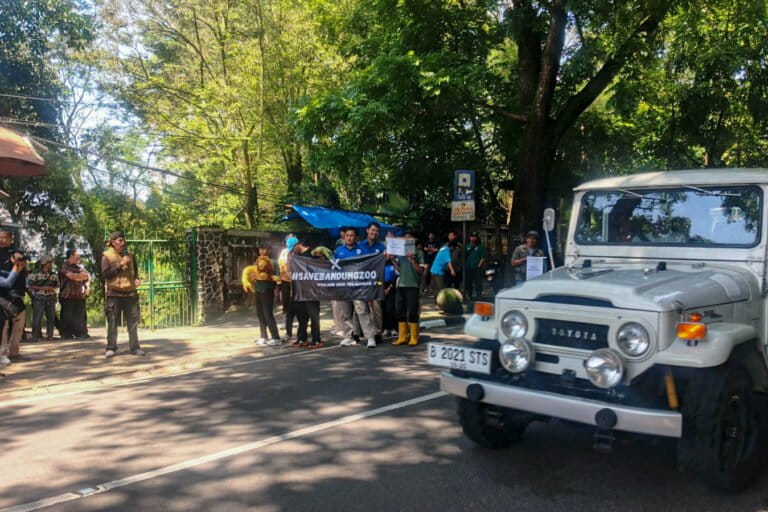
Sumampau also brought to light the failure of "breeding loan" programs at the zoo. These programs, where animals are shared between institutions to maintain genetic diversity and encourage reproduction, have failed at Bandung Zoo because the facility lacked the specialized quarantine areas and neonatal care units required for young animals. "I was the one who requested the breeding loan so the animals could be bred and their offspring returned. But now, forget about returning them—the offspring have all died," he lamented. This failure has not only harmed the animals but has also damaged the zoo’s reputation within the global conservation community, making other institutions hesitant to collaborate.
The Economic Vision: A IDR 50 Billion Investment Threshold
While the biological needs of the animals are paramount, the Bandung City Government is also focusing on the economic viability of the park. Mayor Muhammad Farhan has set a target for the new manager to invest at least IDR 50 billion within the first two years of operation. This investment is intended to modernize the infrastructure, upgrade veterinary facilities, and transform the zoo into an international-standard destination.
The response from the market has been surprisingly robust. Initially, 85 conservation institutions and private entities expressed interest in the management tender. This high level of interest underscores the value of the Bandung Zoo as a prime asset, located in the heart of one of Indonesia’s most populous cities. After a rigorous screening process, the city has narrowed the field down to three or four serious candidates. These finalists include established conservation organizations and private firms with proven track records in wildlife management.
Mayor Farhan believes that this level of investment is necessary to break the cycle of "patchwork" repairs and temporary fixes. "This is our motivation to form a management that is good and of international standard," Farhan said. The goal is to move away from the image of a struggling, controversial site and toward a model of a self-sustaining, high-tech conservation center that contributes to the city’s economy while fulfilling its ethical obligations to the animals.
Chronology of the Crisis: A Decade of Decline
To understand the weight of the current transition, one must look at the timeline of events that led to this point:
- 2016-2017: The zoo faces intense international scrutiny following the death of Yani, a Sumatran elephant, and reports of emaciated sun bears. This leads to temporary management improvements but fails to address the underlying legal issues.
- 2022-2023: The legal dispute over the land ownership between the Bandung City Government and the Yayasan Margasatwa Tamansari intensifies. The government asserts that the foundation has failed to pay rent for decades, while the foundation claims historical ownership.
- Early 2024: The conflict leads to administrative paralysis. Standard operating procedures begin to slip, and internal friction among staff increases.
- March 2024: The death of Bengal tiger cubs Huru and Hara due to panleukopenia shocks the public and serves as a catalyst for government intervention.
- April 2024: The Bandung City Government officially opens the "beauty contest" for new management, inviting 85 potential partners to submit proposals.
- Present: The selection process nears completion, with a focus on IDR 50 billion in investment and a total reorganization of the zoo’s technical staff.
Analysis of Implications: A Test for Indonesian Conservation
The outcome of the Bandung Zoo transition will have far-reaching implications for how ex-situ conservation is handled across Indonesia. If the city government successfully installs a professional operator that can balance commercial success with high animal welfare standards, it could serve as a blueprint for other struggling municipal zoos in the country.
However, the challenges remain immense. A "reorganization" is not merely an administrative change; it requires a cultural shift within the institution. The new manager will need to conduct an independent and transparent audit, as suggested by Annisa Rahmawati, to identify precisely where the previous management failed. This audit must cover financial records, animal health histories, and infrastructure integrity.
Furthermore, the public’s trust is at an all-time low. Restoring that trust will require more than just new cages or a fresh coat of paint. The new management must be transparent about animal deaths, births, and the progress of conservation programs. They must also address the "breeding loan" failures by building state-of-the-art quarantine and nursery facilities that meet PKBSI standards.
Ultimately, the Bandung Zoo stands at a crossroads. It can either continue to be a symbol of mismanagement and "huru-hara," or it can reclaim its place as a premier institution for education and conservation. With IDR 50 billion on the line and the eyes of the conservation world watching, the stakes for the city of Bandung and its resident wildlife have never been higher. The transition is not just about choosing a new manager; it is about deciding whether the city is truly committed to the "Five Freedoms" for the creatures in its care.