Nila Kartika Wati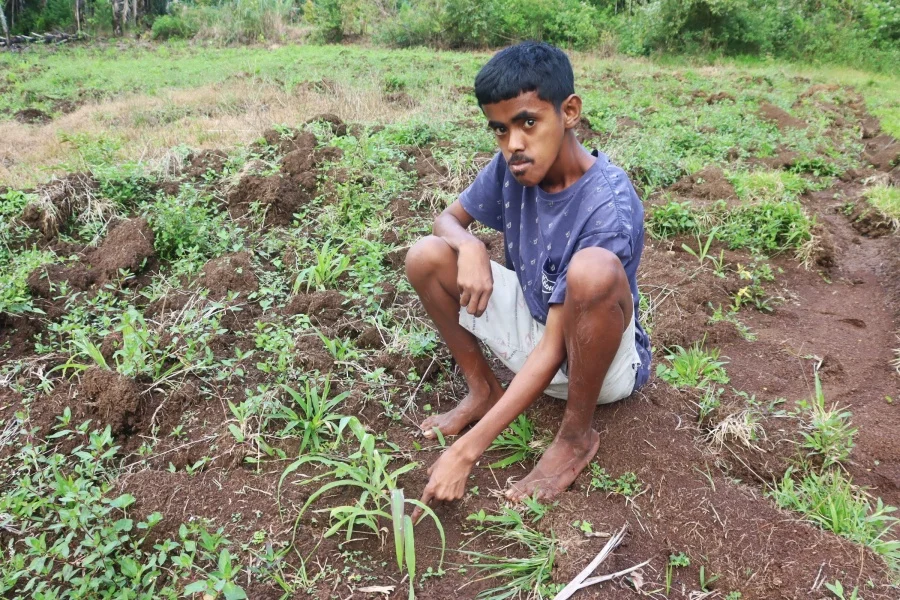
The promise of clean, renewable energy often arrives with a narrative of progress and sustainability, yet for the residents of Turetogo Hamlet in the Wogo Village of Ngada Regency, the reality of the Mataloko Geothermal Power Plant (PLTP) has been defined by the steady erosion of their livelihoods and the degradation of their ancestral lands. Located approximately 15 kilometers east of Bajawa, the capital of Ngada in East Nusa Tenggara (NTT), the Mataloko project was once hailed as a cornerstone of the region’s transition toward energy independence. However, decades after its inception, the local community reports a harrowing transformation of their environment, characterized by plummeting agricultural yields, mysterious mud eruptions, and chronic health concerns that challenge the "green" credentials of geothermal development in Indonesia.
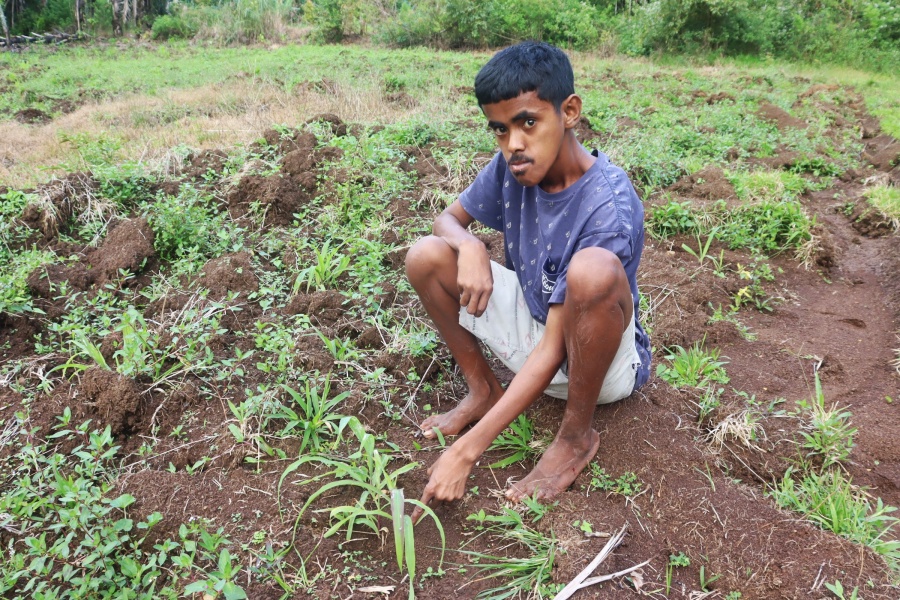
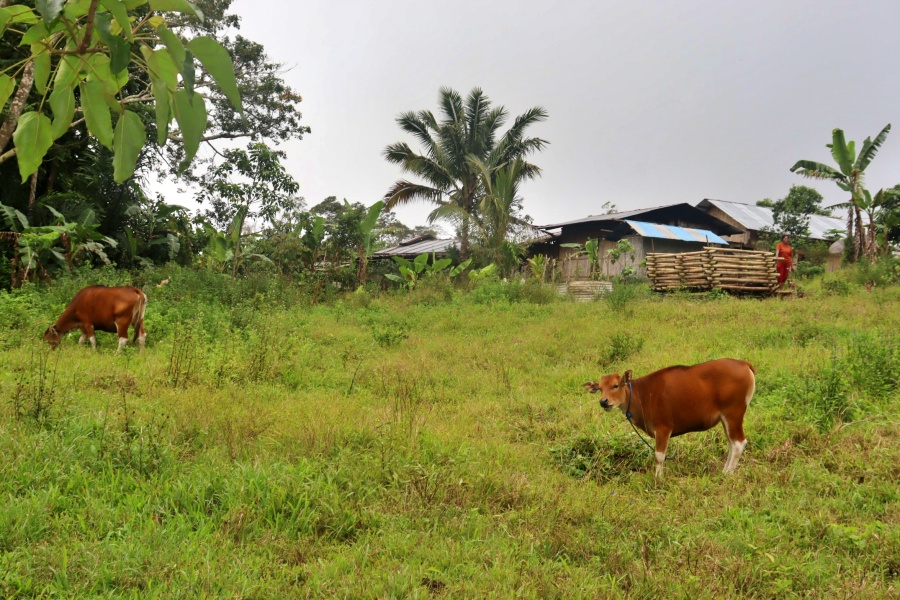
For Andi Nawa, a local farmer whose family has cultivated the fertile volcanic soil of the Golewa District for generations, the presence of the power plant has become synonymous with economic hardship. Before the intensification of geothermal activities, Andi’s coffee harvests were a reliable source of prosperity, often yielding up to 350 kilograms per season. In the last two years, that figure has plummeted to a mere 50 kilograms. The decline is not limited to high-value cash crops; the basic food security of the village has been compromised. Villagers who once grew a surplus of vegetables to sell at local markets are now forced to purchase their own food. The land, once vibrant and productive, now hosts stunted corn stalks and barren rice paddies that fail to bear fruit, leaving farmers with no choice but to abandon their fields to wandering livestock.
A History of Exploration and Technical Ambition
The quest to harness the subterranean heat of Mataloko began as early as 1984, following initial geological surveys that identified the region as a high-potential geothermal zone. The project gained significant momentum between 1997 and 2002, when the Indonesian Directorate of Volcanology partnered with several Japanese entities, including the Geological Survey of Japan (GSJ), West Japan Engineering Consultants (West JEC), Mitsubishi Research Institute (MRC), and the New Energy and Industrial Technology Development Organization (NEDO). This international collaboration led to the drilling of the first two exploration wells, MT-1 and MT-2.
By 2003, the Directorate of Mineral Resources Inventory expanded the site with wells MT-3 and MT-4. Subsequent years saw the completion of the semi-exploration well MT-5 and the reinjection well MT-6 in 2005. By 2007, the infrastructure for a Steam Gathering System (SGS) was installed, leading to the initial joint trials of the plant. Today, the PLTP Mataloko facility sits on a 12.9-hectare plot within a much larger Geothermal Working Area (WKP) spanning 996.2 hectares. Despite this massive footprint and decades of investment, the plant’s operational history has been inconsistent. Managed by the state-owned electricity company PT Perusahaan Listrik Negara (PLN), the facility, which has a capacity of 1×2.5 Megawatts (MW), previously ceased operations due to a decline in thermal pressure, only recently resuming activities after a technical takeover by PLN’s regional division.
Environmental Manifestations and Community Displacement
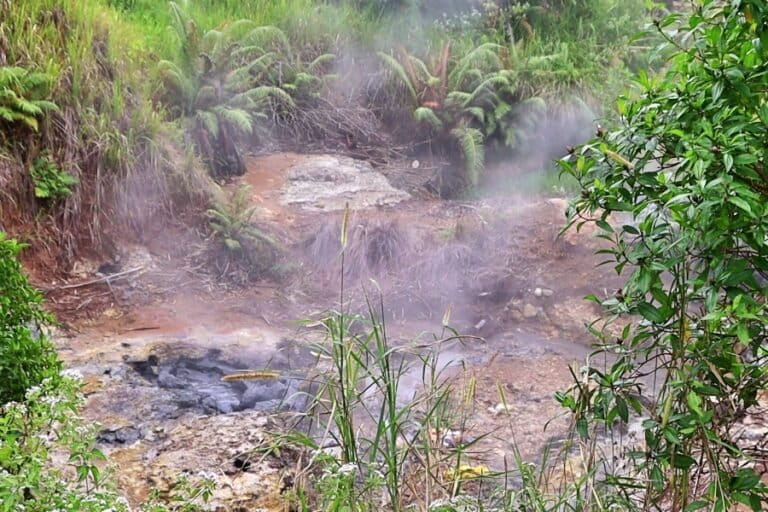
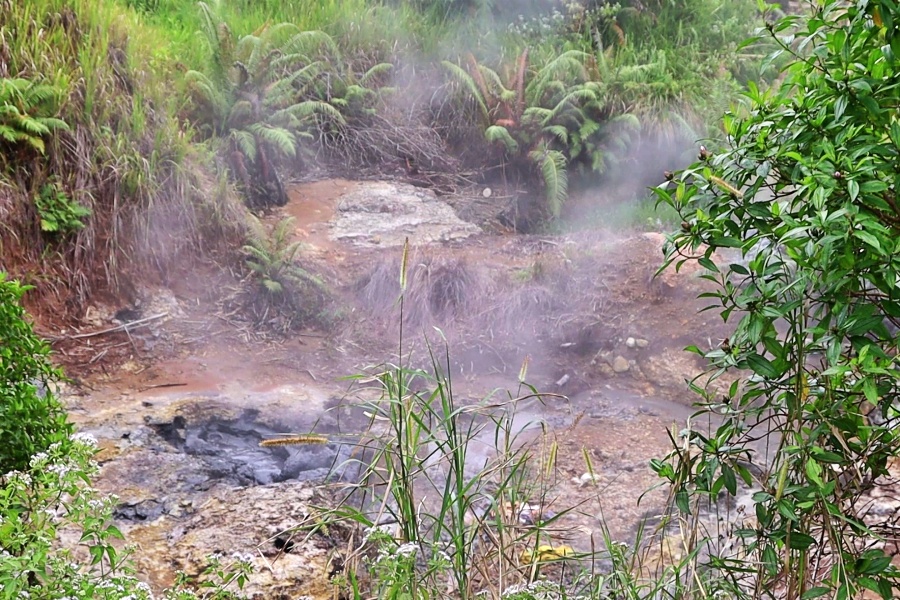
The physical landscape surrounding the Mataloko plant has undergone alarming changes that residents link directly to the drilling and extraction processes. Approximately 300 meters north of residential clusters, the earth has begun to vent its internal pressures in ways that were unseen prior to the project’s expansion. Hot mud eruptions have emerged from various fissures, accompanied by a pungent, overwhelming aroma of sulfur. These "manifestations," as they are technically termed, appeared on what was formerly productive community farmland.
In response to these eruptions, the operating company purchased the affected land from the villagers and erected bamboo fencing to restrict access. However, the environmental impact refuses to be contained by fences. Residents report that the ground near the eruptions is structurally weak and prone to collapse. The soundscape of the village has also changed; at night, the roar of geothermal vents and occasional subterranean "explosions" create an atmosphere of constant anxiety. The intensity of these phenomena has already forced some families to abandon their homes. One former residence, now a hollow foundation just 20 meters from a roaring mud vent, stands as a silent testament to the displacement of the Turetogo people, who have been forced to relocate to higher, more distant ridges.
The Chemical Toll: H2S Exposure and Infrastructure Decay
The most pervasive reminder of the plant’s presence is the smell of Hydrogen Sulfide (H2S) gas. While the industry often categorizes these emissions as manageable, the lived experience in Mataloko suggests a more insidious impact. Residents have become "accustomed" to the stench, but the biological and physical consequences are undeniable. Parents in the village report that their children frequently suffer from respiratory issues, describing a distinct "snoring" sound during sleep that they attribute to the constant inhalation of sulfurous fumes.
Beyond human health, the chemical composition of the air is accelerating the decay of local infrastructure. Krispianus Lewa, a resident of the area, noted that since the PLTP began operations, the cost of maintaining a home has skyrocketed. The gas emissions react with moisture to create a corrosive environment that eats through zinc roofing sheets at an unprecedented rate, causing them to rust and perforate within a fraction of their expected lifespan. Furthermore, the local water supply has not been spared. San Due, another villager, recounted how the nearby river, once a hub for bathing and domestic use, has become contaminated. The water is now frequently turbid with mud and chemicals, causing severe skin irritation and itching for anyone brave enough to use it.
Academic Findings and the Scale of Impact
The grievances of the Mataloko residents are supported by academic research that highlights the broader socio-environmental failures of the project. A study titled "Exclusionary Power in Geothermal Development in Ulubelu Village, Golewa District, Ngada Regency" by Andriana Natalia Wea and colleagues provides a sobering statistical overview of the damage. According to the research, a major technical failure occurred during the initial drilling of a 5-hectare plot in 2002. A leak led to uncontrolled blowouts of mud and hot gas, which devastated surrounding rice fields, plantations, and homes.
The study records that the impact of the PLTP Mataloko development extended across 11 villages, resulting in damage to approximately 1,579 houses. The researchers argue that the project has created a "geography of exclusion," where the local population bears the environmental and economic brunt of the development while being sidelined from the benefits and decision-making processes. The contamination of the air and water, combined with the loss of agricultural productivity, has fundamentally altered the social fabric of the region.
PLN’s Defense and Future Expansion Plans
In response to these mounting concerns, PT PLN (Persero) maintains that the project is a vital component of Indonesia’s national energy strategy. Bobby Robson Sitorus, Manager of Licensing and Communication for PLN IUP Nusra, explained that the current phenomena are part of the natural "geothermal manifest" of the region. He noted that the initial shallow drilling conducted by the Geological Agency in the early 2000s was intended to model the subterranean "geothermal stove." According to Sitorus, the current decline in pressure in some wells is why the plant is not yet operating at full capacity, necessitating deeper and more sophisticated drilling techniques.
PLN has confirmed plans to scale up the Mataloko facility to 20 MW. The company views this expansion as a pathway to energy self-sufficiency for the Ngada Regency, with the potential to export surplus power to neighboring districts such as Manggarai, which currently relies heavily on fossil fuels like diesel and coal. Sitorus emphasized that the land currently hosting the mud eruptions was legally acquired by PLN and is under constant monitoring via periodic inspections and drone surveillance. He further stated that the company has developed rigorous mitigation plans and Standard Operating Procedures (SOPs) for Health, Safety, and Environment (HSE), which will be supervised by the Directorate General of New, Renewable Energy, and Energy Conservation (EBTKE) under the Ministry of Energy and Mineral Resources.
Analysis: The Conflict Between National Goals and Local Realities
The situation in Mataloko represents a microcosm of the global tension between macro-level climate goals and micro-level environmental justice. Indonesia, situated on the "Ring of Fire," possesses approximately 40% of the world’s geothermal reserves. The government’s "Flores Geothermal Island" (FGI) initiative aims to make the island a global model for renewable energy. Under this plan, PLN is projecting a total geothermal capacity of 70 MW across NTT, including 40 MW at Ulumbu and 10 MW in Lembata, in addition to the 20 MW at Mataloko.
However, the "clean" label of geothermal energy is increasingly scrutinized when it results in the displacement of indigenous farmers and the destruction of local ecosystems. Unlike solar or wind, geothermal energy involves invasive sub-surface interventions that can trigger seismic activity, alter groundwater chemistry, and release heavy metals and toxic gases. In Mataloko, the lack of a comprehensive social safety net for those whose livelihoods have been destroyed by these "manifestations" has created a rift between the state and the citizenry.
The economic argument for geothermal energy—reducing reliance on expensive, imported fossil fuels—is sound at a national level. Yet, for the people of Golewa, the "savings" on diesel are invisible compared to the very real cost of buying vegetables they once grew for free or replacing a roof every few years. The transition to renewable energy in Indonesia faces a critical hurdle: ensuring that the "green" revolution does not replicate the extractive and exclusionary patterns of the fossil fuel era.
Conclusion and Outlook
As PLN moves forward with its 4-to-5-year plan to reach the 20 MW target in Mataloko, the residents of Turetogo remain in a state of precariousness. The promise of "Ngada Terang" (Bright Ngada) through geothermal electricity holds little luster for those living in the shadow of the vents. The community’s demand is clear: they seek recognition of the direct impacts they have suffered and a fundamental shift in how these projects are managed.
The future of Mataloko will likely serve as a litmus test for geothermal development across the Indonesian archipelago. If the government and PLN can successfully implement the promised mitigation strategies, compensate for the loss of agricultural productivity, and ensure the health of the local population, Mataloko could yet become a success story. However, if the current trend of environmental degradation and community marginalization continues, the Mataloko PLTP may instead stand as a cautionary tale of how the pursuit of clean energy can, if poorly executed, leave a trail of environmental and social devastation in its wake. For now, Andi Nawa and his neighbors continue to watch the horizon, where the steam of the "geothermal stove" rises over a landscape that is slowly losing its ability to sustain them.