Nila Kartika Wati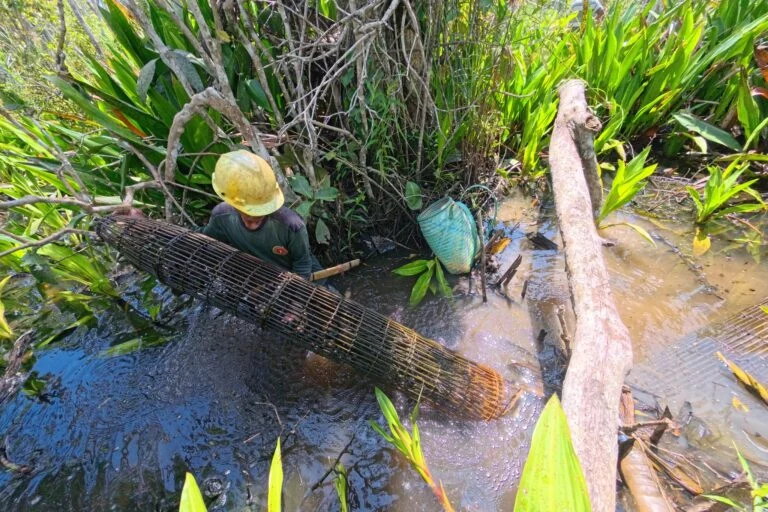
As the global climate crisis accelerates, the month of April has emerged as a critical period of observation for Indonesia, characterized by increasingly unpredictable weather patterns and a sharpening tension between industrial development and environmental preservation. Scientists have issued stern warnings regarding the onset of a "Godzilla" El Niño, a phenomenon expected to bring prolonged droughts and extreme heat to the archipelago, even as some regions continue to grapple with sudden, violent storms and waterspouts. This climatic volatility serves as a backdrop to a series of localized struggles across the nation, where the threats to the natural world are increasingly attributed to human intervention rather than natural cycles. From the slopes of Central Java to the coastal reaches of South Kalimantan, the events of this month highlight a complex interplay between community-led conservation, the legacies of environmental icons, and the systemic failures of corporate and state actors to protect the rights of vulnerable populations.
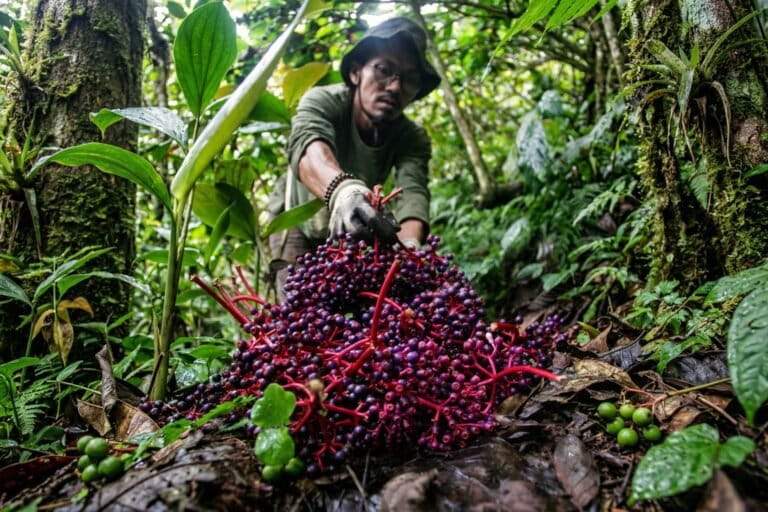
The intersection of cultural identity and ecological preservation is perhaps most vividly illustrated in the village of Colo, situated on the slopes of Mount Muria in Kudus, Central Java. Here, the parijoto fruit (Medinilla speciosa) has transitioned from a local curiosity to a cornerstone of regional identity and a tool for forest conservation. Unlike many cash crops that require the clearing of land, the parijoto is a shrub that thrives under the canopy of large, ancient trees. Local farmers have embraced a cultivation model that necessitates the preservation of the forest’s vertical structure, as direct sunlight can be detrimental to the plant’s growth. This symbiotic relationship ensures that the economic interests of the community are directly tied to the health of the Mount Muria ecosystem.
Historically, the parijoto fruit was largely symbolic, often associated with local myths regarding fertility and health. However, recent initiatives by the Kudus Regency Government have sought to formalize this connection. The government has officially registered the parijoto as a local genetic resource, a legal move intended to prevent biopiracy and provide a foundation for product diversification. Beyond raw fruit sales, the community is now exploring ecotourism, including "parijoto tracking" programs that allow visitors to experience the highland forests while learning about sustainable agriculture. Unlike coffee, which has a specific harvest season, parijoto can be harvested almost daily, providing a consistent income stream for villagers. This model of "conservation through utilization" offers a potential blueprint for other regions looking to balance economic development with the protection of biodiversity.
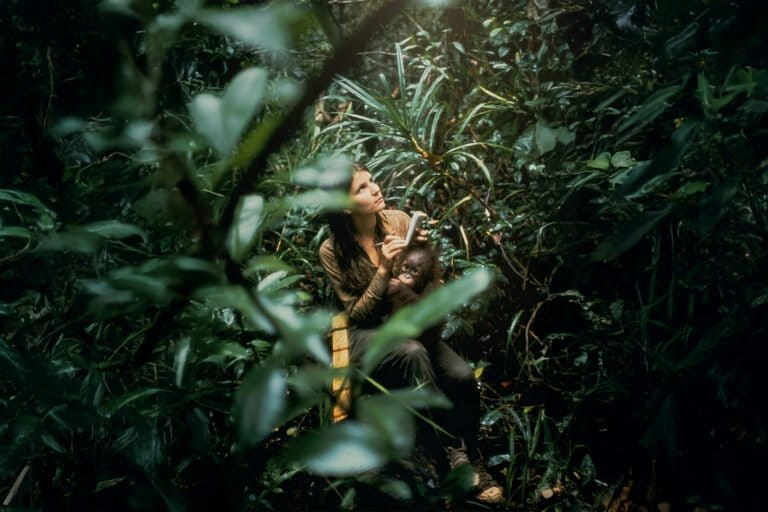
Further west, in the dense rainforests of Kalimantan, the legacy of Biruté Galdikas continues to provoke both admiration and debate within the global conservation community. As one of the "Trimates"—a trio of women chosen by paleoanthropologist Louis Leakey to study great apes in the wild—Galdikas has spent over five decades documenting and protecting the Bornean orangutan. Her vision for a "trans-Kalimantan wildlife corridor" remains one of the most ambitious conservation goals in Southeast Asia. The necessity for such a corridor has never been more urgent; the rapid conversion of primary forests into palm oil plantations and mining concessions has fragmented orangutan habitats, pushing the species toward the brink of extinction.
However, Galdikas’s methodology, particularly through the Orangutan Foundation International (OFI), has faced scrutiny. Critics within the scientific community argue that the rehabilitation models employed at sites like Camp Leakey may inadvertently "humanize" orangutans, making it difficult for them to reintegrate into the wild and potentially exposing wild populations to human diseases. Despite these academic tensions and past friction with the Indonesian government—which once threatened to revoke her research permits in Tanjung Puting—Galdikas remains a steadfast figure. Her work transcends mere biology; she frames the protection of the forest as a spiritual imperative. Her efforts to purchase and secure land to prevent corporate expansion reflect a proactive, albeit controversial, approach to preventing the total collapse of Kalimantan’s remaining wilderness.
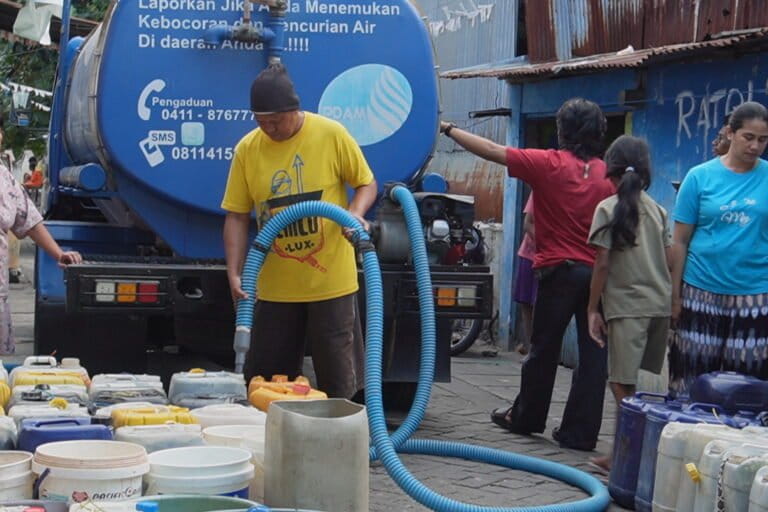
While Kalimantan deals with the loss of forest cover, the residents of Gunungkidul in Yogyakarta are confronting a more immediate existential threat: water scarcity. The region is famous for its karst topography, a geological formation characterized by porous limestone that allows rainwater to disappear rapidly into underground caves, leaving the surface parched. Traditionally, the government’s response to the perennial drought in Gunungkidul has been the construction of deep boreholes and the expensive deployment of water tank trucks. However, these methods are often criticized as "band-aid" solutions that fail to address the root of the problem and are frequently unsustainable due to the high energy costs of pumping water from great depths.
In response, the community of Balong in the Girisobo district has turned to an ancient yet modernized solution: rainwater harvesting. Through the "Rainwater School" (Sekolah Air Hujan), residents have been trained to install hygienic filtration systems that capture and store precipitation during the rainy season. To date, the village has successfully collected approximately 5 million liters of water, an amount sufficient to meet the drinking needs of all 4,003 residents throughout the dry season. Despite the success and low cost of this decentralized system, it has received minimal support from local authorities. The government’s preference for centralized infrastructure projects like PDAM (state water company) pipelines often overlooks the efficiency of community-led initiatives that are better suited to the specific geological constraints of karst landscapes.
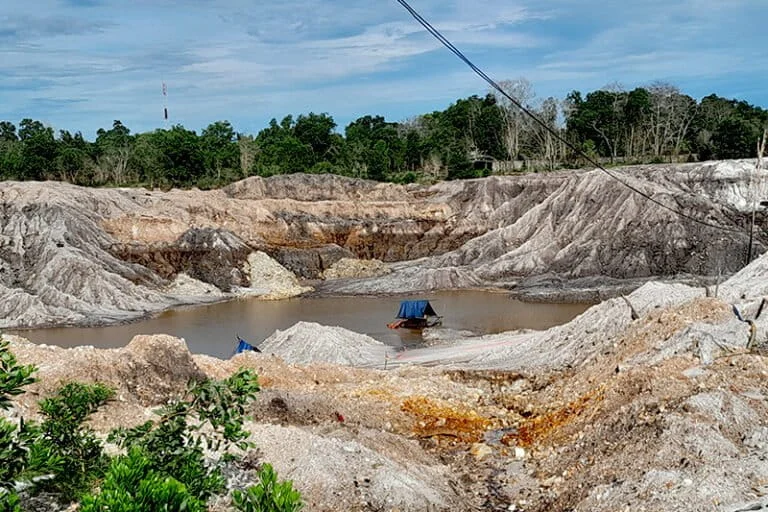
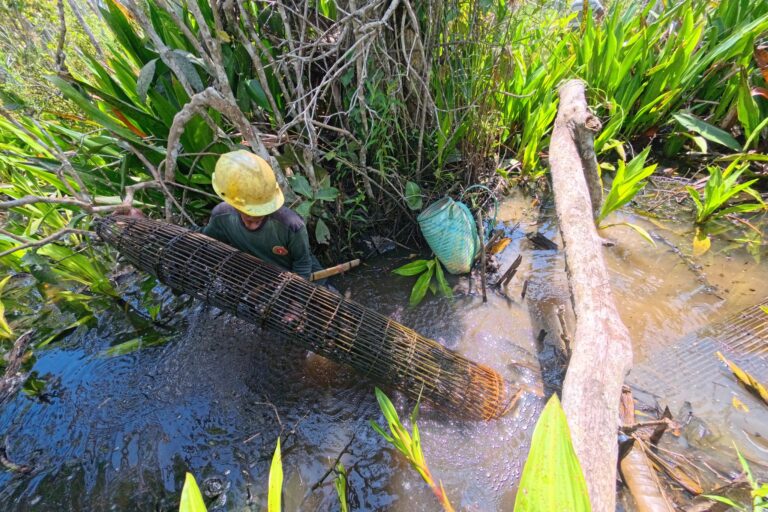
The struggle for resource sovereignty is also playing out in Kotabaru, South Kalimantan, where the expansion of coal mining is devastating the livelihoods of traditional farmers and fishermen. The operations of PT Sebuku Sejaka Coal (SSC) have led to the significant alteration of local river systems. For the fishermen of the region, who rely on "lukah" (traditional bamboo traps), the diversion and pollution of these waterways have resulted in a sharp decline in fish stocks. Simultaneously, farmers report that the construction of company embankments has disrupted natural drainage, causing their agricultural lands to become frequently inundated with runoff.
While PT SSC has implemented Corporate Social Responsibility (CSR) programs, such as the "Desa Mitra Mandiri" (Independent Partner Village) initiative, affected residents argue that these programs are superficial. The provision of infrastructure and small amounts of seed capital for new businesses does little to compensate for the permanent loss of fertile land and clean water. From a socio-economic perspective, these CSR efforts are often viewed as a mechanism to dampen social unrest rather than a genuine attempt to remediate environmental damage. The situation in Kotabaru serves as a stark reminder that the transition to "development" often comes at the expense of the very natural resources that have sustained local populations for generations.
The systemic nature of these environmental conflicts is further underscored by a recent report from the Human Rights Study Center at the Islamic University of Indonesia (Pusham UII). The research highlights significant human rights violations associated with geothermal energy projects, specifically in the Tandikat-Singgalang region of West Sumatra and the Dieng plateau in Central Java. Geothermal energy is frequently promoted as a "green" alternative to fossil fuels, yet the report suggests that the implementation of these projects often mirrors the extractive logic of the mining industry.
According to the Pusham UII findings, geothermal developers have consistently failed to obtain Free, Prior, and Informed Consent (FPIC) from local communities. The planning stages of these projects often exclude the voices of those most affected, particularly women and marginalized groups whose roles in the collective life of the village are deeply tied to the land. The research indicates that the state has been negligent in its duty to protect citizens, often prioritizing national energy targets over the fundamental rights of local inhabitants. In response to these findings, Pusham UII has issued seven specific demands to the Indonesian government, calling for a total re-evaluation of geothermal policy to ensure it aligns with international human rights standards and respects the cultural and ecological integrity of the affected regions.
The various narratives emerging from Indonesia this April reveal a nation at a crossroads. On one hand, there is a clear movement toward grassroots resilience, as seen in the parijoto farmers of Kudus and the rainwater harvesters of Gunungkidul. These communities are demonstrating that adaptation to climate change is possible through the marriage of local wisdom and low-tech innovation. On the other hand, the persistent drive for industrial expansion—whether through coal mining in Kalimantan or geothermal development in Sumatra—continues to generate significant social and environmental friction.
The broader implication of these stories is that environmental protection cannot be decoupled from human rights and social justice. The "Godzilla" El Niño serves as a catalyst, exposing the vulnerabilities created by decades of unsustainable resource management. As the climate becomes more extreme, the margin for error narrows. The success of Indonesia’s climate adaptation strategy will likely depend not on large-scale engineering projects, but on the government’s willingness to listen to the "vulnerable voices" that are currently being sidelined. Whether it is the preservation of a small purple fruit on a mountainside or the protection of a vast rainforest corridor, the common thread is a demand for a more equitable relationship between humans and the natural world. Without a fundamental shift in how the state and corporations engage with local communities and ecosystems, the "unpredictable seasons" of the future may lead to predictable disasters.