Nila Kartika Wati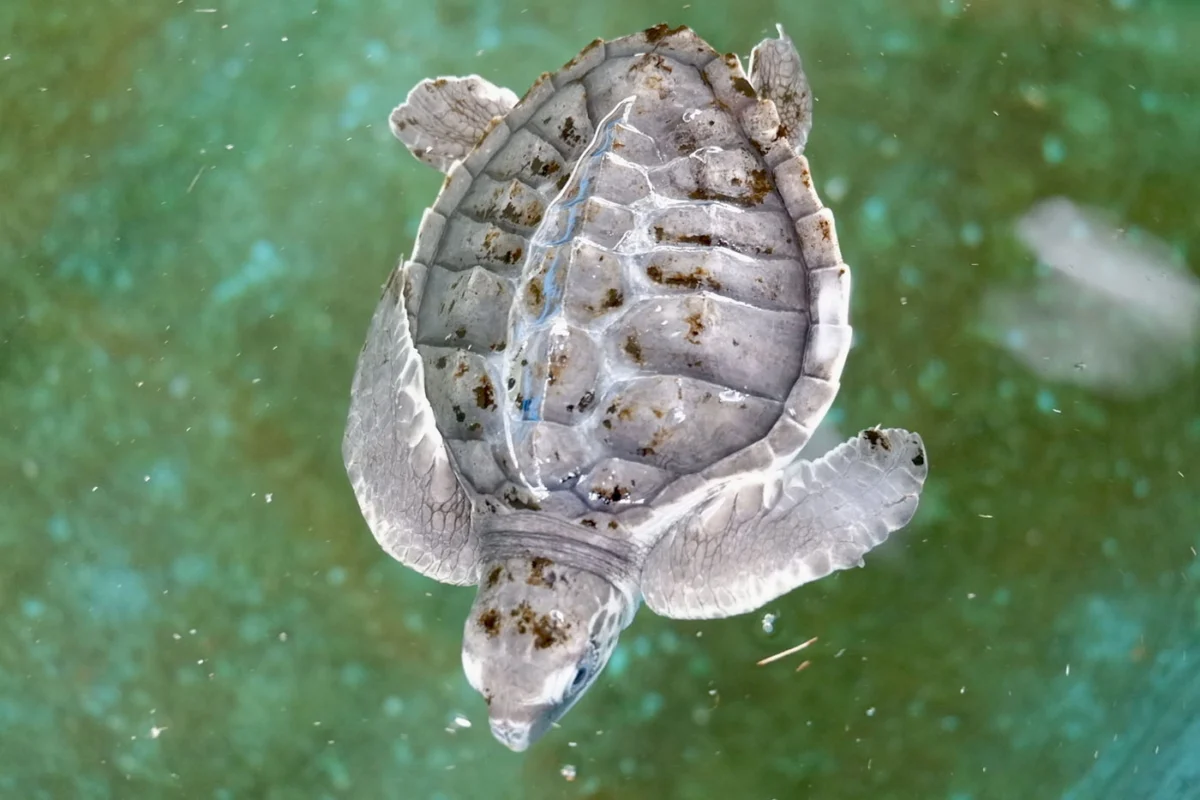
In the quiet coastal stretch of Cilacap, Central Java, a 33-year-old man named Jumawan carefully lifts a bucket of fresh, finger-sized fish. He is heading toward a specialized quarantine tank at the Nagaraja Turtle Conservation center. Inside the tank resides Patrick, a Hawksbill turtle (Eretmochelys imbricata) whose survival has become a symbol of the precarious balance between wildlife and human activity on Indonesia’s southern shores. Patrick’s journey reflects the broader struggle of marine conservation in a region where industrial development and traditional beliefs often collide with environmental protection.
The story of Patrick began three years ago when Jumawan received a batch of 90 Hawksbill turtle eggs from local fishermen. In a makeshift hatchery, Jumawan successfully incubated the eggs. While most of the hatchlings were released back into the wild at Sodong Beach in Karangbenda Village, Adipala District, Patrick proved to be an exception. Just one day after being released into the Indian Ocean, the young turtle washed back onto the shore, seemingly unable to navigate the harsh currents or perhaps suffering from an undetected ailment. Choosing caution over risk, Jumawan decided to bring the turtle back into quarantine, where it has remained under his care until it is deemed physically and behaviorally ready for a second chance at life in the open sea.
"Releasing a turtle that has been raised in captivity is not a simple matter of letting it go," Jumawan explained during an interview on April 11, 2026. As the chairman of the Nagaraja Turtle Conservation Group, he emphasizes that the transition from a controlled environment to the wild requires the animal to have sufficient strength and natural instincts. His work, however, extends far beyond caring for a single turtle; it is a full-time battle to preserve a lineage that has existed for millions of years but now faces the very real threat of extinction.
The Biological Significance of the Hawksbill and Its Kin
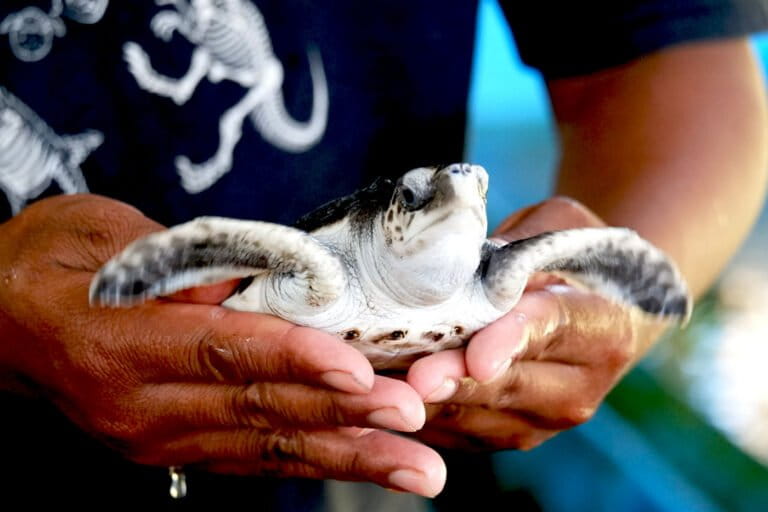
The Hawksbill turtle is one of seven sea turtle species globally, and it is perhaps the most striking due to its patterned shell and hawk-like beak. An adult can grow up to one meter in length and weigh as much as 80 kilograms. These creatures are primarily found in the tropical waters of the Indian, Pacific, and Atlantic Oceans, with the southern coast of Java serving as a critical nesting ground. Despite their wide range, their numbers are plummeting. Global estimates suggest that only 15,000 to 25,000 nesting females remain annually. The species is currently classified as Critically Endangered on the IUCN Red List, a status driven by habitat loss, the illegal tortoise-shell trade, and the overarching shadow of the climate crisis.
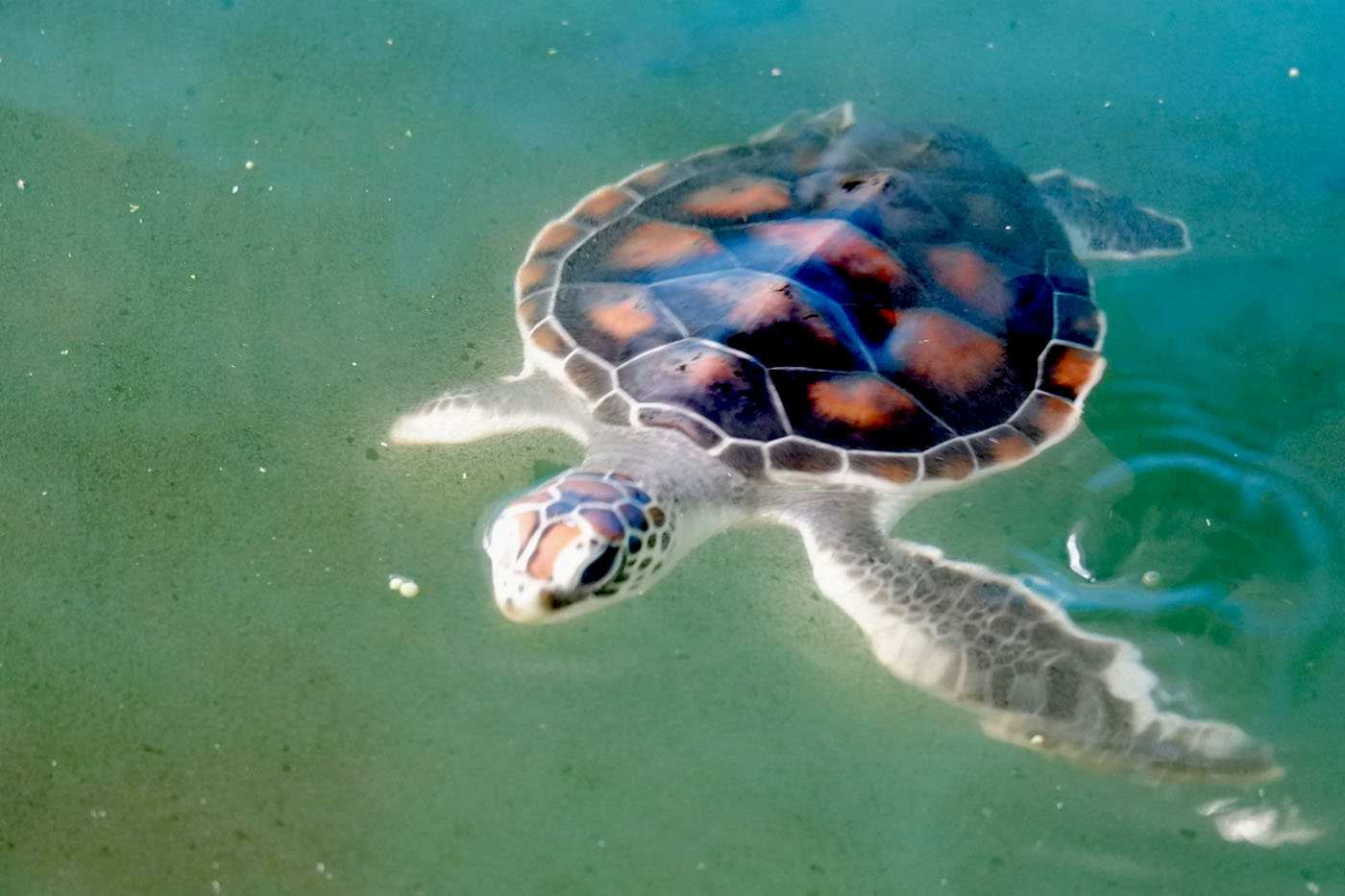
In addition to the Hawksbill, Jumawan’s conservation efforts in Cilacap cover other vital species. He currently oversees the growth of one Olive Ridley turtle (Lepidochelys olivacea) and two Green turtles (Chelonia mydas), all of which hatched last year. While the Olive Ridley is listed as Vulnerable and the Green turtle is often categorized as Endangered (though some regional populations are listed as Least Concern), all sea turtles in Indonesia are strictly protected under national law, specifically Government Regulation No. 7 of 1999 and Ministry of Environment and Forestry Regulation No. P.106 of 2018.
A Chronology of Grassroots Conservation
Jumawan’s journey into the world of marine biology was not born of academic training but of a deep-seated concern for his local environment. He began patrolling the beaches for turtle eggs in 2019. At the time, the situation on Cilacap’s beaches was grim. Local residents frequently raided turtle nests, driven by a long-standing myth that consuming turtle eggs could enhance physical stamina and adult vitality. These eggs were openly sold in local markets and even on social media platforms like Facebook for as little as Rp3,000 to Rp5,000 (approximately $0.20 to $0.35) per egg.
In the early days, Jumawan operated entirely on his own funds. He would often buy eggs from the very people who had stolen them from the beach, effectively "ransoming" the unborn turtles to ensure they were given a chance to hatch. "I once bought 50 eggs from a post on Facebook just to make sure they weren’t eaten. We hatched them and released the hatchlings," he recalls.
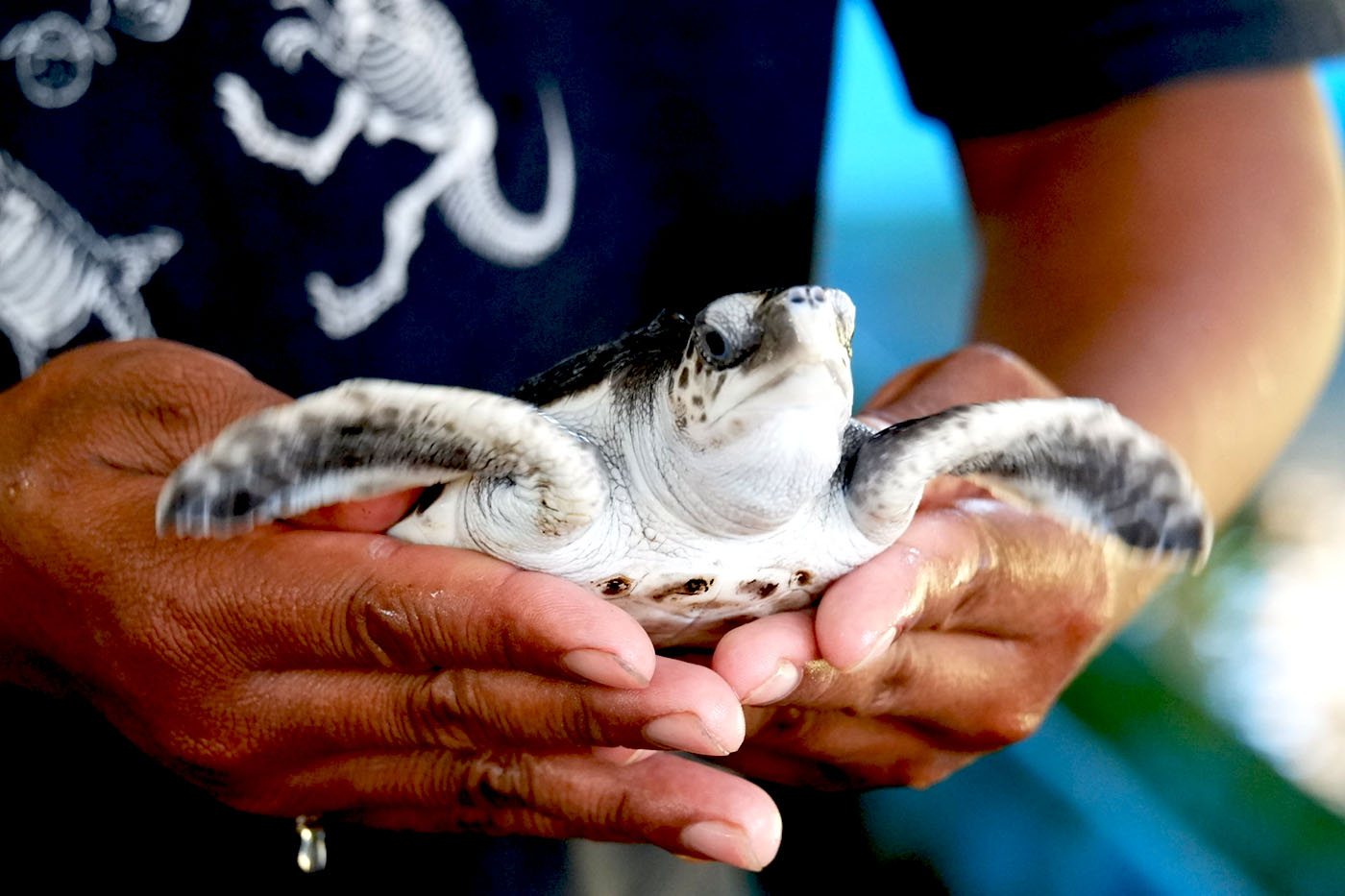
By late 2019, his solitary efforts evolved into the Nagaraja Turtle Conservation Group. The group established a dedicated conservation area that doubles as an educational hub. Today, the center hosts students, researchers, and tourists, operating on a donation-based model. There is no fixed entry fee; instead, visitors are encouraged to contribute what they can to cover the costs of fish, water filtration, and beach patrols. This transition was necessary as the scale of the operation grew beyond what one man’s pocket could sustain.
The Ecological Requirements of Nesting Grounds
The success of turtle conservation is intrinsically linked to the health of the coastal ecosystem. Through years of observation, Jumawan has identified three primary nesting "hotspots" around Sodong Beach. A successful nesting site requires specific coastal vegetation to provide shade and protection.
The presence of Sea Pandan (Pandanus tectorius), Coconut trees (Cocos nucifera), Beach Morning Glory (Ipomoea pes-caprae), and Beach Spinifex (Spinifex littoreus) is essential. "The Pandan trees ensure the sand doesn’t get too hot while the mother is laying her eggs," Jumawan explains. "The Spinifex grass, which looks like a sea urchin, provides a natural hiding spot for hatchlings. Its thorny leaves protect the young turtles from predators as they make their first run toward the ocean."
On average, a single nest contains about 116 eggs. However, biology is a game of numbers and survival. Research from Airlangga University indicates that even under ideal conservation conditions, the hatching success rate hovers around 70%. Factors such as fluctuating sand temperatures, microbial infections (specifically from Fusarium spp. fungi), and human interference play significant roles in determining how many hatchlings actually emerge.
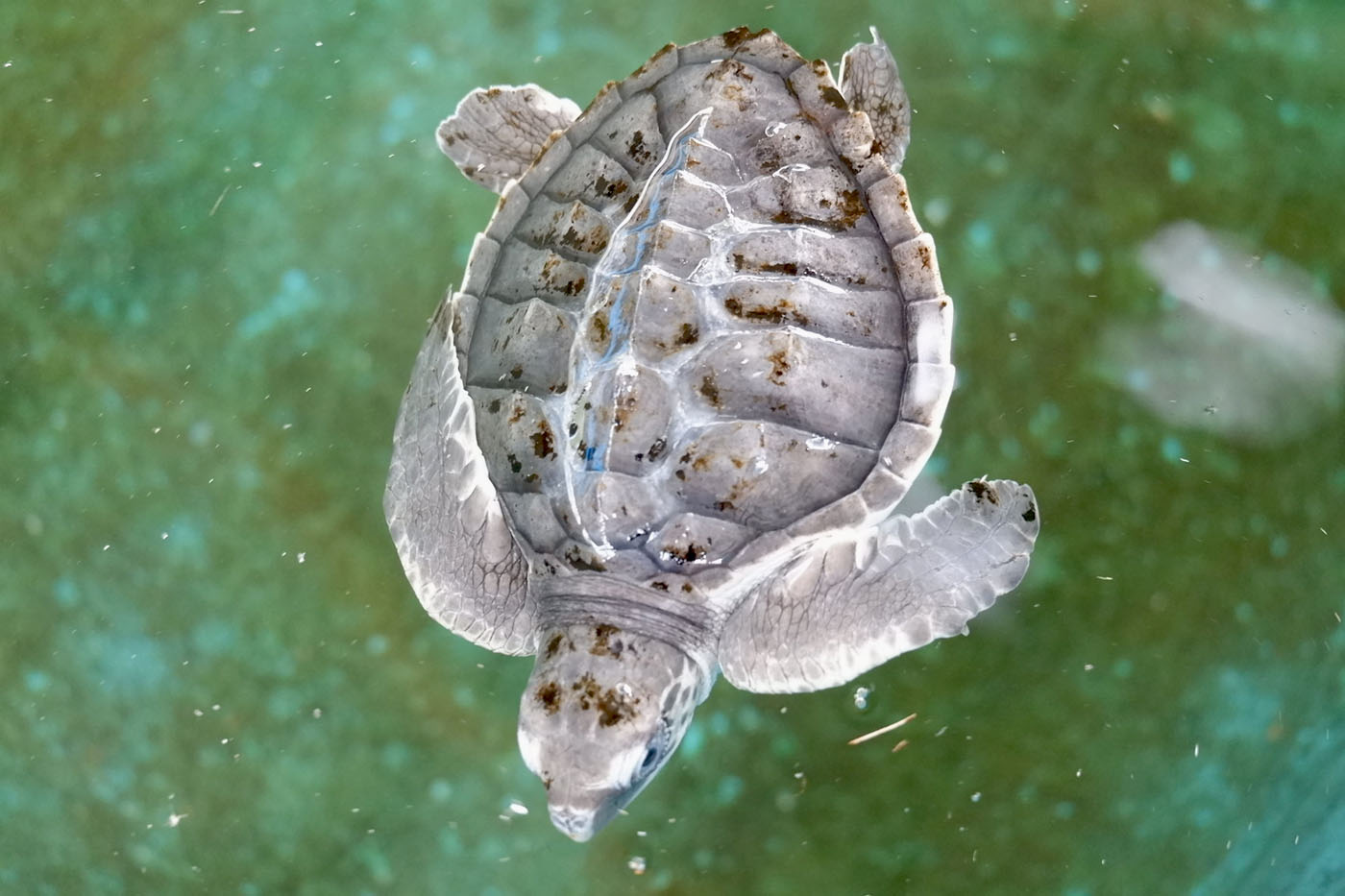
The peak nesting season in Cilacap occurs between June and July, coinciding with the dry season when sea levels are relatively stable. Turtles typically emerge from the surf during the highest tide of the night, spending 45 to 70 minutes meticulously digging a hole and depositing their eggs before returning to the sea.
Industrial Threats and the "Shrimp Estate" Dilemma
While poaching remains a concern, a more modern and systemic threat has emerged: industrial coastal development. The rise of large-scale shrimp farms, often referred to as "shrimp estates," has introduced significant environmental stressors to the region. In many cases, these farms lack proper Wastewater Treatment Plants (IPAL), leading to the direct discharge of chemical-laden water into the ocean.
"The pollution from these farms is a major worry," Jumawan notes. "Furthermore, turtles are extremely sensitive to light and noise. If a beach is illuminated by bright industrial lights or crowded with human activity, a mother turtle will simply turn back and refuse to nest." This phenomenon has already been observed in neighboring Kebumen, where the expansion of shrimp farms has led to a noticeable decline in Olive Ridley landings.
Scientific Perspectives and Global Challenges
The struggle in Cilacap is mirrored by global data. Mujiyanto, a researcher at the National Research and Innovation Agency (BRIN), identifies three primary challenges to turtle survival: habitat degradation, bycatch, and the climate crisis.
-
Habitat Degradation: Coastal erosion (abrasion), tidal flooding, and artificial lighting significantly reduce the success of nesting. According to Mujiyanto’s research, the loss of coastal vegetation disrupts the thermal stability of the nests. Since the sex of a turtle is determined by the temperature of the sand, rising temperatures are leading to a dangerous "feminization" of the population, where fewer males are born, threatening the long-term genetic viability of the species.
-
The Peril of Bycatch: One of the largest causes of human-induced mortality for sea turtles is accidental capture by fishing gear, known as bycatch. Research published in Fisheries Research highlights that longline and gillnet vessels often operate in the same horizontal and vertical zones as turtles. A study in the Northeast Atlantic tracked Portuguese longline vessels and found that they accidentally captured hundreds of turtles, particularly Loggerheads and Leatherbacks, due to overlapping migratory paths.
-
Climate Change: Beyond sex ratios, the climate crisis increases the frequency of extreme storms and sea-level rise, which can physically wash away nesting beaches. Increased sand temperatures can also reach a "lethal limit," where embryos simply die before they can develop.
Implications and the Path Forward
The work being done at Nagaraja is a microcosm of the global effort to save marine biodiversity. The survival of species like the Hawksbill turtle depends on a multi-faceted approach that includes local grassroots patrolling, scientific monitoring, and stricter industrial regulations.
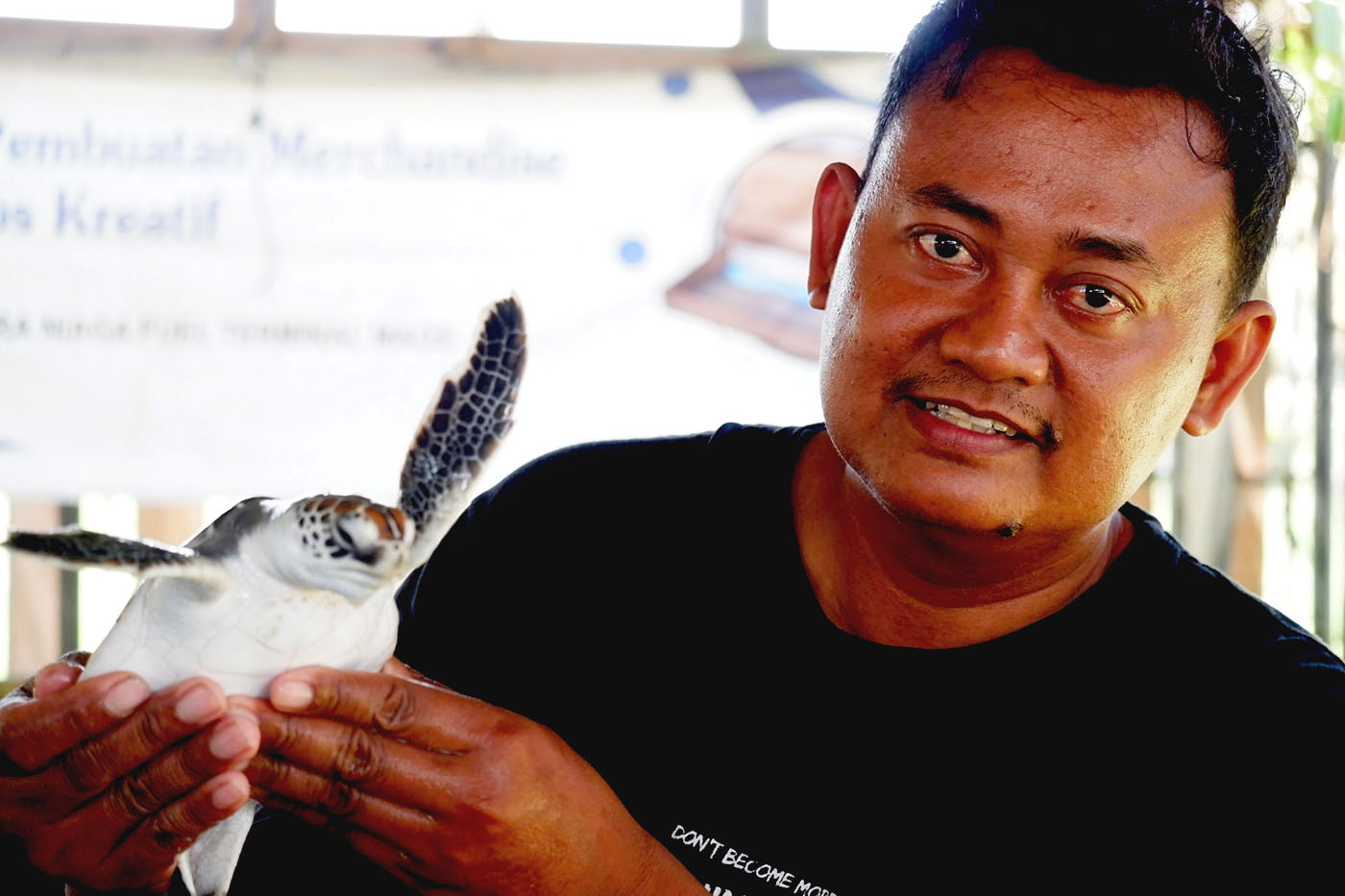
The implications of losing these "gardeners of the sea" are profound. Sea turtles play a vital role in maintaining the health of seagrass beds and coral reefs. Hawksbill turtles, specifically, feed on sponges that would otherwise overgrow and suffocate coral colonies. Without them, the marine ecosystems that support local fisheries would eventually collapse.
For Jumawan and his team, the mission continues one patrol at a time. The goal is not just to hatch eggs but to ensure that the beaches of Cilacap remain a sanctuary where the ancient ritual of the turtle’s return can continue for generations. As Patrick grows stronger in his tank, the hope is that he will eventually return to an ocean that is cleaner, darker, and safer than the one he left.
The story of Nagaraja serves as a reminder that while the challenges are global, the solutions often begin with the dedication of individuals who refuse to let a species disappear on their watch. The integration of community-led conservation with government policy and scientific research remains the only viable path to ensuring that the southern coast of Java remains a living, breathing part of the world’s natural heritage.