Nila Kartika Wati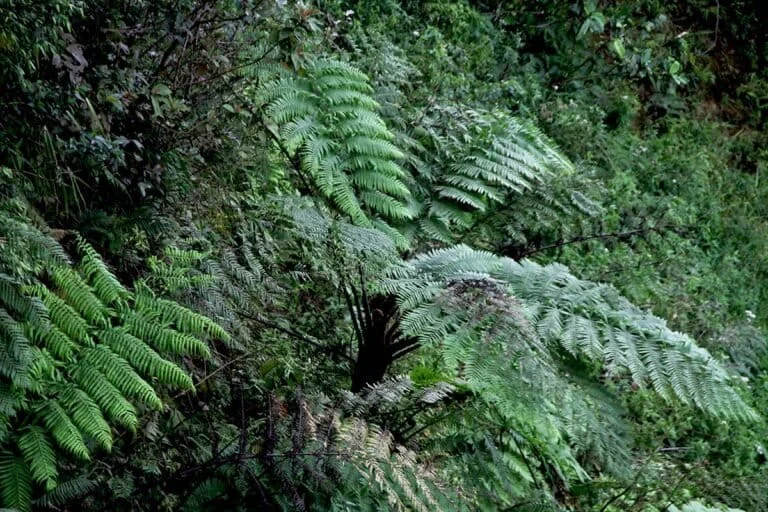
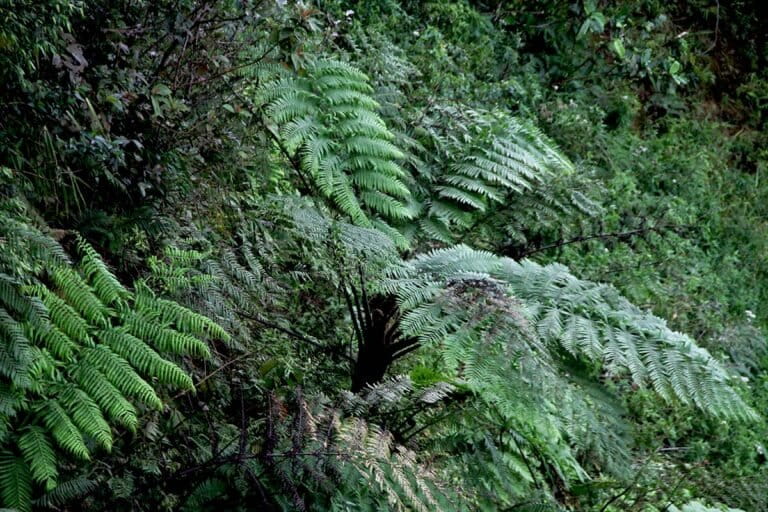
Deep within the verdant canopy of the Mount Muria forest in Central Java, a quiet ecological tragedy is unfolding, hidden beneath the thick mist and rugged terrain. The Monkey Tail Fern, scientifically known as Cibotium barometz, was once a ubiquitous sight across the slopes of this dormant volcano. Today, however, this ancient plant species is facing a precarious future. Once disregarded as a mere wild shrub, it rose to fame in the late 20th century, fueled by a combination of horticultural trends and local superstitions. Now, as the population of these ferns continues to dwindle in their natural habitat, conservationists and researchers are sounding the alarm, calling for urgent intervention to save a species that serves as a vital indicator of the forest’s health.
The decline of the Monkey Tail Fern is not a recent phenomenon but the result of decades of unchecked exploitation. Teguh Budi Wiyono, the 51-year-old chairman of the Muria Conservation Activists Foundation, known locally as Peka Muria, has witnessed the transformation of the forest over the years. He recalls a time when the plant was abundant, yet its very uniqueness became its downfall. In the 1990s, a wave of interest in ornamental plants swept across Indonesia, and the Monkey Tail Fern found itself at the center of a commercial storm.
The Legacy of Exploitation: From Myth to Market
The exploitation of Cibotium barometz was driven by two primary factors: its aesthetic appeal and a peculiar local belief. The fern’s rhizome, covered in soft, golden-brown hairs that resemble the tail of a monkey, became a sought-after item in the ornamental plant market. Beyond its looks, the inner part of the plant, which features intricate, wood-like patterns, was marketed as "kayu tolak tikus" or mouse-repellent wood. This superstition suggested that placing a piece of the fern’s trunk in a home or granary would ward off rodents, leading to a massive surge in demand.
According to Teguh, the extraction of the fern during the 1990s was massive and largely unregulated. "It should never have been utilized on such a scale, but because the phenomenon was so large and there were no restrictions at the time, people just took them. They even harvested the young plants," Teguh explained during a recent interview in April 2026. The extraction process was destructive; the golden hairs were often used as a styptic to stop bleeding in traditional medicine, while the trunks were sliced for their decorative patterns or used as a growing medium for orchids.
This period of "green gold" fever saw local communities entering the forest in droves, harvesting the ferns without any consideration for the plant’s slow growth cycle or the long-term health of the ecosystem. While the peak of the trend eventually subsided, the damage to the population was already done. Today, finding a mature Monkey Tail Fern in the wild has become increasingly difficult. "Back then, they were easy to find. Now, they have significantly decreased," Teguh noted.

The Biological Reality: A Slow-Growing Giant
The vulnerability of the Monkey Tail Fern is deeply rooted in its biology. Fairuzia Fazat, a researcher and tutor at the Faculty of Science and Technology at the Open University (Universitas Terbuka), has conducted extensive studies on the flora of Mount Muria. Her research highlights that Cibotium barometz is a remarkably slow-growing species. In natural conditions, it takes between three to five years for a spore to develop into a mature plant, provided it has the perfect environment of deep shade and high humidity.
"This plant thrives in the shade of large trees with humidity levels between 60 to 90 percent," Fairuzia stated. In Southeast Asia, its habitat typically ranges from 80 to 800 meters above sea level (masl), though it can occasionally be found at altitudes as high as 1,600 masl. In the Mount Muria region, the remaining populations are mostly concentrated in steep, inaccessible areas or within primary forest fragments above the 800-meter mark.
The biological significance of the Monkey Tail Fern extends beyond its growth rate. Scientifically, the plant is a treasure trove of bioactive compounds. Research has identified over 100 active substances within the fern, including phenolics, flavonoids, and triterpenoids, which possess potent antioxidant properties. This makes the plant not only an ecological asset but also a potential resource for pharmaceutical research, further underscoring the need for its preservation.
Ecological Roles: The Bio-Indicator of Water Sources
One of the most critical aspects of the Monkey Tail Fern is its role as an ecological indicator. For the people living on the slopes of Mount Muria, the presence of these ferns is synonymous with the presence of water. "If there is a fern, there is a spring nearby," Teguh Budi Wiyono remarked, echoing a piece of traditional wisdom that has scientific merit.
The fern plays a vital role in maintaining soil moisture and stabilizing the forest floor’s microclimate. By growing in the damp understory, it helps prevent soil erosion on the steep slopes of the mountain and contributes to the overall moisture retention of the forest ecosystem. When these ferns are removed, the soil becomes more prone to drying out, which can eventually lead to the degradation of local water sources. Mount Muria serves as a vital water tower for the surrounding regencies of Kudus, Pati, and Jepara; therefore, the loss of any species that supports the hydrological cycle is a direct threat to the regional water security.
Furthermore, the fern is an integral part of the forest’s biodiversity. A healthy forest is defined by its diversity, where different species live in a symbiotic relationship. The Monkey Tail Fern provides a microhabitat for various insects and microorganisms, contributing to the complex web of life that sustains the Muria forest.
Regulatory Hurdles and Enforcement Challenges
From a legal perspective, the Monkey Tail Fern is protected under Indonesian forestry law, particularly when it is located within state-owned forest areas. Teguh Jumadiyanto, the Head of the Ternadi Forest Management Resort (RPH) under the Pati Forest Management Unit (KPH), emphasized that any form of unauthorized harvesting is illegal.
"If there is no permit, it is illegal. Extraction is only permitted for research purposes," Jumadiyanto stated. He referred to national regulations that mandate permits for the utilization of any resources within forest zones. Violators can face criminal charges, including imprisonment and heavy fines. However, the reality of enforcement is fraught with difficulties.
The primary challenge lies in the sheer scale of the territory. Mount Muria covers thousands of hectares of rugged terrain, while the number of forest rangers available to patrol the area is severely limited. "Those who take the ferns often do so in secret, hiding their activities from our patrols," Jumadiyanto admitted. While Perhutani (the state forestry company) conducts routine patrols and socializes conservation laws with local communities, the vastness of the forest makes total surveillance an impossible task.
The Shifting Landscape of Threats
While the direct exploitation for "mouse-repellent wood" has decreased, new threats have emerged. Fragmented habitats due to agroforestry are a major concern. The expansion of coffee plantations and other agricultural activities on the slopes of Mount Muria has pushed the fern into smaller and more isolated pockets of the forest. This fragmentation limits the plant’s ability to reproduce and spread its spores, leading to a genetic bottleneck that could further weaken the population.
Teguh Budi Wiyono also pointed out that while the pressure on Mount Muria has lessened slightly, the exploitation has not stopped; it has merely moved. "The practice of harvesting has shifted to other regions. Exploitation hasn’t truly ended; it has just changed locations," he warned. As long as there is a market for these plants, whether as ornamental pieces or for their purported medicinal properties, the wild populations will remain at risk.
A Path Forward: Community and Science
Despite the grim outlook, there are signs of hope. A growing movement of community-based conservation is taking root in the villages surrounding Mount Muria. Several villages have begun to establish unwritten "local laws" or social agreements to protect their forests. These regulations often include bans on hunting and the extraction of rare plants like the Monkey Tail Fern.
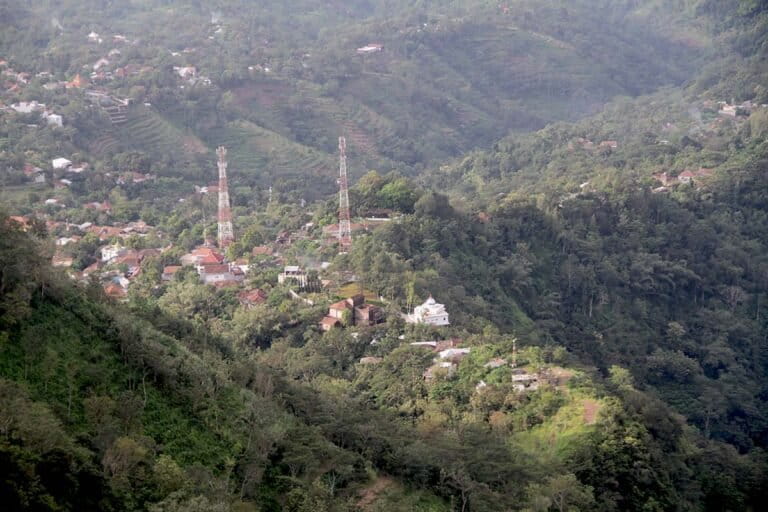
"In several areas, announcements have been posted. If anyone is seen coming down from the forest carrying these ferns, the community starts to monitor them," Teguh Budi Wiyono said. Peka Muria is actively involving the younger generation in these efforts, promoting a philosophy of "use sparingly, care for the rest." By educating the youth about the ecological value of the fern, conservationists hope to create a long-term culture of stewardship.
On the scientific front, the National Research and Innovation Agency (BRIN) has been working on biotechnological solutions to reduce the pressure on wild populations. Through tissue culture and advanced cultivation techniques, researchers have successfully accelerated the growth of Cibotium barometz seedlings. Under intensive cultivation, the growth cycle can be shortened to 1.5 to 3 years. This breakthrough offers a sustainable alternative for the ornamental plant market, allowing commercial demand to be met through nursery-grown plants rather than wild-harvested ones.
Conclusion: The Balance of Nature and Human Need
The story of the Monkey Tail Fern at Mount Muria is a microcosm of the global biodiversity crisis. It illustrates how a combination of cultural myths, market demand, and a lack of regulation can push a resilient species to the brink of local extinction. However, it also demonstrates the power of community awareness and scientific innovation in turning the tide.
The preservation of the Monkey Tail Fern is not merely about saving a single plant species; it is about protecting the integrity of the Mount Muria ecosystem. As a guardian of the mountain’s water sources and a pillar of its biodiversity, the fern’s survival is inextricably linked to the well-being of the human communities that depend on the mountain. To ensure that the "monkey tails" continue to unfurl in the mist of Muria, a continued synergy between strict legal enforcement, scientific research, and grassroots community action is essential. The forest remains sustainable only when its inhabitants—both human and flora—live in a balance that supports the life of all.