Lina Irawan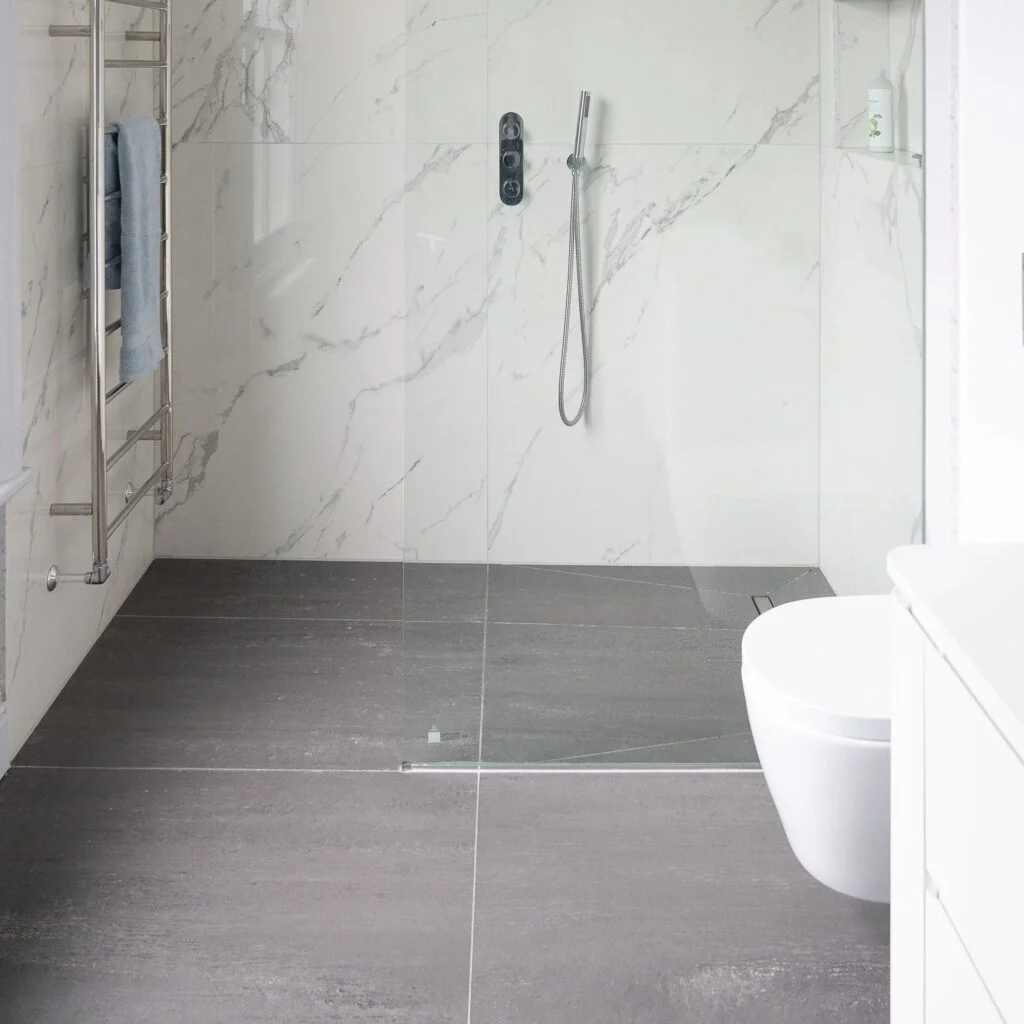
Purchasing bathroom tiles demands exceptional diligence, a process often underestimated by homeowners. The critical nature of this decision stems from the bathroom being the most consistently wet area in a home, making material choice paramount for safety, longevity, and aesthetic appeal. InteriorDesign.ID emphasizes that a reliable distributor should offer physical samples, possess in-depth knowledge of coarse-textured flooring specifications, and assist in calculating necessary reserve stock. Furthermore, honesty regarding a product’s water absorption rate is a non-negotiable trait for any reputable tile vendor.
The consequences of selecting inappropriate materials from an unreliable seller can be severe, potentially endangering family members due to excessively slippery surfaces. Relying solely on online catalogs, which can often misrepresent a product’s true appearance and texture, is a common pitfall. Direct engagement with experts at a physical store provides invaluable assurance regarding the actual texture and precise technical specifications of the tiles. This hands-on approach ensures that the chosen materials meet both functional and safety requirements, mitigating risks associated with improper selection.
The Indispensable Role of Professional Tile Retailers
A professional tile retailer transcends the role of a mere vendor; they function as technical consultants, prioritizing the safety and functionality of wet spaces over fleeting visual trends. Their expertise is evident in their ability to articulate the fundamental differences between materials like porcelain and standard ceramic, substantiating their claims with technical data. For instance, understanding the nuances of Coefficient of Friction (COF) or water absorption rates is crucial for informed decision-making.
While online platforms offer convenience and often competitive pricing for building materials, the risk of acquiring defective products or tiles with misrepresented specifications is significantly higher if the seller’s track record is not rigorously verified. Industry experts widely concur that partnering with a retailer of high repute is a critical safeguard for any home renovation project. According to data from various consumer safety organizations, slip-and-fall accidents in bathrooms constitute a significant portion of domestic injuries, underscoring the vital importance of anti-slip flooring. Choosing a professional retailer directly contributes to minimizing this risk.
A poor material choice can lead to substantial cost overruns due to premature wear, damage, or safety hazards necessitating expensive renovations. Credible retailers typically provide comprehensive warranties and transparent return policies, offering a crucial layer of consumer protection. Moreover, they often operate as authorized distributors for established brands, thereby shielding consumers from the proliferation of counterfeit or "grade B" products often peddled by unscrupulous sellers. Before committing to a purchase, prospective buyers are strongly advised to consult customer reviews, paying particular attention to feedback concerning how complaints are handled, which often provides a more accurate reflection of a store’s reliability than mere praise for low prices.
Defining Trust: Key Criteria for Reliable Tile Retailers
A thorough investigation into potential vendors is essential before making any purchasing decision. Professional building material stores adhere to several distinct standards. Firstly, the completeness and organization of their physical catalog within the showroom are indicative of their professionalism. A well-organized store will display products logically, often categorized by room function, rather than simply stacking them haphazardly in a warehouse. This meticulous arrangement facilitates easy differentiation between wall tiles and floor tiles, aiding the buyer’s selection process.

Secondly, the sales staff must possess profound technical understanding. They should be capable of explaining the Coefficient of Friction (COF) rating, a critical metric that quantifies a tile’s slip resistance, particularly vital for wet areas. This technical proficiency ensures that customers receive accurate, safety-driven recommendations.
Transparency in Quality and Specifications
An ethical tile retailer will not conceal product limitations merely to achieve sales targets. If a wall tile is deemed too slippery for floor installation, an honest staff member will unequivocally advise against its purchase for that purpose. Similarly, detailed information regarding a tile’s water absorption rate must be openly communicated to the buyer. Tiles with high absorption rates are susceptible to mold and mildew growth if installed in high-moisture areas like shower enclosures, potentially leading to costly future repairs or replacements. This commitment to transparency from the seller can ultimately spare homeowners significant expenses and inconvenience down the line, avoiding the disruptive and costly process of re-tiling.
Extensive Ceramic Series Selection
Large, reputable stores invariably offer a diverse collection of tiles encompassing various sizes, textures, and colors. This extensive selection empowers buyers to design interiors that truly reflect their personal taste and functional requirements. For instance, a residential bathroom often benefits from a warm and tranquil ambiance, a stark contrast to the sterile feel of a public restroom. Stores offering only standard motifs should be approached with caution. Earth-tone colors or natural stone patterns are particularly effective in creating a spa-like sanctuary within the home, aligning with contemporary interior design trends that prioritize comfort and natural aesthetics.
Assurance of Color Consistency (Tonality)
Variations in color between different boxes of tiles, known as tonality issues, represent a classic challenge in tile installation. These discrepancies are often a natural consequence of batch-to-batch variations in the manufacturing and firing processes. Professional distributors proactively address this by ensuring that all tiles for a single order are sourced from the same production batch code. It is incumbent upon the store to meticulously verify the production code on each package before shipment, preventing unsightly color variations that can mar the finished floor.
A Prudent Buyer’s Checklist Before Material Purchase
Once a promising retailer has been identified, several critical physical verification procedures must be undertaken before finalizing a purchase. This systematic approach helps ensure that the chosen tiles meet all expectations and requirements.

Request and Test Physical Samples
Never hesitate to request physical tile samples. Taking these samples home is crucial for assessing their true color under the specific lighting conditions of your bathroom. Tiles often appear different in a showroom due to specialized lighting. Place the samples on the floor during morning, afternoon, and evening hours to observe how their appearance changes throughout the day. A retailer reluctant to provide samples should raise a red flag, prompting consideration of alternative suppliers. This step is vital for avoiding buyer’s remorse based on misleading showroom presentations.
Direct Surface Texture Inspection
The texture of tiles intended for wet areas must be physically inspected by hand. Interior designers frequently recommend an even more rigorous test: dripping water onto the tile surface in the store and then rubbing it with a finger to assess its grip when wet. Matte, rustic, or embossed textures are the safest choices for preventing slips. Compromising on a smooth, potentially slippery texture, regardless of its luxurious appearance, is strongly advised against, given the inherent safety risks.
Calculate Reserve Stock (Wastage)
It is a common error to purchase only the exact amount of tiles required for the room’s area. Cuts made for corners or floor drains inevitably generate waste. Furthermore, there is always a risk of breakage during shipping or handling by installers. Always procure an additional 10% to 15% beyond the initial calculation. This surplus serves not only to cover installation waste but also as invaluable spare parts should any tiles become damaged years later, ensuring a seamless match for repairs.
Match Tiles to Specific Wet Areas
Different zones within a bathroom have varying safety requirements. The shower area, for instance, demands a higher level of slip resistance than the vanity area. For showering zones, specialized anti-slip flooring designed to break up soap and water puddles is highly recommended. Discussing the precise demarcation of dry and wet areas with the store staff is crucial to selecting appropriate tiles that maximize both safety and the lifespan of the flooring system.
Deciphering Safe Flooring Specifications

To avoid being swayed by sales pitches aimed at clearing old stock, it is beneficial to possess a basic understanding of technical tile terminology. Porcelain tiles generally offer superior performance compared to standard ceramic tiles due to their denser composition and significantly lower porosity, rendering them almost impervious to water. Ensure that the water absorption rate of the chosen tiles is below 0.5 percent to prevent dirty water from seeping in and causing permanent odors or unsightly stains. This technical specification is a cornerstone of long-term hygiene and durability.
Understanding Anti-Slip Ratings (R-Rating)
Many tiles feature an "R-Rating" on their packaging, which indicates their slip resistance based on the DIN 51130 ramp test. This scale ranges from R9 (least slip-resistant) to R13 (highly slip-resistant). For private residential bathrooms, an R10 or R11 rating typically strikes an optimal balance between safety and ease of cleaning. While R12 or R13 ratings offer exceptional grip, their highly textured surfaces can be uncomfortable under bare feet and tend to trap dirt more easily, requiring more intensive cleaning. The DCOF AcuTest (Dynamic Coefficient of Friction) is another critical measure, with a recommended value of 0.42 or greater for wet, level floors, as per ANSI A137.1 standards.
Tile Size and Grip Dynamics
Larger tiles result in fewer grout lines on the floor. However, grout lines inherently provide additional grip for bare feet and serve as channels for water runoff. Consequently, smaller tiles, such as mosaics or 20×20 cm tiles, are exceptionally well-suited for shower areas where maximum grip and efficient water drainage are paramount. If larger tiles, such as 60×60 cm, are preferred, it is imperative to select those with genuinely coarse textures and ensure the floor is installed with a steeper gradient to facilitate water flow and maintain safety.
Strategic Tile Coordination: Enhancing Bathroom Aesthetics
Combining different wall and floor tiles is an effective strategy for elevating a bathroom’s visual appeal. The fundamental rule remains simple: avoid installing thick, heavy floor tiles on walls, and never use smooth, slippery wall tiles for flooring.
Leveraging Color Contrast
A straightforward yet impactful design technique involves pairing dark-colored floor tiles with lighter-colored wall tiles. Dark floors effectively conceal dirt and grime, while lighter walls reflect light, creating an illusion of spaciousness and brightness. For smaller bathrooms, incorporating patterned tiles on just one accent wall can add visual interest without overwhelming the space. When using tiles of the same size, ensure that the grout lines of the floor and wall tiles align perfectly for a cohesive and professional finish.

Exploring Alternative Installation Patterns
For rectangular tiles (such as subway tiles), consider alternative installation patterns like herringbone or zig-zag. Diagonal patterns are particularly effective in narrow spaces, creating an optical illusion of a longer, wider room. Be aware that these intricate patterns typically require a higher percentage of wastage, so plan to purchase more reserve tiles. Utilize metal profiles or ceramic trim pieces to create clean, professional transitions between wet and dry areas and to neatly finish corners.
Crucial After-Sales Services to Inquire About
Before finalizing any purchase, it is imperative to clarify the retailer’s after-sales policies. Ensure the store has a clear return policy for factory defects. Reputable retailers generally provide a window of 1-3 days for customers to inspect the condition of the delivered goods. It is highly advisable to record a video of the unboxing process at home; this serves as valid proof in the event of chipped or damaged tiles. Claims for damage without video evidence are frequently rejected by store management.
Delivery Costs and Unloading Services
Always inquire about shipping costs: whether delivery is entirely free or limited to a certain radius. Crucially, confirm that the delivery personnel are contracted to unload the materials directly into your home or designated area, rather than simply leaving them by the roadside or outside the gate. Establish a written agreement regarding these logistics upfront to prevent unexpected budget escalations due to impromptu porter fees.
Common Pitfalls to Avoid During Renovation
Even with a reputable tile supplier, buyer-side errors can derail a renovation project. One of the most frequent mistakes is purchasing tiles in installments. If you return months later, the batch code for the desired color will almost certainly have changed, or the product may have been discontinued. It is strongly recommended to acquire all necessary materials simultaneously. If budget constraints are an issue, it is wiser to postpone the renovation than to end up with a mismatched, patchwork floor.
Resisting Clearance Sale Temptations

Tiles offered during clearance sales often consist of remnants that may exhibit inconsistencies in size, curvature, or slight variations in dimensions (e.g., millimeter differences). These non-uniform sizes can present significant challenges for installers, making it difficult to achieve consistent grout lines. The result is often an uneven, wavy floor surface where water can pool in corners, compromising both aesthetics and safety.
Overlooking Grout Color Selection
The visual appeal of even expensive tiles can be instantly diminished by an inappropriate grout color. Opt for grout that is either a similar shade to the tile or slightly darker. White grout on floor tiles, particularly in bathrooms, tends to discolor and blacken quickly due to dirt and moisture accumulation. Furthermore, utilizing grout mixed with anti-fungal agents (epoxy grout) can significantly ease bathroom cleaning and maintenance, providing a more hygienic and long-lasting finish.
By meticulously adhering to these guidelines, homeowners can navigate the complex process of selecting bathroom tiles with confidence, ensuring a safe, durable, and aesthetically pleasing outcome that enhances the value and comfort of their home for years to come.