Lina Irawan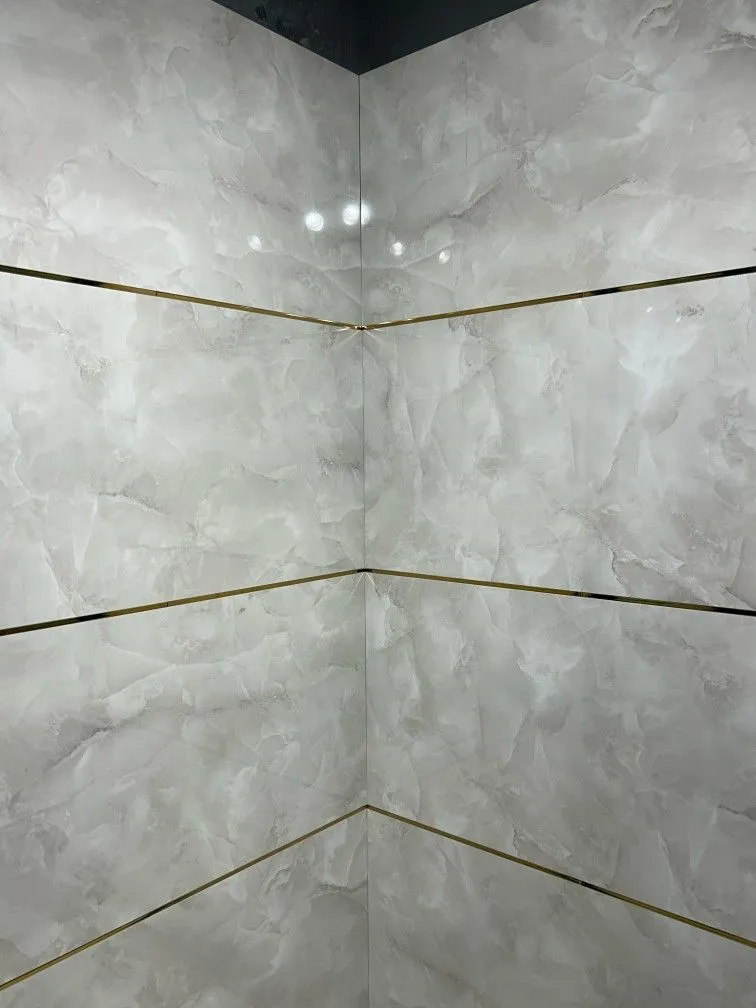
The Foundational Flaw of Traditional Grout
Traditional cement-based grout, while historically ubiquitous and cost-effective, possesses an inherent porosity that makes it susceptible to moisture absorption. This characteristic transforms grout lines into ideal breeding grounds for bacteria, mildew, and unsightly black mold, particularly in areas exposed to water, soap residue, and organic matter. The consequences extend beyond mere aesthetics; prolonged moisture ingress can degrade the underlying tile adhesive, compromise subfloor integrity, and contribute to an unhygienic environment. In contrast, epoxy resin grout forms an impenetrable, non-porous barrier, akin to a solid plastic layer. This advanced material effectively seals tile joints, repels stains from oils and chemicals, and resists shrinkage, offering a robust and durable solution for challenging environments.
Evolution of Grout Technology: A Historical Perspective
The history of tile installation materials reveals a continuous quest for improved performance and longevity. For decades, cementitious grout, a simple mixture of Portland cement, sand, and water, served as the industry standard. Its widespread availability, low cost, and ease of application made it the default choice for installers across various projects. However, the inherent limitations of cement grout – its permeability, susceptibility to staining, and tendency to crack or effloresce – spurred innovation. The late 20th century saw the introduction of polymer-modified cement grouts, which incorporated latex polymers to enhance flexibility, adhesion, and stain resistance, offering a marginal improvement over their predecessors.
The true paradigm shift arrived with the development of epoxy grout. Initially gaining traction in commercial and industrial settings where chemical resistance, durability, and hygiene were paramount (e.g., hospitals, commercial kitchens), epoxy grout gradually made its way into residential applications as homeowners and designers sought more resilient and low-maintenance solutions. This evolution reflects a broader trend in construction materials towards high-performance composites that address specific environmental challenges and consumer demands for long-term value. According to market research, the global tile grout market is projected to grow significantly, driven by increasing construction activities and a rising preference for advanced, durable materials like epoxy grout, which currently holds a growing share of the premium segment.
Dissecting Material Characteristics: Cement vs. Epoxy

A thorough understanding of each material’s fundamental properties is crucial for informed decision-making.
-
Cement Grout: Affordability with Porosity
Cement-based grout remains the industry benchmark due to its low cost and widespread availability. Composed primarily of cement powder, aggregates (like sand for wider joints), water, and pigments, it is straightforward to mix and apply. Its forgiving working time allows for easy shaping and cleanup when wet, and it dries at a moderate pace. However, its Achilles’ heel is its porosity. Without regular application of a protective sealer, typically an annual requirement, cement grout readily absorbs liquids, leading to discoloration, staining, and vulnerability to microbial growth. This annual resealing adds to the long-term maintenance cost and effort, often overlooked during initial budgeting. Data suggests that unsealed cement grout in high-moisture areas can begin showing signs of degradation, such as discoloration and mildew, within 6-12 months, requiring intensive cleaning or premature replacement. -
Epoxy Grout: Absolute Strength and Water Resistance
Epoxy grout represents a modern, high-performance alternative, completely devoid of cement. It consists of two or three components: an epoxy resin, a hardener, and often a silica filler. When these components are mixed, a chemical reaction occurs, resulting in a dense, solid, waterproof, and exceptionally hard material. Its absolute advantage lies in its non-porous nature. Liquids – be it water, oil, acidic spills like citrus juice, or harsh cleaning agents – simply cannot penetrate its surface. This impermeability ensures that grout lines retain their original color, resisting blackening, yellowing, or permanent staining. The robust chemical resistance of epoxy grout is a significant benefit, particularly in kitchens where exposure to various acids, oils, and cleaning agents is common. This translates directly into vastly reduced cleaning efforts, effectively eliminating the dreaded weekend scrubbing of grout lines. Industry standards, such as those set by the Tile Council of North America (TCNA), often recommend epoxy grout for demanding environments due to its superior performance characteristics.
The Trade-Off Battle: Strategic Considerations
Selecting the most expensive material for every tiled surface in a home is rarely the most financially prudent approach. A balanced assessment of initial cost, ongoing maintenance, and expected lifespan is essential.
-
Stain Resistance and Structural Flexibility
Consider a common scenario: a spilled cup of coffee or a splash of soy sauce on unsealed cement grout. The liquid is instantly absorbed, leaving a permanent stain. On an epoxy grout surface, such spills merely bead up, allowing for easy wipe-down with a damp cloth, leaving no trace. This superior stain resistance is invaluable in high-traffic and spill-prone areas.Beyond aesthetics, structural dynamics play a role. Buildings are not static; they undergo micro-movements due to temperature fluctuations, humidity changes, and external vibrations (e.g., from nearby traffic). Cement grout, being rigid, is prone to cracking under these minor shifts. Epoxy, formulated with a degree of flexibility, can tolerate these minute structural movements without fracturing, thereby maintaining its integrity and waterproof seal over time. This flexibility contributes to a significantly longer lifespan and reduces the risk of water damage to sub-surfaces.

-
Installation Challenges and Professional Labor Costs
This is where cement grout traditionally holds a clear advantage. Its application is a standard skill for most tile setters, and the process is relatively forgiving, allowing for leisurely work and easy adjustments.Epoxy grout, however, demands a higher level of skill, precision, and speed. The chemical reaction that hardens the epoxy means it has a limited pot life – the time before it becomes unworkable. Installers must work quickly and efficiently to apply the grout and meticulously clean any residue from the tile surface before it cures. If excess epoxy is not thoroughly removed, it hardens into a rock-like film that is extremely difficult, if not impossible, to remove without damaging the tiles. Consequently, the labor cost for epoxy grout installation is substantially higher, reflecting the specialized expertise and increased risk involved. This premium for skilled labor is a critical factor in the overall project budget. A survey of contractors indicates that epoxy grout installation can take 20-30% longer than cement grout, contributing to higher labor expenses.
-
Long-Term Investment: A Financial Analysis
While the material cost of epoxy grout can be three to five times higher than conventional cement grout, a long-term perspective reveals a different financial narrative. Over a 5-10 year period, cement grout necessitates recurring expenses for sealers, specialized cleaners, and the labor or personal effort required for re-sealing and intensive cleaning. In high-moisture environments like bathrooms, cement grout often degrades within 3-5 years, requiring costly regrouting or repairs.Epoxy grout, on the other hand, represents a "install-and-forget" investment. Once properly installed, it largely eliminates the need for expensive cleaning agents and frees up countless hours of maintenance time. The total cost of ownership over a decade often favors epoxy, especially when factoring in the intangible benefits of a consistently clean, hygienic, and aesthetically pleasing tiled surface. For example, a homeowner might spend an average of $50-$100 annually on cement grout maintenance (sealers, specialized cleaners, tools) plus several hours of labor. Over ten years, this amounts to $500-$1000, not including potential regrouting costs. Epoxy’s upfront cost, while higher, is a one-time expense for decades of performance.
Strategic Application: Addressing High-Risk Areas
Specific zones within a home present unique challenges for grout materials, making the choice between cement and epoxy particularly critical.
-
Bathrooms: The Ultimate Wet Zone Challenge
The bathroom, with its constant exposure to warm water, soap scum, and high humidity, is arguably the most hostile environment for grout. Using cement grout in shower areas is often cited as a common oversight, leading to rapid degradation and potential water penetration that can damage subflooring and wall structures.
For a truly mold-free, waterproof bathroom, epoxy grout is indispensable. It creates an impermeable barrier, crucial for maintaining hygiene and structural integrity. This is especially relevant with the growing trend of large-format tiles, which minimize grout lines. Combining large tiles with epoxy grout can create a seamless, luxurious aesthetic, mimicking solid stone, while offering effortless cleaning and superior moisture protection. The ASTM C920 standard for sealants highlights the superior performance of epoxy in wet environments, offering robust protection against water ingress.
-
Kitchens: A Battlefield of Grease and Heat
If water is the enemy in bathrooms, then hot oil splatters, turmeric stains, and various cooking acids are the adversaries in kitchens. Tile floors around the stove or countertops with cement grout are prone to rapid and permanent discoloration.Epoxy grout’s chemical resistance ensures it remains impervious to food acids, oils, and grease. Spilled cooking oil can be effortlessly wiped away without leaving a sticky residue or stain. This characteristic is equally vital for backsplashes, particularly those tiled with subway tiles or mosaics that feature numerous grout lines. Utilizing epoxy here ensures that cooking splatters can be cleaned as easily as wiping a glass surface, preserving the kitchen’s pristine appearance.
Installation Best Practices and Aesthetic Considerations
Even when engaging professional installers, homeowners should be aware of proper installation techniques to ensure the longevity and performance of their grout.
-
Precision Installation: Preventing Costly Mistakes
For both cement and epoxy, the tile joints must be meticulously clean and completely dry before grouting. Even minimal dust can compromise the adhesion of the grout. Professional installers often use vacuum cleaners to thoroughly clear debris from grout lines.For epoxy grout, precise mixing of the resin and hardener components using a digital scale is non-negotiable. Incorrect ratios can lead to a grout that never fully cures, remaining sticky and prone to failure. Cleanup of epoxy residue must be swift and thorough, using specialized epoxy sponges and warm water, ideally while the material is still in its semi-cured state. Any delay can result in hardened epoxy film that requires aggressive, often damaging, removal techniques. These rigorous requirements underscore why professional expertise is paramount for epoxy installations.

-
The Art of Grout Color Selection
Modern epoxy grouts offer an expansive palette of colors, with some even incorporating glitter for a high-end, bespoke finish.The general rule for aesthetic harmony is to select a grout color that closely matches or is slightly lighter/darker than the tile to create a visually expansive, unified surface. Conversely, to highlight a specific tile pattern, such as a herringbone layout or intricate mosaic, a contrasting grout color can be used. For instance, white tiles with black epoxy grout create a bold, graphic statement. Unlike cement grout, which can fade or discolor over time, epoxy’s synthetic pigments ensure color stability, meaning black epoxy will remain true black, not fade to gray. This color permanence is a significant design advantage, maintaining the intended aesthetic for decades.
Decision Matrix: A Logical Allocation of Resources
To optimize renovation budgets, a logical allocation strategy for grout materials is advisable.
-
Epoxy Grout: Essential for High-Performance Zones
- Bathrooms and Shower Stalls: Absolutely critical for waterproofing and mold prevention.
- Kitchen Backsplashes and Countertops: Resists grease, food acids, and stains, facilitating easy cleaning.
- Kitchen Floors: Withstands heavy traffic, spills, and chemical cleaners.
- Laundry Rooms: Protects against water leaks and detergent spills.
- Outdoor Areas (Covered): Offers superior weather and moisture resistance.
- Commercial Spaces: Where hygiene, durability, and chemical resistance are non-negotiable (e.g., restaurants, healthcare facilities).
-
Cement Grout: Prudent for Low-Risk Areas
- Living Rooms and Bedrooms: Dry environments with minimal exposure to moisture or heavy staining.
- Hallways (Dry): Low risk of spills, generally less traffic than kitchens.
- Dining Rooms: Infrequent spills, typically easier to clean quickly.
- Walls in Dry Areas: Where aesthetics are primary and moisture exposure is negligible.
- Garages (Non-Commercial): If the floor is generally dry and not subjected to oil spills or harsh chemicals.
Debunking Myths and Ensuring Longevity

Misinformation regarding grout materials is common, often perpetuated by outdated knowledge.
-
Grout Myths vs. Facts:
- Myth: All grout is the same. Fact: Grout composition varies significantly, impacting performance, durability, and cost.
- Myth: Epoxy grout is too difficult to install for anyone. Fact: While more challenging, skilled professionals can install it flawlessly, yielding superior results.
- Myth: Cement grout is always cheaper. Fact: While initial material cost is lower, long-term maintenance and potential replacement costs often make it more expensive than epoxy over time.
- Myth: Epoxy grout is only for commercial use. Fact: Its benefits are increasingly recognized and utilized in high-end residential applications.
- Myth: Grout doesn’t affect tile longevity. Fact: Proper grout protects tile edges and prevents moisture penetration, crucial for the entire installation’s lifespan.
-
Routine Maintenance for Enduring Performance:
Even with the superior durability of epoxy, routine cleaning is essential to maintain the pristine condition of tiled surfaces. Using microfiber mops or cloths helps prevent scratching the tile surface. In bathrooms, a quick rinse of the floor with clean water after showering prevents soap scum buildup, which can create a slippery film. A crucial caveat: never use abrasive steel wool brushes, which can damage both tile and grout. Instead, opt for stiff-bristled nylon brushes, which are effective yet gentle.
In conclusion, becoming a discerning homeowner involves making intelligent material choices that align with specific functional requirements and long-term value. Investing more significantly in high-risk areas like bathrooms and kitchens with epoxy grout guarantees a moisture-free, mold-resistant environment that maintains its aesthetic and hygienic integrity for decades. This strategic allocation of resources frees up budget for other design elements, such as luxurious furnishings or statement lighting in less demanding areas. Ultimately, the goal is to select materials that alleviate the burden of maintenance and contribute positively to the overall quality of life within your home, rather than creating additional chores and expenses.