Lina Irawan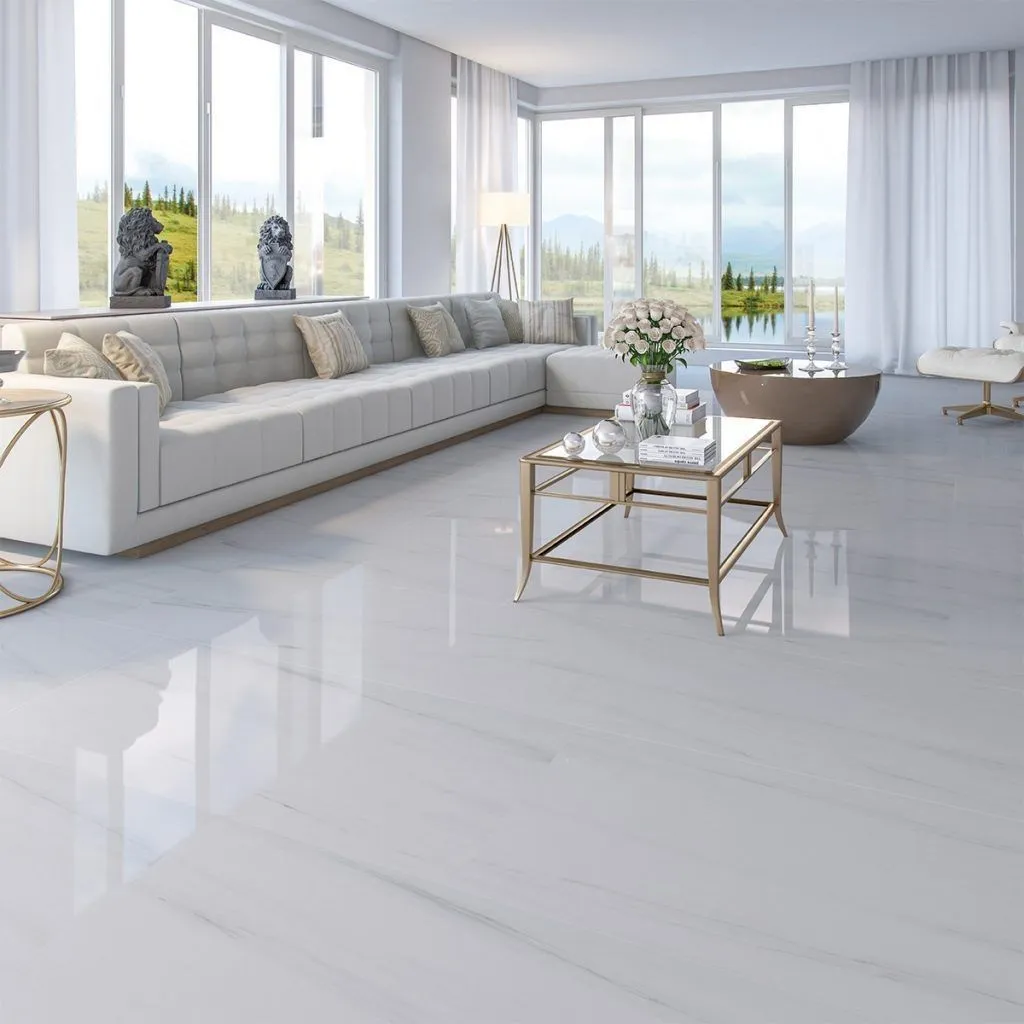
Choosing the ideal floor tiles for a living room transcends mere aesthetic preference; it demands a strategic compromise between visual appeal, long-term durability, and ease of maintenance. As a central hub of activity and the primary reception area for guests, the living room floor bears a significant functional and representational burden. Insights from leading design authorities, including InteriorDesign.ID, consistently highlight the strategic advantage of selecting matte finishes combined with natural motifs, a combination proven highly effective in camouflaging daily dust accumulation and minor imperfections. This recommendation stems from a common oversight observed in consumer purchasing patterns: many homeowners, swayed by the immediate allure of gleaming showroom displays, often neglect to consider the practicalities of daily upkeep in a residential setting. The consequence of such oversight is often increased labor in routine cleaning, transforming what should be a comfortable living space into a source of weekend chores.
The Living Room’s Unique Demands: A High-Traffic Crossroads
The living room, positioned at the forefront of a home’s interior, experiences considerably higher foot traffic compared to private spaces like bedrooms. Visitors frequently track in dust, dirt, and external debris, making the flooring particularly susceptible to wear and visible soiling. Interior designers universally acknowledge that flooring is a foundational element, exerting a profound influence on the overall ambiance and character of a room. An ill-considered floor choice can undermine even the most meticulously curated furniture and decor, creating a discordant or underwhelming visual experience. This understanding underscores the necessity of a well-informed decision-making process, moving beyond superficial appeal to embrace a holistic view of functionality and lasting elegance.
Navigating the Aesthetics vs. Practicality Spectrum
The decision-making process for flooring is fundamentally an exercise in compromise. Historically, highly polished or glossy surfaces have been synonymous with luxury, instantly imparting a sense of grandeur and spaciousness to a room by reflecting light. However, this immediate opulence comes at a significant practical cost: every footprint, every speck of dust, and every minor spill is immediately conspicuous, demanding rigorous and frequent cleaning to maintain its pristine appearance. According to a 2023 survey by the Home Maintenance Institute, homeowners with high-gloss flooring reported spending an average of 30% more time on floor cleaning each week compared to those with matte or textured surfaces.
Conversely, rough or highly textured anti-slip surfaces, while offering enhanced safety and a more naturalistic appeal, present their own maintenance challenges. Their porous or uneven textures can easily trap dirt and grime, requiring more intensive cleaning methods, sometimes involving specialized brushes, to thoroughly dislodge embedded particles. The optimal solution, therefore, lies in identifying a "sweet spot"—a flooring material that gracefully balances sophisticated aesthetics with practical, low-maintenance characteristics. This often means exploring finishes and patterns that inherently mask the minor imperfections of daily life without sacrificing design integrity.

-
Glossy Finishes: The Illusion of Grandeur
Glossy surfaces are engineered to reflect light, a quality that can dramatically enhance the perceived size and brightness of a room, making ceilings appear higher and spaces feel more expansive. This reflective property, while visually striking, also acts as a magnifying glass for dirt. A single drop of water, a faint scuff mark, or a thin layer of dust can instantly detract from its majestic appearance. While ideal for spaces with minimal traffic or those where a high-impact, luxurious statement is paramount, their demanding upkeep schedule can be prohibitive for busy households. The market for high-gloss tiles, particularly large-format polished porcelain or marble-look ceramics, remains robust in luxury segments, but a growing trend towards more forgiving finishes has been observed in mainstream residential design. -
Matte Finishes: Sophistication Meets Practicality
In contrast, matte finishes absorb light rather than reflecting it. This characteristic allows the true color and subtle nuances of the ceramic tile to emerge, offering a more subdued, sophisticated, and contemporary aesthetic. The inherent practicality of matte surfaces is their ability to effectively conceal footprints, dust, and minor smudges, making them a highly favored choice for high-traffic areas like living rooms. Industry reports from 2024 indicate a consistent year-over-year growth in demand for matte tiles, largely driven by consumer preference for finishes that offer both style and reduced cleaning burden. Beyond concealment, matte surfaces also tend to be less slippery than their glossy counterparts, contributing to a safer indoor environment, especially for households with children or elderly residents. -
Textured Finishes: Tactile Beauty and Enhanced Safety
Textured tiles offer a tangible surface relief, mimicking the natural contours of wood grain, stone, or other organic materials. This tactile quality adds depth and character, making them particularly well-suited for industrial, rustic, or tropical-inspired interior designs. The primary functional benefit of textured flooring is its superior slip resistance, a critical safety feature. However, their grooves and ridges, while aesthetically pleasing, can act as repositories for dust and dirt. Cleaning textured tiles often requires more than a simple mop; a soft-bristled brush or specialized cleaning solutions may be necessary to ensure thorough removal of embedded grime, preventing discoloration over time. Recent innovations in tile manufacturing have focused on developing textured tiles with smoother, less porous profiles that retain slip resistance while simplifying cleaning.
The Psychology and Practicality of Color
The color of living room flooring is a pivotal design decision, influencing not only the room’s mood but also its perceived size and the ease with which dirt is hidden or highlighted.
-
Light Colors: Brightness, Space, and Versatility
Shades such as off-white, light cream, pale grey, or bone white excel at reflecting natural light, effectively distributing it throughout the room. This optical effect is particularly beneficial for smaller or naturally darker living rooms, making them feel more expansive and airy. Light-colored floors also provide a neutral canvas, offering immense versatility for interior decor, allowing homeowners to introduce bold-colored furniture or vibrant accent pieces without clashing. However, pure white or excessively uniform light colors can make stains and heavy dirt more visible. A practical solution, endorsed by design experts, is to opt for light tiles with subtle speckles, fine marbling, or slight variations in tone; these minor irregularities help to camouflage everyday dust and minor blemishes more effectively than a monolithic light surface. -
Dark Colors: Drama, Depth, and Modernity
Dark hues, including charcoal, deep brown, slate grey, or black, impart a sense of drama, sophistication, and intimacy. They can serve as a powerful anchor for furniture, unifying diverse elements into a cohesive design scheme, often favored in masculine, minimalist, or contemporary interior styles. Dark floors can make a room feel cozier and more grounded. The primary caveat with dark flooring is its propensity to absorb light, which can make a room feel smaller or more enclosed if not adequately compensated for with abundant natural and artificial lighting. Furthermore, dark, uniform surfaces tend to highlight lighter-colored dust and lint, which can be visually jarring. Similar to light tiles, dark tiles with subtle patterns, faint veining, or a slightly mottled appearance can be more forgiving in terms of visible dust.
-
Earth Tones: Natural Harmony and Practicality
Earth tones, encompassing shades like terracotta, warm beige, taupe, and various shades of brown, evoke a sense of warmth, groundedness, and natural harmony. These colors are inherently soothing and create a welcoming atmosphere. From a practical standpoint, earth-toned floors are excellent at camouflaging soil and dirt, particularly in homes with direct access to outdoor areas or gardens, where natural elements might be tracked indoors. This makes them a perennial favorite for biophilic designs and homes seeking a seamless transition between indoor and outdoor living spaces. Their versatility allows them to complement a wide range of interior styles, from rustic farmhouse to modern organic. -
Neutral Grays: The Modern Chameleon
Grey, in its myriad shades, has become a cornerstone of contemporary interior design. Ranging from cool silvers to warm charcoals, grey offers a sophisticated and versatile backdrop. It pairs well with almost any color palette, allowing for frequent decor changes without needing to replace the flooring. Medium grey tones are particularly adept at concealing dust and dirt, striking an excellent balance between light and dark. Their ability to adapt to various design aesthetics, from industrial chic to Scandinavian minimalist, makes them a highly practical and stylish choice for many homeowners.
Embracing Design Through Motif and Pattern
Beyond color and finish, the motif or pattern of a living room tile profoundly shapes its character and visual impact. Modern manufacturing techniques allow for highly realistic reproductions of natural materials, offering aesthetic benefits without the inherent drawbacks of the originals.
-
Wood-Look Tiles: Timeless Warmth, Modern Durability
While authentic hardwood parquet offers undeniable warmth and classic elegance, it demands significant maintenance, is susceptible to moisture damage, scratches, and insect infestations. Wood-look ceramic or porcelain tiles provide a compelling alternative, delivering the aesthetic richness of natural wood with superior durability, water resistance, and freedom from pests. These tiles are available in a vast array of wood species replications, from the light, airy tones of Scandinavian oak to the deep, rich hues of walnut or distressed barnwood. Installation patterns, such as herringbone, chevron, or staggered planks, can further enhance the illusion of real wood, creating a sophisticated and enduring floor. A 2023 market analysis indicated wood-look tiles accounted for over 35% of all residential tile sales, showcasing their widespread appeal. -
Natural Stone-Look Tiles: Accessible Luxury
For those aspiring to the grandeur of natural stone like marble, travertine, or granite without the associated cost, porosity, and maintenance challenges, stone-look ceramic or porcelain tiles are an excellent solution. These tiles faithfully reproduce the intricate veining of marble, the subtle textures of travertine, or the granular patterns of granite. When selecting marble-look tiles, especially for smaller living rooms, it’s advisable to choose patterns with delicate, understated veining, such as those found in Carrara marble. Overly bold or busy marble patterns, while striking in expansive commercial spaces, can overwhelm a smaller residential living room, making the space feel visually cluttered and tiresome to the eye. -
Solid Color Tiles: The Minimalist Canvas
For a clean, minimalist, or contemporary aesthetic where the focus is on architectural lines, furniture, or wall art, solid color tiles without any dominant motif provide an uncluttered foundation. This choice allows other design elements to take center stage. To achieve a seamless and expansive look with solid color tiles, it is often recommended to use large-format tiles. Larger tiles result in fewer grout lines, which contributes to a more continuous and visually spacious appearance, lending an air of understated sophistication.
-
Patterned and Industrial-Look Tiles: Statement and Resilience
Beyond natural imitations, advancements in digital printing have popularized patterned tiles, from geometric designs to intricate encaustic-look motifs, offering a bold statement for eclectic or bohemian interiors. Similarly, concrete-look or terrazzo-look tiles have gained traction for their industrial-chic appeal and remarkable ability to camouflage dirt and minor wear. The subtle aggregate variations in terrazzo or the organic imperfections of concrete-look tiles inherently break up the surface, making dust and scuffs far less noticeable than on uniform surfaces. These options represent a modern approach to flooring that prioritizes both distinct style and practical resilience.
Sustaining the Floor’s Luster: Long-Term Maintenance Strategies
The longevity of a floor’s aesthetic appeal is intrinsically linked to its initial selection and subsequent care. Preventing the floor from quickly appearing dull or worn involves several key considerations.
Firstly, avoiding tiles with a completely uniform, monochromatic color is a crucial strategy. Given that the majority of household dust is grayish, it creates a stark and highly visible contrast against solid black or pristine white flooring. Tiles featuring subtle variations in color, fine speckles, a mottled texture, or patterns that mimic cementitious finishes or terrazzo are significantly more effective at camouflaging this common type of dirt.
Secondly, the tile’s finish directly impacts its resilience to wear. Glossy surfaces, while initially brilliant, are prone to showing micro-scratches from shoe soles or moving furniture over time. These minuscule abrasions accumulate, gradually diminishing the tile’s reflective quality and leading to a dull, worn appearance. In contrast, fine scratches are far less perceptible on matte or textured surfaces, preserving their aesthetic integrity for longer. This inherent durability against visible wear contributes significantly to a matte finish’s lower maintenance profile.
Finally, the selection of grout plays a critical, yet often overlooked, role in a floor’s long-term appearance. White grout, while popular for its clean look, is notoriously difficult to keep pristine in high-traffic areas. It quickly discolors, absorbing dirt, spills, and foot traffic grime, turning dingy within months. A more practical approach is to select grout in a light grey shade or one that closely matches the dominant color of the tile. This strategic color choice helps to blend the grout lines with the tile, making accumulated dirt less conspicuous and maintaining a cleaner overall appearance for extended periods. Additionally, applying a high-quality grout sealant immediately after installation can create a protective barrier, preventing stains from common spills like tea or coffee from becoming permanent.
The Art of Acquisition and Installation: Expert Tips for Lasting Results

The journey to a perfect living room floor culminates in precise purchasing and professional installation. These final stages are as critical as the initial design choices.
-
Smart Purchasing Decisions:
When selecting tiles in a showroom, the intense, often artificial, lighting of retail displays can be deceptive. What appears vibrant or subtle in the store might look entirely different under the natural and artificial lighting conditions of your home. Always request a small sample piece to take home. Observe it at different times of day—under bright daylight, in the evening with ambient lighting, and under any specific task lighting—to gauge its true color, texture, and reflective qualities within your home’s unique environment. This simple step can prevent significant disappointment.Furthermore, it is standard industry practice and highly recommended to purchase an overage of material, typically 10% to 15% beyond the calculated total area of the room. This surplus is vital for several reasons: it accounts for tiles that need to be cut to fit edges and corners, potential breakages during installation, and, crucially, serves as a reserve for future repairs. Tile manufacturers frequently adjust dye lots and production batches, making it exceedingly difficult, if not impossible, to find an exact match for a specific shade or pattern several years down the line. Having spare tiles from the original batch ensures seamless repairs if individual tiles become damaged. Avoid purchasing "second-grade" (KW2) or leftover tiles for primary areas like the living room. While seemingly cost-effective, these tiles often suffer from inconsistent sizing, uneven edges, or color variations that can lead to misaligned grout lines and an overall unprofessional finish.
-
Precision Installation:
The quality of installation profoundly impacts both the aesthetic outcome and the longevity of your tiled floor. It is paramount to ensure that the subfloor is perfectly level and stable before tile installation begins. An uneven subfloor can lead to lippage (where the edge of one tile is higher than an adjacent tile), creating trip hazards and making tiles more susceptible to chipping or cracking. Professional installers use leveling compounds and precise measurements to ensure a flawless base. Utilize a specialized tile adhesive (thin-set mortar) designed for the specific type of tile being installed; this ensures a strong, durable bond and prevents common issues like tiles lifting or cracking over time due to insufficient adhesion.The recommended grout joint width typically ranges from 1 to 1.5 millimeters for rectified tiles (tiles with precisely cut edges) to slightly wider for non-rectified options. Consistent grout lines are essential for a clean, professional appearance. After grouting, applying a high-quality grout sealer is an invaluable step. This protective barrier penetrates the grout, making it resistant to moisture, stains, and mildew, thereby simplifying cleaning and prolonging the fresh appearance of your floor.
Beyond the Surface: Broader Implications for Home Value and Lifestyle
The decision concerning living room flooring extends beyond immediate aesthetics and maintenance; it carries significant implications for a home’s overall value, the quality of daily life, and future market trends. A well-chosen, durable, and aesthetically pleasing floor can significantly enhance a property’s resale value, acting as a key selling point. Real estate professionals often note that updated, practical, and stylish flooring is a major draw for prospective buyers, reflecting a well-maintained and thoughtfully designed home.

From a lifestyle perspective, a low-maintenance floor frees up valuable time for homeowners, allowing them to dedicate weekends to leisure rather than arduous cleaning. It contributes to a healthier indoor environment by minimizing dust accumulation (with the right choices) and offering ease of sanitation. Furthermore, the industry is witnessing a growing emphasis on sustainable and eco-friendly tile options, made from recycled content or produced through energy-efficient processes. Consumers are increasingly valuing materials that not only perform well but also align with environmental responsibility.
In conclusion, the selection of living room floor tiles is a multifaceted decision that necessitates careful consideration of numerous factors. The interplay of color, texture, finish, and motif, coupled with judicious purchasing and professional installation, collectively determines not only the immediate visual appeal of the space but also the long-term ease of maintenance, the safety of the household, and the enduring value of the home. An informed choice today ensures a beautiful, functional, and effortlessly elegant living environment for years to come, truly supporting the ambiance of the room without encroaching upon your precious leisure time.