Lina Irawan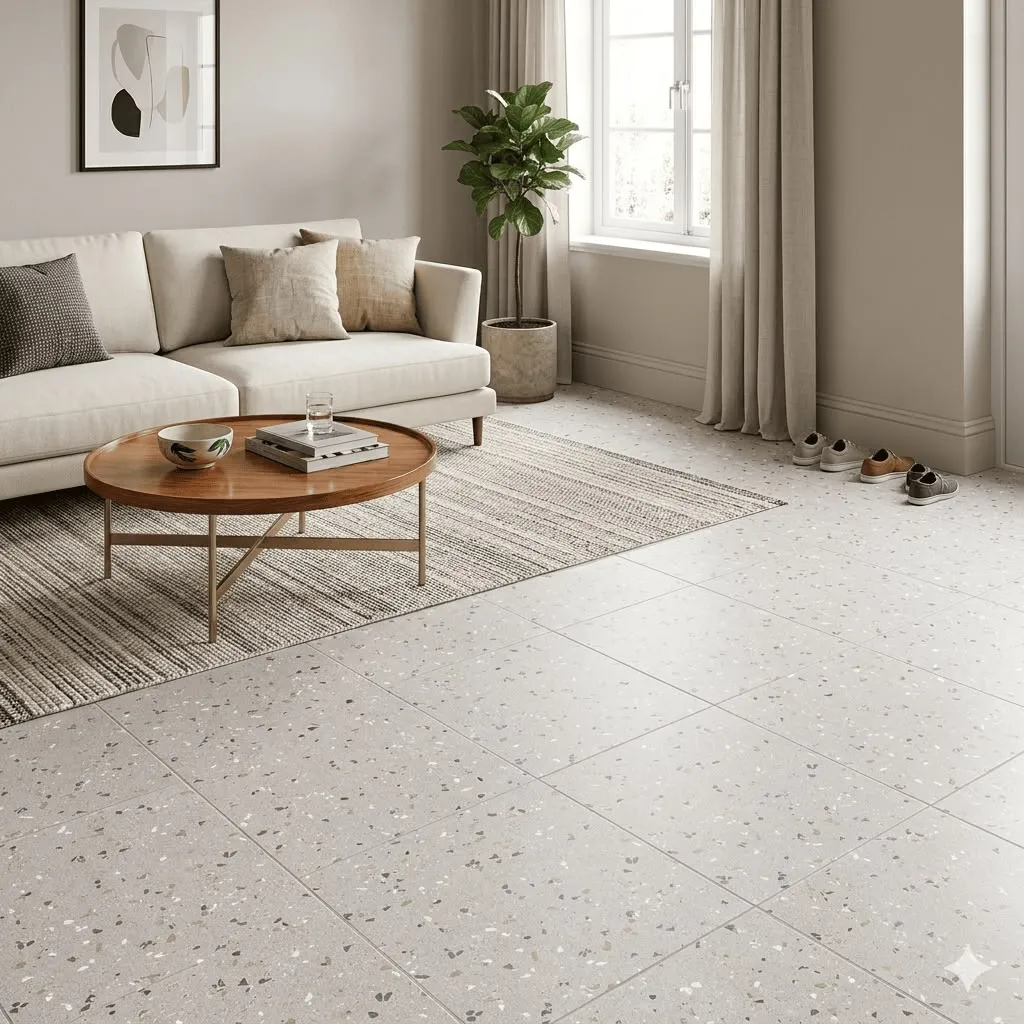
Choosing between glossy and matte floor tiles is a pivotal decision for any homeowner or designer, fundamentally impacting a space’s aesthetic, daily functionality, and long-term upkeep. The core distinctions lie in three critical areas: light reflection, the visibility of stains and marks, and inherent slip resistance. Glossy surfaces, renowned for their ability to bounce light, inherently create an illusion of spaciousness and a luxurious ambiance, yet they are notoriously prone to slipperiness when wet and readily expose every footprint and speck of dirt. Conversely, matte finishes excel at concealing daily grime and offer superior traction underfoot, though their light-absorbing properties can make a room feel cozier, potentially requiring more strategic lighting solutions.
At InteriorDesign.ID, our clients frequently grapple with this choice, often captivated by the initial sheen of a tile in a brightly lit showroom. However, we consistently emphasize that this decision extends far beyond superficial appeal; it carries significant consequences for daily comfort, safety, and the practical realities of home living. This comprehensive guide aims to dissect the inherent advantages and disadvantages of each finish, providing a crucial framework for informed decision-making before committing substantial budget to flooring materials.
Why the Choice of Flooring Finish Matters Significantly
The finish of your floor tiles exerts a profound influence on the entire dynamic of a room. Many homeowners unfortunately misstep by overlooking the crucial aspects of routine maintenance and pedestrian safety. A living room gleaming like a five-star hotel lobby, while undeniably opulent, could transform into a hazardous zone if young children or elderly individuals reside in the home. The implications extend to the perception of space, the required level of cleanliness, and the overall ambiance.
Ideally, the selection process should meticulously weigh several key factors: how the surface interacts with both natural and artificial light, the ease or difficulty of cleaning various types of stains, and the critical measure of its slip resistance, particularly when exposed to moisture. These elements collectively dictate not only the aesthetic outcome but also the practicality and safety of your living environment.

The Dynamics of Light Reflection and Its Impact on Room Ambiance
The chosen floor finish directly dictates a room’s lighting scheme and its perceived spaciousness. Glossy ceramic tiles are highly reflective, effectively bouncing both natural sunlight and artificial lamp light into every corner of a room. This characteristic is particularly advantageous in spaces with limited natural light, such as rooms facing north or those with minimal window openings, as the reflected light helps to create an illusion of greater depth and openness. For smaller rooms, this reflective quality can make them feel significantly more expansive and airy, contributing to an overall sense of grandeur and sophistication.
In stark contrast, matte ceramic tiles possess light-absorbing properties. This makes them an excellent choice for mitigating glare in rooms abundant with large glass windows or those exposed to intense direct sunlight, such as south or west-facing rooms. The softened light reflection results in a warmer, more subdued visual aesthetic, contributing to a tranquil and inviting atmosphere. However, a direct consequence of their light-absorbing nature is the potential for rooms to feel darker or more enclosed, especially during evening hours. This often necessitates a more robust lighting plan, including additional light fixtures or higher wattage bulbs, to prevent the space from appearing dim or somber. Understanding this interplay between finish and light is fundamental to achieving the desired mood and functionality in any interior space.
Managing Stains and Daily Upkeep: A Comparative Analysis
Many mistakenly associate a shiny floor with inherent hygiene. In reality, the highly polished surface of glossy tiles acts like a mirror, mercilessly exposing every droplet of water, every faint footprint, and even stray strands of hair. Any minor imperfection or smudge instantly disrupts its pristine, reflective quality. To maintain the luxurious gleam that defines glossy flooring, homeowners must be prepared for a significantly more rigorous and frequent cleaning regimen, often involving daily mopping and immediate attention to spills. This high-maintenance demand can be a deterrent for busy households or those seeking low-fuss solutions.
Conversely, matte ceramic tiles present a more forgiving facade when it comes to daily dirt and minor blemishes. Their textured, non-reflective surface cleverly camouflages fine dust particles, scuff marks from shoes, and minor spills. This inherent ability to conceal everyday grime means matte floors tend to look cleaner for longer periods, reducing the frequency of intensive cleaning. While they still require regular cleaning, the visual impact of minor imperfections is far less pronounced, making them a practical choice for high-traffic areas or homes with active occupants and pets where constant vigilance against dirt is impractical.
Prioritizing Safety: Slip Risk and Footing Security
The risk of slips and falls is a paramount consideration that must factor heavily into any flooring decision. The smooth, glazed surface of glossy ceramic tiles drastically reduces their coefficient of friction (COF), making them exceptionally slippery when wet. Even a minor spill or dampness from a mop can transform a glossy floor into a high-risk area. This poses a significant safety hazard, particularly for households with elderly residents, active toddlers, or even fast-moving pets, where a fall can lead to serious injury. The allure of luxury must be carefully balanced against these inherent safety concerns.

In contrast, matte ceramic tiles are engineered with a micro-textured surface designed to enhance grip and provide superior traction. This inherent roughness significantly increases their COF, offering a more secure footing even when damp. While no floor is entirely slip-proof, the textured nature of matte tiles provides a much more stable surface, making them a safer option for areas prone to moisture or for households where slip prevention is a critical concern. This enhanced grip is a key advantage, especially in utilitarian spaces where water exposure is common.
Evaluating the Consequences of Each Flooring Choice
Making an informed decision requires a thorough understanding of the long-term consequences associated with each tile finish, balancing aesthetic aspirations with practical realities.
Aesthetic Value vs. Maintenance Demands of Glossy Flooring
Opting for the undeniable opulence of glossy flooring often entails a trade-off in terms of practicality and ease of maintenance. While these tiles are unparalleled in their ability to elevate a room’s aesthetic appeal, making narrow spaces feel expansive through the reflection of furniture and light, this grandeur comes at a cost. The highly polished surface is particularly vulnerable to scratches and abrasions from abrasive particles like sand tracked in from footwear. Once scratched, the uniform sheen is compromised, and restoring it to its original, flawless state can be challenging. Furthermore, walking in socks on a glossy surface can be surprisingly treacherous, underscoring the need for careful movement. The commitment to a glossy floor is a commitment to diligent, ongoing care to preserve its luxurious appearance.
Comfort and Practicality vs. Potential for Dimness with Matte Flooring
Matte flooring offers a visual tranquility that aligns beautifully with contemporary, industrial, or minimalist interior design styles. This choice is particularly appealing for those with limited time for daily sweeping and mopping, as its non-reflective texture effectively camouflages everyday dirt, maintaining a clean appearance for longer periods. The rougher texture also provides enhanced resistance to scuffs and scratches, making it more forgiving when furniture is moved.
The primary drawback of matte finishes is their light-absorbing quality, which can make a room feel denser or potentially darker, especially without adequate lighting. While excellent at concealing dry dirt, wet spills like mud or thick liquids can sometimes become trapped within the texture, requiring gentle scrubbing to ensure thorough cleaning. Despite this, the overall ease of maintenance and robust nature often make matte tiles a preferred choice for busy households prioritizing comfort and durability.

Strategic Cleaning Routines for Optimal Floor Care
Effective cleaning routines must be meticulously tailored to the specific properties of the flooring material to ensure longevity and maintain its intended appearance.
For glossy ceramic tiles, the battle against water spots and streaks is a perpetual one. After mopping, the floor must be promptly dried with a clean, dry cloth or mop to prevent mineral residues from evaporating and leaving unsightly marks that mar the reflective surface. If a glossy floor appears dull immediately after cleaning, it is often a sign of soap residue accumulation, which creates a film over the polished glaze. Using pH-neutral cleaners and rinsing thoroughly are crucial steps to preserve its pristine shine.
Matte flooring, in contrast, is more forgiving of residual moisture from mopping. Water spots are less noticeable due to the lack of reflective properties, and the absence of a mirror-like surface means streaks are far less prominent. However, spills of deeply pigmented liquids such as coffee, wine, or concentrated sauces require immediate attention. While the texture hides minor dirt, these liquids can seep into the microscopic pores of the matte surface if left too long, potentially leading to stubborn stains that are difficult to remove without specialized cleaning agents or gentle scrubbing with a soft brush. Understanding these nuances is key to keeping both types of floors looking their best.
Selecting Flooring Materials Based on Room Functionality
A common and highly effective architectural strategy involves varying floor materials according to the specific function and traffic of each room. There is no inherent requirement to maintain a uniform tile type throughout an entire home; indeed, customizing flooring can significantly enhance both aesthetics and practicality.
Living Rooms and Family Areas
For formal living rooms, glossy ceramic tiles are often an ideal choice. The elegant light reflection in these areas reinforces a sophisticated and welcoming impression for guests. It visually expands the space, contributing to an atmosphere of refined luxury. However, when considering family rooms—areas dedicated to relaxation, casual gatherings, and often activities involving children or pets—the priorities shift. These spaces demand a more comfortable and secure footing, making matte ceramic tiles increasingly popular. Their warmth, durability, and superior slip resistance create a cozy yet practical environment that can withstand daily wear and tear more effectively than their glossy counterparts.

Kitchens and Dining Zones
Employing glossy tiles in the kitchen poses a substantial safety risk. Spills of oil, water splashes from cooking, or dampness around the sink area can quickly turn a glossy floor into a treacherous surface, significantly increasing the likelihood of slips and falls. Therefore, the installation of coarse-textured, matte ceramic tiles is not just recommended but often deemed essential in kitchens. Their strong traction provides a secure footing, critical in an environment prone to moisture and potential spills. Furthermore, the textured finish effectively conceals food crumbs and minor debris, maintaining a cleaner appearance between cleanings. Similarly, dining areas benefit from the practical resilience of matte surfaces, which can better endure the inevitable dropped food or liquid without immediate visual compromise.
Bathrooms and Outdoor Terraces
Bathrooms unequivocally demand floors with superior grip. The combination of water, soap suds, and highly reflective surfaces creates a dangerously slick environment. It is imperative to install textured, rustic-finish tiles in all wet areas of the bathroom, including shower floors and general floor space, to maximize slip resistance. Glossy tiles, if desired for aesthetic reasons, should be reserved for wall coverings where they are less exposed to direct foot traffic and offer the benefit of easy cleaning for soap scum.
The same principle extends to outdoor areas such as terraces and garages. Rainwater runoff or splashes from outdoor activities will not render the terrace floor as slippery as ice if it is protected with matte ceramic tiles. Their enhanced traction ensures safety and stability, even in damp conditions, making them a pragmatic choice for exterior applications where weather exposure is a constant factor.
The Art of Combining Diverse Flooring Finishes
Integrating different types of flooring finishes within a single home does not inherently lead to a disjointed or cluttered appearance. On the contrary, strategic transitions can impart a sophisticated and well-considered aesthetic. A common and elegant method involves using transition profiles made of materials like brass or aluminum at the juncture where one flooring type meets another.
For instance, a main hallway might feature the luminous expanse of glossy ceramic tiles, which then seamlessly transitions into a kitchen laid with practical matte tiles, demarcated by a sleek metal strip. The key to successful integration lies in ensuring that the color palette and overall aesthetic of both materials are complementary or belong to the same design family. This careful coordination ensures that the transition between spaces feels harmonious and intentional, enhancing the home’s visual flow rather than disrupting it. Such thoughtful combinations allow homeowners to leverage the distinct advantages of each finish where they are most beneficial, without sacrificing overall design coherence.

Mitigating Common Mistakes During the Purchase Process
The excitement of selecting new flooring can often lead to costly oversights, particularly when relying solely on showroom presentations. Many individuals experience disappointment when the tiles they chose, based on the deceptive lighting of a building materials store, fail to replicate their perceived luster or character in the natural environment of their home. The intense spotlighting common in showrooms can artificially enhance the sheen of glossy tiles or alter the perceived texture of matte ones.
To circumvent this common pitfall, it is highly advisable to purchase one or two sample tiles and bring them home. Place these samples in the intended rooms, observing their appearance under various lighting conditions—from the bright morning sun to the softer evening lamplight. This allows you to accurately assess how the tiles react to your home’s unique natural light and existing artificial lighting, providing a realistic preview of the final look and feel.
During the installation phase, meticulous attention to detail, particularly regarding grout line spacing, is crucial. Matte ceramic tiles, especially those designed to mimic natural stone, often achieve their most cohesive and authentic appearance when installed with the narrowest possible grout lines. This minimizes the visual interruption of the grout, allowing the tiles to blend more seamlessly and create a unified, expansive surface that truly emulates the organic beauty of natural materials. Prioritizing these steps can prevent regrets and ensure lasting satisfaction with your flooring investment.
Determining the Ideal Flooring for Your Lifestyle
The ultimate decision between glossy and matte flooring should fundamentally align with the lifestyle, priorities, and daily routines of the home’s occupants. If your aspirations lean towards creating an impression of luxury and expansive space, if you desire rooms that gleam with sophistication, and if your household is equipped with the resources for consistent, diligent cleaning—perhaps with the assistance of household staff—then glossy ceramic tiles in formal areas like the living room are an excellent choice. Their reflective qualities undeniably elevate the aesthetic.
However, if your primary concerns are ease of maintenance, robust durability, and a secure, slip-resistant walking surface, then matte ceramic tiles represent a far more practical and sensible investment. They offer peace of mind, particularly in active households with children, pets, or elderly residents.

At InteriorDesign.ID, we often advocate for a hybrid approach as the most balanced and versatile solution. This strategy involves strategically deploying the luminous elegance of glossy finishes in less trafficked, impression-focused areas such as the main foyer or guest living room. Concurrently, high-activity zones prone to moisture and heavy use, such as kitchens, bathrooms, and rear terraces, are best served by the safety and resilience of matte materials. This thoughtful combination allows you to harness the unique benefits of each finish, creating a home that is both aesthetically pleasing and supremely functional, perfectly tailored to your everyday needs.