Nasution Nanang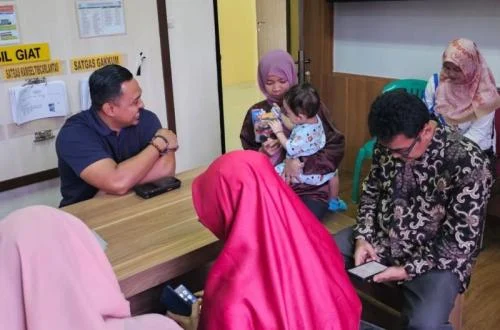
SERANG, BANTEN – A 17-month-old toddler, reported abducted from Tulungagung, East Java, by her own caregiver, was successfully rescued in a swift and coordinated operation by the Serang Resort Police (Polres) in Banten. The dramatic intervention unfolded at Merak Port, Cilegon City, on Wednesday, May 6th, preventing the abductor from fleeing to Lampung Province. The operation underscores the critical role of inter-agency cooperation and rapid response in cases involving vulnerable victims and highlights the strategic importance of key transit hubs in law enforcement efforts.
The rescue operation was initiated following an urgent alert from the Tulungagung Resort Police, East Java, concerning the abduction of a toddler by her nanny, identified by the initials GH (52). The initial report, filed by the child’s distraught parents, detailed how their infant had gone missing, with suspicion immediately falling on the live-in caregiver who had also disappeared. Recognizing the urgency and the potential for the abductor to cross provincial boundaries, law enforcement agencies swiftly mobilized, demonstrating a seamless collaboration across jurisdictions.
Initial Report and Inter-Agency Cooperation
The alarm was first raised in Tulungagung, a regency located in the southeastern part of East Java. The parents, upon discovering their child and nanny missing, immediately contacted local authorities. Given the nature of the relationship between the abductor and the victim – a trusted caregiver – the case was treated with utmost priority. Child abduction, particularly by someone known to the family, carries significant emotional and psychological distress for the victims and their families, often leading to a sense of betrayal. The Tulungagung police, understanding the urgency of the situation, quickly gathered preliminary information, including the suspect’s identity, the child’s description, and crucially, intelligence suggesting the abductor might be attempting to flee westward using public transportation.
This critical piece of information, combined with the geographical understanding of Indonesia’s major transportation arteries, led to the immediate issuance of an inter-provincial alert. Law enforcement agencies in provinces along the potential escape route were notified, including Banten, which hosts Merak Port – a vital gateway between Java and Sumatra. The rapid dissemination of information and the proactive collaboration between Polres Tulungagung and Polres Serang proved instrumental in narrowing down the search area and enabling a targeted response. This exemplifies best practices in national policing, where jurisdictional boundaries do not impede the pursuit of justice and the protection of citizens, especially minors.
The Strategic Significance of Merak Port
Merak Port, located in Cilegon, Banten, serves as a crucial transportation nexus, connecting Java Island with Sumatra Island via ferry services to Bakauheni Port in Lampung. Its strategic geographical position makes it one of the busiest ferry terminals in Indonesia, handling millions of passengers and vehicles annually. This constant flow of traffic, while essential for commerce and travel, also presents challenges for security and law enforcement, as it can be exploited by individuals attempting to evade capture by crossing inter-island borders. For an abductor like GH, Merak would have appeared as a logical escape route, offering anonymity amidst the throngs of travelers and a direct path to her intended destination in Lampung.
The port area, encompassing ferry terminals, bus stations, and surrounding commercial zones, is a complex environment. The sheer volume of people and vehicles makes thorough checks challenging, yet it is precisely in such high-traffic areas that vigilance becomes paramount. Law enforcement agencies, therefore, often dedicate significant resources to monitoring these transit points, understanding their potential as choke points for criminal activity, including human trafficking, drug smuggling, and, as in this case, child abduction. The decision by Serang Polres to focus their search efforts specifically on Merak Port was a direct consequence of this strategic understanding and the intelligence received regarding the suspect’s likely mode of escape.
The Extensive Search Operation
Upon receiving the alert from Tulungagung, the Serang Resort Police immediately activated its Resmob (Reserse Mobil) unit from the Criminal Investigation Department (Satreskrim). Under the direct command of Serang Police Chief AKBP Andri Kurniawan, the team launched an intensive investigation. Their primary focus was the Terminal Terpadu Merak (TTM), the integrated bus terminal, and the various ferry docks within the Merak Port complex. The initial intelligence suggested the suspect was utilizing public transportation, specifically a bus, to transport the child. This narrowed the search, allowing officers to concentrate their efforts on specific bus routes and ferry crossings.
The search operation was meticulous and time-sensitive. Officers systematically checked buses preparing to board ferries bound for Bakauheni Port, Lampung. This involved boarding buses, discreetly observing passengers, and cross-referencing individuals with the suspect’s description and the missing child’s details. The team understood that every minute counted, as the abductor’s successful boarding of a ferry would significantly complicate the rescue, potentially extending the pursuit to another island. The scale of the search was considerable, spanning multiple terminals and ferry berths, requiring sustained effort and keen observation from the officers involved.
For approximately six grueling hours, the Resmob team scoured the vast port area. The pressure was immense, knowing that a child’s safety hung in the balance. Officers meticulously examined dozens of buses, interviewed drivers and passengers where appropriate, and utilized their investigative skills to identify any anomalies or suspicious behavior. The search was conducted with a delicate balance of urgency and discretion, to avoid alarming the suspect and potentially endangering the child further. The coordinated nature of the operation, combining intelligence from East Java with on-the-ground execution in Banten, proved to be the key to its success.
Apprehension and Rescue
The breakthrough came after hours of relentless searching. The Resmob team located the suspect, GH, sitting inside a bus parked in the Executive Dock area of Merak Port. Critically, the kidnapped toddler was found with her, unharmed and in good condition. The discovery was a moment of immense relief for the officers involved and, undoubtedly, for the parents anxiously awaiting news. The abductor had evidently been preparing to board a ferry, likely believing she had successfully evaded capture by reaching this critical transit point.
According to statements from AKBP Andri Kurniawan, the suspect’s intention was to transport the child to her hometown in Desa Yudha Karya Jitu, Kecamatan Rawa Jitu Selatan, Kabupaten Tulang Bawang, Lampung. This information, gleaned during initial questioning, confirmed the strategic importance of intercepting her at Merak. Had she succeeded in crossing to Sumatra, the subsequent search and rescue operation would have faced significantly greater logistical challenges. The successful apprehension at Merak underscores the effectiveness of the rapid response system and the thoroughness of the search operation. The child, despite the traumatic experience of abduction, was reported to be physically unharmed, a testament to the timely intervention.
Reunion and Aftermath
The immediate priority following the rescue was the safety and well-being of the toddler. AKBP Andri Kurniawan confirmed that the child was saved without sustaining any injuries and was promptly reunited with her parents at the Serang Resort Police headquarters on Thursday morning. The reunion, though not detailed publicly, would have been a moment of profound emotion and relief for the family, marking the end of a harrowing ordeal. Such moments highlight the human impact of police work, transforming a complex investigation into a heartwarming conclusion for those directly affected.
For children who experience abduction, even if physically unharmed, the psychological impact can be significant. Authorities often recommend psychological support and counseling for child victims to help them process the trauma and adjust back to their normal lives. While the police’s immediate responsibility is the physical rescue and apprehension of the perpetrator, the long-term recovery of the child is equally important.
The Suspect and Legal Proceedings
Following her apprehension, the suspect, GH (52), was transferred to the custody of investigators from the Tulungagung Resort Police. This handover ensures that the legal process will continue in the jurisdiction where the crime originated. She will face charges related to child abduction, which carries severe penalties under Indonesian law. The Indonesian Criminal Code (KUHP) outlines provisions against child abduction, with potential sentences varying based on the specifics of the case, including the age of the child, the intent of the abductor, and whether any harm came to the victim.
Cases involving caregivers abducting children they are entrusted with are particularly troubling. They expose a fundamental breach of trust and raise questions about the vetting processes for domestic workers. The legal proceedings against GH will seek to uncover her motives, whether they were financial, personal, or otherwise, providing a comprehensive understanding of the circumstances leading to the abduction. The outcome of the trial will serve as a legal precedent and a deterrent for similar acts, reinforcing the sanctity of child protection under the law.
Understanding Child Abduction by Caregivers: A Broader Context
Child abduction by trusted caregivers, while not the most frequent form of abduction, presents unique challenges and concerns. These cases often involve individuals who have gained the family’s trust, making the initial detection and understanding of the motive particularly complex. Common motives in such cases can range from personal grievances against the family, financial demands (ransom), psychological issues, or even an misguided desire to "care" for the child, sometimes stemming from mental health challenges or an inability to have their own children.
According to various reports from child protection agencies in Indonesia, such as the National Commission for Child Protection (Komnas PA), child abduction remains a serious concern. While comprehensive national statistics specifically detailing abductions by nannies are not always readily available, cases involving exploitation, neglect, and violence against children, often perpetrated by individuals known to the family, are frequently reported. These incidents underscore the vulnerability of children and the critical need for robust safeguarding measures within households and communities. Families are often advised to conduct thorough background checks, including verifying references and potentially utilizing professional vetting services, before entrusting their children to caregivers.
The Role of Public Transportation in Abduction Cases
Public transportation networks, including buses and ferries, often become integral to abductors’ escape plans due to their extensive reach, relative anonymity, and lower cost compared to private means. For law enforcement, monitoring these networks requires sophisticated intelligence gathering, inter-agency communication, and strategic deployment of personnel. This case highlights how effective surveillance and rapid response at critical transport hubs can intercept such attempts.
Authorities regularly emphasize the importance of public vigilance on buses, trains, and ferries. Passengers who observe suspicious behavior – an adult traveling with a child who appears distressed, unusually withdrawn, or whose demeanor with the adult seems inconsistent with a typical parent-child relationship – are encouraged to report their concerns to authorities. Public awareness campaigns often educate citizens on signs to look for and how to discreetly report potential abductions, turning ordinary citizens into an extended network of eyes and ears for law enforcement.
Protecting Vulnerable Children: Preventative Measures and Awareness
The successful rescue of the toddler in Merak serves as a powerful reminder of the continuous need for vigilance and preventative measures to protect children. For families employing caregivers, the following recommendations are crucial:
- Thorough Background Checks: Always conduct comprehensive background checks, including criminal records (if legally permissible and available), personal references, and previous employment history.
- Verification of Identity: Ensure the caregiver’s identity documents are genuine and keep copies.
- Clear Communication and Boundaries: Establish clear expectations, rules, and boundaries regarding the child’s care and the caregiver’s responsibilities.
- Regular Monitoring: Consider installing discreet cameras in common areas (with appropriate privacy considerations) or conducting unannounced visits if feasible.
- Maintain Communication: Stay in regular contact with the caregiver and the child throughout the day.
- Emergency Contacts: Ensure the caregiver has a list of emergency contacts and knows how to reach parents immediately.
- Trust Your Instincts: If something feels off or suspicious, investigate it immediately.
Beyond individual family actions, broader public awareness campaigns are vital. Educating the public on the signs of child abduction, the importance of reporting suspicious activity, and the resources available for families in distress can create a safer environment for children nationwide.
Implications for Law Enforcement and Public Safety
This incident underscores several key implications for law enforcement and public safety:
- Inter-Agency Collaboration: The success hinged on seamless communication and cooperation between Polres Tulungagung and Polres Serang. Strengthening these inter-provincial and inter-departmental ties is paramount for effective crime fighting in a geographically diverse nation like Indonesia.
- Strategic Deployment at Transit Hubs: Merak Port’s role in this rescue highlights the critical need for continuous vigilance and adequate security measures at all major transportation hubs. These locations are often exploited by criminals and require dedicated resources and intelligence gathering.
- Rapid Response Mechanisms: The swift activation of the Resmob unit and the rapid deployment of resources were crucial. Investing in and regularly training rapid response teams for high-priority cases like child abduction is essential.
- Public Trust and Information Sharing: The willingness of the public (in this case, the parents) to immediately report the crime and provide crucial information is vital. Building and maintaining public trust in law enforcement ensures that vital intelligence reaches authorities quickly.
The rescue of the 17-month-old toddler in Merak is a testament to the dedication and professionalism of the Indonesian National Police. It serves as a compelling case study on the effectiveness of coordinated law enforcement efforts, strategic intelligence, and rapid intervention in safeguarding vulnerable members of society. While the immediate danger to the child has passed, the incident remains a stark reminder of the persistent threats faced by children and the continuous need for vigilance, preventative measures, and robust legal frameworks to ensure their protection.