Lina Irawan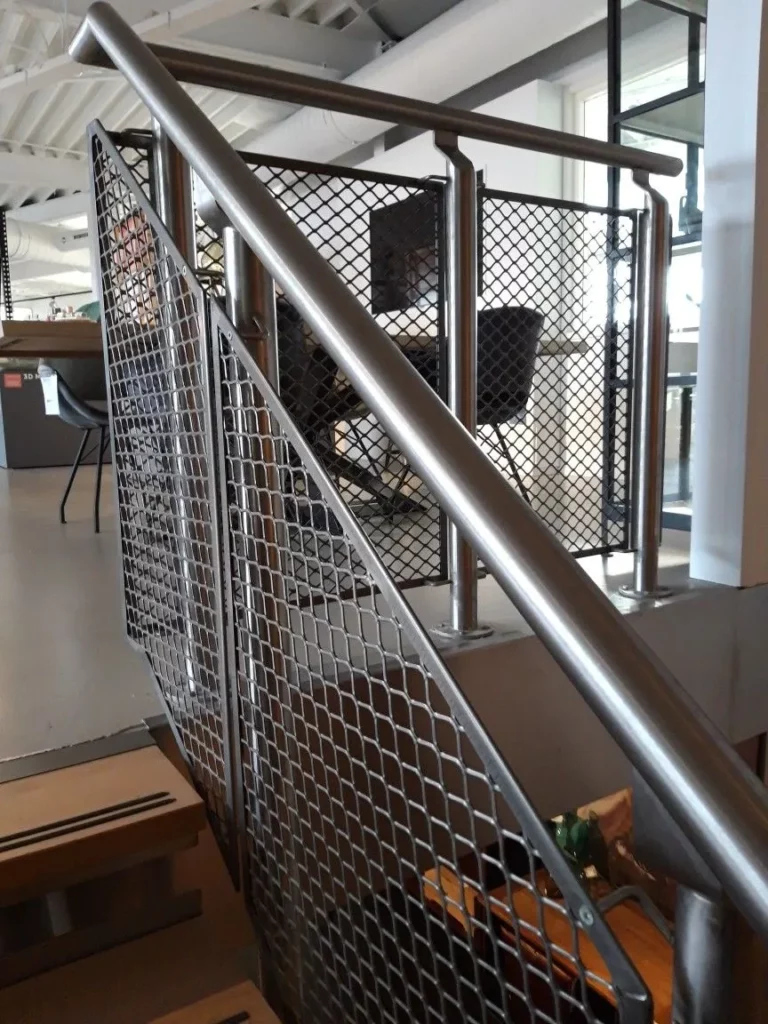
The often-overlooked handrail plays a pivotal role in both the safety and aesthetic coherence of any staircase, serving as a critical support structure that facilitates secure ascent and descent. While the primary focus during stair construction frequently gravitates towards the main frame or tread materials, the specifications for handrails, particularly those crafted from hollow iron, demand rigorous attention to detail. Industry standards, championed by experts such as those at InteriorDesign.ID, stipulate precise dimensions like 4×4 cm or 4×6 cm with a minimum thickness of 1.2 mm for hollow iron handrails. These figures are not arbitrary; they are meticulously derived from the average adult palm size, ensuring a firm, ergonomic grip rather than merely presenting a visually appealing but functionally inadequate fixture. This comprehensive analysis delves into the anatomy of these crucial safety components, exploring why hollow iron has become a preferred material, the technical specifications that guarantee robustness, and the best practices for fabrication, finishing, and installation to achieve a handrail system that is not only visually striking but, more importantly, structurally sound and inherently safe for decades of use.
The Indispensable Role of Handrails in Staircase Safety and Design
Staircases, while architectural marvels, represent potential hazards if not equipped with proper safety features. Handrails are the primary line of defense against falls, offering stability and support, especially for children, the elderly, or individuals with mobility challenges. According to data from the National Safety Council (NSC) in the United States, falls are a leading cause of unintentional injury, with stair-related incidents accounting for a significant percentage. These statistics underscore the critical importance of adhering to stringent safety standards for handrail design and installation. Beyond mere structural support, a well-designed handrail contributes significantly to the overall aesthetic and user experience of a space. It guides movement, defines the staircase’s character, and can enhance the sense of security and confidence for anyone navigating multi-level environments. The failure to prioritize handrail specifications, often leaving choices to unspecialized labor, can lead to compromised safety, premature wear, and costly repairs, directly impacting the well-being of occupants.
The Evolution and Appeal of Hollow Iron in Modern Architecture
The adoption of hollow iron, specifically in its rectangular tube (hollow) form, marks a significant evolution in material science for architectural applications. Traditionally, stair handrails were crafted from solid wood or wrought iron, materials that, while robust, often came with limitations in terms of weight, fabrication complexity, and modern aesthetic integration. Hollow iron, however, offers a compelling blend of structural efficiency and design versatility. Its inherent stiffness, despite a hollow core, allows it to withstand considerable loads, making it an ideal choice for load-bearing elements like handrails. The internal void drastically reduces the material’s overall weight, resulting in a lighter dead load on the supporting floor and wall structures. This characteristic not only simplifies installation but also minimizes the structural demands on the building itself, making it a favorite among architects for contemporary designs.
The aesthetic appeal of hollow iron is particularly pronounced in minimalist and modern architectural styles. Its clean, sharp lines and rectilinear form complement the geometric purity often sought in these designs. The ability of straight lines to create an illusion of greater height and expansive space is a powerful design tool, making hollow iron handrails an excellent choice for optimizing visual perception in both grand and compact interiors. Furthermore, the material’s excellent weldability, facilitated by its flat surfaces, ensures strong, seamless joints, which are critical for both structural integrity and a refined finish. This ease of fabrication allows for intricate designs and precise connections, further solidifying its position as a go-to material for durable and aesthetically pleasing handrails.

Precision in Design: Standard Dimensions for Optimal Ergonomics
The comfort and safety of a handrail are intrinsically linked to its dimensions, which must be carefully calibrated to accommodate the human hand. Arbitrary sizing can render a handrail ineffective or even dangerous. For residential applications, a 40×40 mm (4×4 cm) square profile is widely considered the optimal standard. This specific measurement allows for a complete and secure grip by the fingers of both adults and adolescents, enabling users to fully encircle the top and sides of the rail. This firm grasp is paramount in preventing slips and falls, providing reliable support during sudden loss of balance.
For environments demanding a broader resting surface or a more substantial visual presence, such as commercial buildings or luxury residences, a 40×60 mm profile, installed horizontally, is often preferred. The wider 6 cm top surface provides ample space for the palm to rest comfortably, offering enhanced support and a sense of solidity. This configuration is particularly beneficial in high-traffic areas where users might lean on the handrail for extended periods or require a more substantial anchor. These ergonomic considerations are not merely about comfort; they are fundamental to the handrail’s primary function as a safety device, ensuring that users can confidently rely on it in moments of need.
The Unseen Strength: The Criticality of Plate Thickness
While external dimensions dictate the visual and tactile profile of a handrail, its true strength and longevity are primarily determined by the thickness of its plate walls. The market offers a range of thicknesses, from thin 0.8 mm "banci" (substandard) options to robust 2.0 mm plates. Opting for inadequate thickness can severely compromise the handrail’s lifespan and safety.
A minimum genuine thickness of 1.2 mm is essential for handrails. Plates thinner than this are highly susceptible to denting from accidental impacts, such as furniture being moved, or even from forceful handling. More critically, thin plates pose significant challenges during the welding process; they are prone to burning through and creating perforations under welding heat, leading to weak, compromised joints. For homes with a higher number of occupants or those anticipating greater wear and tear, increasing the plate thickness to 1.6 mm or even 2.0 mm is a prudent investment. This additional thickness provides superior resistance to deformation and can effectively absorb sudden shock loads, such as a person leaning heavily or falling against the rail. Skimping on material thickness is a false economy, as it directly correlates with the handrail’s durability and, by extension, the safety of its users. Industry experts consistently advise prioritizing material quality and thickness to ensure long-term performance and peace of mind.
Versatility Across Staircase Designs and Beyond

One of the significant advantages of hollow iron is its adaptability to diverse staircase configurations. Its inherent workability allows it to be shaped and integrated into almost any stair model, including straight, L-shaped, U-shaped, and even complex spiral designs. For straight staircases, the linear purity of hollow iron profiles accentuates the modern aesthetic, creating a sense of clean, uninterrupted flow. In the case of L or U-shaped stairs, the ability to precisely miter cut the iron at 45-degree angles ensures seamless, tidy right-angle joints when welded, maintaining the crisp lines characteristic of contemporary design.
Even for the demanding curves of spiral staircases, hollow iron can be expertly manipulated. Specialized hydraulic bending machines are employed to curve the iron precisely, matching the intricate radius of the spiral. This precision bending is a stark contrast to the challenges posed by solid wood, which is much harder to curve uniformly without extensive lamination or steaming. This malleability makes hollow iron a more efficient and versatile material for complex architectural details, offering both structural integrity and design flexibility.
Beyond staircases, the robust yet lightweight nature of hollow iron extends its utility to other safety-critical applications within a home. For instance, the same welding techniques and material properties make it an excellent choice for children’s bunk bed safety rails. Here, the iron is configured into a protective barrier for the upper bunk, designed to withstand lateral forces and prevent falls during sleep or play. Typically, smaller profiles, such as 20×20 mm or 20×40 mm, are used to suit the scale of the bed. The spacing of the iron bars is carefully planned to ensure safety while allowing for adequate airflow. Crucially, any paint applied to these child-centric applications must be non-toxic and lead-free, adhering to strict safety standards for children’s furniture.
The Art and Science of Finishing: Aesthetics and Tactile Experience
The finishing process of a hollow iron handrail is far more than a cosmetic application; it is a critical stage that determines the handrail’s tactile quality, resistance to wear, and long-term appearance. Given that handrails are constantly subjected to friction, body oils, and perspiration, the painting process demands adherence to stringent standards.
The first essential step is the application of an anti-corrosive epoxy primer. This foundational layer provides crucial protection against rust, especially important for metal exposed to varying humidity and human contact. Once the primer is thoroughly dry, the main color coat should be applied using a high-pressure compressor spray gun. The use of brushes is strongly discouraged, as they invariably leave behind unsightly and uncomfortable streaks and brush marks that detract from the smooth, professional finish. A flawless, consistent surface, essential for both aesthetics and a comfortable grip, can only be achieved through controlled spray application.
Two primary painting methods are prevalent for high-quality residential and commercial projects:

-
Duco Spray Painting with Polyurethane (PU) Material: This method involves standard spray application of a polyurethane-based paint. Duco finishes are renowned for their smooth, even texture and can be customized with various sheens, from high-gloss to a sophisticated matte (doff) finish. While offering excellent aesthetic results, their durability is generally good but can be susceptible to scratches from rings or watches over time.
-
Powder Coating: This represents a significantly more durable and robust finishing option. In powder coating, finely ground particles of pigment and resin are electrostatically charged and sprayed onto the hollow iron surface. The coated metal is then transferred to a curing oven, where it is baked at temperatures typically around 200 degrees Celsius. This high-temperature process melts the powder, allowing it to chemically bond and flow into a uniform, thick, and highly durable skin over the metal. The result is a finish that is exceptionally resistant to scratches, chipping, fading, and general wear and tear, far outperforming conventional liquid paints. Powder coating is guaranteed to maintain its integrity for many years, even under heavy use. While the initial cost is higher than Duco painting, its superior longevity and maintenance-free performance often translate to better long-term value.
Beyond the paint, a crucial, often overlooked, finishing detail involves addressing the inherent sharp corners of square hollow iron tubes. These sharp edges can be uncomfortable or even cause minor injuries if a hand slides down the rail. A professional fabrication shop will meticulously deburr and slightly round these four longitudinal edges using a grinder. This small but significant modification dramatically improves the ergonomic feel, making the handrail much "softer" to the touch. Additionally, the open ends of the handrail, at its beginning and end points, must be sealed with a welded-on plate, ground flush, and smoothed. Leaving these ends open not only looks unfinished but also creates potential pinch points for fingers and can become a collection point for dust or even an inviting habitat for insects.
Ensuring Longevity: Maintenance and Installation Best Practices
Even with the most robust materials and superior finishes, hollow iron handrails require routine care to preserve their appearance and structural integrity. The protective paint layer, despite its resilience, can accumulate grime, oils, and sweat residue over time, leading to a dull finish. Simple cleaning procedures are highly effective: regular wiping with a soft cloth dampened with mild soap and water, followed by a thorough drying, will prevent residue buildup and maintain the handrail’s pristine condition. Abrasive cleaners or harsh chemicals should be avoided, as they can degrade the paint finish.
The method of connecting the handrail to its primary supports or the main staircase structure is another critical consideration, often sparking debate between traditional and modern approaches.
Traditional Direct Welding: This long-standing method involves welding all iron components directly on-site. The primary advantage is the creation of a monolithic, incredibly strong, and unyielding structure. However, direct on-site welding comes with several drawbacks:

- Damage Risk: Welding sparks can scorch or damage adjacent flooring (e.g., ceramics) or ignite wall paint.
- Cleanliness: The process generates significant smoke, dust from grinding, and debris, leading to extensive clean-up requirements throughout the home.
- Finishing Quality: Applying paint with a compressor indoors can be challenging, often resulting in less-than-perfect finishes due to environmental factors and potential overspray.
Modern Concealed Bolt (Knockdown) System: Modern contractors increasingly favor a knockdown system using concealed bolts. In this approach:
- Off-site Fabrication: All components are precisely cut, assembled, and finished (including painting) in a controlled workshop environment. This ensures superior quality control, cleaner fabrication, and a flawless finish.
- Clean Installation: The pre-fabricated handrail sections are then transported to the site and assembled using hidden bolts or anchor systems. This method significantly reduces on-site disruption, eliminates welding sparks and fumes, and results in a much cleaner installation process.
- Aesthetic Superiority: The finished handrail is free from visible bolt heads or rough weld marks, presenting a sleek, uninterrupted surface. This approach offers flexibility for future modifications or dismantling if required.
Fatal Installation Errors to Avoid
Homeowners, in their eagerness to complete projects, sometimes overlook fundamental installation errors made by contractors. One of the most critical mistakes is the use of "tack welding" (intermittent spot welds) at critical stress points, particularly at elbow joints or corners. Tack welds create weak points with un-welded gaps, making the structure susceptible to sudden failure under heavy or dynamic loads. Correct installation mandates continuous, full-seam welding without interruption at all joints, ensuring maximum strength and structural integrity.
Another common and dangerous error is installing handrails at an incorrect height, specifically lower than the universally recommended 90 cm (approximately 35-36 inches). While some might opt for a lower height for a perceived "different" aesthetic, this compromises user safety. A handrail that is too low forces individuals to bend or stoop while ascending or descending, putting undue strain on the back. More perilously, navigating stairs in a stooped posture significantly increases the risk of falling forward, as it disrupts natural balance and reduces the effectiveness of the handrail as a support. Adhering to the 90 cm height standard ensures proper ergonomic support and minimizes the risk of falls.
Integrating Handrails with Interior Design: Color and Material Combinations
Hollow iron handrails, with their strong linear presence, inherently contribute a bold, decisive character to any interior. The choice of color and potential material combinations allows for seamless integration with diverse design themes:
- Industrial Aesthetics: A deep matte black (doff) finish is a classic choice for industrial-style interiors. The stark black lines create a dramatic contrast against light-colored walls, accentuating the architectural definition of the stairwell.
- Modern and Harmonious: For homes featuring warm color palettes or natural wood furnishings, opting for white or dark grey handrails can create a more cohesive and understated look. These neutral tones allow the handrail to blend seamlessly with the surrounding décor, preventing the staircase from visually dominating the space, especially beneficial in narrower stairwells where an overly bold handrail might create a sense of confinement.
- The Warmth of Hybrid Designs: For those who find the pure metallic aesthetic of iron too "cold" for their interior, combining hollow iron with wood offers a sophisticated solution. The hollow iron serves as the robust structural core, providing unwavering strength, while a finely crafted wooden cap (e.g., teak or merbau) is securely fastened over the top. This hybrid approach marries the structural prowess of steel with the organic warmth and tactile comfort of natural wood. Users experience the inviting, neutral temperature of wood, while the underlying structure retains the unyielding strength of steel.
Economic Considerations and Long-Term Value

The cost of fabricating and installing minimalist hollow iron handrails is typically calculated per linear meter. In major urban centers, prices can range from Rp450,000 to Rp850,000 per linear meter, with variations depending on the complexity of the design, the quality of materials, and the finishing techniques employed. Workshops utilizing advanced equipment such as argon welding machines and powder coating ovens will naturally command higher prices. However, this premium is justified by the superior quality of workmanship, precision, and the long-term durability of the finish, eliminating concerns about peeling paint for many years.
Caution is advised against unusually low price quotations. Such offers often indicate the use of substandard, thinner "banci" iron plates, the omission of critical steps like the anti-corrosive epoxy primer, or rushed, inadequate welding. Investing a reasonable amount in high-quality materials and professional craftsmanship for a handrail is an investment in long-term safety, durability, and aesthetic satisfaction.
Conclusion: A Commitment to Safety, Aesthetics, and Durability
Hollow iron handrails represent an excellent choice for modern minimalist homes, offering a robust structure, clean lines, and ease of maintenance. When constructed and installed according to stringent specifications, they can provide decades of safe and reliable service. The emphasis must always be on ensuring ergonomic comfort and a secure grip, transcending mere visual appeal. By utilizing a detailed specification sheet and diligently inspecting the contractor’s work, homeowners can verify that crucial elements such as plate thickness, welding integrity, and finishing quality meet the required standards. Ensuring that sharp corners are deburred and all open ends are properly sealed further enhances safety and user comfort. A well-designed and impeccably executed hollow iron handrail is not just a functional component; it is a testament to thoughtful design, prioritizing the safety and well-being of every individual navigating the vertical spaces of a home.