Nila Kartika Wati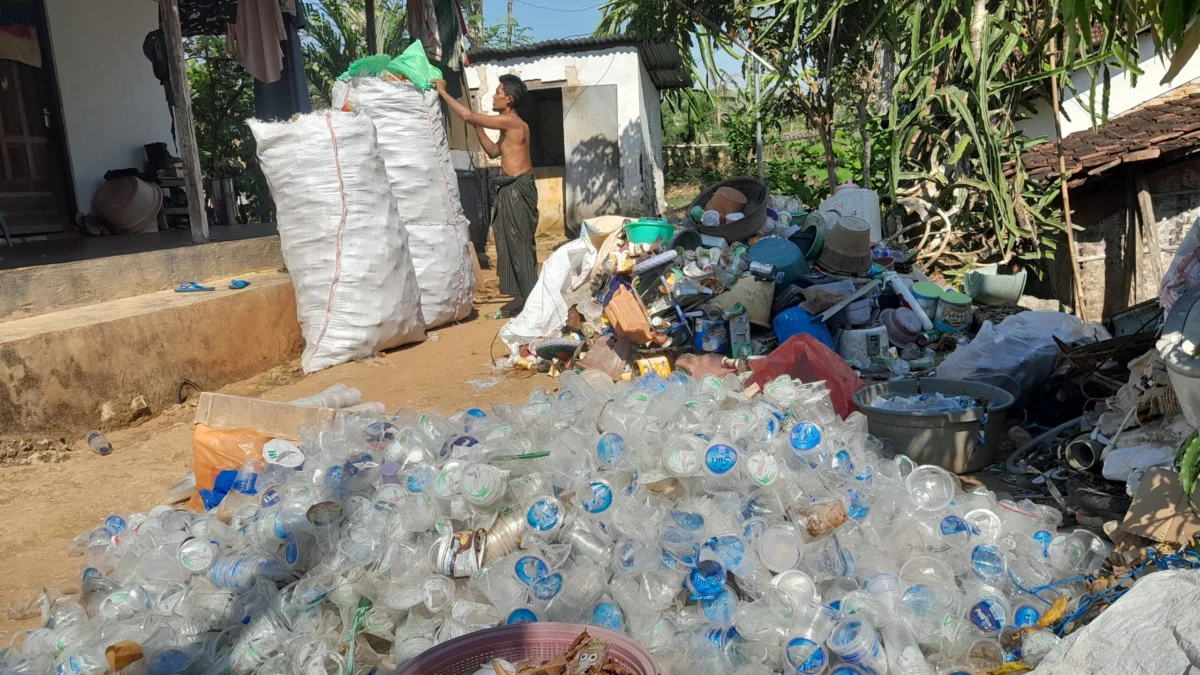
The emergence of plastic credit schemes in Indonesia, once hailed as an innovative market-based solution to the archipelago’s mounting waste crisis, is now facing intense scrutiny from environmental advocates. A coalition of prominent Indonesian civil society organizations has released a comprehensive study revealing that these projects often serve as "false solutions" that fail to address the root causes of plastic pollution. Instead of mitigating the environmental impact of plastic production, critics argue that these initiatives frequently result in operational failures, exacerbate health risks, and provide a convenient "greenwashing" mechanism for global corporations to continue their reliance on single-use plastics.
The findings were detailed in a report titled "The Myth of Plastic Credits: A Study on the Failure of Circular Economy Initiatives in Indonesia." The study was a collaborative effort by three major environmental groups: the East Java branch of the Indonesian Forum for the Environment (Walhi Jatim), Ecoton (Ecological Observation and Wetlands Conservation), and the Bali Environmental Education Center (PPLH Bali). The dissemination of the report, held recently in Bali, highlights a growing divide between corporate sustainability claims and the grim reality on the ground in local communities.
Understanding the Plastic Credit Mechanism and the Indonesian Context
Plastic credits operate on a logic similar to carbon credits. Under this compensation or "offset" scheme, companies that produce large volumes of plastic packaging provide funding to third-party projects involved in plastic waste collection, management, or recycling. In exchange for this funding, the companies receive credits that they can use to claim they have "neutralized" or "offset" their plastic footprint. These projects are often verified by international bodies, such as the Verra Plastic Waste Reduction Standard, to provide a veneer of legitimacy and traceability.
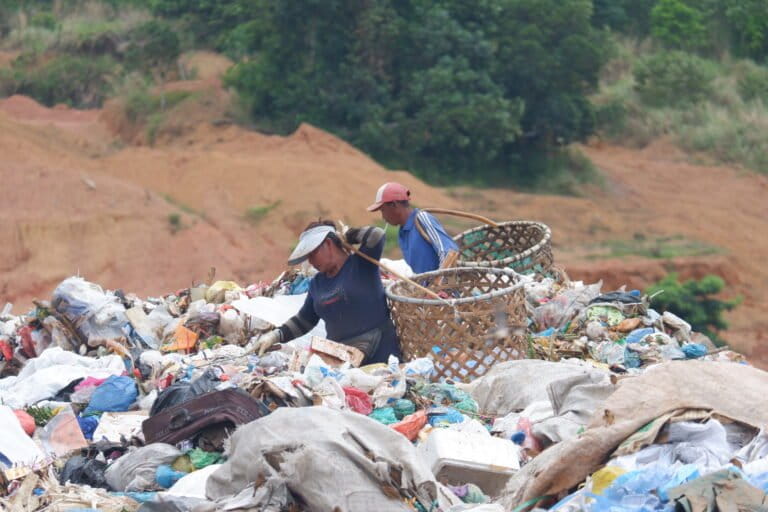
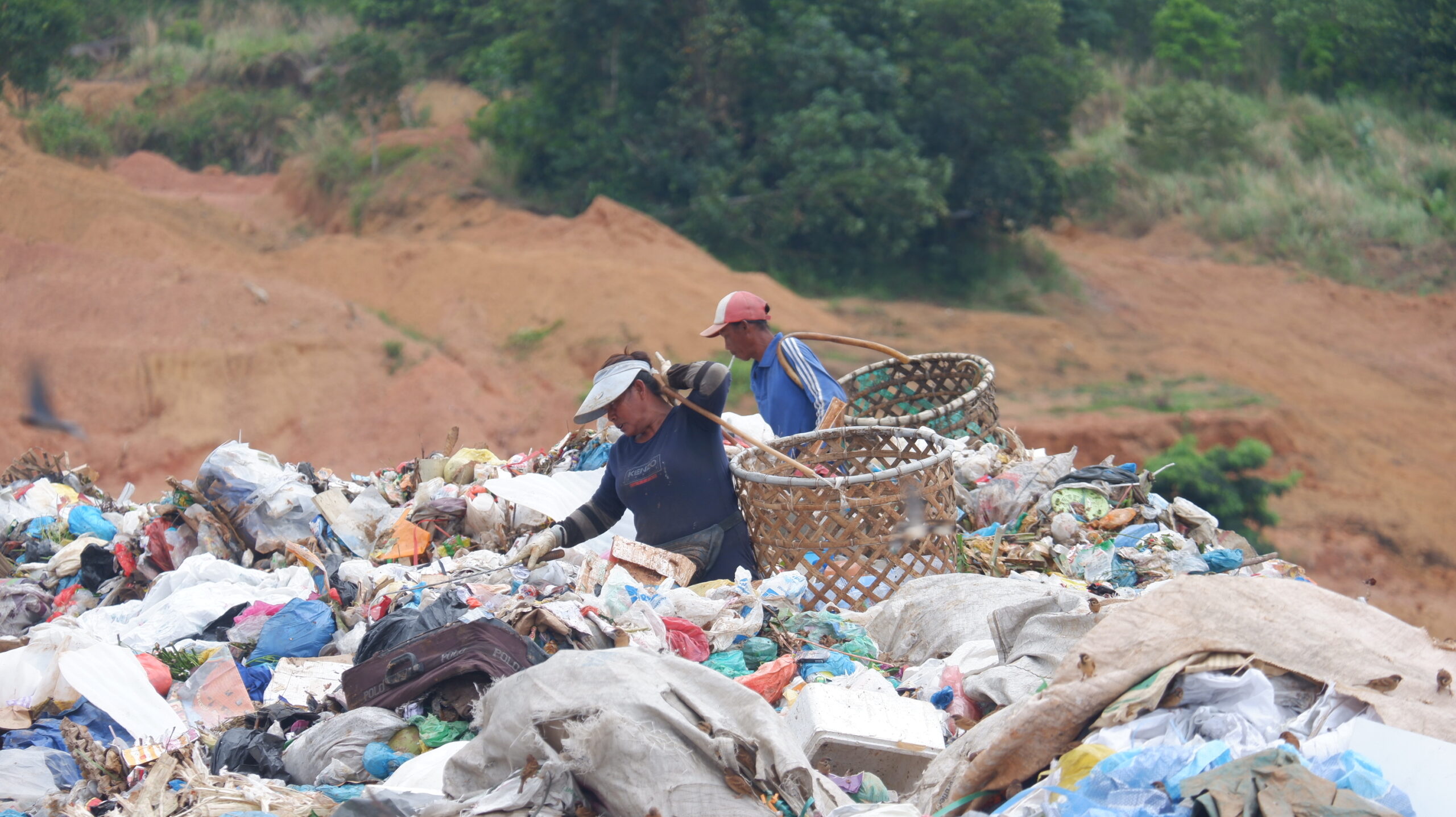
However, the coalition’s research into three major projects in Indonesia—Project STOP in Banyuwangi, the TPST Samtaku facility in Jimbaran (Bali), and the SEArcular–Greencore project in Gresik and Surabaya—paints a picture of systemic instability. Indonesia is currently the world’s third-largest contributor of plastic waste to the oceans, generating approximately 3.2 million metric tons of mismanaged plastic annually. With a national recycling rate of less than 10% and over 57% of households still resorting to burning their trash, the pressure to find solutions is immense. Yet, the coalition argues that the market-driven approach of plastic credits is fundamentally flawed.
The Failure of Downstream Solutions: A Case-by-Case Analysis
The coalition’s investigation focused on the gap between the high-profile claims made by project developers and the actual operational outcomes. One of the most striking examples is Project STOP in Banyuwangi, East Java. Initially launched with significant fanfare and the support of global partners, the project aimed to create a circular economy model by charging residents a small fee for waste collection.
Lucky Wahyu Wardhana, a researcher from Walhi Jatim, noted that while the project initially attracted 1,200 subscribers in the Tambakrejo area, it quickly became unsustainable. The operational costs—ranging from the maintenance of conveyor belts to the frequent servicing of transport machinery—outpaced the revenue generated from user fees and the sale of plastic credits. "When the program had run for a year, the challenges became clear," Wardhana explained. "Customers found it difficult to pay the monthly fees, and the equipment required expensive repairs every three months. Ultimately, the facility closed after only two years." The result was a regression to old habits: without a functioning collection system, residents returned to dumping waste in rivers or burning it in open pits.
In Bali, the TPST Samtaku (Integrated Waste Treatment Facility) in Jimbaran faced similar hurdles. Designed to process up to 120 ton of waste per day from 45,000 households, the facility was a cornerstone of plastic credit claims for major brands like Danone. Gek Rin, a researcher from PPLH Bali, reported that the facility never met its targets, managing only about 70 tons at its peak. Furthermore, the facility’s location—just 150 meters from residential areas—violated the recommended 500-meter buffer zone, leading to complaints about air pollution and foul odors. By 2024, Danone reportedly ceased its plastic credit involvement at the site, and the facility is now closed.
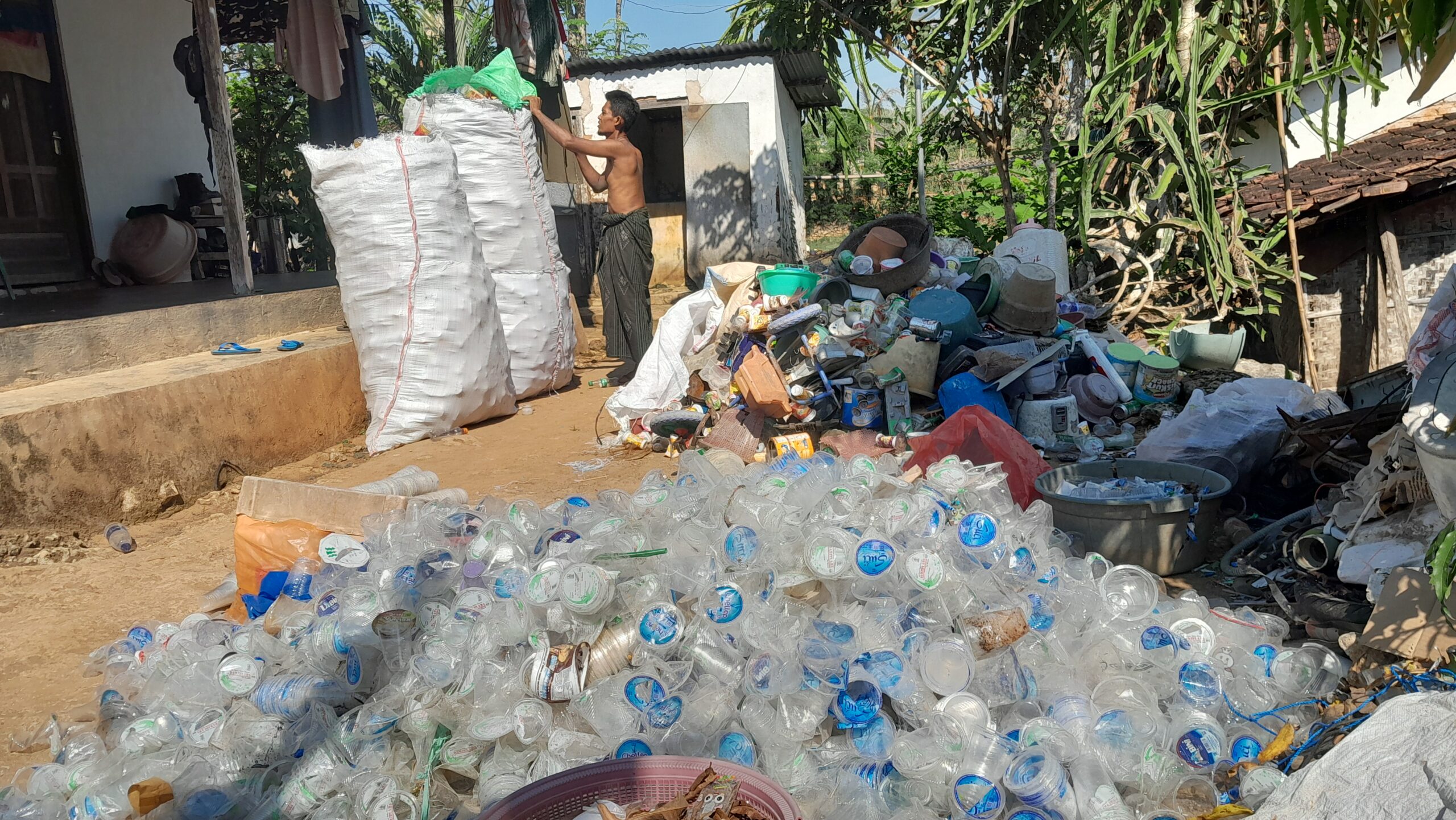
The third project, SEArcular–Greencore in Gresik and Surabaya, highlights the issue of "cherry-picking" waste. Alek Rahmatullah from Ecoton explained that the project focuses primarily on high-value plastics found in coastal areas. While the project claims to empower 1,000 waste pickers with fair wages, it largely ignores low-value, multi-layered plastic (sachets) that are the most difficult to recycle and the most prevalent in Indonesian waterways. "It’s like buying a credit to pretend you’ve handled the waste," Rahmatullah said. "It doesn’t solve the root problem of why that plastic was produced in the first place."
The Hazards of Refuse-Derived Fuel and Environmental Health Risks
One of the more controversial aspects of these plastic credit projects is the production of Refuse-Derived Fuel (RDF). In many instances, when plastic waste cannot be recycled into new products, it is processed into briquettes or pellets to be burned as a coal substitute in power plants or cement kilns.
In Gresik, the coalition found that plastic waste was being mixed with coal to produce RDF. While proponents argue this is a form of energy recovery, environmentalists warn that it merely moves the pollution from the water to the air. The combustion of plastics, especially those containing additives and stabilizers, releases toxic emissions, including dioxins, furans, and heavy metals. This process also contributes to the proliferation of microplastics in the atmosphere. Instead of eliminating the plastic, the "circular" model in this context essentially converts solid waste into hazardous air pollution, posing long-term respiratory risks to nearby communities.
Systematic Flaws and the Five Pillars of Failure
The coalition’s findings were echoed by Mandara Brasika, an academic and waste management practitioner in Bali, who identified five critical errors in the current implementation of plastic credits:
- Wrong Target: The credits focus on high-value plastics that already have an established market, leaving the most problematic "residue" plastics (like multilayer sachets) to accumulate in the environment.
- Wrong Design: Projects prioritize building high-tech facilities over establishing robust social systems. "If the waste is not sorted at the source, the project is almost guaranteed to fail, regardless of how advanced the technology is," Brasika noted.
- Wrong Incentive: The primary motivation for plastic credits is corporate image enhancement and "greenwashing" rather than genuine environmental restoration.
- Wrong Distribution of Funds: A significant portion of the funding often flows to international consultants and administrative overhead rather than to the frontline workers and community education programs that drive real change.
- Lack of Sustainability: The projects rely on short-term injections of corporate cash. Once the project cycle ends or the corporate partner moves on, the facilities often shut down because they are not integrated into local government budgets or regional waste management systems.
The Demand for Upstream Solutions and Corporate Accountability
The coalition of Walhi Jatim, Ecoton, and PPLH Bali is now calling for a fundamental shift in how Indonesia—and the global community—approaches the plastic crisis. They argue that the focus must shift from downstream "management" to upstream "prevention."
Key recommendations from the report include:
- Production Caps: Implementing strict limits on the volume of virgin plastic produced by corporations.
- Banning Problematic Plastics: Phasing out single-use plastics and multi-layered packaging that have no viable recycling pathway.
- Extended Producer Responsibility (EPR): Moving beyond voluntary credits to a mandatory "Polluter Pays" principle, where manufacturers are legally and financially responsible for the entire lifecycle of their products.
- Transparency and Monitoring: Requiring independent, third-party verification of waste data and ensuring that the health and safety of waste workers are protected.
Broader Implications for Global Environmental Policy
The failure of plastic credit schemes in Indonesia carries significant weight as the international community negotiates the Global Plastic Treaty. The findings suggest that market-based mechanisms, if not strictly regulated and secondary to production cuts, may actually hinder progress by providing an "escape hatch" for the petrochemical and consumer goods industries.
As Indonesia continues to struggle with the environmental and health impacts of its 3.2 million tons of annual waste, the message from civil society is clear: the solution to plastic pollution cannot be bought through credits. It requires a systemic overhaul of consumption patterns, a rejection of "disposable" culture, and a demand that the companies profiting from plastic production take genuine responsibility for the environmental havoc their products leave behind. Without these changes, plastic credits will remain a "myth" that obscures a deepening ecological crisis.