Nila Kartika Wati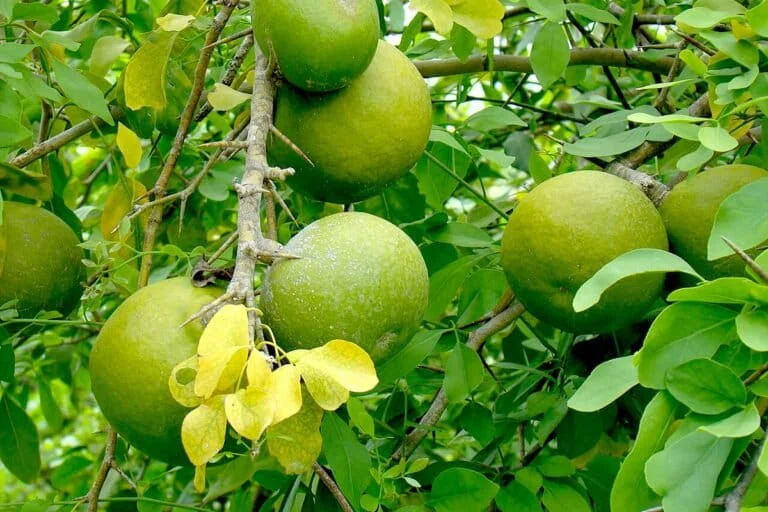
A group of innovative students from Universitas Kristen (UK) Petra Surabaya has successfully developed a functional food product that seeks to rehabilitate the reputation of the berenuk fruit (Crescentia cujete), a plant often neglected due to widespread misconceptions regarding its toxicity and taste. The project, titled "GO! MAJA," combines the nutritional benefits of Greek yoghurt with extracts from the berenuk fruit, which has long been misidentified by the Indonesian public as the "bitter maja" associated with the historic Majapahit Empire. This initiative not only highlights the untapped potential of Indonesia’s local biodiversity but also provides a scientific foundation for the fruit’s numerous health benefits, ranging from digestive protection to potential anti-cancer properties.
The Botanical Distinction: Berenuk vs. Maja
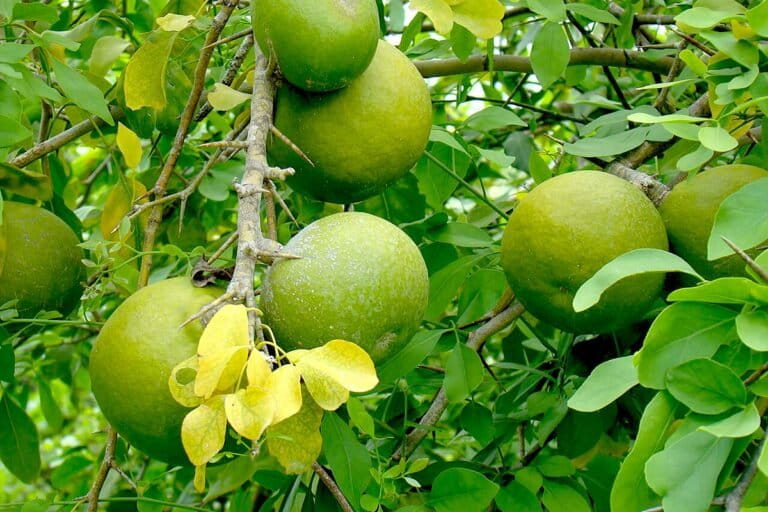
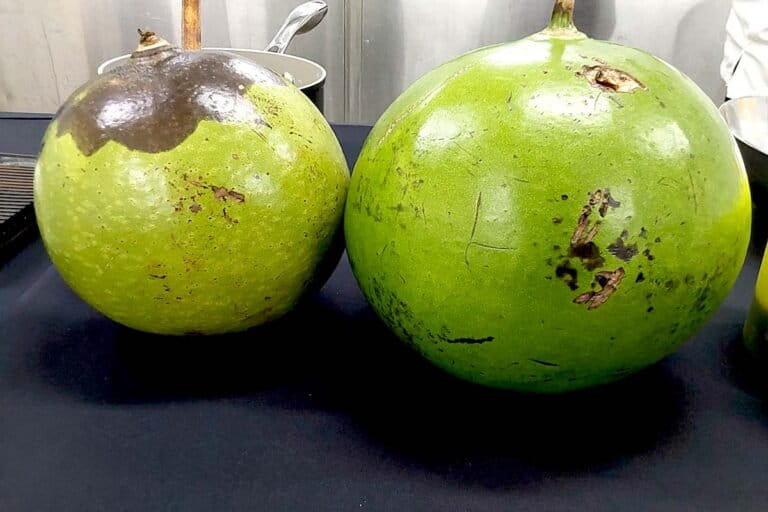
For generations, a significant portion of Indonesian society has conflated the berenuk fruit with the true maja fruit (Aegle marmelos). While they share a similar spherical green appearance, they belong to entirely different botanical families and possess distinct characteristics. The berenuk, which originates from Central and South America, is a member of the Bignoniaceae family. Its physical profile is defined by a smooth, dense, white flesh—resembling the texture of soursop—which turns black upon prolonged exposure to air. Its seeds are small, flat, and heart-shaped, while the tree itself features thornless branches and simple, oval, inverted leaves with pointed tips.
In contrast, the true maja fruit is native to South and Southeast Asia, including the Indonesian archipelago, and belongs to the Rutaceae (citrus) family. Unlike the berenuk, the maja fruit has a pulpy, orange-to-yellow interior with larger, rounded seeds. The maja tree is characterized by thorny branches and compound leaves arranged in triplets. Historically, the maja fruit is capable of thriving in diverse environments, from swampy wetlands to arid terrains. While the berenuk is often avoided due to a perceived bitterness, the true maja fruit has been a staple in traditional Asian medicine for centuries.
The confusion between the two has deep roots in Indonesian cultural history. In the Mojokerto region of East Java—the former center of the Majapahit Empire—the berenuk is frequently referred to as "maja pahit" (bitter maja). This nomenclature stems from the legend of the empire’s founding, where followers of Raden Wijaya reportedly consumed a bitter fruit while clearing the Tarik forest, leading to the naming of the kingdom. However, botanical evidence suggests that the fruit encountered by the founders was likely the Aegle marmelos, whereas the Crescentia cujete (berenuk) was introduced to the region much later from the Americas.
Scientific Reevaluation and the GO! MAJA Innovation
The "GO! MAJA" project was spearheaded by five students from UK Petra: Ardan Rezon Prasetio, Audrey Hadara Wattimena, Aurelia Callysta, Fedilia Yanson Widio, and Samuel Jason Liwanto Lie. Their research was motivated by the observation that the berenuk fruit remains largely underutilized in Desa Kebon Tunggul, Mojokerto, despite its abundance and significant weight—often reaching one kilogram per fruit.
Ardan Rezon Prasetio, the team leader, emphasized that the common belief regarding the fruit’s toxicity is a myth. "The berenuk is often ignored, yet its health benefits are immense. Our research identified high concentrations of Lektin and Quercetin, compounds that are instrumental in protecting the gastric lining and the overall digestive tract," Prasetio explained.
The team addressed three primary misconceptions prevalent in the community. First, they sought to prove that the fruit has commercial and nutritional value that has been historically overlooked. Second, they challenged the notion of its unpalatability; through controlled fermentation, the naturally astringent or neutral profile of the fruit transforms into a balanced sweet and sour flavor. Third, they provided empirical evidence that the fruit is not only safe for human consumption but actively promotes wellness.
Chemical Composition and Therapeutic Potential
The medicinal value of Crescentia cujete is supported by its complex phytochemical profile. According to Aletheia Threskeia, a lecturer at the Faculty of Medicine at UK Petra, the fruit contains high levels of bioactive molecules. "Our analysis shows that the fruit is rich in polyphenols, tannins, alkaloids, and saponins," Threskeia noted during an April 2026 briefing.
Of particular interest are the saponins and alkaloids, which reach concentrations of up to four percent in the fruit’s extract. These compounds act as potent antioxidants, neutralizing free radicals that contribute to cellular aging and chronic diseases. Furthermore, current research is investigating the extract’s efficacy as an anti-inflammatory, antibacterial, and antidiabetic agent. In countries like the Philippines, the berenuk has already been integrated into the wellness industry as a health beverage, and ongoing studies are exploring its role in treating degenerative diseases and organ dysfunction.
The integration of berenuk extract into Greek yoghurt creates a symbiotic functional food. While the yoghurt provides probiotics essential for gut microbiome health, the berenuk extract adds a layer of protection against gastric acid reflux, constipation, and diarrhea. Some preliminary studies even suggest that the combination of these antioxidants may reduce the long-term risk of certain cancers.
The Production Process: From Forest to Functional Food
The transformation of the raw berenuk fruit into the GO! MAJA product involves a meticulous multi-step process designed to maximize nutrient extraction while ensuring consumer safety. Fedilia Yanson Widio, a member of the student team, detailed the methodology, which begins with a fermentation period of one to two days.
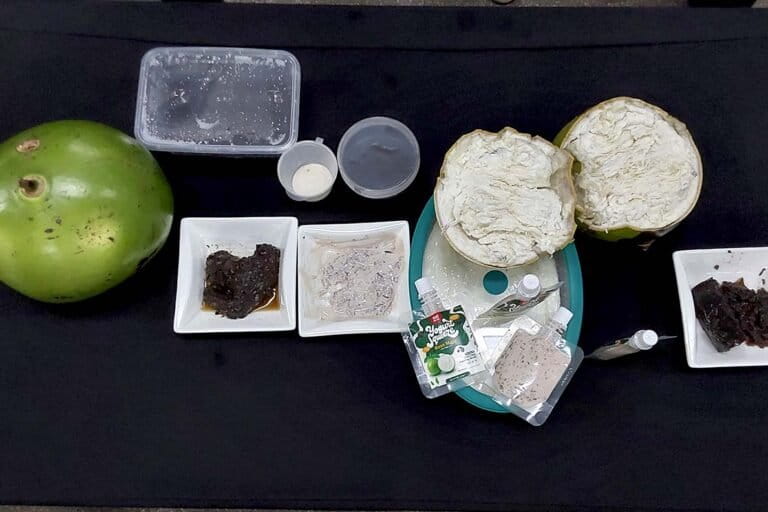
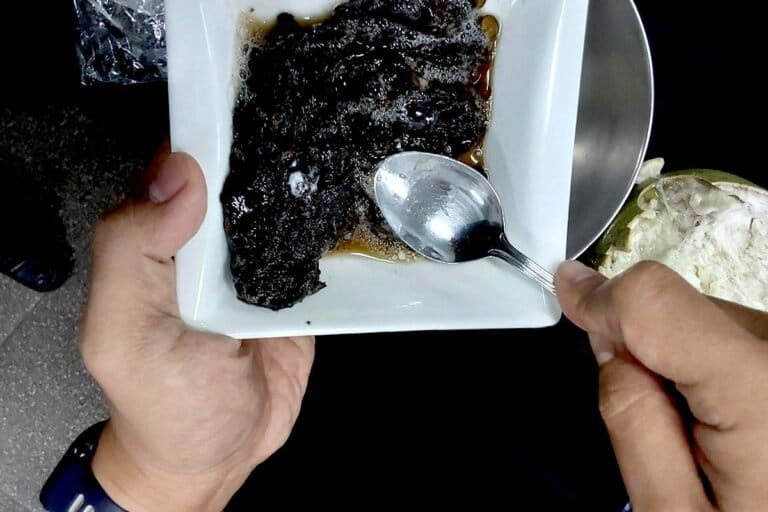
"Fermentation is crucial for breaking down the cellular structure of the fruit and releasing its juices," Widio stated. "The longer the fermentation, the higher the yield of liquid extract. We press the fruit thoroughly until only the pulp remains." This liquid is then processed into two distinct forms: a concentrated syrup used for flavoring and a nutrient-dense base used to create jelly or agar-agar additives for the yoghurt.
To address any potential concerns regarding microbial contamination, the team implements a pasteurization phase. David Kristanto, a lecturer at the UK Petra School of Business and Management, explained that while the fruit is inherently safe, the extract is heated to temperatures above 65 degrees Celsius. This ensures the elimination of any harmful bacteria while preserving the integrity of the heat-sensitive bioactive compounds.
Economic Implications and Biodiversity Conservation
The development of GO! MAJA serves as a case study for the economic potential of "neglected and underutilized species" (NUS). In regions like Mojokerto, where the berenuk grows wild and in abundance, the fruit represents a zero-cost raw material that can be converted into a high-value health product. By creating a market for berenuk-based goods, the project provides a blueprint for community-based economic development in rural East Java.
David Kristanto highlighted that this innovation is a testament to the power of local biodiversity. "This product proves that local resources, which are often dismissed as weeds or useless plants, can be transformed into high-value health products through the application of science and business strategy," he said. The utilization of berenuk also aligns with global trends in the "Blue Economy" and sustainable agriculture, where the focus is on maximizing the utility of existing biological resources without the need for intensive chemical inputs.
Beyond food, the berenuk tree has broader industrial implications. Research is currently being conducted into the potential of its fruit pulp as a feedstock for bioethanol and biofuels, providing a renewable energy alternative. The hard, dried shells of the fruit have also historically been used as traditional containers and musical instruments, suggesting a circular economy model where every part of the plant is utilized.
Conclusion and Future Outlook
The initiative by the UK Petra students represents a significant step forward in bridging the gap between traditional knowledge and modern food science. By debunking the myths surrounding the berenuk fruit and presenting it in a familiar, palatable format like Greek yoghurt, the GO! MAJA project has the potential to change public perception across Indonesia.
As the global demand for functional foods—products that provide health benefits beyond basic nutrition—continues to rise, the berenuk fruit stands as a promising candidate for international export and further pharmaceutical research. Future efforts will likely focus on clinical trials to quantify the antidiabetic effects mentioned by Threskeia and to standardize the extraction process for industrial-scale production.
Ultimately, the story of the berenuk is one of redemption. Once a misunderstood "poisonous" fruit relegated to the sidelines of history and folklore, it is now being reimagined as a cornerstone of modern Indonesian wellness innovation. Through the intersection of student creativity, academic research, and local biodiversity, the "bitter maja" of the past is set to become a sweet success for the future of functional nutrition.